As the United States stands on the cusp of celebrating its 250th anniversary of independence, a profound examination of its immigration history reveals a complex and often contradictory narrative. Founded on principles of liberty and opportunity, the nation’s journey has been marked by periods of expansive welcome, stark exclusion, and the persistent struggle for equitable treatment of those seeking refuge and a better life. For over 145 years, HIAS, the world’s oldest refugee organization, has been a steadfast witness and active participant in this evolving story, advocating for the displaced and offering a hand of assistance. This article delves into the historical arc of U.S. immigration, tracing the nation’s shifting policies, the impact on various communities, and HIAS’s enduring commitment to human dignity.
A Nation Forged by Migration, Defined by Contradictions
The very fabric of the United States is woven from threads of immigration. From its earliest colonial days, the promise of new beginnings attracted settlers from across Europe. However, this narrative of welcome was deeply intertwined with the brutal realities of displacement and enslavement. European colonization led to the dispossession and decimation of Indigenous American populations, while the transatlantic slave trade forcibly brought millions of Africans to American shores, creating a foundational paradox of freedom built upon profound unfreedom.
The nation’s approach to immigration has never been monolithic. Instead, it has been a dynamic interplay between ideologies of openness and surges of xenophobia, shaping policies that have alternately embraced and repelled newcomers. This historical oscillation has contributed to the United States becoming one of the world’s most diverse nations, with a significant portion of its population having foreign-born origins, a trend that continues to define its demographic landscape.
Early Foundations: Open Doors and Closed Hearts
The period preceding the United States’ declaration of independence in 1776 was characterized by European colonial powers generally encouraging immigration to their North American territories. For Europeans with the means, emigration was relatively unrestricted. However, this era also saw the forced migration of individuals convicted of crimes, a grim precursor to later forms of involuntary displacement. Simultaneously, European expansion led to the mass displacement and violence against Indigenous Americans, a tragic legacy that continues to resonate. The year 1619 marked the arrival of the first enslaved Africans, initiating centuries of forced migration and bondage that would indelibly scar the nation’s history.
Following the formal establishment of the U.S. government in 1789, immigration policy began to take shape through legislative action. The Naturalization Act of 1790 established a narrow definition of citizenship, limiting it to "free white persons." This early legislation laid the groundwork for racial and ethnic hierarchies that would influence immigration debates for centuries. The Alien Enemies Act of 1798, enacted during a period of international tension, granted the federal government broad powers to detain and deport non-citizens deemed a threat during wartime.
The westward expansion of the United States was also fueled by policy that dispossessed Native Americans. The Indian Removal Act of 1830, signed by President Andrew Jackson, facilitated the forced relocation of thousands of Indigenous peoples from their ancestral lands. The Mexican-American War in the mid-1840s resulted in the U.S. acquiring vast territories and, consequently, extending citizenship to Mexican populations already residing within these lands. The aftermath of the Civil War saw the passage of the 14th Amendment, granting citizenship and birthright citizenship to Black Americans, a crucial step that would later benefit generations of immigrant families.

By 1880, immigrants constituted approximately 13.3 percent of the U.S. population, a figure comparable to contemporary levels. This period of significant immigration, primarily from Europe, also witnessed the rise of nativist sentiments. The Know-Nothing Party, which gained prominence in the 1840s, actively campaigned on an anti-immigrant platform, advocating for white Christian nationalism. Despite these emerging exclusionary forces, millions of immigrants arrived in the U.S. during its first century, with relatively few barriers to entry. However, the first significant restrictions began to target Asian immigrants, particularly those from China, signaling a shift in policy that would become increasingly restrictive.
The Dawn of Exclusion: Restrictions and the Birth of HIAS
The late 19th and early 20th centuries marked a pivotal turning point in U.S. immigration history, characterized by the imposition of increasingly stringent restrictions and the formal establishment of organizations dedicated to aiding those navigating these complex systems. The Chinese Exclusion Act of 1882 stands as a landmark piece of legislation, initiating a series of laws designed to curtail immigration. Initially targeting Chinese laborers, these restrictions soon expanded to include Japanese and Korean immigrants, and by the late 1930s, all Asian immigration faced severe limitations, a policy that persisted until the Immigration and Nationality Act of 1965.
Simultaneously, escalating antisemitism and violent pogroms in Eastern Europe in the 1880s forced millions of Jews to seek refuge in the United States. In response to this humanitarian crisis, organizations began to emerge to assist these vulnerable populations. While the Hebrew Immigrant Aid Society (HIAS) was formally incorporated in 1903, its roots trace back to earlier efforts to support arriving Jewish immigrants. At this time, the global community had not yet developed a formal legal framework for refugees, meaning those seeking safety were often categorized simply as immigrants, despite their urgent need for protection.
By the time Ellis Island became the primary federal immigration processing station in 1892, HIAS was already actively engaged in providing essential services such as meals, transportation, and job placement assistance to the burgeoning Eastern European Jewish population. The organization quickly gained international recognition as a vital institution founded by Jewish refugees to aid fellow refugees.
Further legislative measures solidified the federal government’s role in immigration enforcement. The Immigration Act of 1891 centralized immigration control and expanded the list of inadmissible individuals. Subsequent acts in 1903 and 1917 introduced further restrictions, including bans on immigration from most of Asia and the Middle East, increased admission fees, and the implementation of literacy tests. Between 1890 and the end of World War I, over 18 million people emigrated to the U.S., predominantly from Italy and Eastern Europe. The outbreak of World War I, in particular, spurred a significant influx of Jews from Eastern Europe, with over 138,000 arriving in 1914 alone. During this period, anti-immigrant sentiment continued to rise, leading to campaigns aimed at "Americanizing" immigrants, which often included prohibitions on non-English language use.
The Era of Quotas and the Global Refugee Crisis
The period between 1921 and 1950 witnessed the implementation of restrictive quota systems that dramatically curtailed immigration, particularly from Southern and Eastern Europe, and had profound implications for those seeking refuge. The Emergency Quota Act of 1921 and subsequent legislation limited immigration to a percentage of each nationality based on earlier census data, effectively favoring immigrants from Northern and Western Europe. This policy severely hampered the entry of Jews fleeing persecution in Eastern Europe and other groups facing discrimination.
In 1924, Indigenous Americans were finally granted U.S. citizenship, a recognition that came nearly 150 years after the nation’s founding. The establishment of U.S. Border Control in the 1920s, initially focused on Chinese immigration, soon expanded its scope to include the apprehension and deportation of Mexican immigrants, including U.S. citizens of Mexican descent.
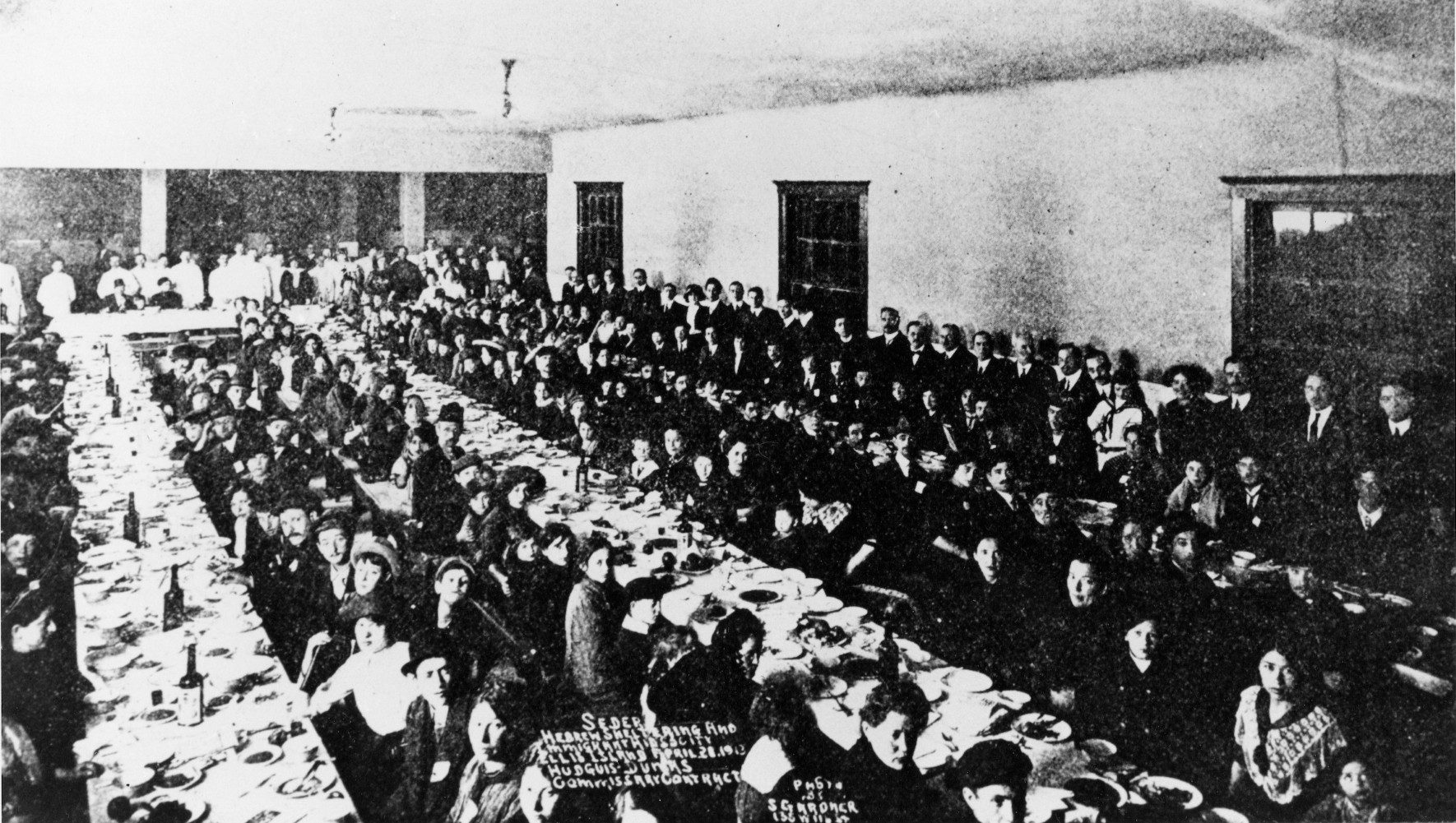
The impact of these restrictive policies was stark: U.S. immigration numbers plummeted by 90 percent between 1924 and 1940. During this era of severe limitations, HIAS established a European branch to support Jews unable to find safety in the United States. This initiative proved critical, as HIAS would go on to assist approximately 250,000 individuals in escaping Nazi persecution in the years leading up to and during World War II.
The Second World War presented immense challenges for refugees. Stringent immigration quotas meant that few could find sanctuary in the U.S. The internment of 120,000 Japanese Americans during the war also stands as a dark chapter, drawing parallels to contemporary detention practices. While the U.S. finally repealed the Chinese Exclusion Act in 1943, granting citizenship to Chinese Americans, the broader landscape for refugees remained bleak. Following the war, HIAS played a crucial role in evacuating Displaced Persons camps in Europe, facilitating the resettlement of some 150,000 individuals across 330 communities in the U.S.
The Refugee Convention and a Shift Towards Reform
The post-World War II era ushered in a new era of international cooperation on refugee issues, spurred by the global community’s response to the Holocaust. The 1951 Refugee Convention, a foundational document for international refugee law, provided a framework for addressing the needs of displaced persons worldwide. Although the U.S. did not immediately ratify the convention, it began to ease some immigration restrictions through various legislative actions in the 1950s, admitting hundreds of thousands of refugees.
The Bracero Program, initiated in 1942 and running until 1964, brought approximately 4.5 million Mexican laborers to the U.S. to address labor shortages. However, this period also saw the controversial "Operation Wetback" in the 1950s, which led to the deportation of thousands of Mexicans.
The Cuban Revolution in 1959 triggered a significant wave of refugees to the United States, with over 200,000 Cubans arriving between 1959 and 1962. HIAS provided critical assistance to thousands of Cuban Jews during this period, as well as to Jewish refugees fleeing persecution in Hungary, Egypt, Algeria, Libya, Morocco, Czechoslovakia, and Poland throughout the 1950s and 1960s.
A monumental shift occurred in 1965 with the passage of the Immigration and Nationality Act. Driven by the persistent advocacy of HIAS and other organizations, this landmark legislation abolished discriminatory national origin quotas. Instead, it established a more equitable system prioritizing family reunification, skilled workers, and refugees, fundamentally reshaping the demographics and diversity of the United States.
Expanding Missions and the Modern Immigration Landscape
The period from 1971 to 2000 saw the formal establishment of the U.S. Refugee Admissions Program and HIAS’s expansion of its mission to assist a wider range of displaced populations. In 1975, HIAS collaborated with the State Department to resettle Vietnamese, Cambodian, and Laotian refugees, marking one of its first major initiatives to assist non-Jewish refugees. The Iranian Revolution subsequently led HIAS to facilitate the resettlement of thousands of Persian Jews with family ties in the U.S. From 1979 onwards, HIAS played a pivotal role in aiding Jews from the former Soviet Union, with over 400,000 migrating to the United States and other countries.
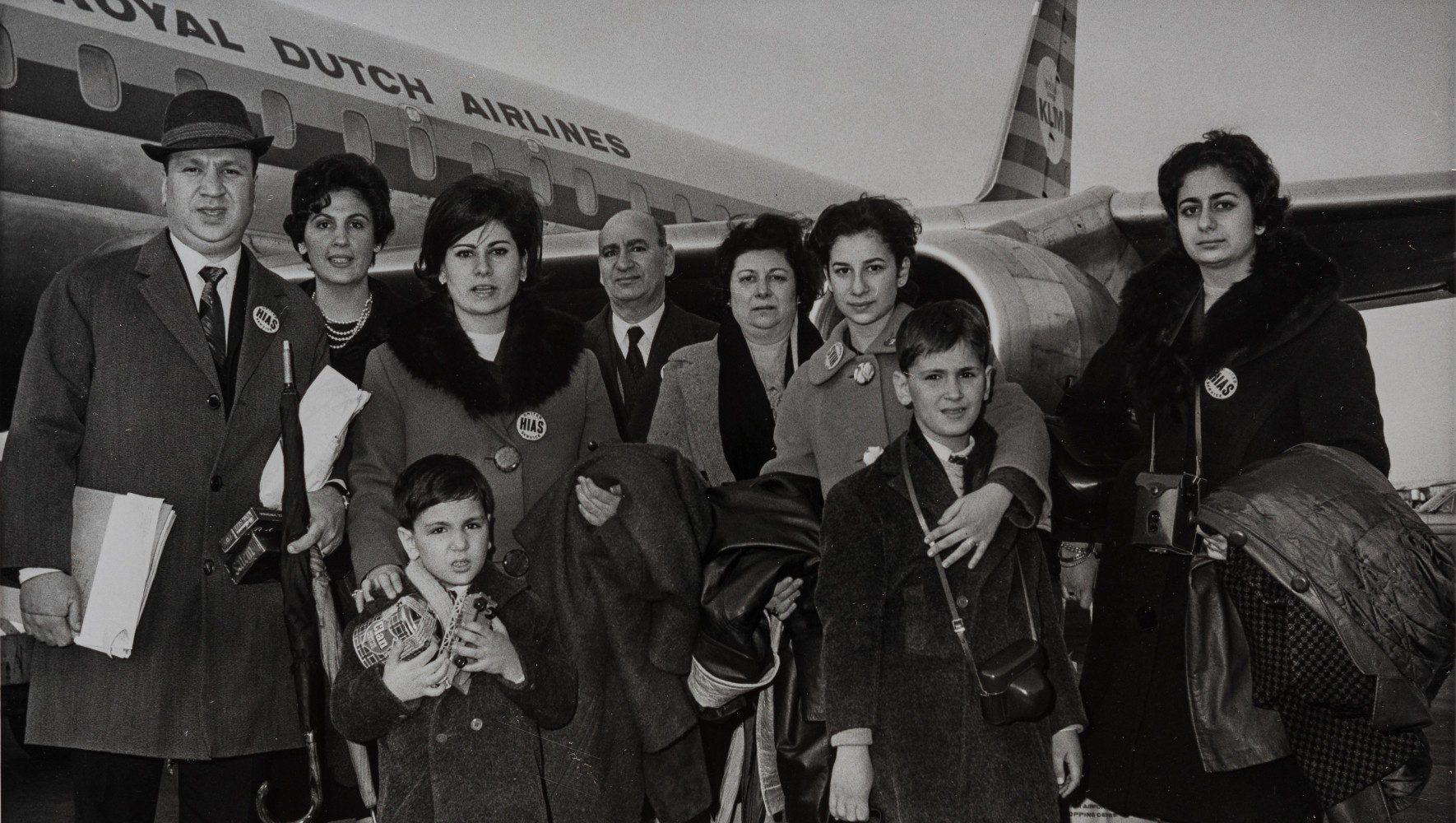
A crucial legislative development occurred in 1980 when President Jimmy Carter signed the Refugee Act, codifying the right to asylum in U.S. law and establishing a formal process for refugee resettlement, fostering partnerships between the government and private agencies like HIAS.
Further legislative reforms in the 1980s and 1990s continued to shape the immigration system. The Immigration Reform and Control Act of 1986 provided amnesty for undocumented immigrants but also introduced employer sanctions and increased funding for border enforcement. The Immigration Act of 1990 raised immigration ceilings, formalized skilled worker visas, and created Temporary Protected Status (TPS) for individuals fleeing crises. The Illegal Immigration Reform and Immigrant Responsibility Act of 1996 enhanced immigration enforcement and introduced expedited removal procedures.
The Resurgence of Xenophobia and the Ongoing Struggle for Welcome
The post-9/11 era ushered in a new phase of heightened security concerns and a significant shift in immigration policy. The Homeland Security Act of 2001 led to the creation of U.S. Citizenship and Immigration Services (USCIS), U.S. Customs and Border Protection (CBP), and U.S. Immigration and Customs Enforcement (ICE). The Secure Fence Act of 2006 initiated a long-term effort to expand physical barriers along the U.S.-Mexico border.
As legislative consensus on comprehensive immigration reform remained elusive, immigration policy increasingly became a domain of executive action. Presidents have alternately expanded or eroded immigrant and refugee rights through executive orders and policy directives. The Deferred Action for Childhood Arrivals (DACA) program, created by the Obama administration in 2012 to protect young immigrants who arrived as children, has faced significant challenges and diminishment under subsequent administrations.
In recent years, particularly during the Trump administration, the U.S. has witnessed severe restrictions on immigration and refugee admissions. These policies have included travel bans targeting specific countries, aggressive deportation campaigns, the dismantling of protected pathways like TPS, the undermining of asylum rights, and the drastic reduction of the U.S. Refugee Admissions Program. While the Biden administration has reversed some of these policies, others have persisted, reflecting the ongoing political polarization surrounding immigration.
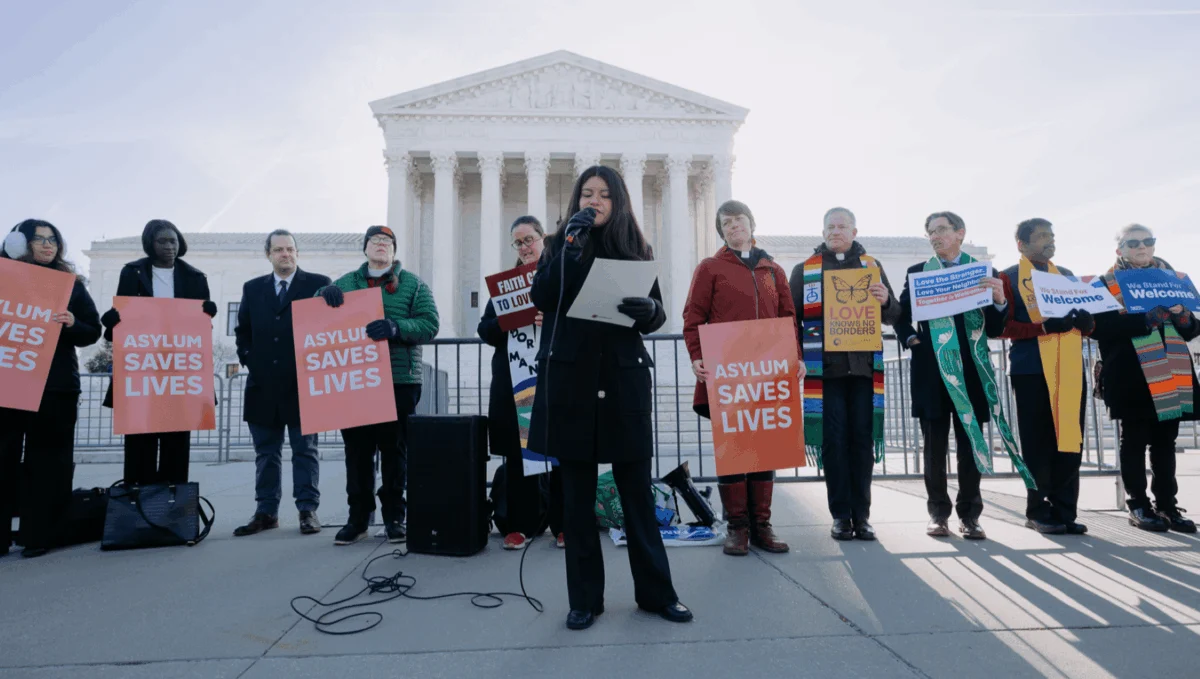
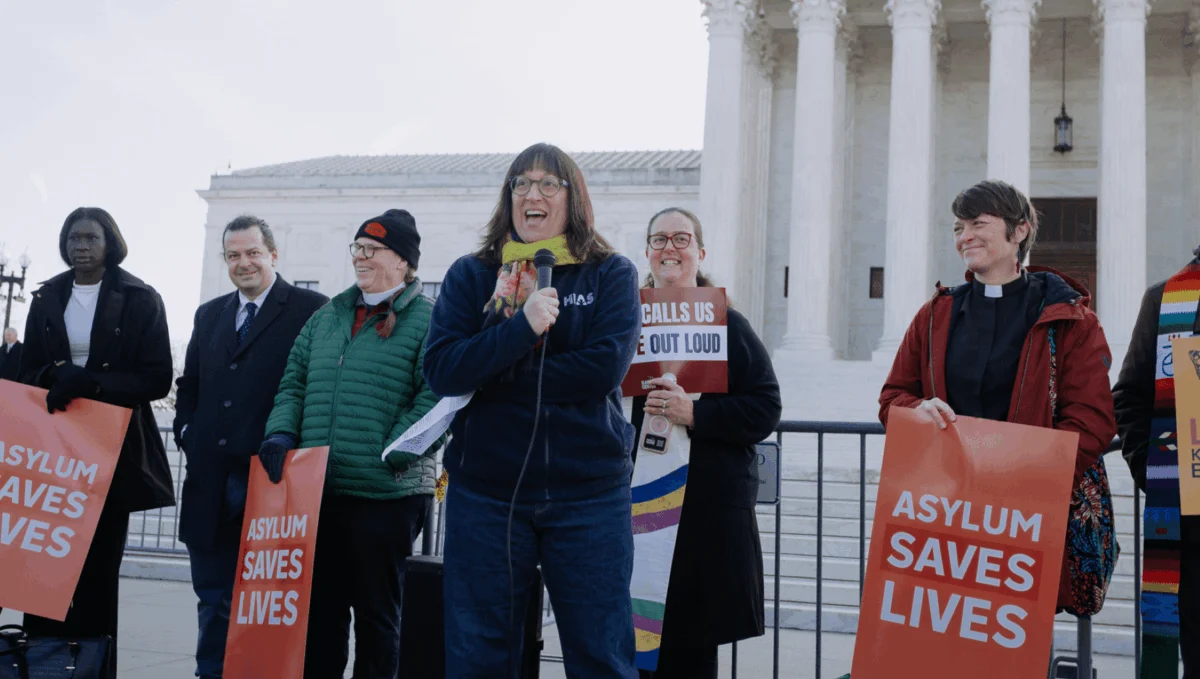
Despite this often hostile environment, HIAS remains steadfast in its commitment to assisting refugees and immigrants. Supported by a vast network of advocates, the organization continues to champion fair and humane immigration policies while providing essential services to those in need. As the nation approaches its 250th anniversary, the challenges facing refugee resettlement, the right to asylum, and legal immigration remain significant. HIAS’s century-and-a-half legacy of resilience, expertise, and compassion positions it to meet the urgent demands of today and to continue advocating for a world where all displaced people find welcome, safety, and opportunity, looking towards the next 250 years of its vital mission.