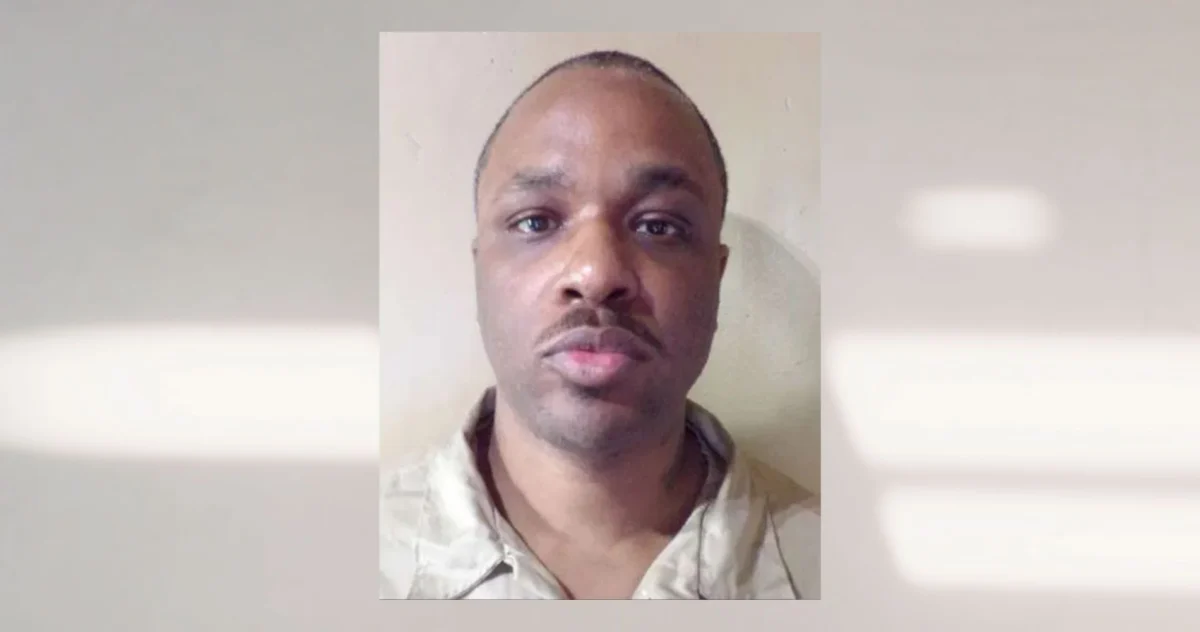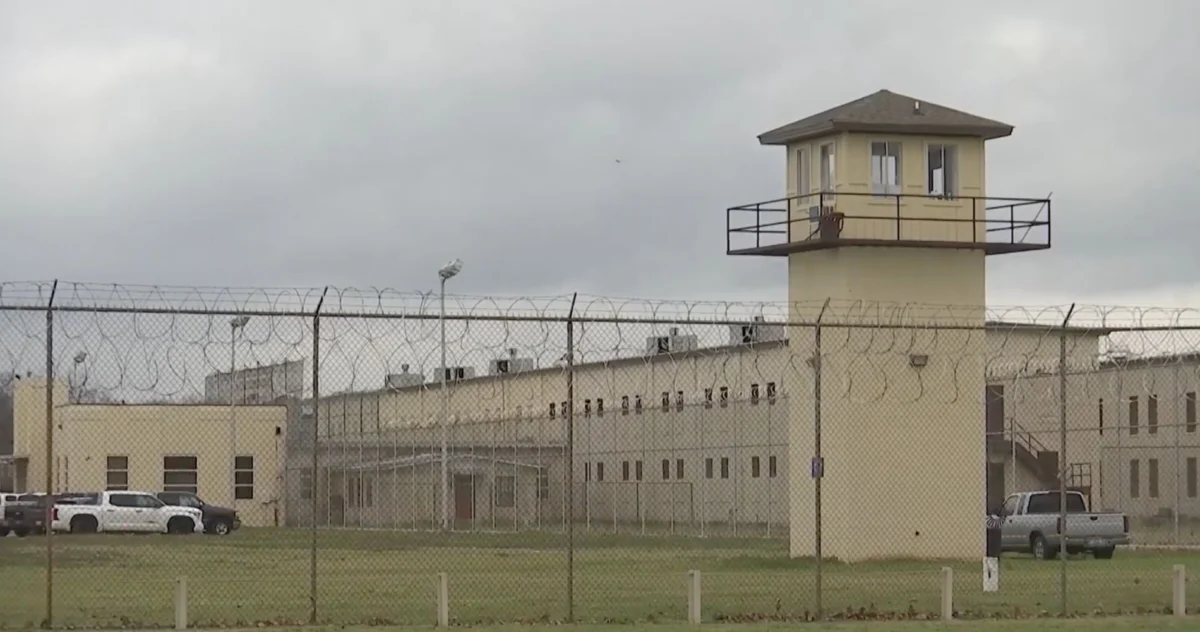
Cason Helms, a 41-year-old incarcerated man, was killed at the Elmore Correctional Facility in central Alabama on Sunday, February 18, 2024. Reports received by the Equal Justice Initiative (EJI) indicate that Mr. Helms was subjected to a brutal beating by a group of other incarcerated individuals, an attack that proved fatal. This tragic event marks a grim milestone: Mr. Helms is the ninth person to die by homicide in an Alabama prison within the last nine months, underscoring a deepening crisis within the state’s correctional system, particularly at Elmore.
A Pattern of Lethality at Elmore Correctional Facility
The death of Cason Helms is not an isolated incident but rather the latest in a disturbing sequence of fatalities at Elmore Correctional Facility. Alarmingly, five of the nine recent homicides across Alabama’s prison system have occurred within the walls of Elmore, painting a stark picture of a facility struggling with severe, unchecked violence. The incidents leading up to Mr. Helms’ death illustrate a clear and escalating pattern:
- October 30, 2023: Mikheal Gilliam died after being stabbed four days earlier, on October 26, 2023, within the facility.
- December 9, 2023: Eric Sanders was reportedly beaten to death in a dormitory, highlighting the vulnerability of incarcerated individuals even within what should be a supervised environment.
- January 15, 2024: A single day saw the violent deaths of two men, Damon Calhoun and Londell Nunn Jr., both of whom were stabbed to death. This double homicide intensified concerns about the facility’s ability to maintain basic safety and order.
- February 18, 2024: Cason Helms’ death by beating, as reported, adds another layer of urgency to the calls for intervention and reform.
These five deaths at Elmore within a span of just over three months demonstrate a catastrophic failure in institutional management and inmate safety protocols. The sheer frequency and brutal nature of these incidents suggest an environment where violence is not merely present but endemic, and where the mechanisms meant to prevent it are either absent or entirely ineffective.
The Broader Crisis in Alabama’s Correctional System
The EJI, a prominent legal and advocacy organization, has meticulously documented more than 100 homicides of incarcerated people inside Alabama’s prisons since 2019. This staggering figure reveals a system in perpetual crisis, where death is an ever-present threat for those held within state custody. The nine homicides in nine months across the state’s prisons underscore that the problem extends beyond Elmore, even if that facility represents a particularly acute manifestation of the systemic issues. While specific details on the other four homicides outside of Elmore are not provided in the immediate context, their occurrence signals a pervasive breakdown of safety and security throughout the Alabama Department of Corrections (ADOC).
Experts and advocates attribute this relentless violence to a confluence of factors that have plagued Alabama’s prison system for years. These include severe overcrowding, chronic understaffing of correctional officers, inadequate training for existing staff, and a rampant underground economy.
The Dynamics of Violence: An Uncontrolled Environment
Elmore Correctional Facility, in particular, has a well-documented history of serious violence. This violence manifests not only between incarcerated individuals but also, disturbingly, through fatal beatings reportedly executed or instigated by correctional officers themselves. This dual threat—from fellow inmates and from those sworn to protect them—creates an atmosphere of constant fear and instability.
The violence is further fueled by a pervasive underground economy operating within the prisons. This illicit network deals in drugs, weapons, and other contraband, much of which is often brought into the facilities by staff members. Such an environment fosters a culture where extortion is commonplace, and violence becomes the primary means of collecting debts or asserting control. The lack of effective officer supervision exacerbates these issues, allowing illicit activities to flourish and disputes to escalate into deadly confrontations without intervention.
The statistical evidence of this deterioration is alarming. Assaults within Elmore Correctional Facility reportedly doubled between 2021 and 2025. Even more starkly, the prison’s homicide rate from 2023 to 2025 was more than 20 times the national average homicide rate in state prisons. To put this into perspective, while national averages for prison homicides typically hover around 3-5 deaths per 100,000 incarcerated individuals annually, Elmore’s rate suggests an environment where the risk of death is extraordinarily elevated, reaching levels rarely seen in modern correctional facilities. This extreme disparity highlights a profound failure to ensure basic human safety, a fundamental obligation of any state-run institution.
Federal Intervention and State Inaction
The dire conditions in Alabama’s prisons have not gone unnoticed by federal authorities. In 2019, the U.S. Department of Justice (DOJ) formally notified state officials and the Alabama Department of Corrections that its "inability to control the flow of contraband into and within the prisons, including illegal drugs and weapons; and ineffective prison management and training" had contributed to an unconstitutionally "high level of violence." This notification served as a critical warning, signaling that the state was in violation of the Eighth Amendment’s prohibition against cruel and unusual punishment.
Despite this explicit warning and the clear constitutional mandate to improve conditions, violence in Alabama’s prisons continued to escalate. This failure to voluntarily comply with federal requirements led the Justice Department to file a lawsuit in December 2020 to compel the state to improve the safety of its prisons. In a court filing in 2021, federal prosecutors articulated the gravity of the situation, stating that since the initial notification, "prisoners at Alabama’s Prisons for Men have continued daily to endure a high risk of death, physical violence, and sexual abuse at the hands of other prisoners."
The DOJ’s 2021 determination was unequivocal: Alabama’s persistent failure to address the constitutional violations voluntarily had made "judicial action…necessary to remedy the violations of law identified…and to vindicate the rights of the individuals incarcerated in Alabama’s prisons for men." This lawsuit, which remains ongoing, seeks comprehensive reforms to bring Alabama’s prison system into compliance with constitutional standards.
The Cost of Defense Over Reform
In the years since the federal lawsuit was filed, the Alabama Department of Corrections and the state government have reportedly spent millions of dollars on legal fees to defend their unconstitutional practices in court. This substantial expenditure on litigation has drawn sharp criticism from advocacy groups and civil rights organizations, who argue that these funds could have been better utilized to implement much-needed reforms, improve staffing levels, enhance officer training, and address the root causes of violence and instability within the prisons.
Critics contend that the state’s defensive legal strategy not only diverts critical resources but also prolongs the suffering of incarcerated individuals and delays systemic change. Families of victims, alongside organizations like the EJI, have repeatedly called for accountability and a shift in priorities from legal defense to tangible improvements in safety and human rights within the correctional system.
Broader Implications and The Call for Reform
The crisis at Elmore and across Alabama’s prison system carries profound implications, extending far beyond the immediate tragedies. It represents a fundamental failure of the state to uphold its duty to provide safe and humane conditions for individuals in its custody.
Humanitarian Crisis: The most immediate impact is the devastating human cost. Each death represents a life cut short, a family shattered, and a profound breach of trust. The constant threat of violence also takes a severe toll on the mental and physical health of all incarcerated individuals, creating an environment of chronic stress and fear.
Legal and Financial Burden: The ongoing federal lawsuit and the associated legal costs place a significant financial burden on Alabama taxpayers. Should the state ultimately be compelled by federal courts to implement reforms, these changes could come with even greater financial outlays, potentially including federal oversight or receivership. The state’s protracted legal battle also risks further damage to its reputation.
Systemic Failures: The issues highlighted by the DOJ – rampant contraband, ineffective management, and insufficient staff training – are symptoms of deeper systemic failures. Addressing these requires a holistic approach that includes:
- Increased Staffing and Training: Recruiting and retaining qualified correctional officers is paramount, coupled with comprehensive training on de-escalation, conflict resolution, and contraband interdiction.
- Contraband Control: Implementing robust strategies to prevent the introduction of contraband, including thorough searches of staff and visitors, and strict accountability for those who facilitate its entry.
- Overcrowding Reduction: Addressing the severe overcrowding through sentencing reform, increased use of alternatives to incarceration, and potentially expanding capacity in a responsible manner.
- Independent Oversight: Establishing independent oversight mechanisms to monitor conditions, investigate incidents, and hold correctional officials accountable.
- Rehabilitation and Mental Health Services: Investing in programs that address the underlying causes of criminal behavior and provide adequate mental health support, which can contribute to a safer prison environment.
The tragic death of Cason Helms serves as a stark reminder of the urgent need for comprehensive reform within Alabama’s correctional system. Without decisive action to address the systemic issues that foster such extreme violence, the grim tally of homicides is likely to continue, perpetuating a cycle of suffering and legal battles that ultimately harms all residents of the state. The calls for accountability and genuine reform from civil rights organizations, federal authorities, and the families of victims grow louder with each preventable death, demanding that Alabama finally prioritize the safety and constitutional rights of those in its custody.