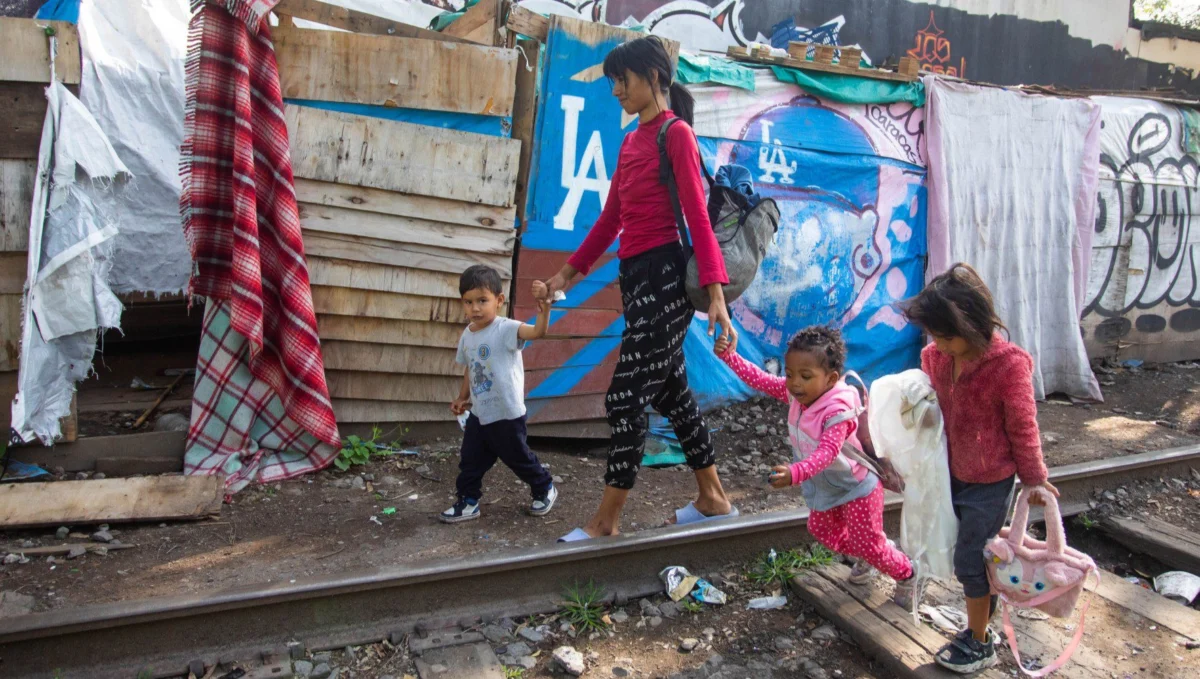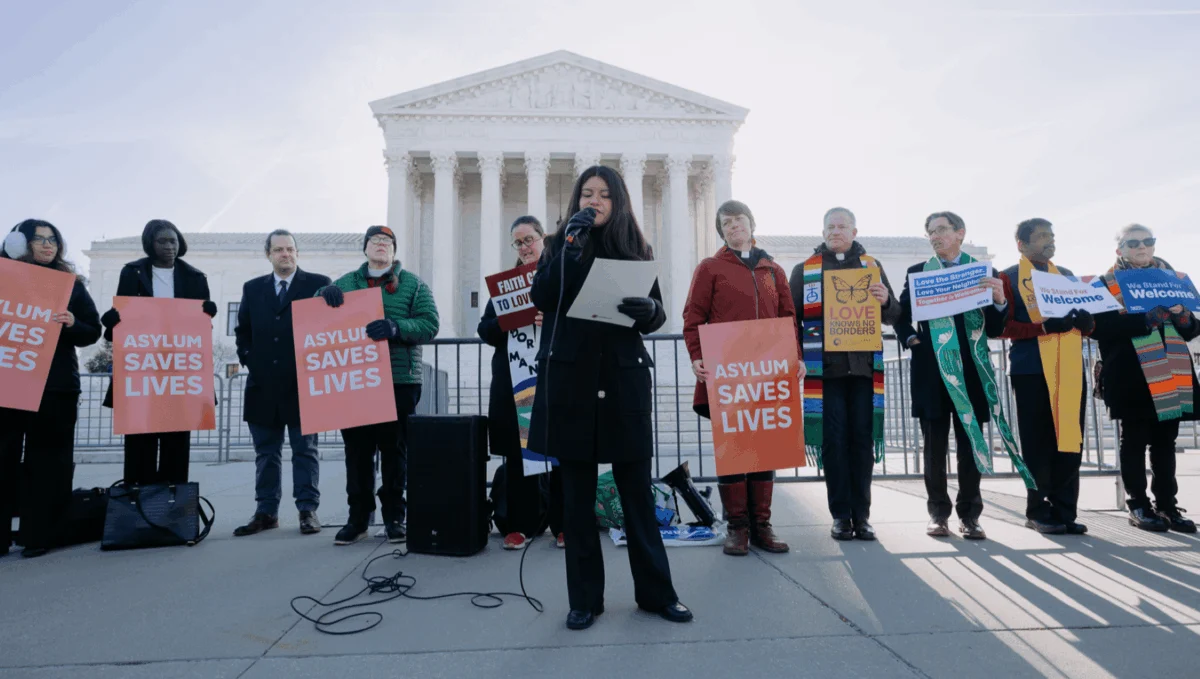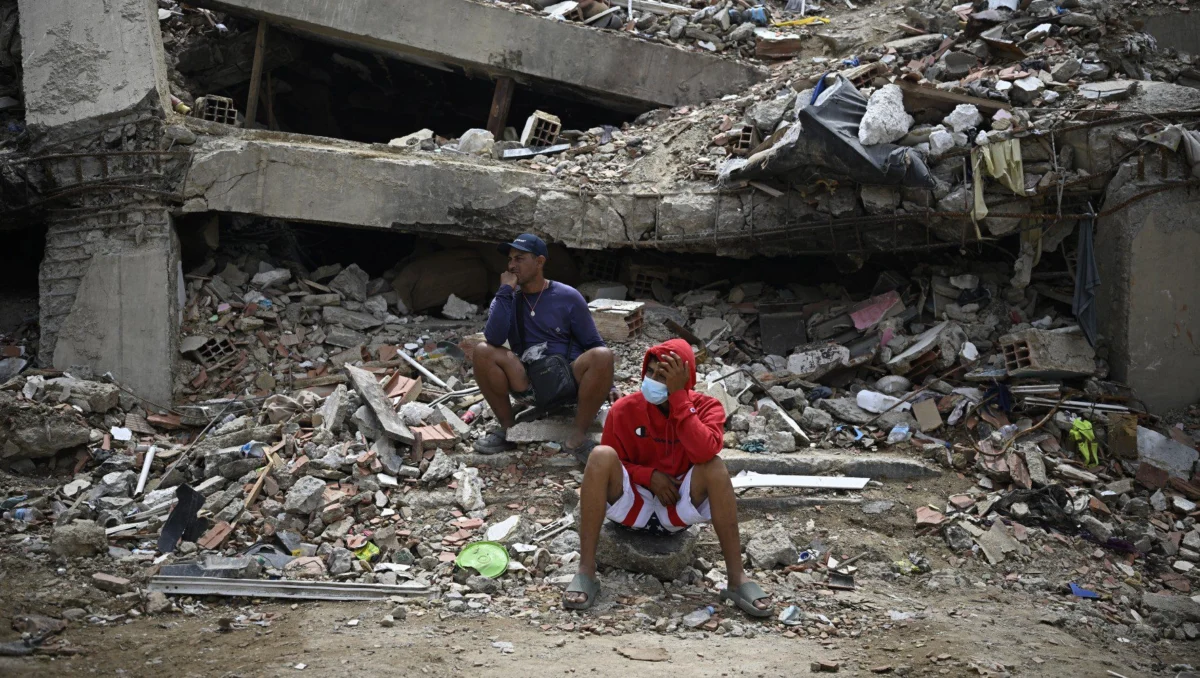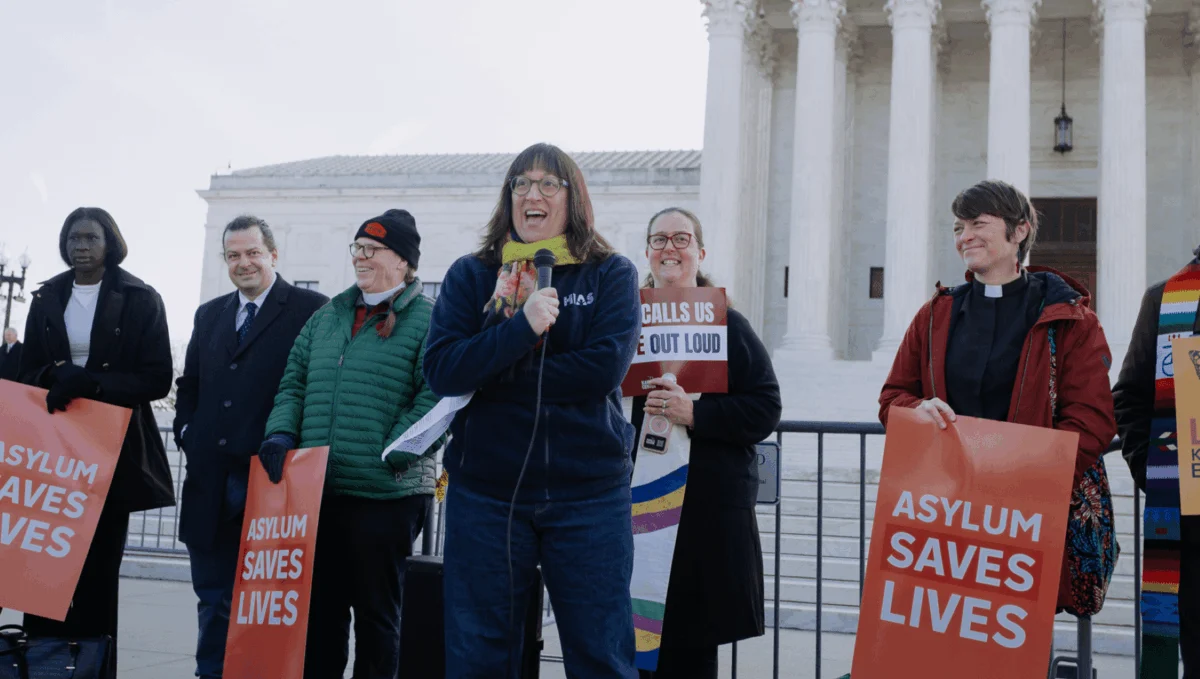
The future of Temporary Protected Status (TPS), a critical humanitarian program in the United States, hangs precariously in the balance following a recent Supreme Court decision that could strip legal status from millions of individuals. This ruling, which allows the Trump administration to proceed with terminating TPS designations for Haitians and Syrians, has sent shockwaves through communities that have relied on this program for years, raising serious concerns about potential mass deportations and the humanitarian implications for individuals fleeing crises. As of March 2025, nearly 1.3 million people from 17 designated countries were living in the U.S. under TPS, with the largest populations hailing from Venezuela, Haiti, El Salvador, and Ukraine. The program, established by Congress in 1990, offers a temporary lifeline to individuals unable to return to their home countries due to ongoing armed conflict, environmental disasters, epidemics, or other extraordinary and temporary conditions.
The implications of the Supreme Court’s June 25, 2026, decision in Mullin v. Doe are far-reaching. This ruling specifically greenlights the termination of TPS for Haitians and Syrians, potentially impacting hundreds of thousands of individuals who have built lives, established careers, and become integral parts of American communities. Beyond these two nations, seven other countries are also facing the potential loss of TPS status as their cases navigate the legal system, creating widespread uncertainty for TPS holders across the nation. This situation marks a significant shift from previous administrations, where TPS designations were often extended or expanded in response to persistent humanitarian crises.
The Genesis and Evolution of Temporary Protected Status
Temporary Protected Status was enacted as a legislative solution to address situations where individuals were temporarily unable to return home safely. The program’s core principle is to provide humanitarian protection by allowing foreign nationals to remain in the U.S. legally for a defined period, with the possibility of renewal. Eligibility for TPS requires individuals to be nationals of a country designated by the Secretary of Homeland Security, to have been continuously physically present in the U.S. since a specific date, and to meet other admissibility requirements. Importantly, TPS does not offer a direct pathway to permanent residency or citizenship, but it grants recipients the legal right to live and work in the United States, significantly contributing to their stability and the U.S. economy.
The designation of countries for TPS is a dynamic process, reviewed by the Department of Homeland Security (DHS) every six to 18 months. This regular review allows for adjustments based on evolving conditions in the designated countries. Historically, TPS has been a crucial tool for managing humanitarian crises, offering a stable framework for individuals displaced by events such as the 2010 earthquake in Haiti, the ongoing conflict in Syria, and the widespread instability in Venezuela.
A Shift in Policy Under the Trump Administration
The Trump administration has signaled a clear departure from the established practices surrounding TPS. Since January 2025, the DHS under this administration has actively moved to terminate TPS for several countries. Notably, TPS has been canceled for displaced individuals from Venezuela, Afghanistan, Cameroon, Nepal, Honduras, and Nicaragua. The Supreme Court’s recent ruling represents a significant escalation of this policy, permitting the termination of TPS for Haitians and Syrians. This aggressive stance has raised concerns among immigration advocates and human rights organizations about the administration’s commitment to humanitarian principles and international obligations.
The legal challenges leading to the Supreme Court’s decision often centered on the scope of the Attorney General’s or Secretary of Homeland Security’s authority to terminate TPS designations. Critics of the administration’s actions argue that the terminations are often based on political considerations rather than a comprehensive assessment of the ongoing dangers faced by nationals in their home countries. The continued designation of countries like Haiti, which has faced recurrent political instability and natural disasters, and Syria, still embroiled in a protracted civil war, underscores the perceived disconnect between the program’s humanitarian intent and the administration’s policy objectives.
Economic and Social Contributions of TPS Holders
The economic impact of TPS holders on the United States is substantial and often underestimated. By providing work authorization, TPS enables individuals to participate fully in the labor force, filling critical roles in various sectors of the economy. Data from FWD.us indicates that TPS holders are significantly more likely to be employed than the general population. For instance, as of recent analyses, 86% of TPS holders from El Salvador and 83% from Honduras, many of whom have resided in the U.S. for over two decades, are employed. This high labor force participation rate translates into significant contributions to the U.S. tax base.
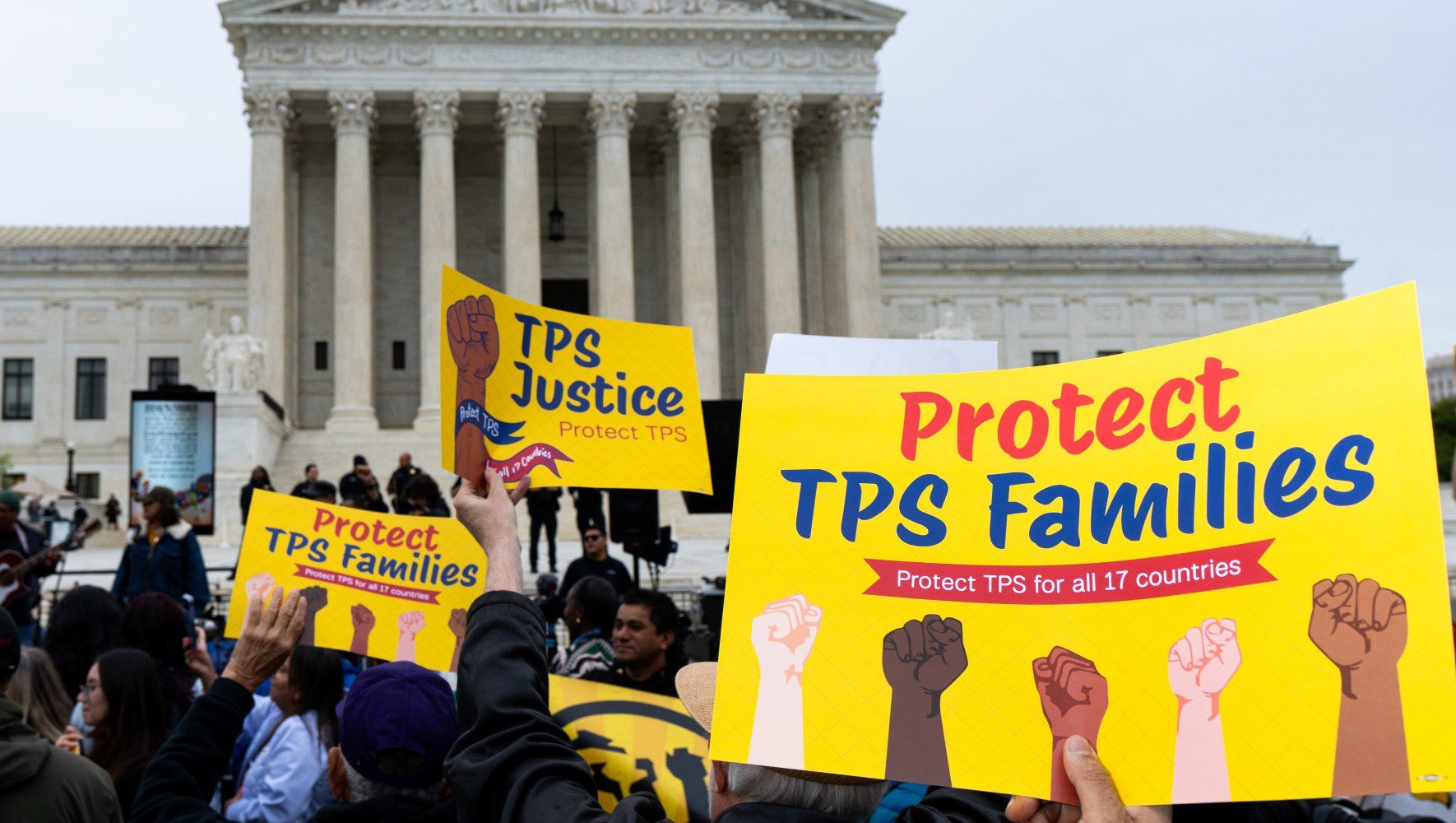
Reports estimate that TPS holders contribute approximately $7.8 billion in taxes annually and have injected over $20 billion into Social Security over the past 25 years. These financial contributions support vital public services and infrastructure, demonstrating that TPS holders are not a drain on public resources but rather active contributors to the nation’s economic well-being. Despite these contributions, a crucial aspect of the TPS program is that recipients are generally ineligible for most federally funded benefits, a fact that highlights the reciprocal nature of their integration and contribution to American society. Furthermore, many TPS holders have established deep roots in their communities, participating in local organizations, schools, and civic activities, thereby enriching the social fabric of the United States.
Broader Implications and Potential Consequences
The termination of TPS for a significant number of individuals carries profound implications. For hundreds of thousands of people, this policy change means facing the imminent threat of deportation to countries where they may encounter extreme danger, persecution, or instability. This creates a humanitarian crisis, potentially forcing individuals to undertake perilous journeys or return to environments from which they originally sought refuge.
The administration’s broader agenda of severely curtailing legal immigration pathways exacerbates this situation. With limited avenues for legal status, many TPS holders who are forced to leave the U.S. may find themselves without any legal recourse, leading to either self-deportation or entry into deportation proceedings. This outcome not only destabilizes individual lives but also undermines the United States’ moral and legal obligations to protect those fleeing violence and persecution.
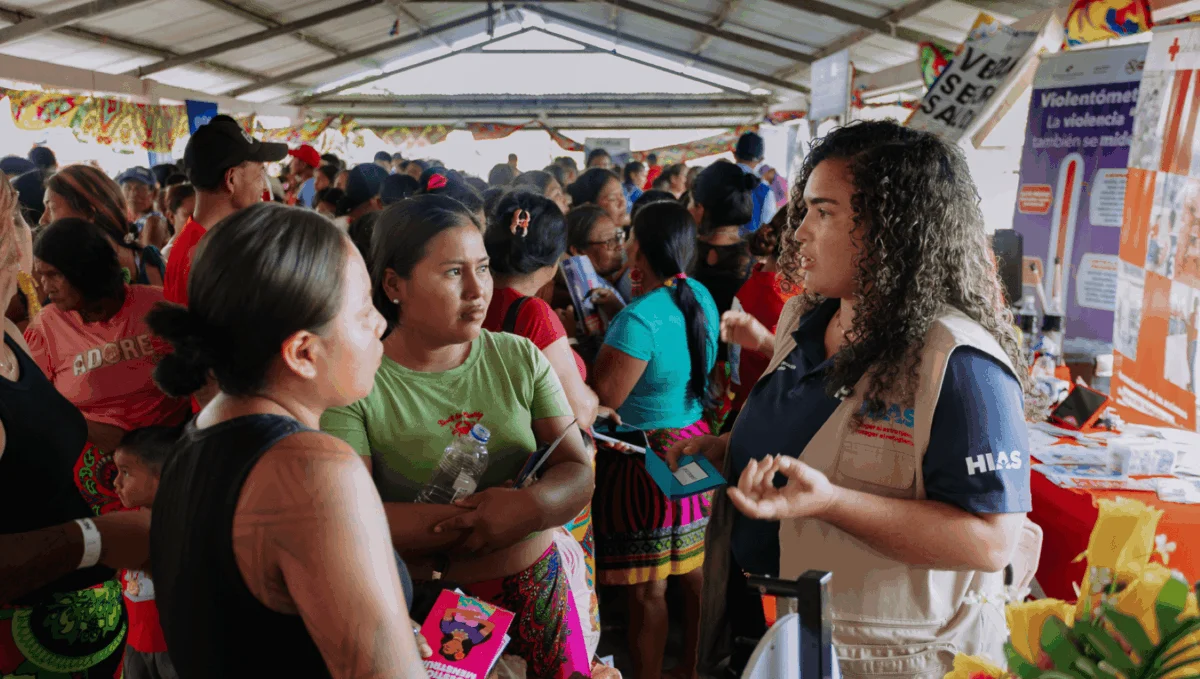
Organizations like HIAS, the world’s oldest refugee agency, have consistently advocated for the preservation of TPS, emphasizing its role as a lifesaving humanitarian program. They highlight that ending TPS would not only harm individuals and families but also diminish the United States’ standing as a global leader in humanitarian assistance. The deep roots that TPS holders have established, often over decades, in American communities mean that their departure would represent a significant loss of skilled labor, community engagement, and cultural richness.
A Timeline of Uncertainty
The journey of TPS has been marked by periods of stability and significant upheaval. Established in 1990, the program initially served as a flexible response to humanitarian emergencies. However, the frequency and intensity of policy shifts have increased in recent years.
- 1990: The Immigration Act of 1990 establishes Temporary Protected Status (TPS).
- 2010: Following a devastating earthquake, Haiti is designated for TPS, offering protection to thousands.
- January 2017: Donald Trump assumes the presidency, initiating a review of existing TPS designations.
- 2025-2026: The Trump administration begins terminating TPS for several countries, including Venezuela, Afghanistan, Cameroon, Nepal, Honduras, and Nicaragua.
- June 25, 2026: The Supreme Court rules in Mullin v. Doe, allowing the administration to proceed with terminating TPS for Haitians and Syrians.
- July 6, 2026: HIAS publishes an updated analysis of the TPS situation, highlighting the ongoing threats to the program.
This timeline illustrates a growing trend of policy retrenchment concerning TPS, creating an environment of chronic uncertainty for millions of individuals and families. The repeated renewals and subsequent terminations have made long-term planning difficult for TPS holders, impacting their ability to invest in education, housing, and their communities.
Looking Ahead: Advocacy and Future Challenges
The ongoing challenges to TPS underscore the critical need for sustained advocacy and legislative action. Immigration rights organizations and humanitarian groups are working tirelessly to educate the public and policymakers about the vital role of TPS and the devastating consequences of its termination. Efforts are underway to explore legislative solutions that could provide a more permanent pathway to stability for TPS holders, recognizing their contributions and the ongoing crises in their home countries.
The future of TPS hinges on a complex interplay of legal challenges, administrative decisions, and potential legislative reforms. As the cases for the remaining seven countries continue through the court system, the uncertainty will persist. The broader question remains: will the United States uphold its humanitarian commitments and recognize the value of individuals who have sought refuge and contributed to the nation, or will policy shifts lead to the displacement of millions and a departure from core humanitarian values? The decisions made in the coming months and years will shape the lives of countless individuals and define the nation’s approach to humanitarian protection in a rapidly changing global landscape.