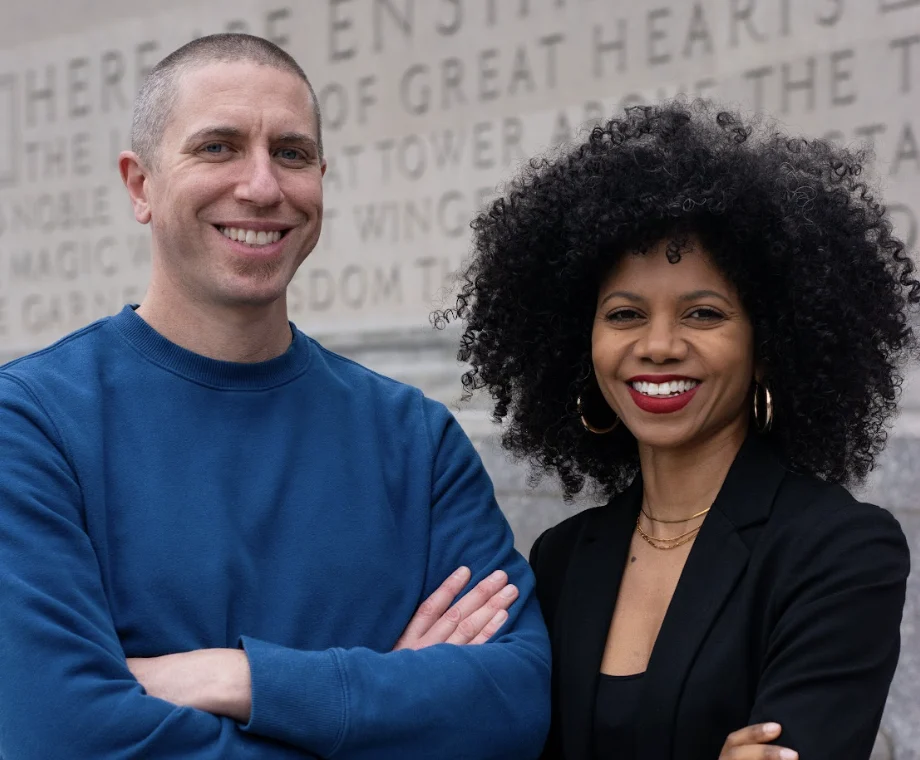
The tapestry of advocacy for Indigenous Peoples’ rights is woven with diverse threads, each representing a unique journey and profound commitment. Cultural Survival, an organization dedicated to amplifying the voices and supporting the self-determination of Indigenous communities worldwide, actively seeks to illuminate these individual narratives. Through its "Cultural Survival Spotlight" series, the organization endeavors to foster deeper community connection, offer vital solidarity to those on the front lines, and inspire a broader movement of support. This spotlight illuminates the impactful contributions and perspectives of Tabitha St. Bernard-Jacobs and Adam St. Bernard-Jacobs, committed members of Cultural Survival’s Sustainers Circle.
Tabitha St. Bernard-Jacobs, originally from Trinidad and Tobago, brings a rich background shaped by her island heritage and subsequent experiences in the United States. Her journey from the Caribbean nation, a relatively young country still navigating the lingering effects of colonization, to the bustling landscape of New York City at the age of 19, provided her with a unique lens through which to view societal structures and cultural resilience. She recalls experiencing the echoes of colonial influence in her upbringing, noting rigid educational systems and the prevalence of corporal punishment as manifestations of a lingering shadow. "There was a sense that we have our own identity and that we have our own very vibrant and beautiful culture as Trinidadians, but we’re still pretty new and still a bit in the shadow of our former colonizers," St. Bernard-Jacobs shared.
Her academic pursuits in the U.S. led her to a degree in psychology from St. Francis College in Brooklyn Heights. This was followed by impactful work with individuals with disabilities, a field that often intersects with systemic inequalities. A significant pivot in her career at age 25 saw her transition into the fashion industry, where she launched a sustainable fashion line. This venture achieved notable success, including showcasing at New York Fashion Week and distribution in stores across the nation. However, the political climate following the 2016 U.S. elections catalyzed a further shift in her professional and activist path. This period marked her deep involvement in organizing the Women’s March on Washington, an experience that has solidified her commitment to feminist organizing. With the Women’s March poised to celebrate its 10th anniversary in 2027, St. Bernard-Jacobs remains a dedicated force in this impactful movement.
Complementing her advocacy, St. Bernard-Jacobs, alongside her partner Adam, is deeply engaged in anti-racist parenting work through their initiative, Tabii Just Strategies. This work, inspired by their two children, aged 6 and 11, involves collaborating with libraries and schools to host workshops and disseminate vital information. Her insights on parenting are regularly featured in prominent publications such as Parents and Good Housekeeping, further extending her reach and influence.
Adam St. Bernard-Jacobs, born and raised in Minneapolis, Minnesota, brings a diverse geographical and intellectual background to their shared advocacy. His upbringing in a Conservative Jewish home instilled in him a foundational belief in the collective responsibility to improve the world, a principle that inherently involves critically examining and challenging inequitable systems. His academic studies in international politics, Jewish law, and conflict resolution and peace education have provided him with a robust framework for understanding global dynamics and the intricacies of social justice. Reflecting this commitment, he and his brother established a peace and arts education program in New York City, including a band for children, sharing the transformative power of music globally. In addition to his collaborative work with Tabitha, Adam continues his dedication to education, focusing on creating safer and more equitable environments for students.
Their shared journey into the Cultural Survival community began through diligent research. "We learned about Cultural Survival through research on organizations working with global Indigenous communities that are led by Indigenous People," they explained. This deliberate approach underscores their commitment to supporting Indigenous-led initiatives, recognizing the paramount importance of Indigenous voices steering their own destinies.
The core mission statement of Cultural Survival, which emphasizes envisioning a better future, deeply resonated with Tabitha and Adam. "The CS mission statement talks about envisioning the future and that really resonated with us. We have to be grounded in a vision of what we’re fighting for," they stated. This philosophical alignment highlights the organization’s focus on proactive hope and tangible future building, even amidst the challenges and injustices that fuel activist movements. "There’s actually very necessary space for rage in every movement. And there’s space for hope and for a belief in what we’re building together as a community," they added, acknowledging the complex emotional landscape of advocacy.
Tabitha St. Bernard-Jacobs’ personal connection to Indigenous heritage, stemming from her upbringing in Trinidad and Tobago, further strengthens her commitment. She reminisced about frequent visits to Lopinot, a local Indigenous community site, where she learned about the native heritage of the island. While the childhood connections between Indigenous peoples in Trinidad and those across the globe were not fully grasped then, this experience now informs her desire to impart a sense of global connection regarding Indigenous rights to her children and the families she teaches.
The cause of advocating for Indigenous Peoples’ rights and supporting their self-determination is intrinsically linked to their broader anti-racism work. "When we’re doing anti-racism work, whether it’s through parenting or organizing, we work to recognize not just the land that we live on, but also how white supremacy tries to erase Indigenous cultures while seeking to frame Indigenous causes and communities as in the past," they articulated. Their approach emphasizes viewing Indigenous self-determination not as a historical footnote or an isolated event, but as an integral and ongoing component of contemporary anti-racism efforts. This includes embedding these discussions within conversations about respect for the land and understanding national histories.
Their newsletter, "Raising Antiracist Kids," has featured contributions from individuals within the Cultural Survival network, demonstrating a tangible collaboration. Furthermore, Tabii Just Strategies prominently lists Cultural Survival as a recommended organization for donations, illustrating a commitment to channeling resources towards effective Indigenous-led initiatives. Their decision to become Sustainers Circle members signifies a deep-seated belief in the power of consistent financial support to enable Indigenous organizations to continue their vital work. The Sustainers Circle, composed of dedicated donors providing recurring gifts, plays a crucial role in bolstering the resilience and self-determination of Indigenous communities globally.
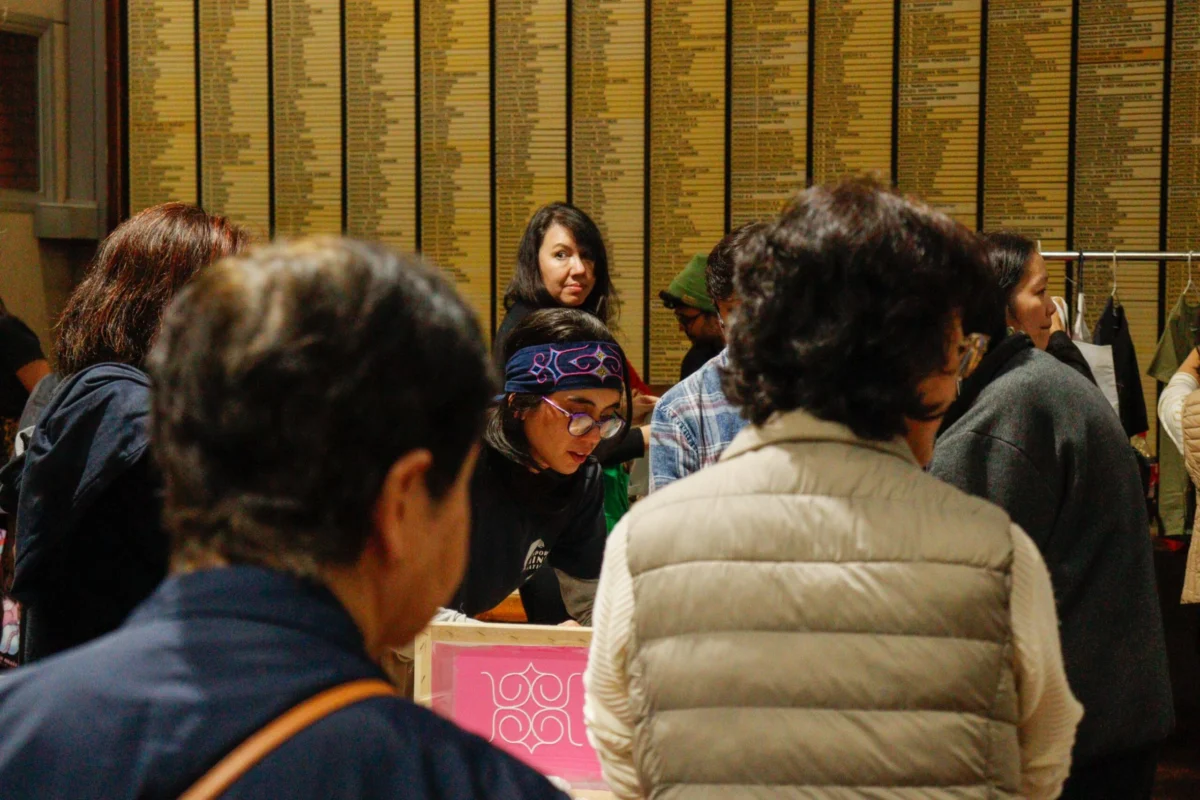
When asked about specific connections to Cultural Survival’s programs, Tabitha expressed a particular interest in the organization’s written content due to her background as a writer. She also highlighted the crucial role of Cultural Survival’s radio programs, noting their accessibility and free nature, which are invaluable for communities with limited or unreliable internet access. The prospect of attending one of Cultural Survival’s bazaars is also an anticipated future engagement.
Their appreciation for Cultural Survival extends to the organization’s openness to collaboration with non-Indigenous allies. "Cultural Survival has a willingness to experiment with support from non-Indigenous people like us, which we are grateful for," they stated. This openness fosters a dynamic of shared learning and collaborative problem-solving. They noted, "There is an openness to figuring it out together – an openness to the messiness." This philosophy of embracing imperfection and focusing on repair, a cornerstone of their anti-racist parenting work, mirrors the approach of Cultural Survival. They highlighted specific instances of collaborative learning, such as the article series and advocacy efforts around Missing and Murdered Indigenous Women and Girls (MMIWG) Day, which were integrated into Women’s March initiatives. This ability to engage in a "learning journey" with an organization that "guides with a compassionate hand" has been profoundly impactful for them.
The implications of this sustained support and collaborative spirit are far-reaching. By empowering Indigenous communities to lead their own development, Cultural Survival, with the backing of its Sustainers Circle members like the St. Bernard-Jacobs, contributes to a more equitable global landscape. The organization’s commitment to fostering self-determination directly addresses historical injustices and ongoing challenges faced by Indigenous Peoples, including land rights, cultural preservation, and political representation. Data from various international bodies, such as the United Nations Permanent Forum on Indigenous Issues, consistently underscore the disproportionate impacts of environmental degradation, economic exploitation, and political marginalization on Indigenous populations worldwide. Organizations like Cultural Survival, through their direct partnerships and advocacy, are critical in mitigating these impacts and promoting Indigenous-led solutions.
The approach of integrating Indigenous rights into broader social justice movements, as exemplified by the St. Bernard-Jacobs’ work, is a crucial analytical step. Recognizing the historical and ongoing connections between Indigenous dispossession and other forms of systemic oppression, such as racism and colonialism, allows for a more comprehensive and effective approach to achieving liberation. This integrated perspective challenges the tendency to silo social justice issues, instead promoting a holistic understanding of interconnected struggles.
The continued dedication of individuals like Tabitha St. Bernard-Jacobs and Adam St. Bernard-Jacobs, through their financial contributions and active engagement, is fundamental to the sustainability of organizations like Cultural Survival. Their commitment underscores the growing recognition that the fight for Indigenous Peoples’ rights is not only a matter of justice for Indigenous communities but a vital component of building a more just and sustainable future for all. As the world grapples with complex global challenges, the insights and leadership of Indigenous Peoples, supported by a network of engaged allies, offer essential pathways toward healing and collective progress.
The Sustainers Circle, as a foundational element of Cultural Survival’s operational capacity, provides the consistent financial resources necessary for long-term project development, emergency response, and advocacy efforts. Membership in this circle signifies a profound commitment to the ongoing empowerment of Indigenous Peoples, enabling them to safeguard their cultures, languages, and ancestral lands for generations to come.