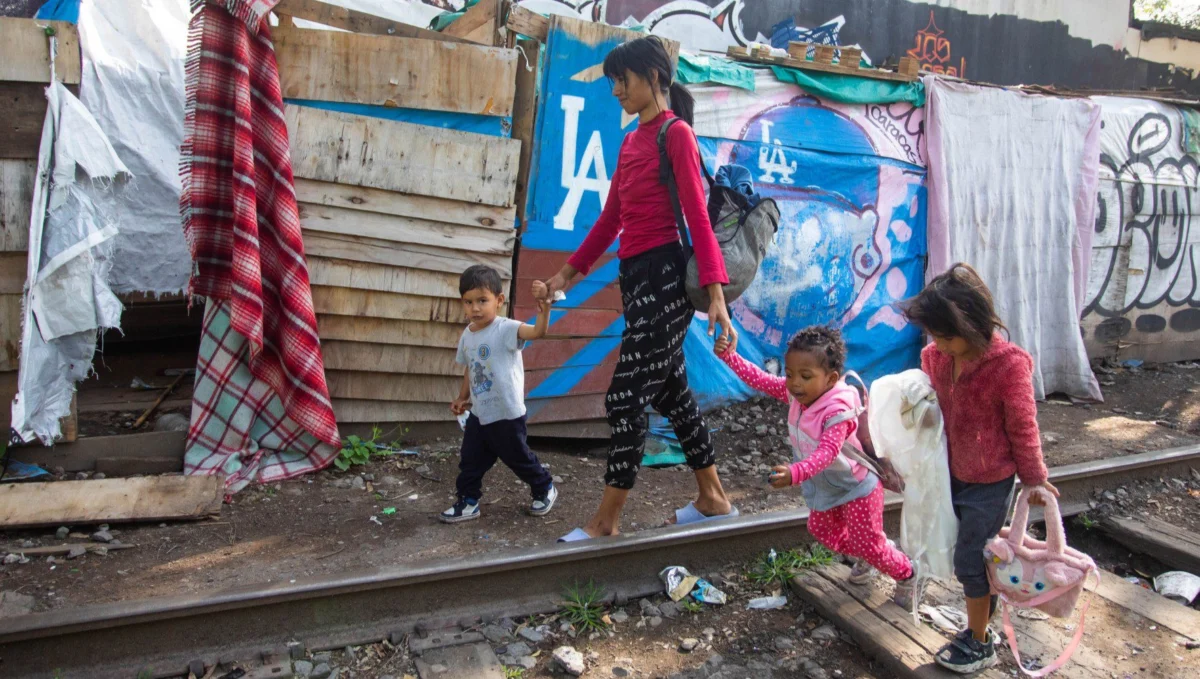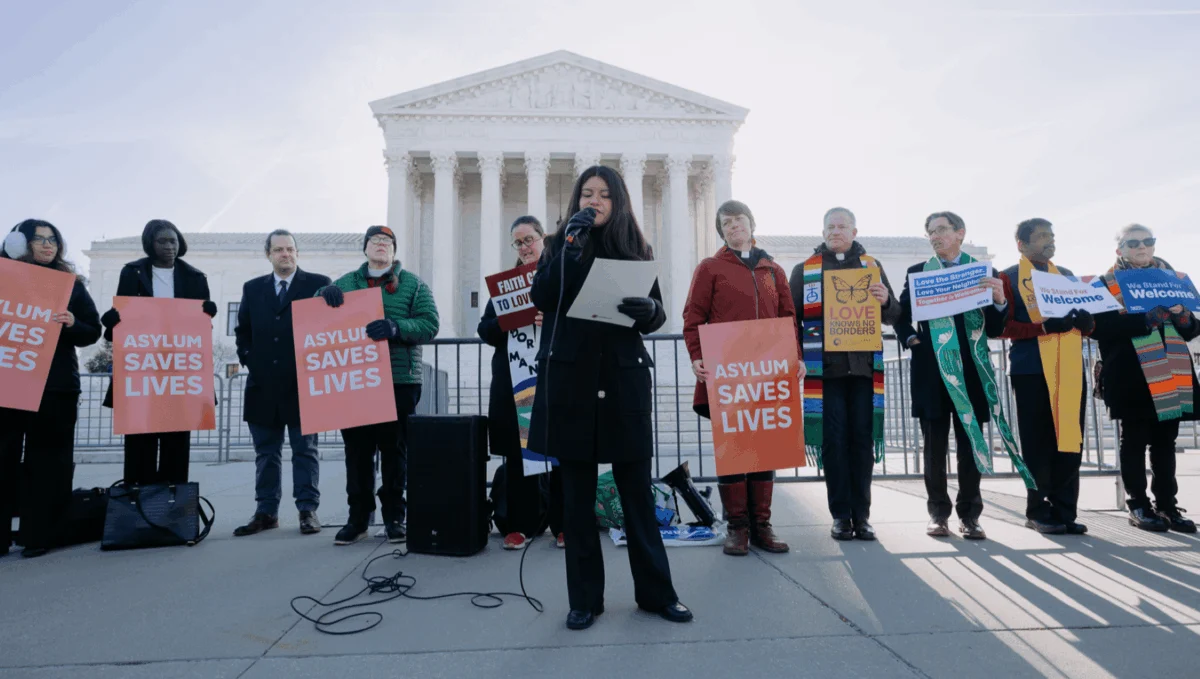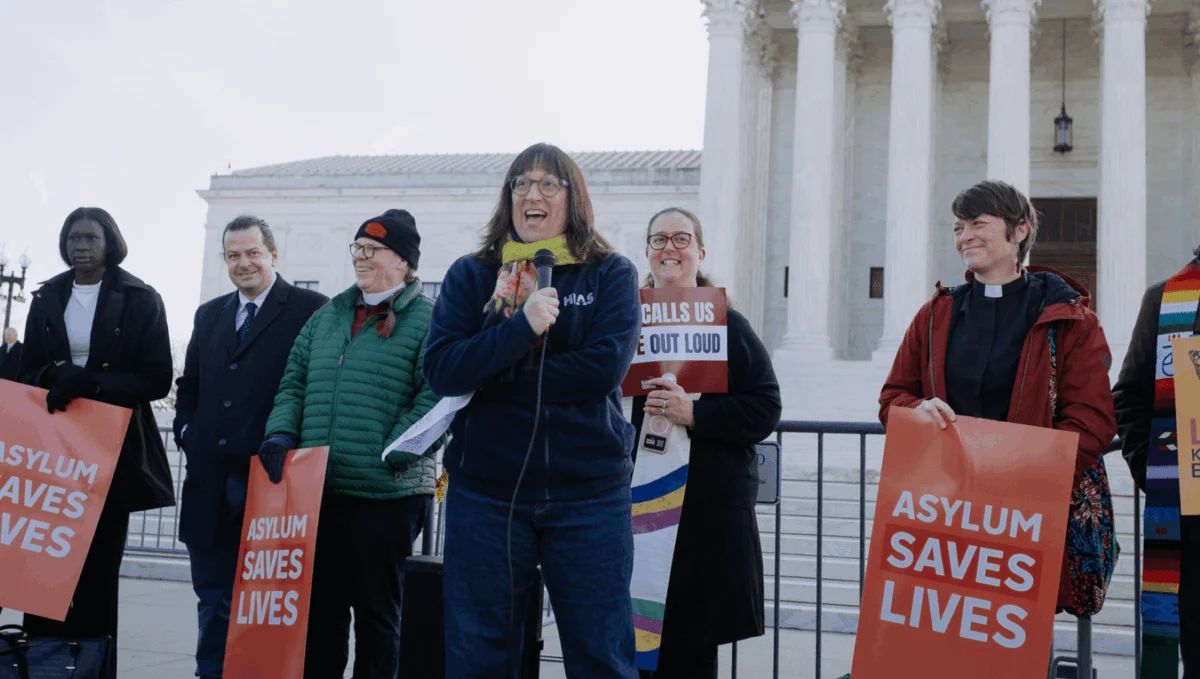
The Supreme Court’s recent decision on June 25, 2026, allowing the Trump administration to proceed with terminating Temporary Protected Status (TPS) designations for Haitians and Syrians marks a critical juncture for humanitarian protection in the United States. This ruling potentially jeopardizes the legal status of approximately 1.3 million individuals from 17 designated countries, many of whom have established deep roots and contributed significantly to American society for years, even decades. The decision casts a long shadow over the future of a vital humanitarian program designed to offer temporary refuge to those unable to safely return to their homelands due to overwhelming crises.
Understanding Temporary Protected Status (TPS)
Established by Congress in 1990, Temporary Protected Status (TPS) is a congressionally mandated humanitarian program that provides temporary work authorization and protection from deportation to individuals from designated countries experiencing severe and temporary disruptions. These disruptions can include ongoing armed conflict, natural disasters like earthquakes or hurricanes, epidemics, or other extraordinary and temporary conditions that would make a safe return impossible. The program is not a pathway to permanent residency or citizenship, but it offers a crucial lifeline, granting lawful status to individuals who would otherwise face deportation to dangerous situations. The Department of Homeland Security (DHS) reviews TPS designations for each country every six to 18 months to determine if the conditions necessitating the designation have abated.
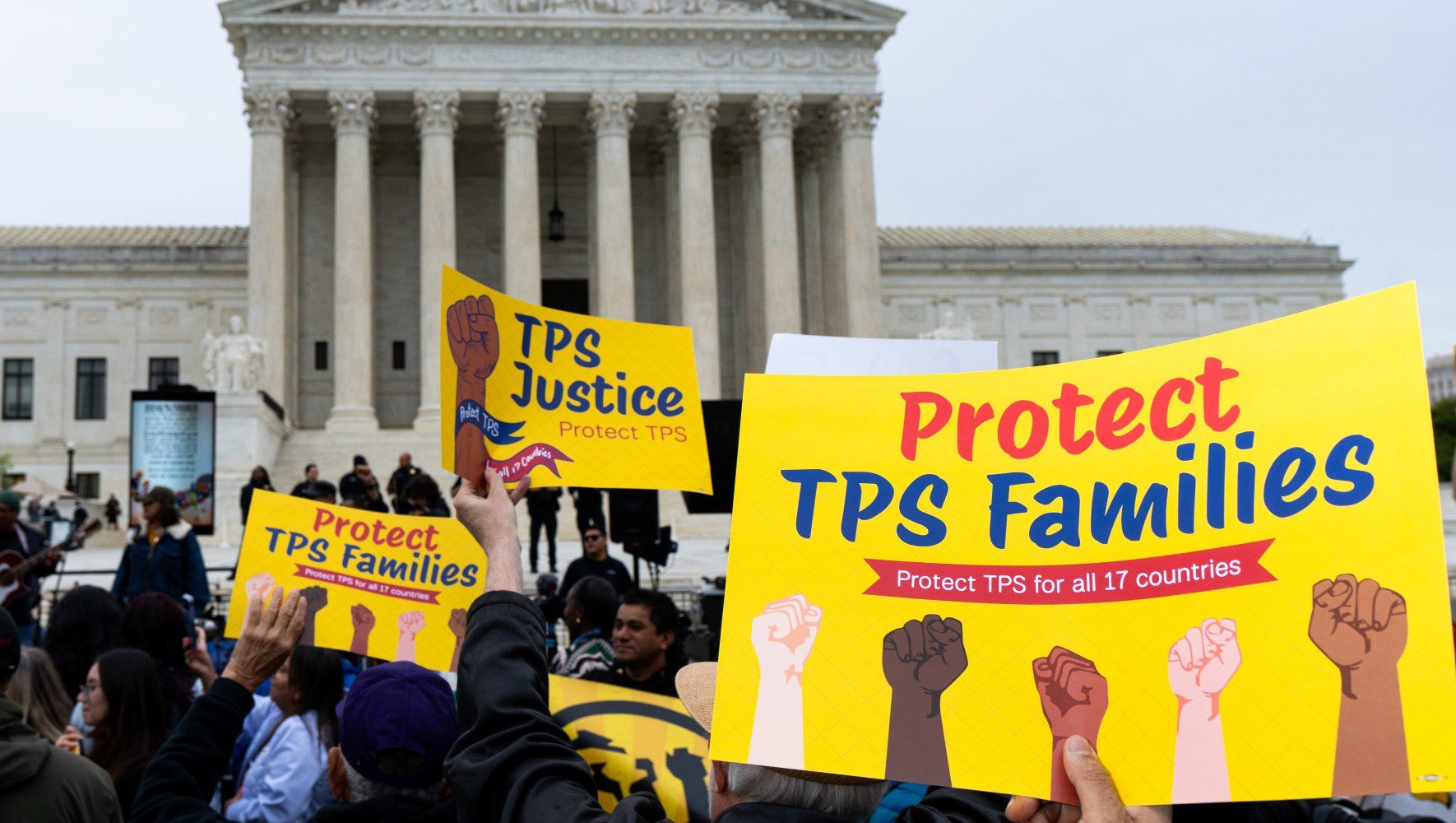
As of March 2025, the United States provided TPS to nearly 1.3 million people hailing from 17 countries. The largest populations of TPS holders at that time were from Venezuela, Haiti, El Salvador, and Ukraine, nations grappling with profound and persistent instability. The program’s effectiveness lies in its ability to offer a stable environment for individuals to rebuild their lives, contribute to their communities, and await conditions that would allow for a safe return to their home countries.
A Shifting Landscape Under the Trump Administration
The trajectory of TPS has been significantly altered since President Trump took office in January 2025. The Department of Homeland Security (DHS) has systematically moved to terminate TPS for several countries, including Venezuela, Afghanistan, Cameroon, Nepal, Honduras, and Nicaragua. These cancellations have already placed hundreds of thousands of individuals at risk of deportation to countries facing severe challenges.
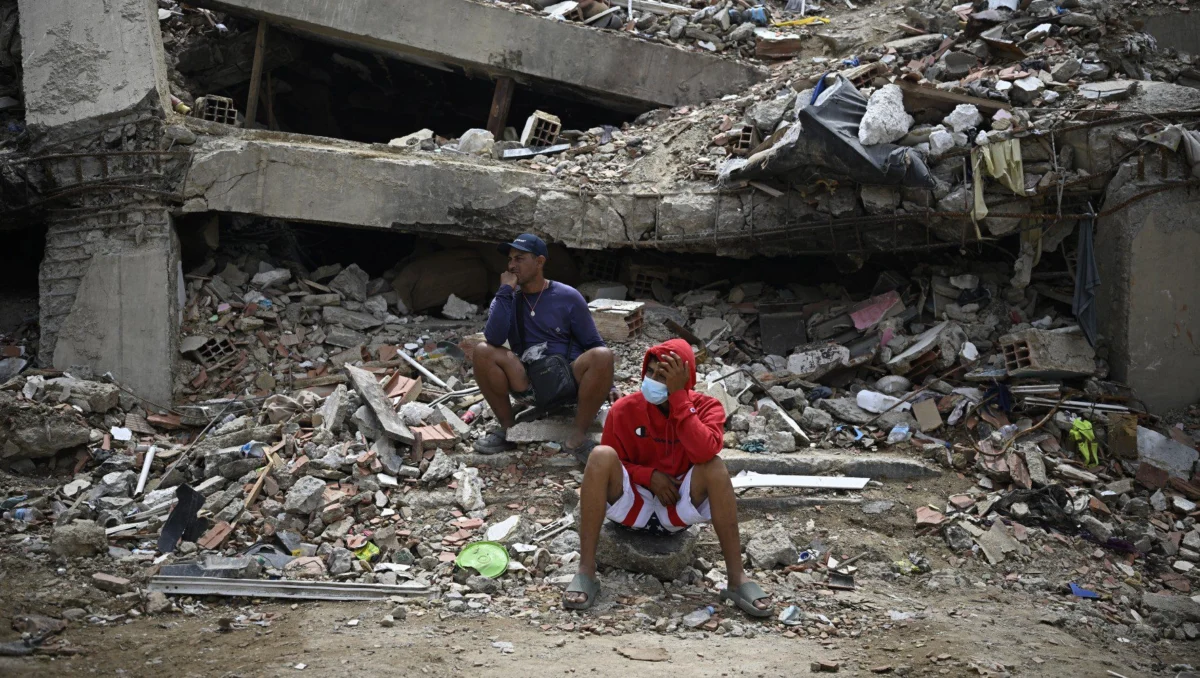
The Supreme Court’s recent ruling specifically targets TPS for Haiti and Syria. This decision comes despite ongoing and dire humanitarian crises in both nations. Haiti continues to contend with widespread gang violence, chronic food insecurity, and a severely damaged infrastructure following years of political instability and natural disasters. Similarly, Syria remains embroiled in a devastating, protracted conflict that has displaced millions, destroyed vast swathes of the country, and created an ongoing humanitarian catastrophe. The potential deportation of individuals from these countries raises significant concerns about their safety and well-being.
The implications of this ruling extend beyond Haiti and Syria. The legal challenges that led to the Supreme Court’s decision in Mullin v. Doe could pave the way for the termination of TPS for an additional seven countries as similar cases wind their way through the judicial system. This creates a climate of profound uncertainty for TPS holders across the nation.
The Human and Economic Impact of TPS Termination
The termination of TPS carries profound implications for both the individuals directly affected and the broader U.S. economy and society. TPS holders are not simply temporary residents; many have lived in the United States for years, even decades. They have built lives, raised families, and become integral parts of their communities. For some, the United States is the only home they have known as adults, or even their entire lives.
Economic Contributions of TPS Holders:
Contrary to common misconceptions, TPS holders are significant economic contributors to the United States. They are authorized to work legally, and a substantial majority are employed, often in critical sectors of the economy. Data indicates that TPS holders fill essential roles in industries such as healthcare, construction, hospitality, and agriculture. For example, a significant percentage of TPS holders from El Salvador and Honduras, who have resided in the U.S. for over two decades, are employed.
Furthermore, TPS holders contribute billions of dollars annually in taxes. Estimates suggest they pay approximately $7.8 billion in taxes each year and have contributed over $20 billion to Social Security over the past 25 years. These financial contributions support public services, infrastructure, and social programs that benefit all Americans. Notably, despite their significant tax contributions, TPS holders are generally not eligible for most federally funded benefits, highlighting their net positive fiscal impact.
Community Integration and Social Fabric:
Beyond their economic contributions, TPS holders are deeply integrated into the social fabric of their communities. They participate in local organizations, volunteer in schools, and engage in civic activities. Their presence enriches cultural diversity, strengthens community bonds, and contributes to the vibrant tapestry of American society. Uprooting these individuals and sending them back to countries facing severe crises not only disrupts their lives but also weakens the communities they have helped build.
Legal and Humanitarian Obligations
The concept of Temporary Protected Status is rooted in humanitarian principles and reflects a commitment to international norms regarding the protection of individuals fleeing dire circumstances. The program’s existence acknowledges that in times of extreme crisis, countries have a moral and, in some cases, legal obligation to offer refuge to those in need.
The termination of TPS for countries like Haiti and Syria, which are experiencing ongoing, severe humanitarian crises, raises questions about the United States’ adherence to these principles. Critics argue that deporting individuals to countries with widespread violence, extreme poverty, and collapsed infrastructure constitutes a violation of humanitarian obligations and could place these individuals in grave danger.
Analysis of the Supreme Court’s Decision
The Supreme Court’s ruling in Mullin v. Doe focused on the administrative procedures and legal authority of the Executive Branch in terminating TPS designations. While the court’s decision did not delve into the humanitarian merits of protecting individuals from specific countries, it affirmed the administration’s power to end the program under existing legal frameworks. This interpretation of administrative authority has far-reaching implications for the future of immigration policy and humanitarian protections.
The ruling suggests that the Trump administration can proceed with its plan to dismantle TPS protections, even in the face of documented ongoing crises in designated countries. This could set a precedent for future administrations to similarly curtail or eliminate humanitarian programs based on administrative discretion rather than a comprehensive assessment of global conditions.
The Path Forward and Advocacy Efforts
With the Supreme Court’s decision clearing a path for the termination of TPS for Haitians and Syrians, the future for hundreds of thousands of individuals remains uncertain. The Trump administration has signaled its intention to end these protections, and it is anticipated that DHS will revoke or allow additional country designations to expire. This action, coupled with a broader curtailment of legal immigration avenues by the administration, leaves many TPS holders with few options for legally remaining in the United States.
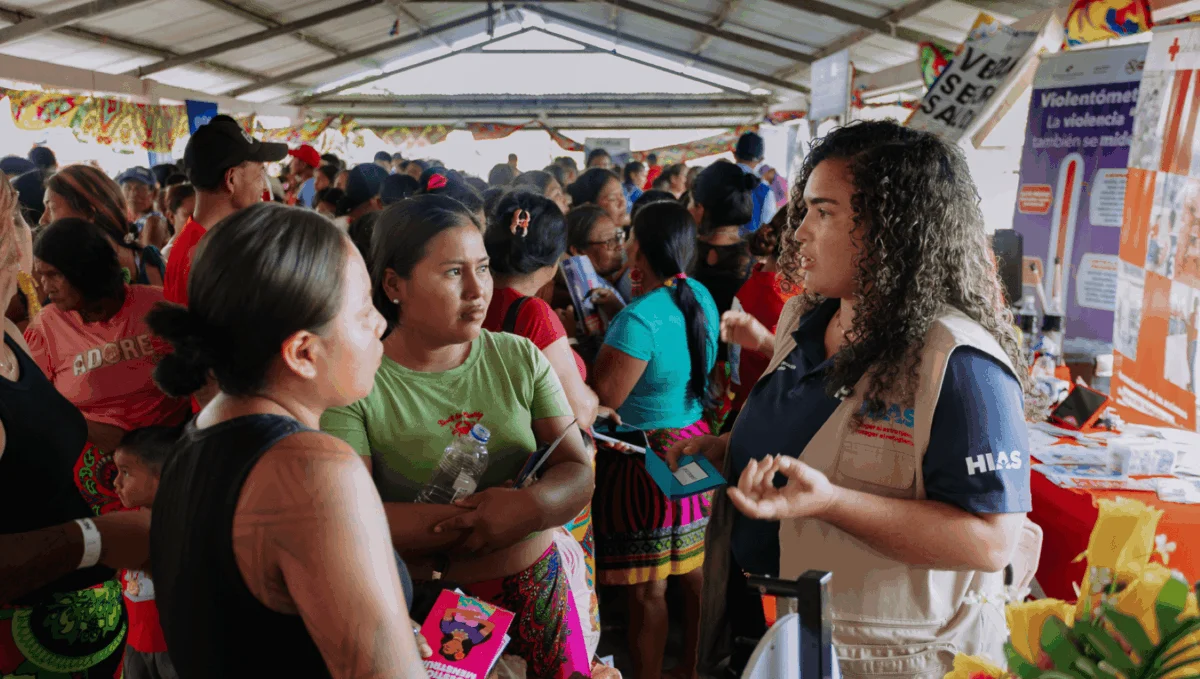
Organizations like HIAS (Hebrew Immigrant Aid Society) have been vocal advocates for TPS holders. As the world’s oldest refugee agency, HIAS has pledged to continue its advocacy efforts, emphasizing the importance of upholding humanitarian principles and supporting vulnerable populations. The organization’s stance is that regardless of political administrations, the commitment to protecting refugees and those fleeing persecution must remain paramount.
The potential consequences of ending TPS are stark: widespread deportations, family separations, and the return of individuals to potentially life-threatening situations. The termination of these protections not only harms individuals but also undermines the United States’ role as a beacon of humanitarianism and a signatory to international agreements concerning refugees and human rights.
The ongoing legal battles and policy shifts surrounding TPS highlight a critical debate about the balance between national sovereignty, immigration enforcement, and humanitarian responsibility. As the situation unfolds, the focus remains on the human cost of these policy decisions and the imperative to find humane and sustainable solutions for individuals caught in the crossfire of political and humanitarian crises. The coming months will be crucial in determining the fate of TPS holders and the future of humanitarian protection in the United States.