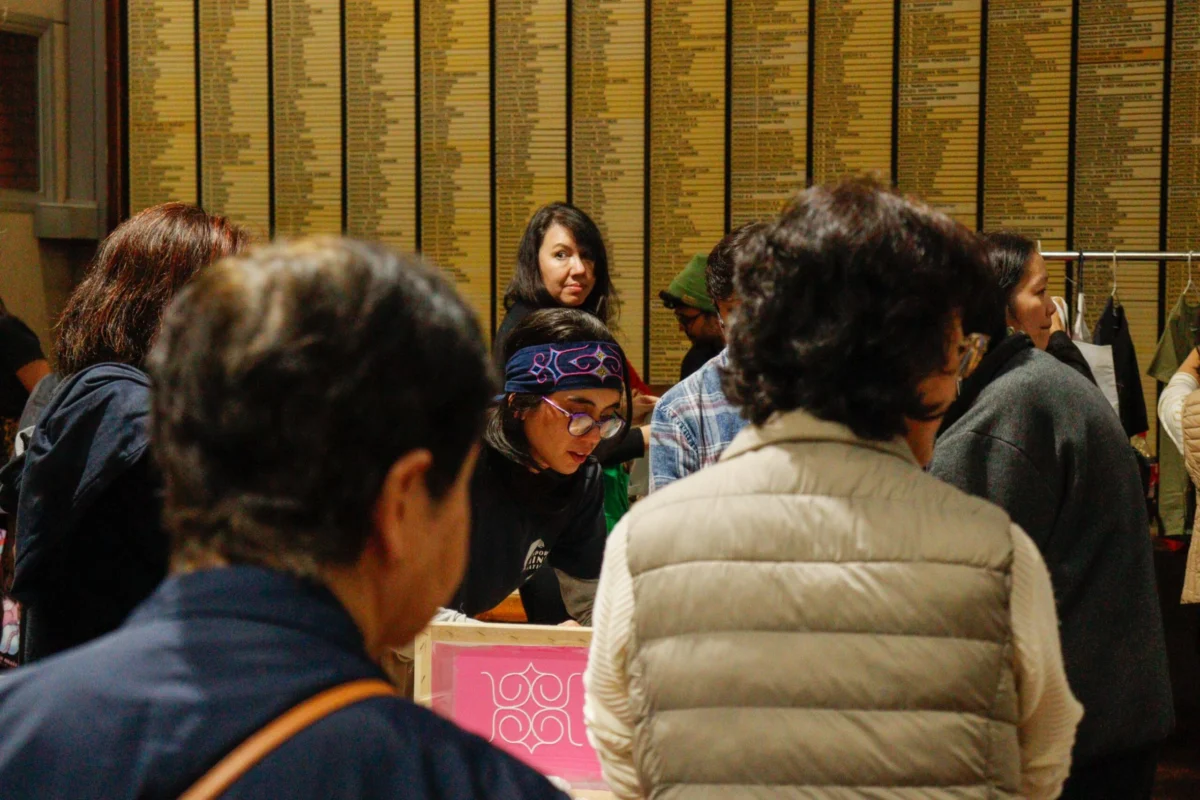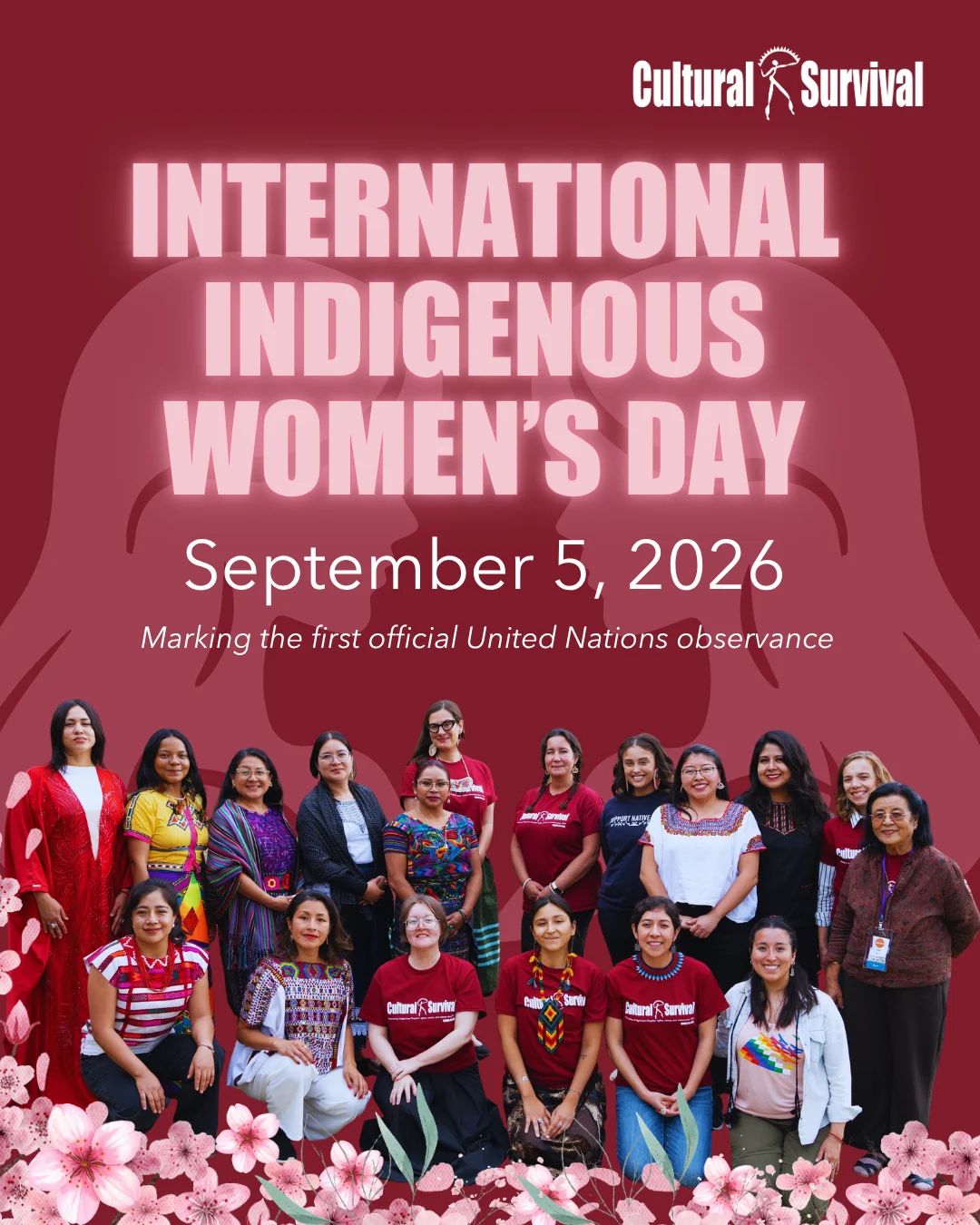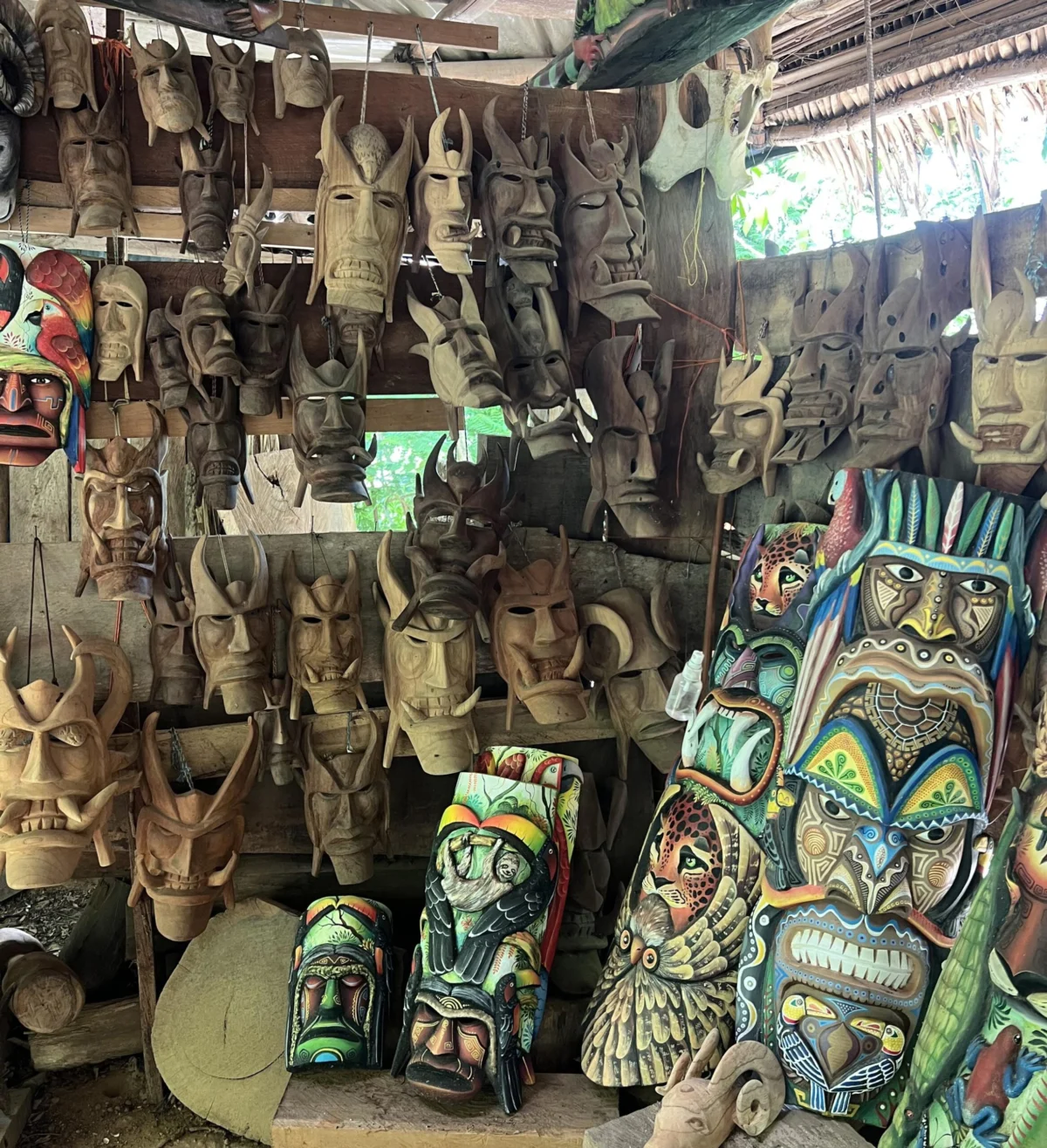
The upcoming Cultural Survival Bazaars in Tiverton and Providence, Rhode Island, are set to transform into vibrant epicenters of Indigenous culinary traditions, offering attendees an immersive experience that transcends mere sustenance. Beyond a marketplace, these events are a profound celebration of food as a cornerstone of Indigenous identity, a powerful tool for resistance against colonial erasure, and a vital expression of cultural sovereignty. The Bazaars, scheduled for [Insert specific dates and times if available, otherwise refer to "this summer"], will feature a diverse array of Indigenous and allied food vendors, each bringing their unique heritage and culinary artistry to the forefront.
The philosophy underpinning these events is deeply rooted in the understanding that for Indigenous Peoples, food is far more than nourishment. It is a conduit to ancestral knowledge, a symbol of community strength, and a tangible manifestation of resilience. As Argentine poet Armando Tejada Gómez eloquently stated, "In your hands, grandmother, cook of the world, things suddenly become magical." This sentiment resonates profoundly within Indigenous communities, where the act of preparing and sharing food is imbued with spiritual significance and historical continuity. The cultivation of land, the sacredness of seeds, the collaborative spirit of community, and the ongoing advocacy for land rights and cultural preservation are all intrinsically linked to the food systems that sustain Indigenous Peoples. Chef Leo Cordier of the Lakota Nation powerfully articulates this enduring spirit: "We are alive and still here, ready to share a great food experience for the modern palate." This statement encapsulates the dual mission of the Bazaars: to honor ancestral traditions while embracing contemporary engagement.
The Cultural Survival Bazaars have a long-standing history of championing Indigenous artisans and cultural expressions. Founded in [Insert year of founding if known, otherwise state "decades ago"], Cultural Survival has consistently worked to support Indigenous Peoples’ rights and promote their cultures through various initiatives, with the Bazaars serving as a flagship event. These gatherings provide direct economic opportunities for Indigenous vendors, allowing them to share their crafts and cultural practices with a wider audience while fostering a sense of global Indigenous solidarity. This summer’s Bazaars in Rhode Island continue this tradition by highlighting the critical role of food in maintaining cultural integrity and promoting self-determination.
A Gastronomic Tapestry of Resilience and Tradition
This summer’s culinary lineup at the Tiverton and Providence Bazaars is a testament to the rich diversity of Indigenous and allied foodways. Among the featured vendors is Chef Sherry Pockett of the Mashpee Wampanoag Nation, bringing her renowned expertise from Sly Fox Den. Chef Leo Cordier, representing the Lakota Nation, will present his innovative culinary project, Buffalo Jump NYC, which aims to reinterpret Indigenous flavors for a contemporary audience.
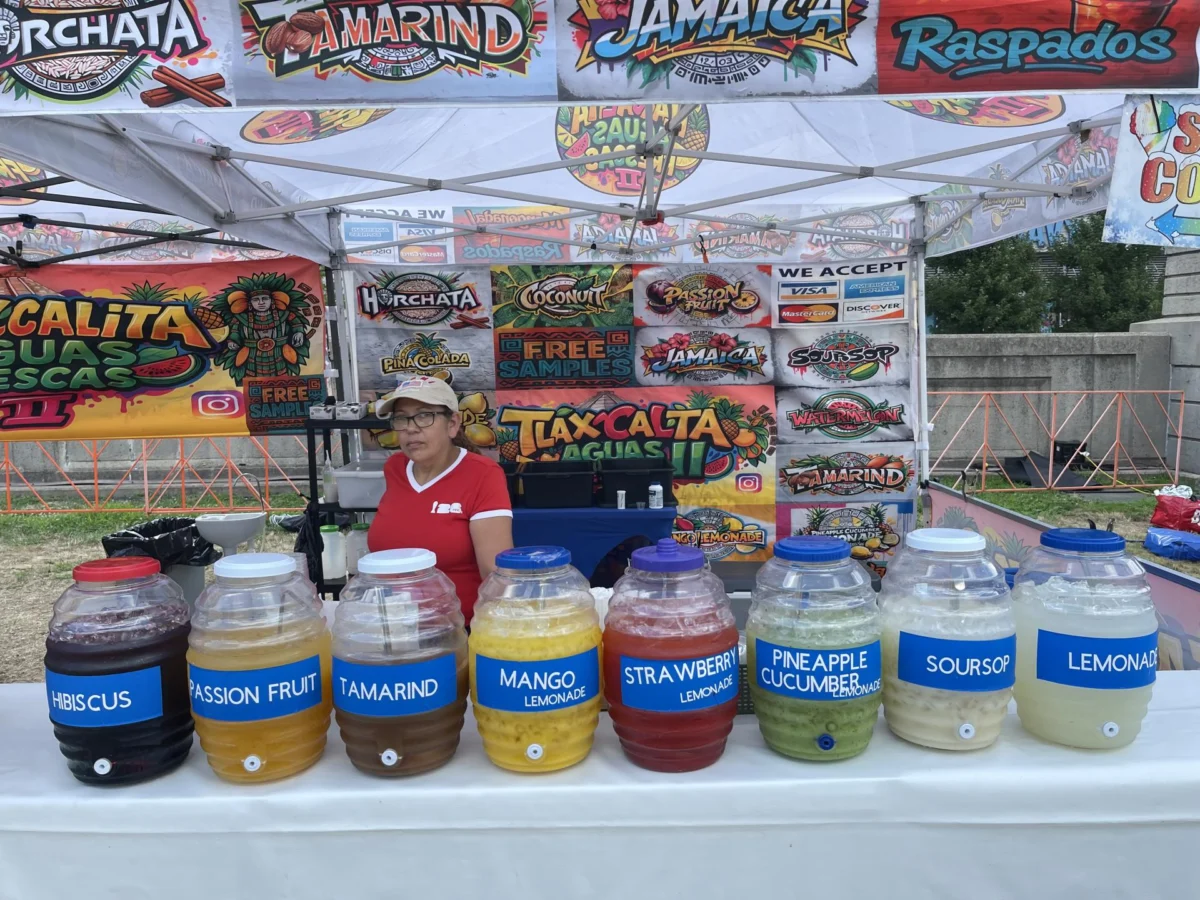
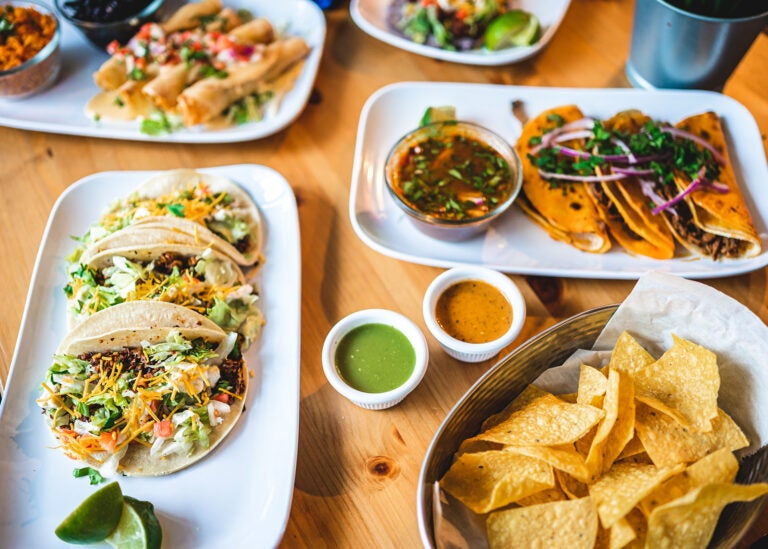
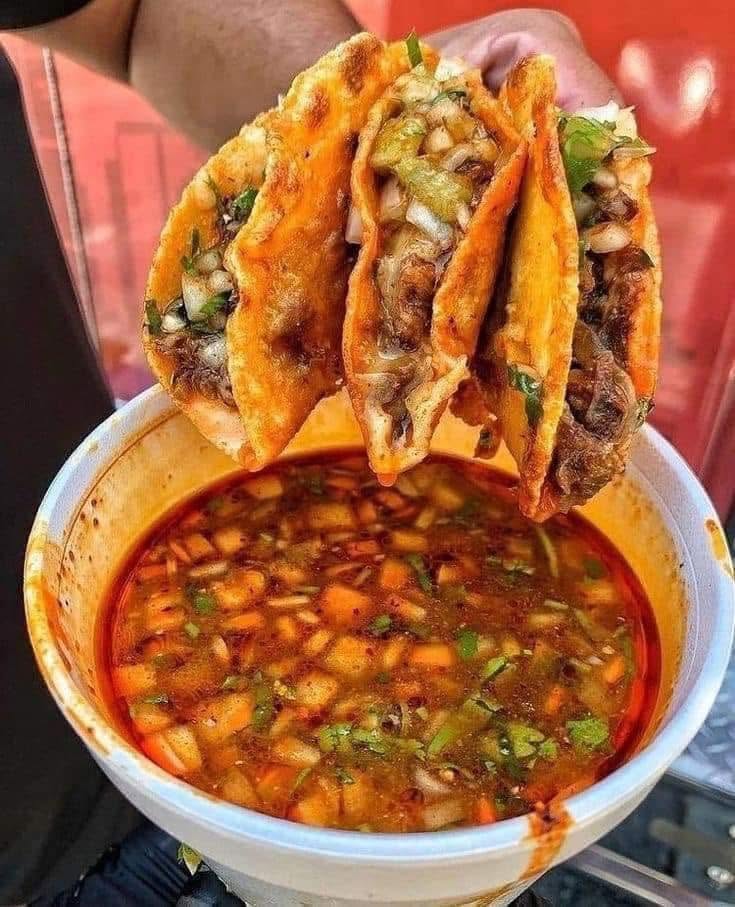
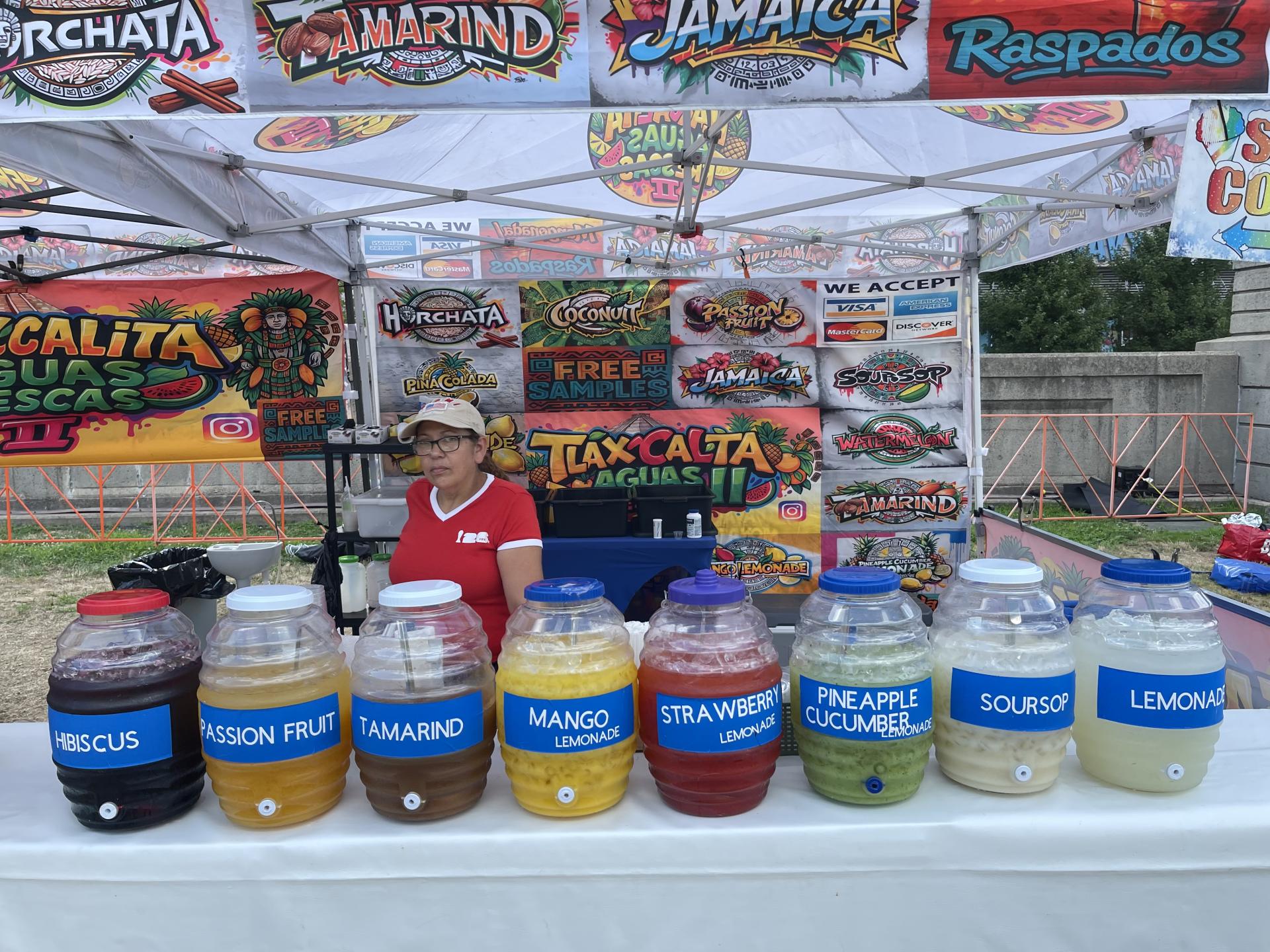
The Bazaars will also showcase the vibrant Latinx culinary landscape through an impressive contingent of vendors. Tapatía Mexican Food, Casa Azul Taqueria, Don Quintín Asado, and Aguas Frescas Tlaxcalita will offer a taste of authentic Mexican and Argentinian traditions, highlighting the deep connections between food, heritage, and hospitality. Furthermore, the presence of Afghan Women Catering will introduce collaborative dishes born from cherished family recipes, demonstrating the universal language of food and its capacity to foster intercultural understanding and support.
The inclusion of these diverse culinary voices underscores a fundamental aspect of the Bazaars: food as a powerful vehicle for community celebration. "We want you to be part of our gathering," the organizers emphasize, inviting the public to immerse themselves in the warmth and richness of these shared culinary experiences. Each vendor brings not only their culinary skills but also a profound connection to their ancestral lands and traditions. As Aguas Frescas Tlaxcalita promises, "every cup will be made with passion, authenticity, and care," while Tapatía Mexican Food shares their aspiration: "in every plate we want to share a little bit of our tradition and hospitality." These statements reflect a deep commitment to cultural exchange and genuine connection through food.
Food as a Bridge to Ancestors and Identity
The act of preparing and consuming food at the Bazaars serves as a profound reconnection with ancestral roots and territorial flavors. Food nourishes not only the body but also the spirit, offering a tangible link to those who came before and those who continue to sustain Indigenous lifeways. This connection is multifaceted: it can manifest as ritual offerings, a form of reciprocity, or a powerful reminder of origins.
Buffalo Jump NYC articulates this concept with nuance, stating that each plate "reflects both historical and living food traditions." They acknowledge the complex history of certain dishes, such as frybread, which emerged from periods of hardship and forced displacement. However, their approach emphasizes a conscious and contextualized presentation, alongside a commitment to elevating pre-colonial foods and advocating for food sovereignty. This perspective highlights the adaptive nature of Indigenous culinary traditions, which have persevered and evolved despite historical challenges.
The Cultural Survival Bazaars, by their very nature, are a celebration of the vitality and diversity of Indigenous Peoples worldwide. They provide an ideal platform to showcase the myriad of flavors, ingredients, cooking techniques, and traditions that define these vibrant cultures. This exchange fosters a deeper appreciation for the complexities and richness of Indigenous food systems, challenging monolithic perceptions and celebrating the unique contributions of each vendor and community.
The Temporal and Territorial Significance of Culinary Practices
The Bazaars also serve as a crucial space for reflecting on the relationship between food, memory, and time. In an era often characterized by rapid consumption and disconnection from food sources, the meticulous process of slow cooking and the careful selection of ingredients become acts of remembrance and resistance. The journey of food from its origin to the plate often involves intricate territorial networks and the labor of countless individuals, a reality that can be easily overlooked in urban environments.
Through the Bazaars, organizers aim to foster greater awareness regarding consumption habits, the issue of food waste, and the profound pleasure derived from sharing a meal. Chef Pocknett of Sly Fox Den emphasizes the deep connection between memory, territorial defense, and respect for natural rhythms, stating, "We lived by the seasons." This highlights the intrinsic link between Indigenous foodways and environmental stewardship.
Casa Azul Taqueria echoes this sentiment, asserting that "Every plate tells a story—of heritage, resilience, and cultural pride," underscoring food’s role as a legacy passed down through generations. Sergio from Don Quintín Asados further elaborates on this intangible value, stating, "It isn’t just about food; it’s about sharing a generational expertise and the unforgettable experience of authentic Argentinian cuisine." The organizers’ aspiration is to make this profound feeling palpable, disseminating these flavors and cultural memories as widely as possible, thereby exercising the fundamental right to preserve these invaluable cultural legacies.
Food Sovereignty as the Foundation for Self-Determination
At its core, the discourse surrounding Indigenous foodways is inextricably linked to the concept of food sovereignty. Indigenous communities globally are engaged in vital struggles to safeguard their native seeds and preserve ancestral production techniques that honor and respect Mother Earth. These efforts are crucial for maintaining dignity, achieving self-sufficiency, and ensuring the continuation of Indigenous lifeways in the face of persistent challenges.
Chef Pocknett articulates the holistic nature of food, defining it as "stories; it’s hospitality. It’s what is happening in the community. It’s ingredients. It’s who you get your ingredients from. It’s your story as a chef." This comprehensive definition encapsulates the profound personal and communal significance of food within Indigenous cultures.
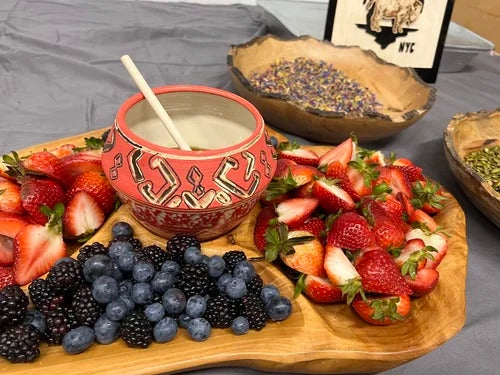
Cultural Survival champions food sovereignty as an inherent right, empowering Indigenous Peoples to define their own policies and practices concerning the production, consumption, and preservation of food and the associated knowledge systems. This philosophy aligns with Buffalo Jump NYC’s commitment to "reclaiming and re-Indigenizing food culture." They actively prioritize sourcing from Indigenous producers and utilize their menu as a dynamic "platform for education, storytelling, and cultural visibility." This approach not only promotes economic empowerment but also serves as a powerful educational tool, fostering understanding and respect for Indigenous culinary heritage.
The organization asserts that access to healthy, ethically sourced, fair-trade, and zero-waste food is a fundamental right for all Peoples. The Cultural Survival Bazaars serve as a model for this ethos, representing a significant step toward supporting the multifaceted importance of food for Indigenous communities and for future generations. The invitation is clear: "The table is set. Come share a meal with us!" This call to action signifies an open invitation to engage with Indigenous cultures on a fundamental level, fostering connection, understanding, and solidarity through the universal language of food.
The economic implications of such events are also significant. By providing direct sales opportunities, the Bazaars empower Indigenous entrepreneurs, enabling them to reinvest in their communities and sustain their cultural practices. The visibility gained at these events can also lead to broader market access and opportunities for collaboration. Furthermore, these gatherings contribute to the local economies of Tiverton and Providence, attracting visitors and fostering a greater appreciation for diverse cultural offerings. The ongoing dialogue around food sovereignty and sustainable practices also has broader implications for national and international discussions on food security, environmental justice, and Indigenous rights. The principles championed at these Bazaars—respect for tradition, commitment to sustainability, and the inherent right to self-determination—offer a powerful model for addressing global food challenges.