The COVID-19 pandemic served as a global catalyst for a fundamental restructuring of the modern workplace, moving beyond temporary remote-work adaptations to a deep, psychological re-evaluation of the role of labor in human life. For the better part of two years, the global workforce has been engaged in a massive, uncontrolled experiment in organizational design, forcing both employers and employees to confront the limitations of traditional, rigid professional models. Data from longitudinal studies and global labor market reports indicate that the "pandemic era" has shifted the primary drivers of career mobility from traditional compensation and status metrics to a desire for personal alignment, lifestyle flexibility, and organizational values.
A Chronology of the Professional Shift
The transition began in early 2020, as the rapid onset of global lockdowns dismantled the physical boundaries between professional and domestic life. In the initial phase, organizations prioritized operational survival, shifting to remote workflows. By mid-2021, a second phase emerged: the "Great Resignation" or "Big Quit," characterized by record-breaking turnover rates as employees began to audit their career trajectories against their personal values.
By late 2021, the trend had matured into a systemic re-evaluation of the "social contract" between employer and employee. This period saw the normalization of hybrid work models, not merely as a health precaution, but as a long-term expectation. Research by the Edelman Trust Barometer in August 2021 confirmed this shift, revealing that nearly 60% of employees were actively seeking, or had already secured, roles that provided a better fit with their personal values, even at the cost of potential career advancement or traditional pay scales.
Data-Driven Shifts in Motivation
The shift in priorities is underscored by empirical evidence suggesting that the traditional career path—often defined by linear growth and significant personal sacrifice—is no longer the default aspiration for the modern workforce.
According to McKinsey & Company, approximately two-thirds of U.S. employees surveyed indicated that the pandemic experience caused them to reflect on their purpose in life and, by extension, the role of their employment. This is not a phenomenon restricted to a single demographic; it cuts across generations. Millennials, in particular, were identified as being three times more likely than other cohorts to re-evaluate their work-life balance and the intrinsic meaning of their professional duties.
In the United Kingdom, the shift has manifested in labor market participation rates, particularly among older workers. The number of individuals over age 50 opting for early retirement more than doubled in the 18 months following the start of the pandemic, a trend driven by both health concerns and a desire to reclaim time previously lost to long commutes and rigid office structures. These departures, while multifaceted, highlight a systemic failure of many traditional firms to accommodate the evolving needs of their veteran staff.
The Disproportionate Impact on Women
The pandemic exposed and exacerbated long-standing inequities within the workforce, particularly regarding the "dual burden" faced by women. While the concept of balancing professional and domestic responsibilities is not new, the pandemic rendered the existing lack of support systems untenable.
During the first 12 months of the pandemic, global female employment saw a contraction of 4.2%, or approximately 54 million jobs, compared to a 3% decline for men. This disparity was largely driven by the lack of childcare infrastructure and the closure of educational institutions, which disproportionately forced women out of the labor market. The result was not merely a temporary dip in employment, but a long-term crisis of burnout and systemic exclusion. Analysis suggests that organizations failing to implement flexible, outcome-oriented policies will continue to struggle with retention, specifically among caregivers who require structural support rather than performative corporate messaging.
Bridging the Intent-Action Gap
A critical issue facing modern leadership is the widening chasm between organizational rhetoric and operational reality. Pre-pandemic research from PwC indicated that while 79% of business leaders acknowledged the strategic importance of purpose, only 34% were effectively using that purpose to inform corporate decision-making.
This "intent-action gap" is increasingly visible to the workforce. Employees are no longer satisfied with mission statements printed on office walls; they demand that organizational purpose be embedded into the daily processes of the company, from hiring practices to performance reviews. When leadership fails to align its daily operations with its stated values, it triggers a decline in employee engagement and, ultimately, a loss of institutional trust.
Strategic Implications for DEI
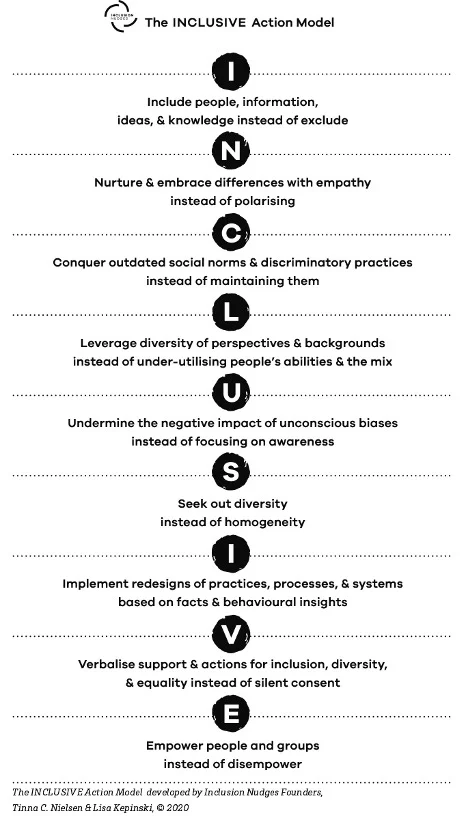
The current landscape requires a sophisticated approach to Diversity, Equity, and Inclusion (DEI). Inclusive leadership in the post-pandemic era necessitates a move away from standard compliance-based metrics toward a more holistic, empathy-driven model.
- Rethinking Productivity: Leaders must transition from measuring time-in-seat to measuring output and impact. This change is essential for accommodating the diverse life circumstances of a global workforce.
- The Power of Narrative: Organizations that provide platforms for employees to share their lived experiences foster a more inclusive environment. Facilitating authentic communication can help bridge the gap between leadership and the rank-and-file.
- Addressing Systemic Bias: The pandemic has provided a lens through which to view old policies—such as rigid office hours or limited leave options—as barriers to equity. Revising these processes is no longer a matter of corporate culture, but a necessity for organizational survival.
Expert Perspectives and Future Outlook
Reflecting on these trends, experts in the field of HR and organizational development, such as those associated with the Inclusion Nudges initiative, emphasize that the pandemic was not an isolated event but a catalyst that accelerated existing trajectories. The focus now rests on whether organizations will revert to pre-2020 norms or embrace the lessons learned regarding human sustainability.
The consensus among analysts is that the "purpose-driven" worker is here to stay. Organizations that fail to acknowledge this shift—by maintaining rigid, opaque, or exclusionary work environments—risk losing the most talented segments of their workforce. Conversely, firms that lean into transparency, flexibility, and a genuine commitment to their stated mission will be better positioned to attract and retain talent in an increasingly competitive and values-conscious market.
Conclusion: A New Framework for Work
As the global economy continues to navigate the aftermath of the pandemic, the definition of a "successful" career is being rewritten. The focus has moved from external indicators of prestige to internal indicators of alignment and sustainability. For leaders, the challenge is to move beyond the superficial and integrate purpose into the core of their business model.
The path forward requires a dedication to continuous, evidence-based reflection. Whether through the implementation of inclusive policy changes, the active listening to employee stories, or the interrogation of existing power structures, the goal is to create a professional environment that supports the human experience rather than competing with it. As the series on pandemic-era shifts concludes, the overarching takeaway is clear: the future of work is not about where we work, but why we work, and how that work contributes to a broader, more equitable, and more purposeful society.