The past three years have served as a global laboratory for the largest and most rapid experimentation with labor structures in modern history. The COVID-19 pandemic acted as an immediate catalyst, forcing organizations to abandon rigid, centuries-old operational norms and pivot toward remote and hybrid models. As the immediate crisis recedes, the focus has shifted from emergency adaptation to the permanent redesign of workplace policies. This transition represents more than a logistical change; it is a fundamental renegotiation of the social contract between employers and employees, highlighting long-standing inequities and demanding a structural overhaul of how, where, and why work is performed.
A Chronology of Workplace Transformation
The evolution of modern work policy can be categorized into three distinct phases. The first phase, beginning in March 2020, was defined by "crisis compliance." Organizations transitioned overnight to remote operations to ensure business continuity. During this period, the primary focus was technological feasibility rather than long-term cultural or policy alignment.
The second phase, spanning mid-2021 to late 2022, was marked by the "return-to-office" (RTO) friction. As vaccine availability increased, executive leadership teams attempted to mandate a return to traditional office structures. However, this period revealed a significant disconnect: while leadership pushed for physical proximity to foster collaboration, a large segment of the workforce had already adapted to, and flourished within, flexible environments. This phase saw a surge in voluntary turnover, often dubbed "The Great Resignation," as employees signaled their refusal to return to outdated modes of "presenteeism."
The current third phase is characterized by the institutionalization of hybrid work. Organizations are now attempting to codify policies that balance operational requirements with the growing demand for autonomy. This period is critical, as it requires moving away from the ad-hoc, informal practices that previously governed flexible work and toward transparent, data-driven frameworks that prevent bias and ensure equitable treatment across all employee demographics.
The Collapse of Traditional Norms and the Rise of Equity Concerns
Pre-pandemic, the workplace was often governed by unspoken, rigid norms that favored specific demographics. Workplace "presenteeism"—the act of being physically visible at a desk regardless of productivity—was often conflated with dedication. Research indicates that this model disproportionately disadvantaged caregivers, particularly women, who were frequently penalized for requesting flexibility. Furthermore, the perception of "meritocracy" was often undermined by proximity bias, where those with the most face time with leadership were granted preferential treatment and faster career advancement.
The pandemic exposed the fragility of these systems. As data emerged during 2021 and 2022, it became clear that the desire for flexible work was not a universal preference but was significantly more pronounced among specific groups. According to reports from the Future Forum, employees of color, women, and working parents reported higher levels of job satisfaction and professional efficacy while working remotely. These groups cited the removal of long commutes and the ability to better manage domestic responsibilities as primary drivers for this improved employee experience.
The Risks of Isolated Decision-Making
A central issue in the current landscape is the disconnect between executive intent and employee reality. Research conducted in late 2021 by the Future Forum surveyed knowledge workers across multiple countries and found a startling lack of inclusion in policy formation. Approximately 66% of executives reported that they were designing post-pandemic workforce policies with little to no direct input from their employees.
This top-down approach has resulted in a "transparency gap." While 66% of executives surveyed believed their organizations were being "very transparent" regarding the future of work, only 42% of workers agreed. This discrepancy is not merely an issue of communication; it is a fundamental flaw in the design process. When policies are created in isolation, they often fail to account for the lived experiences of a diverse workforce, inadvertently reinforcing historical inequalities. For instance, policies that tie promotion to office attendance may systematically exclude employees who require or prefer remote work, thereby creating a two-tier organizational culture.
Data-Driven Policy: The Path Forward
For organizations to successfully navigate this transition, they must adopt an iterative, evidence-based approach. The data suggests that a hybrid future is inevitable, but its implementation remains volatile. While some studies suggest a return to physical offices for specific collaborative tasks, the overwhelming sentiment among the global workforce is a preference for at least partial remote flexibility.
To prevent the recurrence of pre-pandemic biases, experts suggest that organizations move away from "manager-led" discretion, which was historically prone to inconsistency and favoritism. Instead, inclusive policy design requires:
- Employee-Centric Co-Creation: Establishing advisory committees that include diverse representation across all levels of the organization to inform policy design.
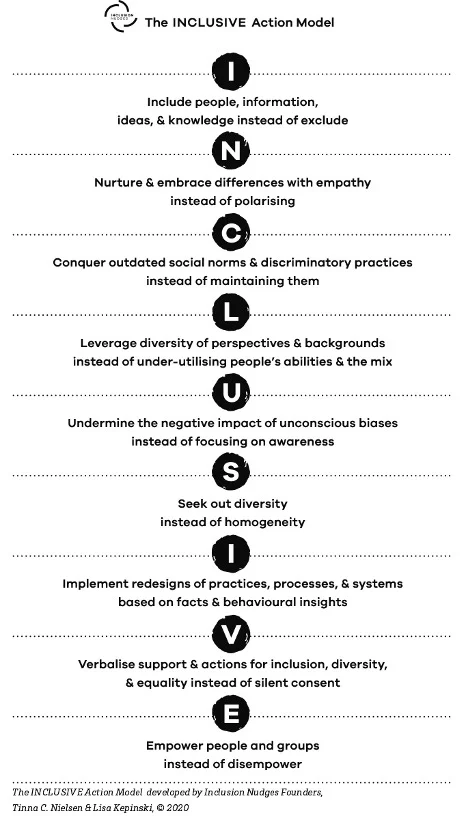
- Behavioral Integration: Utilizing "nudges"—subtle, design-based interventions—to encourage equitable practices, such as making flexible working the default for all roles unless specific, objective criteria dictate otherwise.
- Agile Experimentation: Treating policies as "beta versions" that are subject to review based on ongoing performance metrics and employee feedback, rather than rigid, static mandates.
Implications for Organizational Sustainability
The long-term implications of these policy shifts are substantial. Organizations that fail to institutionalize flexibility risk losing access to a broader, more diverse talent pool. By decoupling the necessity of work from the necessity of physical presence in a specific location, companies can tap into global talent markets, thereby increasing diversity and inclusion.
Furthermore, the shift toward flexible work is intrinsically linked to psychological safety. When employees feel that their professional value is measured by output rather than physical presence or adherence to arbitrary codes of conduct, they report higher levels of psychological safety. This, in turn, is a proven driver of innovation and retention.
The "New Normal" Is Not a Destination
The pandemic has served as a catalyst for a necessary reckoning regarding the definition of work. The era of the "always-on" office culture, characterized by long commutes and rigid, 9-to-5 structures, is increasingly viewed as an outdated relic of the industrial age. As organizations look to the future, the challenge will be to resist the urge to revert to the status quo.
The current environment demands that leaders move beyond merely "managing" the return to work and instead focus on "designing" for the future. This requires a commitment to transparency, the use of objective data to drive decision-making, and an unwavering focus on equity. Policies that do not actively seek to address the barriers faced by diverse groups will ultimately fail to meet the needs of a modern, global workforce.
In conclusion, the trends observed during the past three years provide a clear mandate: the future of work must be designed with, rather than for, employees. By incorporating behavioral insights and fostering an inclusive process, organizations can build sustainable, high-performing cultures that thrive in ambiguity. The organizations that succeed in this era will be those that view the pandemic not as an interruption to business, but as a critical, ongoing opportunity to dismantle inequitable structures and build a more inclusive, flexible, and human-centric future for all workers. As companies continue to refine their policies, the focus must remain on the long-term goal of fostering an environment where talent, regardless of geography or personal circumstance, can flourish.