New data released by the Central Statistics Office (CSO) in its Survey on Income and Living Conditions (SILC) for 2025 has ignited a significant public debate regarding the financial stability of Ireland’s aging population. According to the report, the incidence of poverty among those aged 65 and over has reached a concerning threshold, prompting Age Action, the leading advocacy group for older people, to issue an urgent warning to policymakers. The figures suggest that while temporary interventions provided a temporary buffer in recent years, the absence of permanent structural support in the most recent fiscal planning has left thousands of older citizens exposed to extreme economic vulnerability.
The Statistical Reality: A Snapshot of 2025
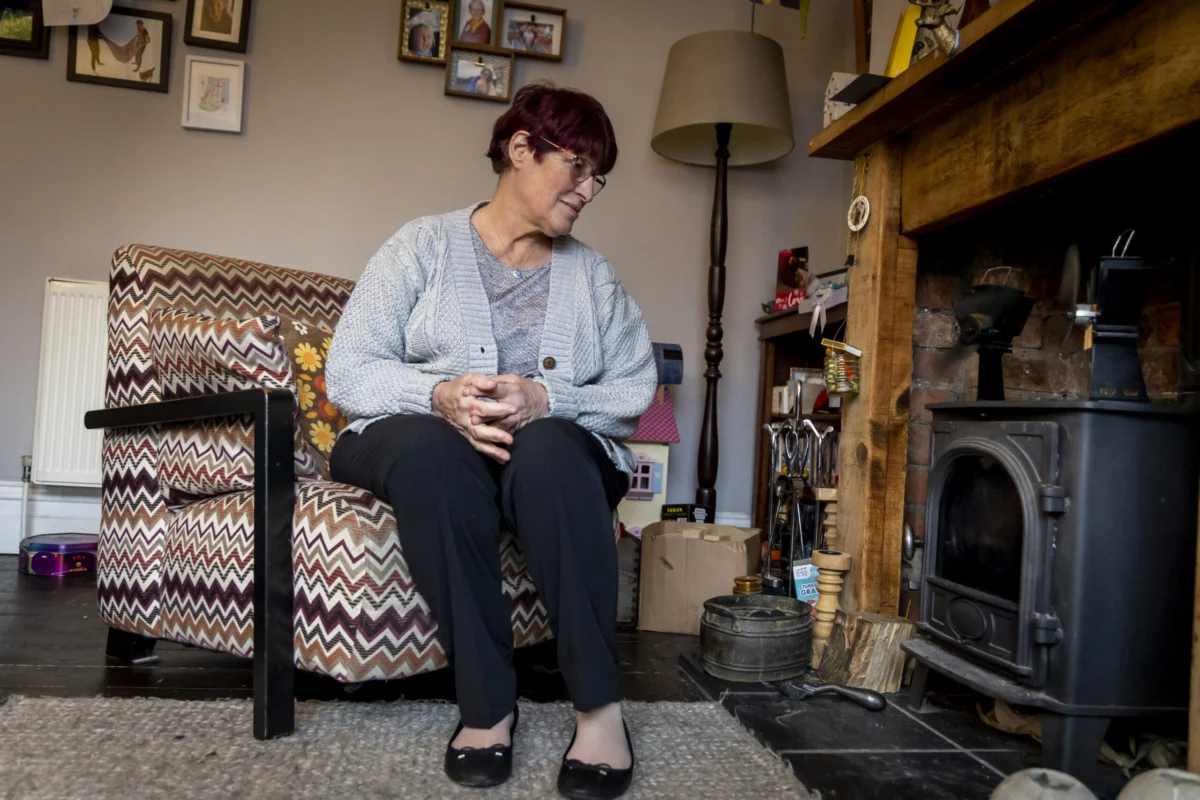
The CSO figures paint a stark picture of the current economic environment for older cohorts. Among those living alone, the rate of income poverty reached 30.3% in 2025. This represents a significant year-on-year increase of 4.4 percentage points compared to 2024. To put this in perspective, this rate is nearly 2.5 times the national average, highlighting that the elderly are disproportionately impacted by inflationary pressures and the rising cost of essential goods.
Beyond raw income poverty, the concept of "enforced deprivation" provides a more visceral look at daily life. This metric tracks households that are unable to afford two or more essential items or services, such as heating, adequate clothing, or nutritious food. The report indicates that 18.3% of older people living alone and 9.8% of older couples with at least one person aged 65 or older are currently experiencing this level of hardship. Furthermore, 9.8% of those living alone are classified as being in "consistent poverty," a condition where the individual suffers simultaneously from income poverty and enforced deprivation, effectively locking them into a cycle of socioeconomic exclusion.
The Evolving Landscape: A Timeline of Policy Shifts
To understand the current crisis, one must look at the fiscal evolution of the past three years. In 2023 and 2024, the Irish government implemented a series of "one-off" cost-of-living measures, including energy credits, fuel allowance supplements, and lump-sum payments to social welfare recipients. These interventions were highly effective in the short term, with the CSO noting that such measures reduced the poverty risk for older people by 5.9 percentage points in 2025 alone.
However, the political and economic landscape shifted significantly as the country entered 2026. Budget 2026, while addressing broader fiscal concerns, moved away from the emergency-style, one-off payments that had defined the previous two years. Age Action and other social advocacy groups argue that the transition was premature. By failing to integrate these supports into the permanent social welfare base, the government created a "policy cliff" that has left many fixed-income households unable to cover the persistent inflation of the cost of living.
Perspectives from Advocacy and Policy Experts
Camille Loftus, Head of Advocacy and Public Affairs at Age Action, has been vocal about the implications of these findings. "While one-off cost of living measures have successfully reduced the poverty risk for older people in recent years, the failure to replace these supports with permanent, targeted measures in Budget 2026 means that older people are once again facing a widening gap between their income and the rising cost of essential services," Loftus stated.
Economists observing the situation note that the issue is not merely one of benefit amounts, but of indexation. Inflation in the services sector—particularly healthcare and private utility costs—has often outpaced the incremental increases in the state pension. Advocacy groups are now calling for a comprehensive review of the state pension structure to ensure it is benchmarked against the actual cost of living, rather than relying on discretionary, annual budget announcements.

Broader Implications for Irish Society
The rise in poverty among older citizens carries significant societal implications that extend well beyond individual households. Increased poverty levels are directly correlated with poorer health outcomes, higher rates of social isolation, and an increased burden on the public health system.
- Healthcare Utilization: Older people experiencing enforced deprivation are less likely to seek preventative care or adhere to prescription regimens, leading to chronic illness complications that necessitate expensive hospital interventions.
- Mental Health and Loneliness: Poverty is a primary driver of social isolation. When individuals cannot afford to heat their homes or engage in social activities, their mental well-being declines, increasing the risk of depression and anxiety among the elderly.
- Housing Vulnerability: A significant portion of older people who are "asset rich but cash poor" live in homes that require energy efficiency upgrades. Without targeted support, these individuals face high energy bills, further exacerbating their poverty status.
The CSO data suggests that the "triple lock" of rising energy costs, food price inflation, and stagnant fixed incomes is creating a demographic crisis. With the Irish population aging rapidly, the number of people entering this high-risk category will only increase over the next decade. If the current trend is not reversed, the state may face a systemic failure in its duty of care to its most vulnerable citizens.
Analyzing the Data: Why Income Poverty is Not the Whole Story
Critics of the current fiscal approach point out that standard income poverty measurements often underestimate the challenges faced by the elderly. Because older people tend to have lower levels of debt compared to younger families, their income poverty numbers are sometimes viewed as "less severe." However, this ignores the fact that older people have higher fixed costs—specifically for medical treatments, heating, and household maintenance.
The "enforced deprivation" statistics are therefore the most critical indicators in the CSO report. When nearly one in five older people living alone cannot afford basic essentials, it suggests a failure of the current social safety net to address the specific consumption patterns of the elderly. The 9.8% figure for consistent poverty is particularly alarming, as it represents a segment of the population that is effectively unable to participate in basic societal functions.
The Path Forward: Policy Recommendations
The consensus among social policy researchers is that the current reliance on "one-off" payments is unsustainable. Recommendations for moving forward include:
- Structural Reform of the State Pension: Transitioning from discretionary adjustments to a system where the pension is indexed to a "Minimum Essential Standard of Living" (MESL). This would ensure that the base payment consistently covers the costs of food, heat, and healthcare.
- Targeted Energy Support: Rather than broad-based credits, the government could introduce a permanent, means-tested fuel allowance that is tiered based on the energy efficiency rating of a recipient’s home.
- Enhanced Social Inclusion Programs: Expanding access to subsidized transport, nutrition programs, and community-based social services can mitigate the effects of poverty without requiring massive cash transfers.
Conclusion: A Looming Demographic Challenge
The data provided by the CSO for 2025 serves as a warning sign for policymakers. Ireland’s older population is not a monolith; the risks are most acute for those living alone, a group that is statistically likely to grow as the population ages. The experience of the last three years has shown that targeted financial support can make a tangible difference in poverty rates. However, the move away from these supports in 2026 has exposed a structural vulnerability that threatens the dignity and health of thousands.
As the government prepares for future budget cycles, the focus must shift from temporary emergency measures to long-term strategies that recognize the rising cost of aging in modern Ireland. The findings from Age Action and the CSO are not merely a set of numbers; they are a reflection of a growing humanitarian issue that requires immediate and sustained political attention. Failure to address these disparities now will not only result in individual suffering but will also lead to long-term systemic costs that will be far more difficult to address in the years to come.
References and Further Reading
The data cited in this report is drawn from the Central Statistics Office (CSO) Survey on Income and Living Conditions (SILC) 2025, released on March 11, 2026. For detailed breakdowns of income quintiles, regional poverty variations, and longitudinal analysis of poverty trends in Ireland, readers are encouraged to consult the full CSO report available at cso.ie. Additional documentation regarding advocacy efforts and policy proposals can be found via the Age Action official portal, which continues to monitor the impact of fiscal policy on the living standards of older citizens.