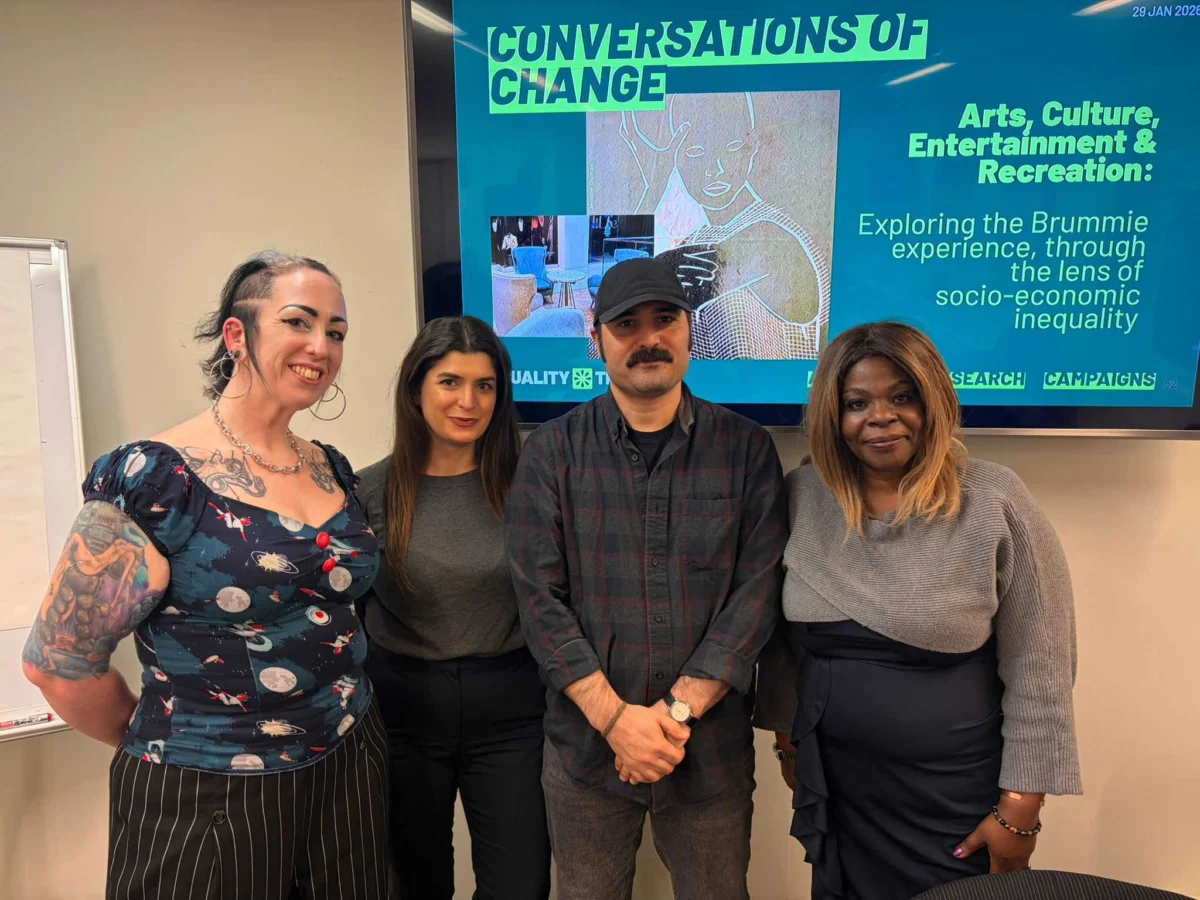
The movement for socio-economic justice in the United Kingdom has increasingly turned its focus away from traditional top-down statistical analysis and toward the firsthand testimonies of those directly impacted by systemic deprivation. This paradigm shift forms the core of an ongoing, people-powered research initiative in Birmingham, spearheaded by the Equality Trust. Throughout the summer of 2025 and into 2026, a diverse cohort of local Community Reporters deployed creative qualitative methodologies to examine the structural barriers reinforcing economic inequality within the West Midlands. Among these reporters is Hassan Roshan, a filmmaker, student, and refugee whose involvement in the initiative has documented not only the challenges facing the city’s most vulnerable populations, but also the resilience embedded within its multicultural communities.
This initiative is part of a broader, multi-year collaboration between the Equality Trust, local residents, and Birmingham City Council. As policymakers nationwide prepare for the formal commencement of the Socio-economic Duty—a legislative tool designed to compel public authorities to deliver better outcomes for those experiencing socio-economic disadvantage—projects like the Birmingham Community Reporting initiative offer vital insights. By bridging the gap between municipal policy and grassroots realities, the project provides a framework for understanding how localized deprivation intersects with broader cultural and economic trends.
Background and Chronology of the Birmingham Project
The genesis of the Community Reporting project lies in a recognition that quantitative data, while essential for illustrating the sheer scale of poverty and inequality, frequently fails to capture the human cost of systemic deprivation. The Equality Trust established the Birmingham project to empower residents to conduct their own qualitative research, shifting their roles from passive subjects of study to active producers of knowledge.
The chronology of the initiative unfolded in distinct phases:
- Summer 2025: Recruitment and training of the Community Reporters commenced. Participants were deliberately selected from varied demographic and socio-economic backgrounds, including refugees, long-term migrants, students, and multigenerational West Midlands residents.
- Late 2025: Following collaborative workshops, the cohort defined the specific scope of their research. Eschewing purely economic indicators such as housing or direct employment—which are heavily documented elsewhere—the group chose to investigate access to arts, culture, entertainment, and recreation.
- Early 2026: Fieldwork began, utilizing open-ended, non-judgmental conversational interviews with a broad cross-section of Birmingham residents. Reporters gathered qualitative testimonies regarding structural, financial, and linguistic barriers to cultural participation.
- Mid-2026 (August): Public dissemination of findings, including the release of two primary short documentary films: Conversations of Change: Access to arts, culture, entertainment and recreation in Birmingham and a companion piece exploring the internal reflections of the reporters themselves.
Supporting Data: Birmingham’s Socio-Economic and Demographic Landscape
To contextualize the findings of the Community Reporters, it is necessary to examine Birmingham’s unique demographic and economic profile as documented in recent municipal and national datasets.
According to the Birmingham Community Profiles (2025), Birmingham stands as one of the most culturally diverse urban centers in the United Kingdom. More than half of the city’s population belongs to Black, Asian, and minority ethnic backgrounds, a testament to decades of migration that have enriched the city’s linguistic, cultural, and historical fabric. This diversity is widely recognized as one of Birmingham’s principal community assets.
However, this rich social tapestry exists alongside profound structural challenges. Data from the Indices of Deprivation 2025, published by the Birmingham City Observatory, designate Birmingham as the most deprived of England’s Core Cities, featuring one of the highest concentrations of severely deprived neighborhoods nationwide. The indices highlight pervasive income deprivation affecting numerous families, creating cascading vulnerabilities that influence everything from educational attainment and health outcomes to civic participation.
Compounding these localized economic pressures are systemic trends within the cultural sector. As reported by national media outlets such as The Guardian (2024), severe financial constraints on local authorities and ongoing reductions in public funding have forced arts and cultural institutions across the UK to seek alternative, often commercial, funding models. Consequently, access to cultural life increasingly risks becoming a commercial commodity rather than an accessible public good, disproportionately impacting lower-income communities.
Methodological Approach: Listening Before Telling
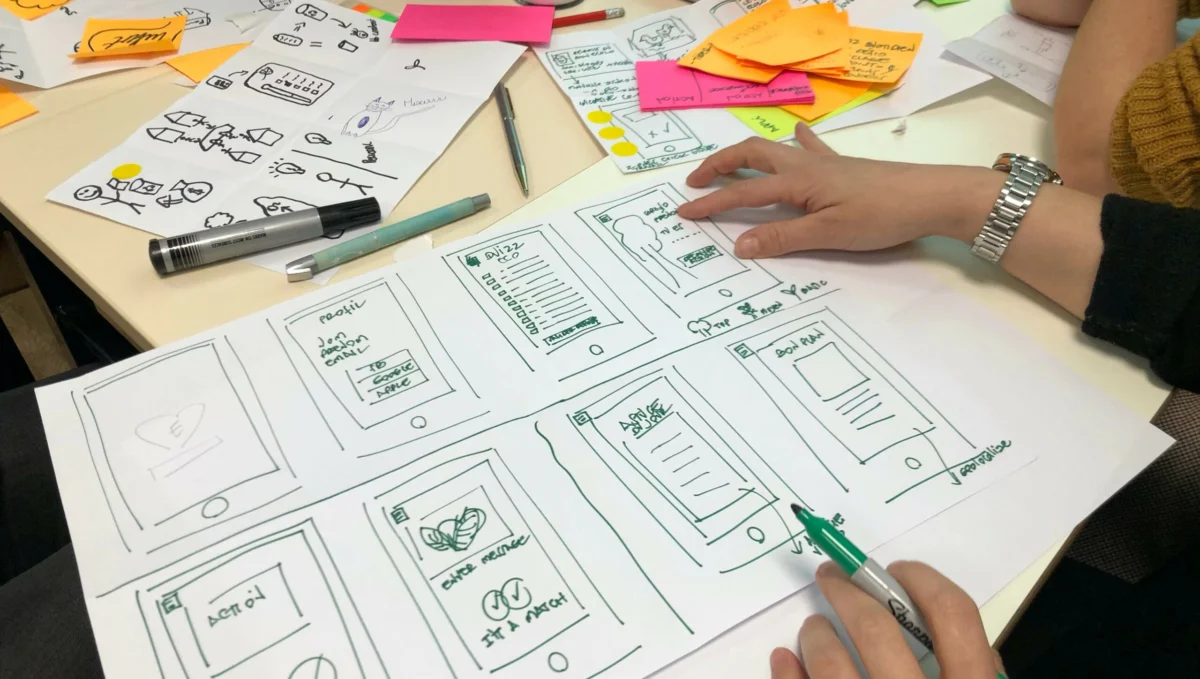
The core innovation of the Equality Trust’s project rests on its methodology. Rather than utilizing predetermined survey questions designed to validate existing political hypotheses, the Community Reporters adopted an open-ended conversational framework.
For participants like Hassan Roshan, this approach fundamentally redefined the nature of documentary storytelling. Moving away from the conventional role of an observational filmmaker, Roshan emphasized the necessity of active, unjudged listening. By creating a psychologically safe environment for interviewees—spanning newly arrived refugees still acquiring English proficiency to multigenerational residents—the reporters were able to map shared human experiences across traditional demographic divides of age, ethnicity, and socio-economic status.
This peer-to-peer research model operates on the premise that individuals are the ultimate experts in their own lived realities. When communities are given the institutional tools and platforms to articulate their own challenges, the resulting data gains a nuanced depth that traditional municipal surveys frequently miss.
Official Responses and Institutional Implications
While the project is fundamentally grassroots-driven, its timing coincides with critical institutional shifts within local governance. Birmingham City Council has faced severe financial and administrative scrutiny in recent years, leading to constrained budgets for non-statutory services, including libraries, community centers, and local arts funding.
Representatives from civil society organizations and community advocacy groups have increasingly argued that cutbacks to cultural and recreational infrastructure are not merely administrative adjustments, but measures that actively deepen social isolation in deprived wards. The findings from the Community Reporters challenge local policymakers to view arts and culture not as peripheral amenities to be discarded during fiscal crises, but as foundational pillars of public health, community cohesion, and psychological well-being.
Furthermore, as the legal framework surrounding the Socio-economic Duty moves toward broader national implementation, public bodies are under increasing pressure to demonstrate how strategic decisions impact socio-economically disadvantaged groups. Projects that capture qualitative data on cultural exclusion provide local authorities with actionable intelligence regarding the invisible barriers that prevent marginalized populations from fully engaging in civic life.
Broader Impact and Future Outlook
The implications of the Birmingham Community Reporting project extend far beyond the immediate findings on cultural access. By demonstrating that meaningful research can be co-produced with the communities most affected by inequality, the initiative offers a scalable model for civic engagement across the United Kingdom.
The testimonies gathered during the project underscore a central conclusion: access to creative and recreational opportunities is intimately tied to broader questions of dignity, inclusion, and social justice. When financial pressures, language barriers, or geographical isolation bar individuals from participating in cultural life, the social fabric of the city is weakened. Conversely, when spaces are consciously opened up to include children, refugees, disabled individuals, and families facing economic hardship, communities grow more resilient.
For the reporters involved, the project has catalyzed a long-term commitment to ethical storytelling. Graduates of the initiative, including Roshan, plan to leverage their newly acquired reporting and filmmaking skills to continually amplify underrepresented voices, ensuring that future policy discussions regarding urban development and social inequality remain anchored in the genuine, lived experiences of the people who shape the city every day.