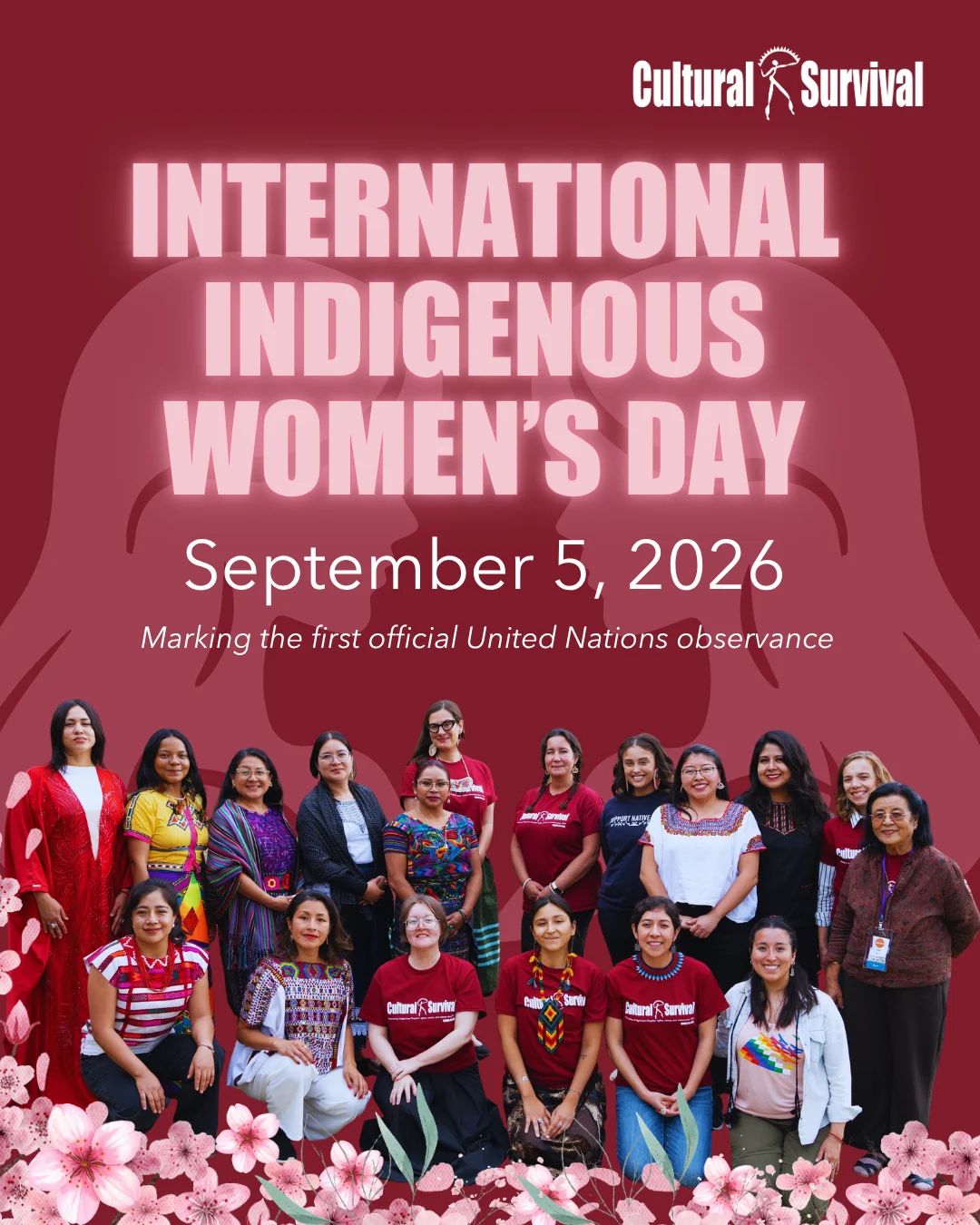
September 5 stands as a monumental date in the global calendar, designated as the International Day of the World’s Indigenous Women and Girls to honor the profound strength, enduring leadership, and multi-generational resistance of Indigenous women across the globe. This international observance bridges historical struggles against colonial oppression with contemporary movements for climate justice, human rights, and systemic reform.
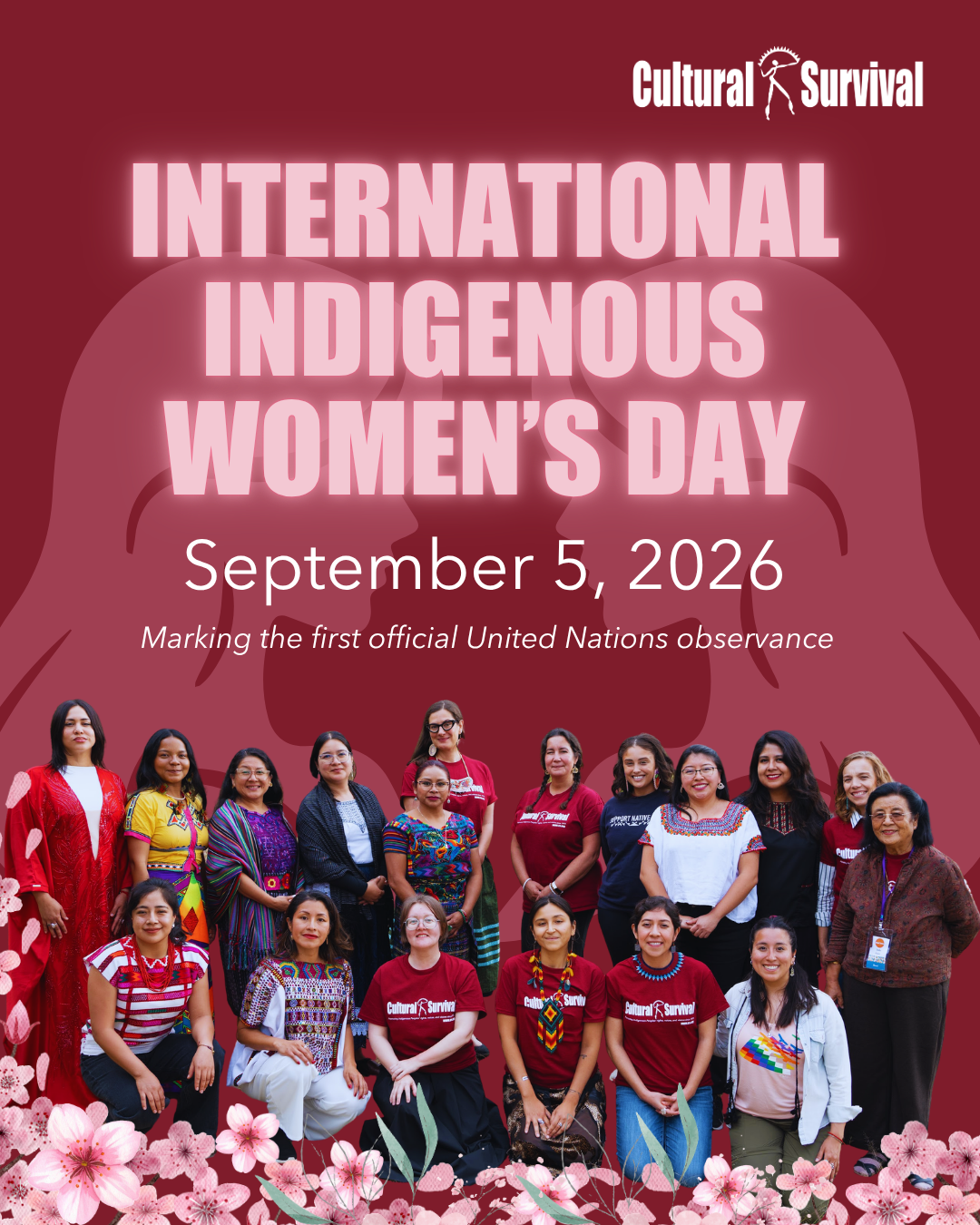
The historical roots of this observance trace back to 1780, commemorating the heroic sacrifice of Aymara warrior Bartolina Sisa. Fighting alongside her husband, Túpac Katari, Sisa helped lead the sweeping Aymara-Quechua resistance against brutal Spanish colonial exploitation in Upper Peru, now modern-day Bolivia. Sisa’s leadership and eventual martyrdom became an enduring symbol of defiance against systemic subjugation, inspiring generations of women to take up the mantle of community defense and cultural preservation. Centuries later, this legacy of resilience was formally codified on the global stage when the United Nations General Assembly formally recognized September 5 through Resolution A/RES/80/10, establishing it as an official international observance. This milestone carries forward a deep-rooted history of Indigenous women acting as the backbone of their societies.
Global Challenges and the Vanguard of Resistance
Despite historic milestones and increasing international visibility, Indigenous women and girls worldwide continue to face disproportionate levels of systemic violence, marginalization, and rights abuses. Land dispossession, extractive industries encroaching on ancestral territories, and deeply entrenched gender inequalities compound the vulnerabilities faced by these communities. Yet, rather than being defined solely by adversity, Indigenous women remain at the absolute forefront of transformative global change.

Aimee Roberson, Executive Director of Cultural Survival and a citizen of the Choctaw and Chickasaw Nations, emphasizes the multifaceted contributions of Indigenous women during this day of global reflection. "On International Indigenous Women’s Day and every day, we honor and celebrate Indigenous women and the important roles they fulfill, including bringing forth life, continually caring for our communities, and keeping our lifeways and languages alive," Roberson stated. "Indigenous women are also at the forefront of defending our rights and taking up our responsibilities to steward and defend Mother Earth’s lands and waters. We are movement builders and system shakers, working towards a transformative, equitable, and just future for all our relations." Roberson has called upon the global community to stand in active solidarity, urging individuals and institutions to honor, uplift, and adequately resource Indigenous women’s leadership to ensure continued progress.
Amplifying Voices: Podcasts and Narratives of Change
A vital component of honoring Indigenous women involves amplifying their direct voices, traditional knowledge systems, and contemporary advocacy. Around the world, podcasts and digital media platforms created by and about Indigenous women are dismantling mainstream media blind spots and sharing powerful stories of community stewardship.

Among these initiatives, the Mother Earth Medicine Podcast serves as an educational bridge connecting ancestral wisdom with modern ecological challenges. In a prominent episode, Dr. Lyla June Johnston (Diné/Tsétsêhéstâhese) engages in a deep dialogue with Dr. Nelly Masayi (Luhya) focusing on the power of Indigenous knowledge systems in Kenya. The discussion highlights how Luhya practices actively protect local biodiversity, build resilience against accelerating climate change, and sustain communal well-being.
Similarly, the Guardians of the Land series documents localized battles for ecological preservation. An essential episode features Stephanie Thorassie, Executive Director of the Seal River Watershed Alliance and a member of the Sayisi Dene First Nation. Thorassie discusses Indigenous-led conservation initiatives aimed at safeguarding the vast Seal River Watershed, protecting vital caribou populations, and securing an ecologically sound future for generations to come.

Cultural preservation also extends to reckoning with historical injustices in other regions of the global diaspora. In South Africa, cultural tour guide and historian Hybré van Niekerk utilizes audio storytelling to explore the enduring legacy of slavery in Paarl and the Western Cape. This work brings to light the profound cultural, agricultural, and spiritual contributions of enslaved and Indigenous Khoisan communities, whose histories have long been marginalized in national narratives.
In North America, organizations like Rematriation, founded by Oneida scholar Michelle Schenandoah, are actively working to restore sacred relationships with the land. Schenandoah’s work focuses on the rematriation of Haudenosaunee lands, lifting up Indigenous women’s voices, and carrying forward the teachings of ancestral matriarchs to heal both human communities and ecosystems. Furthermore, the inclusion of scholars and artists like Dr. Lyla June Johnston on leadership boards, such as that of Cultural Survival, underscores an ongoing commitment to personal, collective, and ecological healing rooted in Indigenous frameworks.

Legal Milestones: CEDAW General Recommendation No. 39
The fight for the rights of Indigenous women and girls has also achieved critical victories within international human rights law. On October 26, 2022, the Committee on the Elimination of Discrimination against Women (CEDAW) formally adopted General Recommendation No. 39 on the Rights of Indigenous Women and Girls.
This landmark text represents a monumental achievement, as it is the first time a binding international human rights treaty has incorporated dedicated, comprehensive language focusing specifically on the distinct rights, vulnerabilities, and contributions of Indigenous women and girls. General Recommendation No. 39 provides States with explicit guidance on how to eliminate intersecting forms of discrimination, guarantee access to justice, protect land and environmental defenders, and safeguard cultural and reproductive rights. Human rights advocates view the implementation of this recommendation as a vital legal tool for holding governments accountable to international standards.

Addressing Systemic Violations of Sexual and Reproductive Rights
Complementing the legal framework of CEDAW is the ongoing documentation of systemic abuses. In specialized reports, United Nations mechanisms—including analyses by Special Rapporteurs on the rights of Indigenous Peoples, such as Albert K. Barume—have closely examined the historical and contemporary forms of violations directed against the sexual and reproductive health and rights of Indigenous women and girls.
Nearly two decades after the adoption of the landmark UN Declaration on the Rights of Indigenous Peoples (UNDRIP), these assessments reveal persistent gaps in how member states address historical traumas, forced sterilizations, maternal mortality disparities, and obstetric violence. The reports emphasize that true reconciliation and human rights realization require state actors to move beyond rhetoric, enacting enforceable policies that respect Indigenous bodily autonomy and culturally safe healthcare systems.
High-Level Global Commemorations and Institutional Accountability
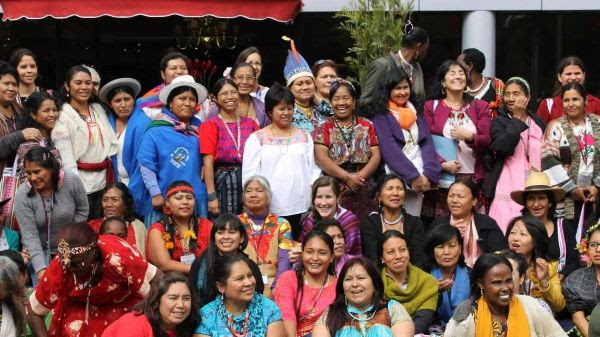
To mark these milestones and evaluate ongoing progress, international bodies are convening high-level gatherings. UN Women, in collaboration with the International Indigenous Women’s Forum (FIMI), scheduled the First Commemorative Event of the International Day of the World’s Indigenous Women and Girls at United Nations Headquarters in New York.
This high-profile gathering aims to celebrate the leadership and cross-regional contributions of Indigenous women and girls, promote the rigorous domestic and international implementation of CEDAW’s General Recommendation No. 39, and strengthen institutional accountability mechanisms. By bringing together Indigenous leaders, UN officials, and civil society representatives, the event serves as a platform to transition global commitments into measurable, on-the-ground outcomes.

Broader Implications and Philanthropic Support
The convergence of the International Day of the World’s Indigenous Women and Girls with the International Day of Charity on September 5 highlights the essential role of targeted philanthropy and grassroots resourcing. For nearly five decades, organizations like Cultural Survival have prioritized development and advocacy projects centered squarely on Indigenous women and girls, recognizing that sustainable global change is inextricably linked to Indigenous leadership.
Analysts and human rights experts agree that investing in Indigenous women is not merely a philanthropic gesture, but a strategic necessity for addressing planetary crises. Because Indigenous women manage a significant percentage of the world’s remaining biodiversity and lead frontline resistance against corporate land grabs, bolstering their institutional capacity directly fortifies global climate resilience, food security, and human rights protection. As international frameworks mature and grassroots networks expand, the concerted efforts of Indigenous women and girls continue to reshape the global landscape, offering a blueprint for a just, equitable, and sustainable future for all societies.