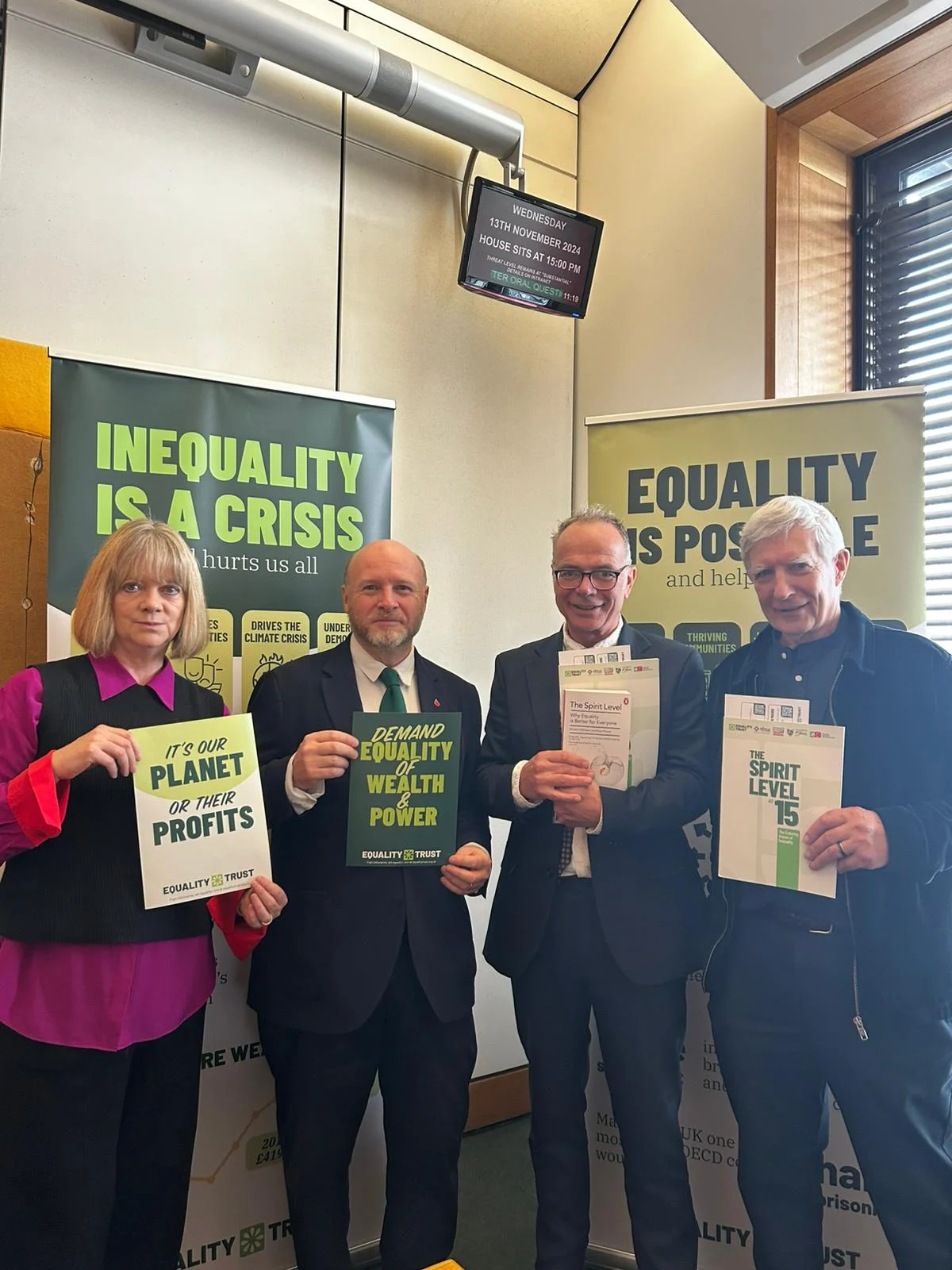
The Equality Trust has officially unveiled the results of its landmark Community Economist project, a multi-regional initiative designed to demystify complex economic structures and empower ordinary citizens to advocate for systemic change. Launched as a collaborative effort involving volunteers from across the United Kingdom, from the Scottish Highlands to the urban centers of London, the project represents a significant shift in how economic data is collected, interpreted, and utilized. By blending qualitative lived experiences with traditional economic inquiry, the initiative seeks to challenge the prevailing narrative that the economy is an immutable force governed by inaccessible experts. Instead, the project asserts that the economy is a human-made system that must be redesigned to prioritize collective wellbeing and social equity.
The Genesis of the Community Economist Initiative
For decades, economic discourse in the United Kingdom has been dominated by high-level metrics such as Gross Domestic Product (GDP), inflation rates, and fiscal deficits. While these figures provide a macro-level view of the nation’s health, they often fail to capture the granular reality of household struggles or the psychological toll of wealth disparity. The Equality Trust, an organization dedicated to reducing social and economic inequality, identified a growing "economic literacy gap" that prevents many citizens from engaging in policy debates that directly affect their lives.
To bridge this gap, the Community Economist project was conceived as a form of "community reporting." The initiative sought to train individuals who had firsthand experience with economic hardship but lacked formal academic training in economics. The goal was to transform these individuals from passive subjects of economic policy into active analysts of their own environments. Following a rigorous selection process that saw hundreds of applications, ten volunteers were chosen to spearhead the inaugural cohort. These participants represented a diverse cross-section of the UK population, united by a shared desire to foster a more inclusive financial landscape.
Chronology of the Project and Training Methodology
The project unfolded over several months, beginning in late 2025 and culminating in the comprehensive report and documentary film released in January 2026. The core of the initiative was a 12-week intensive training program designed to equip the volunteers with the tools of social science and narrative advocacy.
- Recruitment and Onboarding (Autumn 2025): The Equality Trust conducted a nationwide search for volunteers. The criteria focused on lived experience of inequality—such as housing insecurity, precarious employment, or limited access to education—rather than academic credentials.
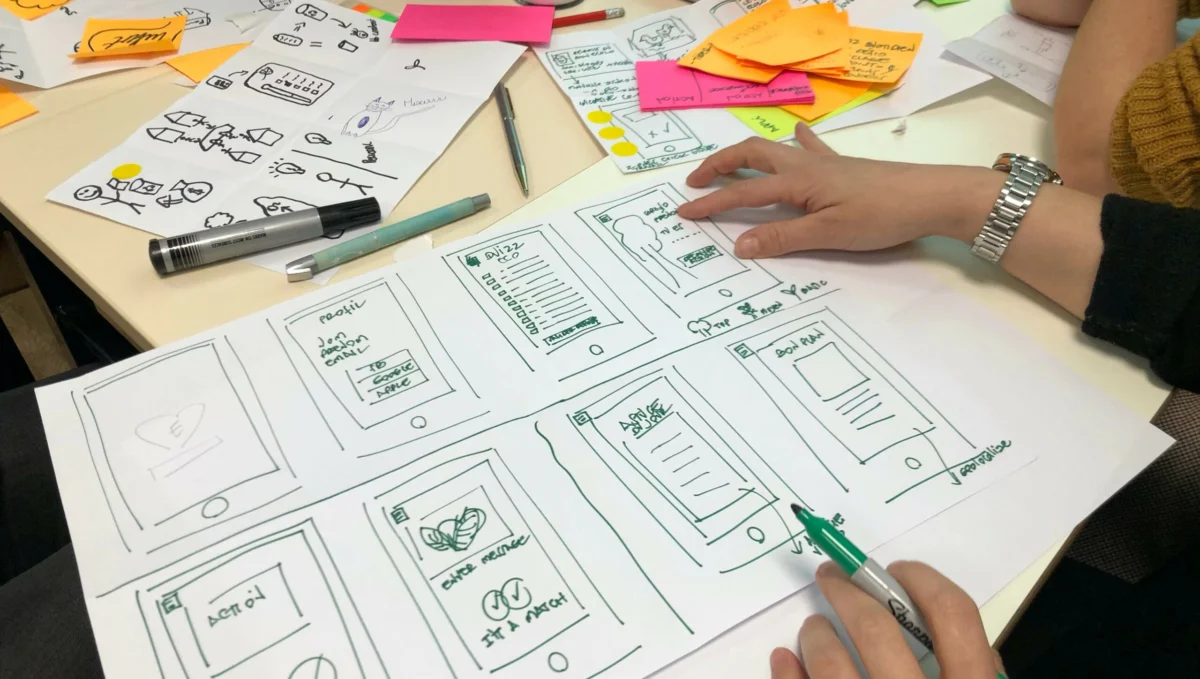
- The Training Phase (Weeks 1–12): Participants engaged in weekly workshops covering three primary pillars: storytelling, interview techniques, and thematic analysis. These sessions were not merely academic; they were designed to help volunteers identify the structural causes behind personal hardships.
- Fieldwork and Data Collection: Armed with a central research question—"What would it be like if everyone had what they needed to live a good life, and how would that be different from how things are now?"—the economists returned to their communities. They conducted over ten hours of in-depth interviews, capturing the unfiltered voices of neighbors, coworkers, and family members.
- Curation and Synthesis (Winter 2025): The final stage involved distilling hours of footage and transcripts into a cohesive narrative. The volunteers worked alongside professional researchers to identify recurring themes, ensuring that the final output was both human-centric and analytically rigorous.
Key Findings: The Human Cost of Economic Disconnect
The resulting "Insight Report" highlights a profound disconnect between official economic indicators and the perceived reality of UK citizens. A primary finding of the project is the pervasive sense of "economic alienation"—the feeling that the economy is something that "happens to" people rather than something they participate in.
Housing and Social Stability
The Community Economists found that housing remains the most significant stressor across all surveyed regions. Interviewees consistently described a system where the fundamental need for shelter has been subsumed by the market’s demand for profit. The report notes that in many communities, the high cost of rent and the lack of social housing have effectively "stunted" the life stages of young adults, preventing them from forming stable households or contributing to their local economies.
Education and Aspiration
Another critical theme identified was the erosion of the "educational promise." Many participants reported that while education is marketed as a path to economic mobility, the reality of student debt and the prevalence of low-wage, "gig economy" jobs have created a sense of disillusionment. The economists observed that economic inequality does not just limit bank balances; it limits the ability of individuals to dream or plan for the future.
The "Good Life" vs. The Current Reality
When asked to define a "good life," respondents did not point to luxury or excess. Instead, the consensus centered on "sufficiency" and "security." This included having enough income to cover essentials without anxiety, the time to nurture relationships, and the agency to participate in community life. The gap between this modest vision and the current reality of the UK economy is, according to the report, a failure of policy rather than a lack of resources.
Supporting Data and Economic Context
The release of the Community Economist report comes at a time of heightened scrutiny regarding the UK’s wealth gap. According to 2025 data from the Office for National Statistics (ONS), the wealthiest 10% of households in the UK hold approximately 43% of the nation’s total wealth, while the bottom 50% hold less than 5%. This concentration of resources has significant implications for social mobility and public health.
Furthermore, research by The Equality Trust has long suggested that societies with high levels of income inequality experience lower levels of trust, higher rates of mental health issues, and increased social fragmentation. The Community Economist project adds a qualitative layer to these statistics, illustrating how "macro" inequality translates into "micro" moments of shame, isolation, and stress.
Dr. Sarah Walters, a senior policy analyst who reviewed the project’s findings, noted: "What the Community Economists have done is translate the Gini coefficient into human language. When we talk about a 0.1 increase in inequality, it sounds abstract. When these volunteers talk about a mother skipping meals so her children can attend a school trip, the economic failure becomes undeniable."
Future Phases: From Insight to Social Action
The publication of the report and the accompanying film marks the end of Phase 1, but The Equality Trust has outlined an ambitious roadmap for the future of the initiative.
Phase 2: Advocacy and Coalition Building
In the coming months, the Community Economists will transition from researchers to advocates. This phase involves running focused workshops and "message testing" to determine which narratives most effectively persuade policymakers. The goal is to build a broad coalition of labor unions, community groups, and progressive businesses to push for specific legislative changes, such as wealth taxes and enhanced protections for renters.
Phase 3: Social Action and Systemic Change
The final phase of the project will focus on direct social action. Using the evidence gathered, the group intends to launch a national campaign aimed at "democratizing the economy." This includes pushing for community-led economic development projects and advocating for the inclusion of "wellbeing" as a primary metric for government success, alongside GDP.
Broader Impact and Global Implications
The Community Economist project is part of a growing global movement toward "Participatory Action Research." Similar initiatives have gained traction in New Zealand, Canada, and parts of the European Union, where there is a burgeoning interest in the "Wellbeing Economy." By centering the voices of those most affected by economic decisions, these projects challenge the technocratic approach to governance that has dominated the neoliberal era.
The implications of this work extend beyond the UK. As nations grapple with the dual challenges of climate change and digital transformation, the need for an economy that serves the people—rather than vice versa—is becoming increasingly urgent. The Community Economist project provides a blueprint for how other nations might begin the process of economic reconciliation and redesign.
In conclusion, the work of these ten volunteers serves as a reminder that the economy is not a natural phenomenon like the weather; it is a set of rules and choices. By reclaiming the language of economics, the Community Economists are not just reporting on the world—they are preparing to change it. The report stands as a testament to the power of collective knowledge and a call to action for anyone who believes that a more equitable world is not only possible but necessary.