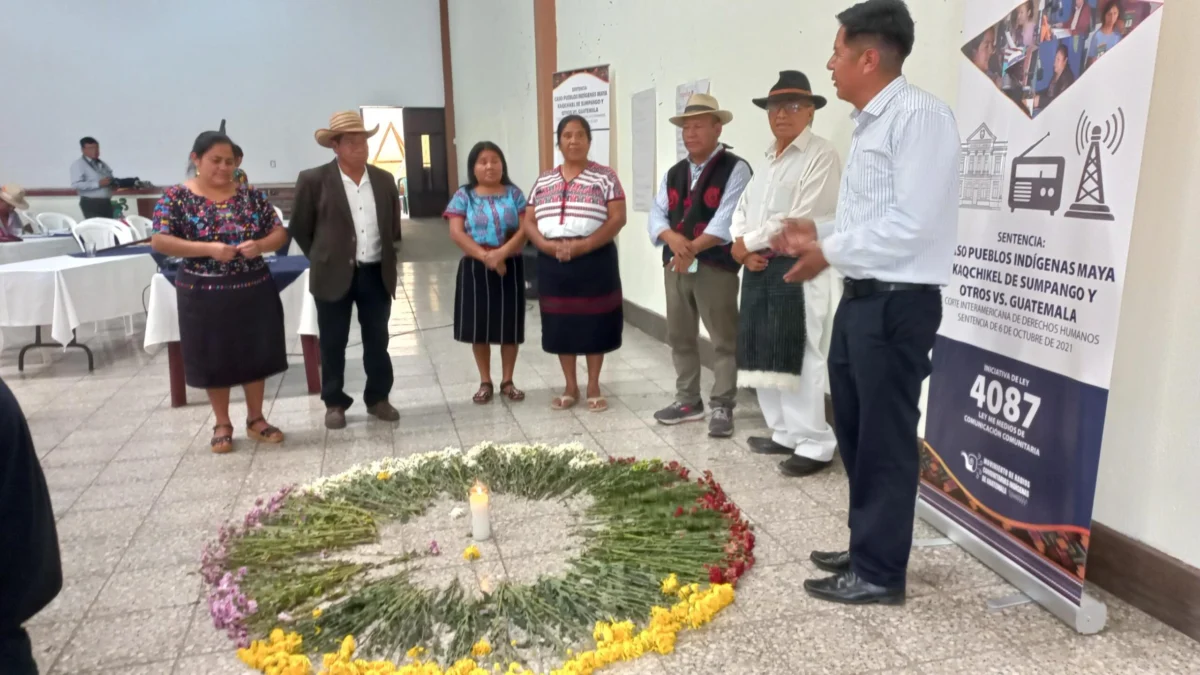
Guatemala City — Indigenous communities, ancestral authorities, and civil society leaders have officially unveiled a comprehensive package of strategic amendments to revive Bill 4087, known as the Community Media Law, marking a critical turning point in a decades-long struggle for freedom of expression. The announcement, delivered during a high-profile press conference at the Legislative Palace, comes in the wake of a historic binding judgment by the Inter-American Court of Human Rights (IACHR) that found the Guatemalan State liable for systematically violating the fundamental rights of Indigenous Peoples through discriminatory telecommunications regulations.
The renewed legislative push seeks to dismantle an entrenched broadcast oligopoly that has effectively criminalized and silenced Indigenous community broadcasting for nearly three0 years. With the proposed amendments carefully structured to comply with national congressional regulations, the spotlight now shifts to Guatemala’s lawmakers, who face mounting domestic and international pressure to rectify historical inequalities and democratize the nation’s radio frequency spectrum.
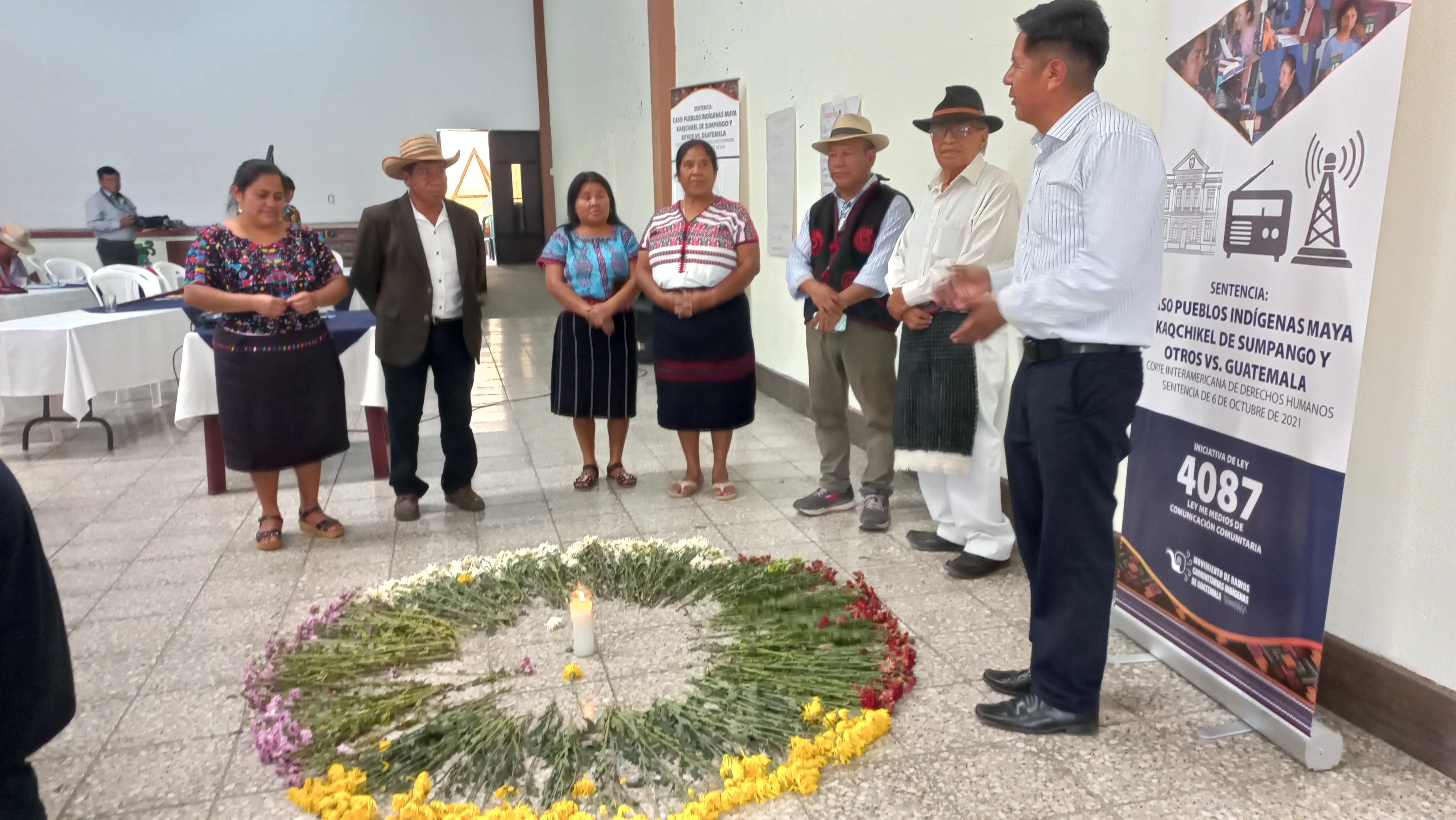
A Legacy of State-Sanctioned Exclusion: The Legal Framework
Freedom of expression is widely recognized under both international law and the Inter-American human rights system as an inherent, non-negotiable right that must remain free from censorship or prior authorization. However, for the Maya, Xinca, Garifuna, and other Indigenous populations constituting the demographic majority in Guatemala, this foundational principle has been systematically denied.
The structural foundation of this exclusion was cemented with the passage of the General Telecommunications Law (Decree 94-96) in 1996. Promoted ostensibly as a modern, democratic, and market-open regulatory framework, the legislation deliberately incorporated mechanisms that undermined the cultural and communicative rights guaranteed under the nation’s Peace Accords. By mandating commercial auctions as the exclusive legal mechanism for acquiring radio frequencies, the law effectively priced impoverished Indigenous communities out of the airwaves.
Rather than fostering a pluralistic media landscape, Decree 94-96 fortified an international monopoly and domestic oligopoly over broadcasting and telecommunications. For three decades, community radio stations operating without formal state recognition have faced administrative harassment, police raids, confiscation of equipment, and criminal prosecution under telecommunications sabotage laws, all while state institutions turned a blind eye to commercial monopolies.
Chronology of a Historic Legal Battle
The path from grassroots community resistance to an international human rights tribunal spans more than two decades of dedicated organizing, legal exhaustion, and strategic litigation:
- 1996: The Guatemalan Congress passes the General Telecommunications Law (Decree 94-96), establishing commercial auctions as the sole method for obtaining radio frequencies and effectively excluding Indigenous and community broadcasters.
- 2002–2010: Following years of grassroots demands by the Community Radio Movement, the first legislative initiatives are introduced. Bill 4087 (the Community Media Law) is formally drafted and receives a favorable congressional committee report in 2010.
- 2016: Bill 4087 advances through its first and second readings in Congress. However, the legislative process abruptly stalls when the Guatemalan Chamber of Broadcasting pressures lawmakers to halt the third reading, highlighting the powerful influence of private corporate sectors over legislative inaction.
- 2012: Having exhausted all domestic legal remedies within Guatemala’s court system, community radio leadership and allied legal advocates strategically shift their focus to the international arena, filing a formal petition against the State of Guatemala before the Inter-American Commission on Human Rights (IACHR).
- 2021: Following years of investigation and procedural review, the case is formally referred to the Inter-American Court of Human Rights. The regional tribunal convenes a high-level trial, ultimately ruling against the State of Guatemala and issuing a landmark judgment mandating seven distinct reparation measures, including the formal legal recognition and regulation of Indigenous community radio stations.
- 2024–2026: Backed by international legal experts, including teams from Suffolk University who supported the litigation, community broadcasters and ancestral authorities conduct exhaustive regional consultations across Quetzaltenango, Cobán, Chimaltenango, and Guatemala City to draft precise legislative amendments to Bill 4087.
- September 1, 2026: Leaders host a formal press conference at the Legislative Palace, presenting the finalized amendments and formally calling upon Congress to secure the 81 votes required to pass Initiative 4087 into law.
Regional Consultations and the Mechanics of Legislative Amendment
To ensure that the revived legislation fully respected domestic legal constraints while fulfilling the rigorous mandates of the international court, project leaders undertook a meticulous consultative process. Under Article 118, Section C, of the Organic Law of the Congress of the Republic of Guatemala, amendments to a bill are strictly capped at a maximum of 30 percent of its total content. These adjustments can take the form of additions, deletions, total substitutions, or partial substitutions.
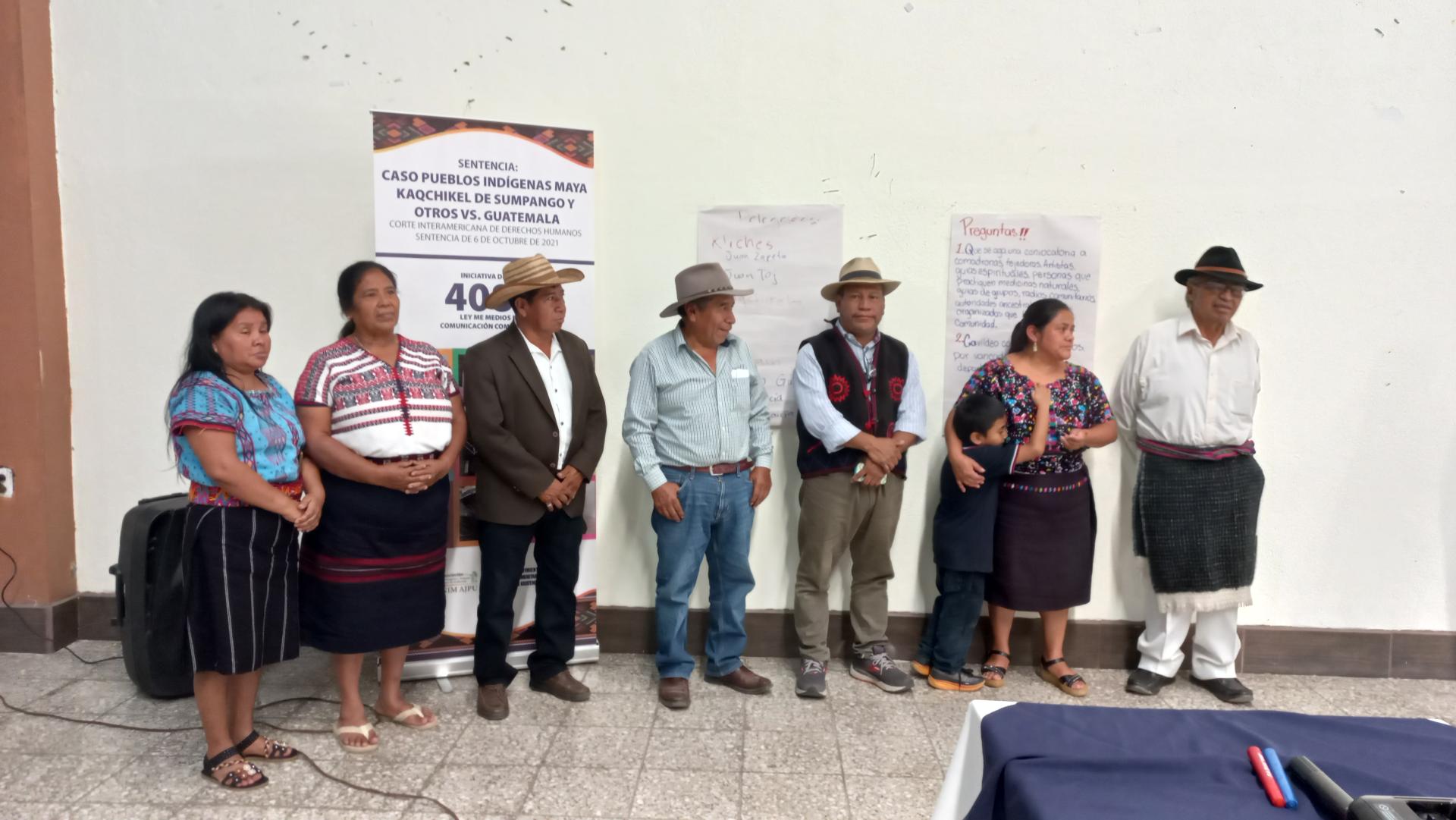
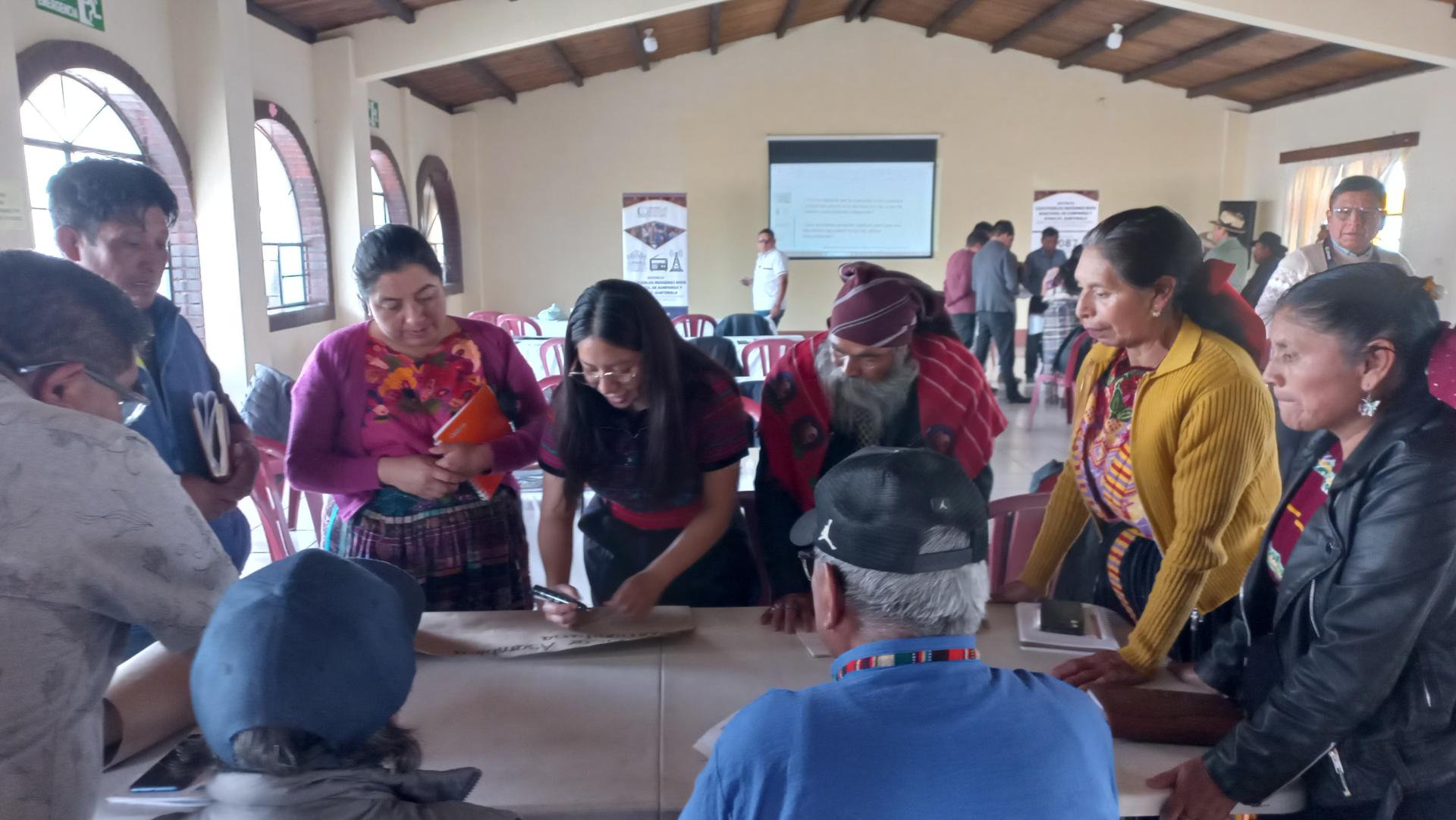
To navigate these legal parameters successfully, organizers planned four major regional forums spanning Quetzaltenango, Cobán, Chimaltenango, and the capital city. These convenings brought together ancestral authorities, community radio operators, regional leaders, and international legal scholars—including specialized attorneys from Suffolk University who have accompanied the litigation and implementation phases.
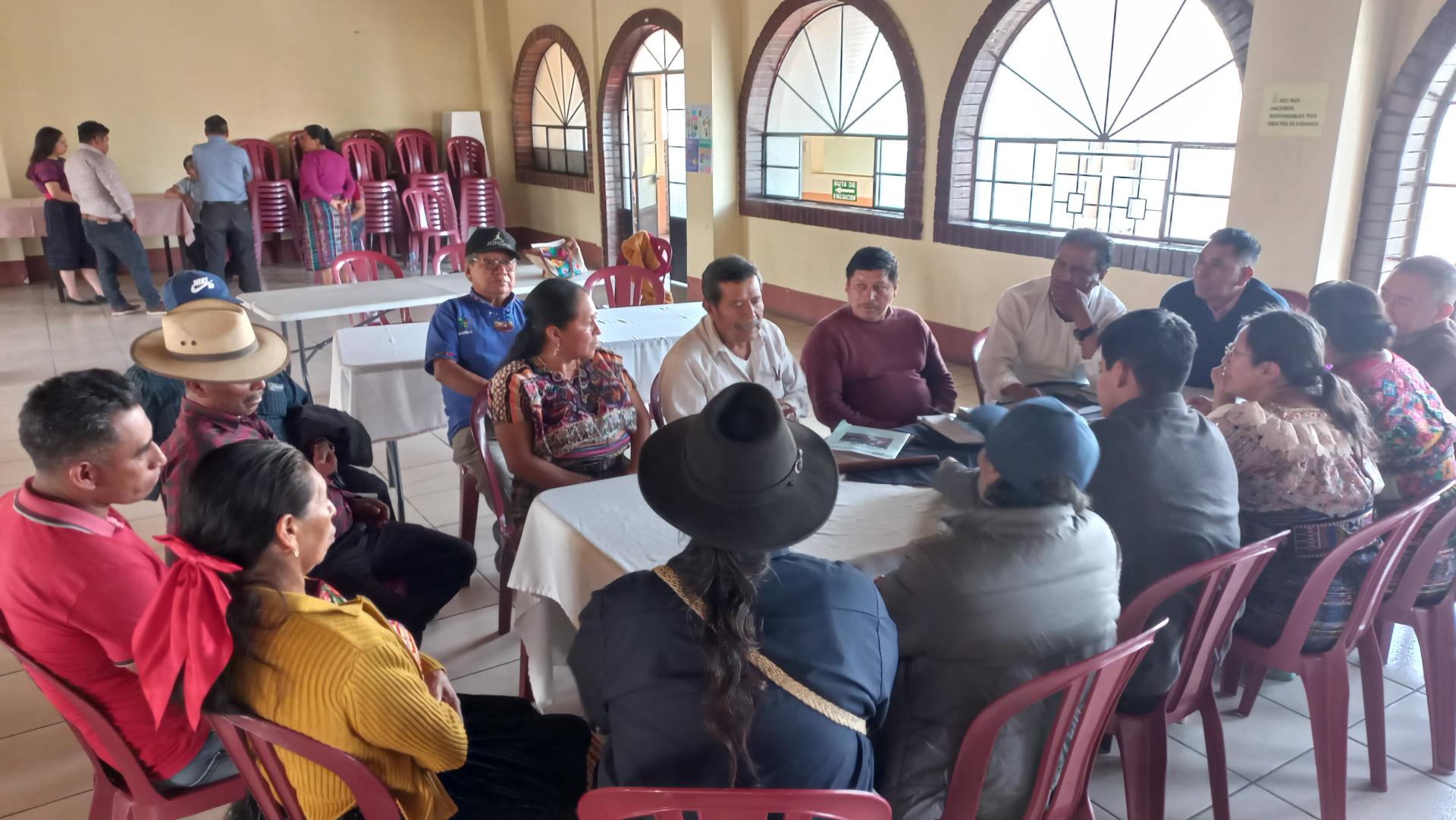
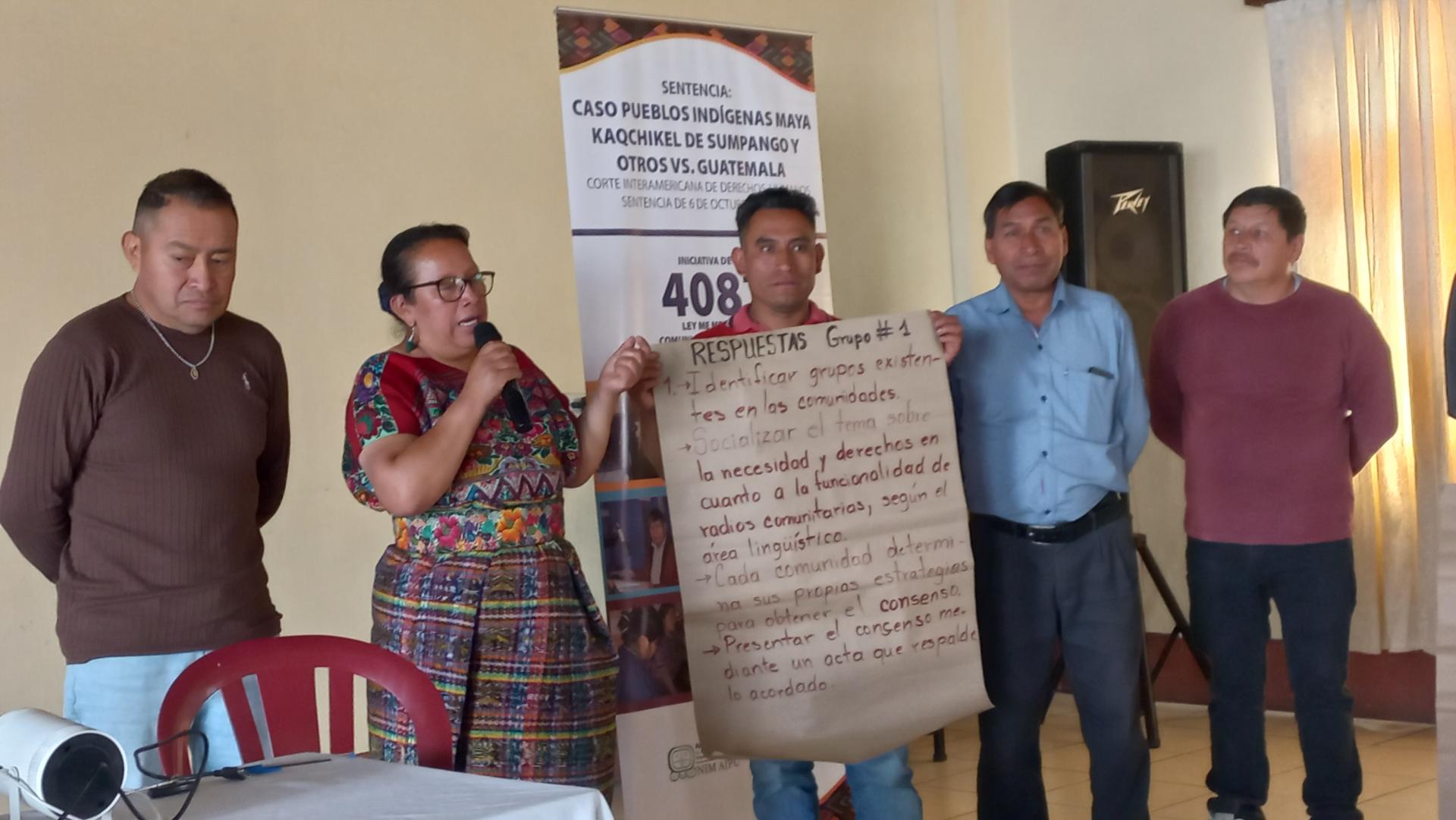
Through intensive deliberation over the bill’s 24 articles, participants reached a consensus on seven targeted amendments that precisely maximize the allowable 30 percent threshold. These carefully calibrated adjustments address structural deficiencies while incorporating modern administrative realities:
- Article 1 (Purpose): Amended via addition to establish an explicit, distinct legal category for Indigenous community radio stations, ensuring formal recognition within the national telecommunications schema.
- Article 4 (Definition): Updated through a partial amendment to precisely define the public service provided by community stations within their ancestral territories, explicitly recognizing the cultural participation of the Maya, Garifuna, and Xinca Peoples.
- Article 8 (Creation): Enhanced via addition to mandate institutional collaboration between the Superintendency of Telecommunications (SIT) and the newly empowered National Council for Community Media, streamlining the creation of implementing regulations and the assignment of radio frequencies.
- Article 9 (Composition): Restructured to ensure direct self-representation, proposing the inclusion of four delegates from ancestral authorities and four representatives from Indigenous community radio stations on the National Council for Community Communication. Technical experts from SIT and the Council will participate in an advisory capacity with voice but no vote.
- Article 11 (Council Powers): Updated through a partial deletion to reflect institutional name changes within the executive branch—specifically updating references to the Ministry of Communications, Infrastructure, and Housing—while reinforcing the core operational characteristics of community media.
- Article 15 (Allocation Criteria): Revised to guarantee that local communities remain the primary beneficiaries of spectrum allocation, establishing explicit preference criteria for Indigenous community broadcasters.
- Article 19 (Frequency Reservation): Directly addressing the historical lack of democratic criteria in national legislation, this article introduces an equitable, tripartite distribution of the radio frequency spectrum: 33 percent reserved for Indigenous community radio use, 33 percent allocated for commercial broadcasting, and 33 percent designated for state use.
Official Responses and Stakeholder Perspectives
The rollout of the amended Bill 4087 has generated significant commentary from human rights defenders, legal analysts, and Indigenous organizational leaders who view the initiative as a test of Guatemala’s democratic institutions.
"For decades, the Guatemalan state has protected an information monopoly that treats our languages, cultures, and worldviews as invisible," noted a representative of the national Community Radio Movement during the legislative press conference. "The ruling of the Inter-American Court was an undeniable validation of our inherent rights. These amendments are not a petition for charity; they are a necessary legal mechanism to correct a historic wrong and to comply with international obligations that our government is legally bound to respect."
International legal observers have similarly emphasized the binding nature of the IACHR judgment. Human rights advocates point out that failure to comply with the court’s reparation orders places Guatemala in ongoing non-compliance with its regional treaty commitments under the American Convention on Human Rights. Legal scholars from supporting institutions have stressed that the proposed amendments are meticulously engineered to withstand domestic judicial scrutiny while fully satisfying the international standards set forth in San José.
Conversely, historical opposition from commercial broadcasting interests—represented primarily by corporate media chambers—has traditionally framed community broadcasting as unregulated piracy that threatens technical interference. However, proponents of Bill 4087 counter that modern frequency management, combined with the technical oversight mechanisms embedded within the proposed National Council for Community Communication, ensures orderly, regulated, and interference-free administration of the airwaves.
Fact-Based Analysis of Broader Implications
The legislative battle over Bill 4087 carries profound implications extending far beyond telecommunications policy, touching directly upon issues of racial discrimination, democratic governance, and rule of law in Guatemala.
Democratization of Information
By dismantling the 33-33-33 spectrum distribution model, Guatemala would align itself with progressive regional standards that recognize the electromagnetic spectrum as a finite public good belonging to the entire population, rather than a private asset reserved for commercial bidders. This pluralism ensures that rural and marginalized populations gain access to vital public health alerts, educational programming, disaster response coordination, and cultural preservation content broadcast in their native Indigenous languages.
Combating Structural Racism
The IACHR ruling explicitly linked the suppression of Indigenous community radio to systemic racial discrimination within Guatemalan state institutions. Passing Bill 4087 would represent a tangible, structural step toward dismantling institutionalized racism, signaling that the constitutional rights of Indigenous Peoples are enforceable and protected against corporate lobbying.
Legislative and Political Test for Congress
For the current legislature, taking up and approving Initiative 4087 with the necessary 81 votes serves as an immediate barometer of political will. Passing the law would demonstrate to the international community that Guatemala’s state bodies are capable of upholding human rights judgments, respecting international jurisprudence, and responding to the legitimate democratic demands of its historically marginalized majority populations. As the legislative debate approaches, all eyes remain fixed on the congressional floor to determine whether lawmakers will finally bridge the gap between constitutional promises and lived reality.