The past two years have marked an unprecedented period of rapid-paced experimentation and profound re-evaluation of work, driven by the ongoing global pandemic. This tumultuous era has not only accelerated shifts in operational models but has also brought to the forefront complex societal dynamics, particularly concerning polarization and activism, with significant ramifications for Diversity, Equity, and Inclusion (DEI) within organizations worldwide. As businesses navigate an ambiguous and fast-changing landscape, understanding these evolving trends is critical for fostering resilient and inclusive environments.
The Unsettling Landscape of Division: A Global Phenomenon
The pandemic did not merely introduce new challenges; it exacerbated existing societal fault lines, creating an environment of heightened division and emotional volatility. As societies tentatively emerged from successive lockdowns, a spectrum of emotions — ranging from sadness and loss to fear, a sense of diminished control, and anger — permeated public discourse and, inevitably, the workplace. Research conducted across 17 countries revealed a stark increase in perceived societal division, with approximately 60% of people reporting that their communities felt more fractured than before the pandemic. This represented a notable 30% rise from pre-pandemic levels, underscoring a rapid acceleration of social fragmentation.
Within the corporate sphere, these divisions manifested in tangible and often contentious ways. Policies such as "no jab, no job," which mandated vaccination for employees returning to offices or interacting with colleagues and customers, became flashpoints. For a significant segment of the population, these requirements were viewed as essential public health measures, crucial for collective and individual well-being. Conversely, for others, they represented an overreach of control, infringing upon personal liberties and autonomy. This dichotomy fueled frustration and fatigue globally, contributing to a wave of unrest that saw over 50,000 pandemic-related protests worldwide. The emotional intensity of this period also led to an alarming phenomenon dubbed "COVID rage," characterized by a significant increase in customer abuse directed towards workers, particularly in the hospitality and service sectors. Reports indicated that up to 80% of employees in these industries had either witnessed or directly experienced such abuse, highlighting the profound psychological toll on frontline staff. Simultaneously, the pandemic amplified existing socioeconomic disparities, widening the chasm between the "haves" and "have-nots," particularly concerning access to vaccinations and, by extension, opportunities for economic recovery. This stark inequality further fueled resentment and a sense of injustice among vulnerable populations.
A Crisis of Trust and the Rise of Generational Activism
Beyond the immediate impact of the pandemic, a long-term erosion of trust in public officials and civic institutions has been a growing concern for years. A global study in August 2021 delivered a sobering insight into this phenomenon, particularly among younger generations. Millennials and Generation Z, the study found, exhibited such deep-seated distrust in traditional governance that they expressed higher "faith in governance by a system of artificial intelligence than by a fellow human being." This preference stemmed from widespread disillusionment with perceived corruption, stagnant political leadership, and persistent threats to physical safety, often linked to surveillance and militarized policing disproportionately affecting activists and people of color.
This crisis of trust converged with a burgeoning wave of social activism. The tragic murder of George Floyd in May 2020 served as a pivotal moment, igniting an unprecedented surge in Black Lives Matter and anti-racism movements across more than 60 countries. This event, alongside numerous other instances of inequality and discrimination, propelled discussions around social justice from the periphery into the very heart of public and workplace discourse. Younger generations, in particular, demonstrated a heightened awareness and intolerance for systemic injustices, leveraging digital platforms to organize, mobilize, and amplify their calls for change. The workplace, no longer an insulated sphere, became a critical arena where these broader societal concerns were actively debated and challenged. Employees, increasingly viewing their employers as powerful societal actors, began to expect and demand that their organizational leaders not only acknowledge but actively address these critical social issues.
The Empowered Employee: Demands for Corporate Accountability
The traditional paradigm of employee-employer relations has undergone a fundamental transformation. Today, employees are not merely seeking employment; they are actively seeking purpose, alignment with values, and a commitment to social responsibility from their employers. Global research indicates that as high as 76% of employees now expect and demand that their workplace leaders take a public stand on key social issues. This expectation is not passive; it is coupled with a strong sense of personal agency. A global survey in August 2021 revealed that 60% of employees felt empowered to act as change-makers within their organizations. More remarkably, 75% globally stated they would take action to advance urgently needed changes, with a significant 40% indicating a willingness to go public through whistleblowing, protesting, or social media posts if they felt their concerns were not adequately addressed internally.
This emboldened stance extends to a resurgence of interest in labor unions, particularly in countries like the U.S., where employees are increasingly looking to collective action to safeguard human rights at work and to play a direct role in reshaping organizational cultures. The sheer scale of this renewed activism was evident in October 2021, when over 25,000 workers were on strike, a substantial increase compared to the average of 10,000 during the preceding three months. These strikes encompassed diverse sectors, from manufacturing to healthcare, underscoring a widespread desire among employees to advocate for better wages, working conditions, and a more equitable distribution of corporate value. This collective action signals a powerful shift in the balance of power, with employees demonstrating a clear resolve to hold their employers accountable not just for financial performance, but for their social and ethical impact.
Leadership’s Litmus Test: The Imperative of Action
In this rapidly evolving landscape, organizational leaders face a critical litmus test. While employees are vocal about their expectations, there appears to be a significant disconnect in leadership’s perceived response. A global survey indicated that only 48% of employees believed their employers were genuinely acting on their stated values. This perception gap carries severe risks, including the erosion of trust, a decline in leaders’ credibility, and a significant drop in employee engagement. The consequences are tangible and impactful, contributing directly to phenomena like "The Great Resignation." Data shows that 33% of employees quit their jobs when their employer failed to speak out about a societal or political issue that the employee felt the organization had an obligation to address.
The era of the "silent executive" on critical DEI and social issues has definitively passed. Lip service, or "nice sounding public statements with no change," is no longer sufficient. Employees and the broader public are demanding authentic action and demonstrable commitment. The new standard for leadership is to embody inclusivity, acting as genuine "allies by action," rather than merely posting supportive messages on social media. This requires leaders to move beyond performative allyship, engaging in difficult conversations, implementing systemic changes, and fostering environments where diverse voices are not only heard but acted upon. Failure to do so risks alienating talent, damaging brand reputation, and ultimately undermining long-term organizational success. The imperative for leaders is to listen, learn, and lead with empathy, courage, and concrete strategies for change.
Navigating the New Era: Strategic Implications for DEI
For organizations committed to Diversity, Equity, and Inclusion, these trends present both significant challenges and unparalleled opportunities. The increased polarization within society necessitates a more nuanced approach to workplace dialogue, creating safe and structured spaces for employees to discuss sensitive issues without fear of retribution. This involves developing robust communication protocols and training leaders and managers in conflict resolution and empathetic listening.
Addressing the crisis of trust requires transparency and consistent action. Organizations must align their stated values with their operational practices, ensuring that DEI initiatives are not merely cosmetic but are deeply embedded in corporate strategy, policies, and culture. This means actively tackling inequalities, reviewing compensation structures, promoting equitable career progression, and holding leaders accountable for inclusive behaviors. For instance, in response to the "no jab, no job" debate, leaders must communicate policies clearly, provide resources for education, and consider reasonable accommodations while prioritizing collective safety. Similarly, combating "COVID rage" demands stronger support systems for frontline workers, including de-escalation training, enhanced security measures, and visible leadership support.
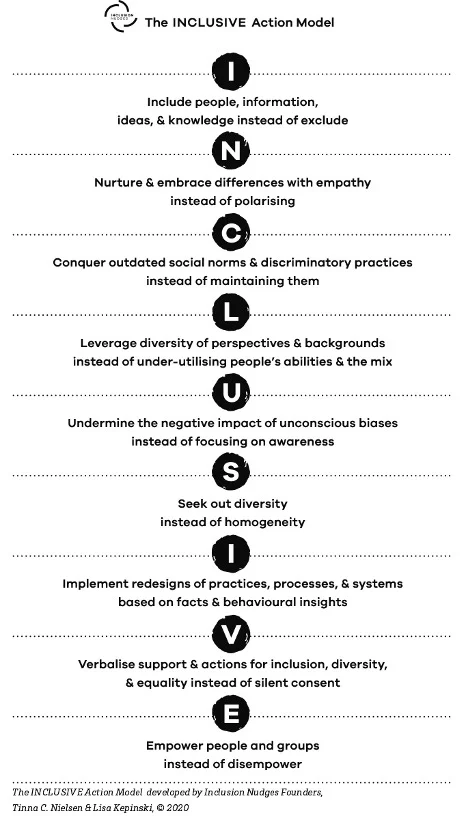
The empowerment of employees as change-makers underscores the need for organizations to harness this energy constructively. Establishing formal channels for employee feedback, supporting Employee Resource Groups (ERGs), and involving employees in co-creating DEI strategies can transform potential dissent into proactive collaboration. Methodologies that leverage behavioral science, such as "Inclusion Nudges," can be invaluable in designing interventions that subtly guide behavior towards more inclusive outcomes, making it easier for individuals to act in alignment with DEI principles. These tools can help organizations "show data to easily see problems & do actions," "counter stereotypes using images & social media," and "re-frame ‘migrant’ to ‘human’," among other practical applications. By proactively engaging with employee activism and treating it as a valuable input for organizational improvement, companies can build a more engaged and committed workforce.
Looking Ahead: The Evolving Future of Work
The shifts observed over the past two years are not transient; they represent fundamental changes in how individuals perceive work, leadership, and corporate responsibility. The future of work will continue to be shaped by these dynamics of polarization and activism, demanding continuous adaptation and an unwavering commitment to inclusive leadership. Organizations that successfully navigate this new terrain will be those that prioritize empathy, foster psychological safety, and demonstrate authentic action on social issues.
The challenges are considerable: maintaining cohesion amidst societal fragmentation, rebuilding trust in institutions, and meeting the evolving demands of an empowered workforce. However, the opportunity for organizations is equally significant: to emerge as beacons of inclusive leadership, setting new standards for ethical governance and social impact. By embracing the imperative to be "allies by action" and leveraging evidence-based strategies to foster inclusion, businesses can transform this era of upheaval into a catalyst for creating more equitable, engaged, and resilient workplaces for all. The insights gleaned from this period underscore that DEI is no longer an optional add-on but a strategic imperative for sustained success in a world redefined by its recent experiences.