
The practice of community sponsorship for refugees is rooted in the fundamental premise that ordinary citizens can serve as the primary architects of a newcomer’s integration into American society. While the concept has gained significant visibility during recent geopolitical crises, its origins within the American Jewish experience date back over 140 years. HIAS, originally established to aid Jewish immigrants fleeing persecution in Eastern Europe, has spent more than a century refining this model of communal support. Today, as the landscape of international displacement shifts, this grassroots approach is being heralded as a critical bridge for families navigating the complex, often isolating reality of starting life anew in a foreign land.
A Chronology of Crisis and Response
The modern iteration of community sponsorship experienced a profound acceleration beginning in 2021. The emergency evacuation of approximately 80,000 Afghans following the withdrawal of U.S. forces created an immediate, systemic demand for resettlement resources. This "all-hands-on-deck" moment necessitated a rapid mobilization of civilian volunteers. The trend continued through 2022, when Russia’s full-scale invasion of Ukraine triggered the largest displacement of people in Europe since World War II, further straining existing federal resettlement infrastructure.
During the period between 2021 and 2024, resettlement agencies like HIAS pivoted to formalize the role of volunteers. Rather than relying solely on professional caseworkers, organizations recruited, trained, and supervised groups of private citizens. These teams committed to providing both financial backing and "in-kind" support, ranging from housing assistance and school enrollment to navigating local labor markets and healthcare systems.
Personal Narratives of Integration
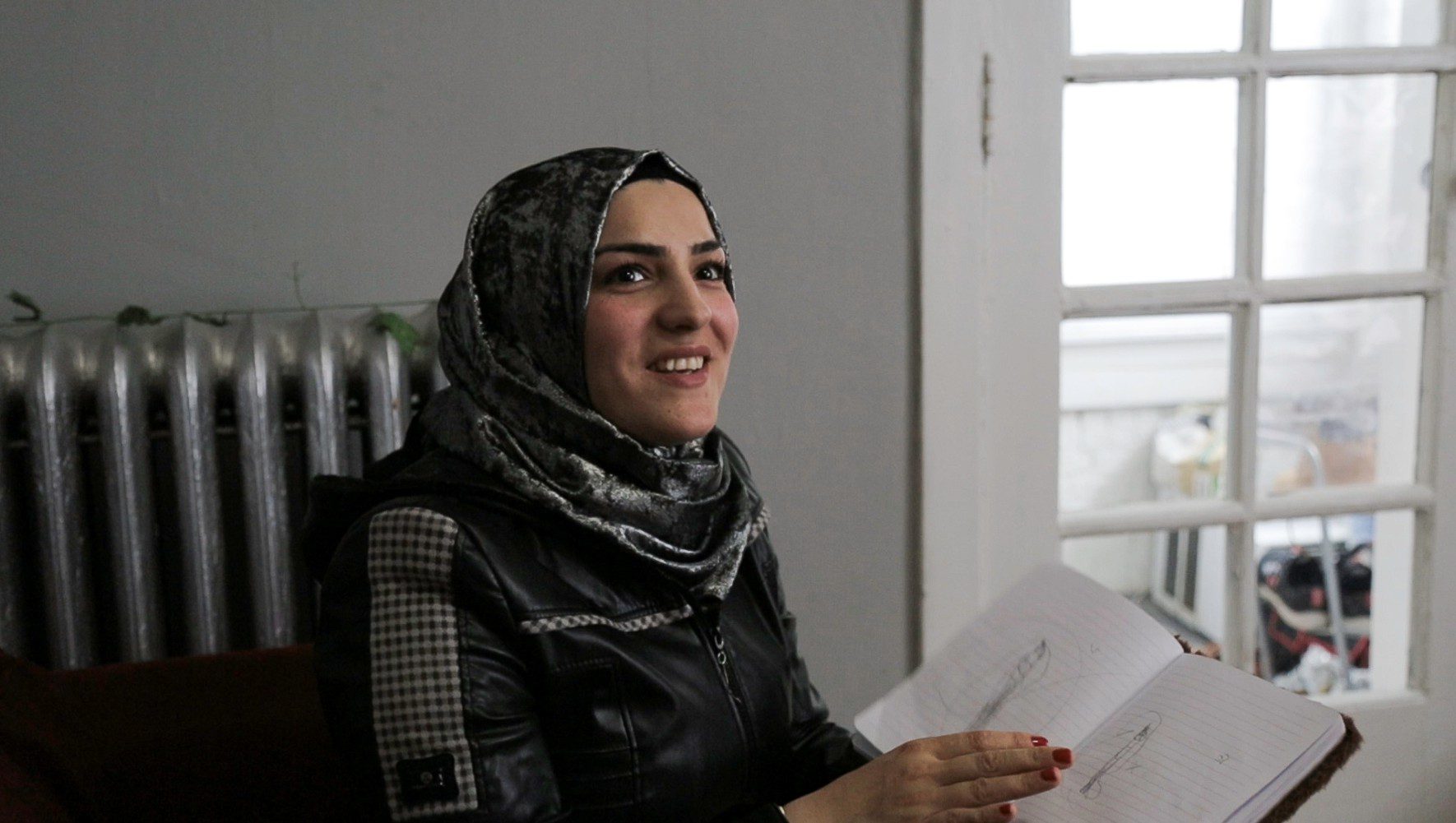
The human impact of this model is best exemplified by the experiences of families like Alaa and Hussam, refugees from Syria who arrived in Chicago after a decade of displacement in Turkey. Having spent years in a state of psychological limbo, the couple arrived in the United States with few resources. They were greeted by a team of volunteers led by Tom, a participant inspired by his family’s long-standing connection to HIAS.
For Alaa and Hussam, the volunteers represented more than just logistical help; they served as a bridge to social integration. Tom’s support helped the family navigate the initial bureaucratic hurdles of banking and employment, but it also provided a necessary sense of security. "It was material support, logistical support, psychological support, everything," Hussam reflected. The presence of a local friend allowed the couple to move beyond the fear of the unknown, enabling them to focus on long-term stability, such as their children’s education and their own professional development.
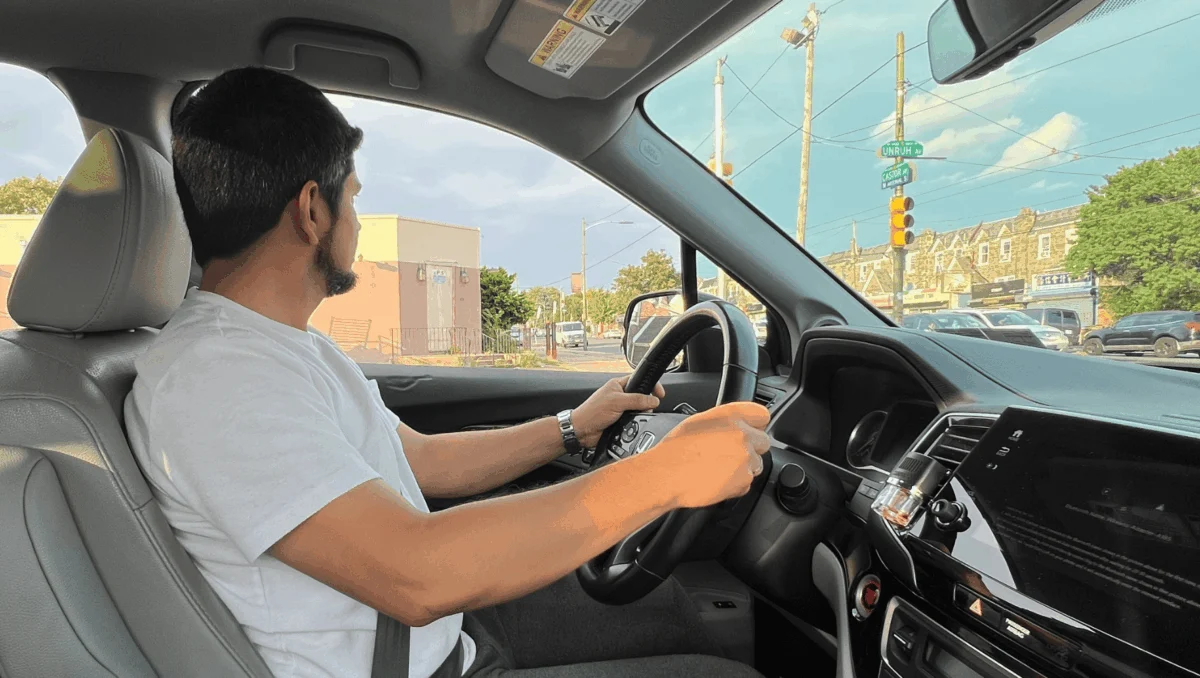
Similarly, Omid, an Afghan refugee resettled in California, faced the dual pressures of head-of-household responsibilities and complex family medical crises. When his mother required surgery at a hospital 50 miles from their home, the presence of a dedicated volunteer—who provided transportation and hours of companionship during the procedure—transformed a traumatic, lonely experience into one of communal support. Omid noted that this level of care made him feel not like a foreigner in a strange land, but like a member of a supportive community.
Supporting Data and Structural Benefits
Statistical evidence suggests that community sponsorship correlates with faster integration outcomes. Professional case managers, such as those at JCFS Chicago, report that refugees supported by volunteer cohorts typically gain a functional understanding of local systems—including transportation, healthcare, and educational requirements—more rapidly than those without such localized support networks.
The model addresses a critical gap in the traditional resettlement apparatus: the "loneliness epidemic." By providing a consistent, friendly face, volunteers mitigate the social isolation that often plagues refugees during their first 18 to 24 months in a new country. This model effectively leverages the energy of civil society, utilizing the localized knowledge of residents to provide a tailored, human-centric approach that professional bureaucracy cannot always replicate.
Official Responses and the 2025 Policy Shift
The trajectory of this movement faced a significant challenge in 2025. Following a change in administration, the U.S. government implemented substantial cuts to the national refugee program, significantly limiting the number of new arrivals and closing previously established pathways to safety. This policy shift created a dichotomy: while new arrivals have been drastically curtailed, thousands of refugees who were settled during the preceding four years remain in the country, actively integrating with the ongoing support of organizations like HIAS.
Andrea Gagne, Senior Program Manager for Private Sponsorship at HIAS, has emphasized that the network of synagogues and community groups remains committed to these families. "HIAS’ network of resettlement partners, synagogues, and other community-based groups have fully embraced this model," Gagne stated. "They don’t just have caseworkers; they have friends."
The policy changes have sparked debate regarding the role of private citizens in foreign policy and humanitarian aid. Critics of the cuts argue that the federal government is abdicating a moral responsibility, while proponents of the administration’s current stance point to national security and budgetary priorities. Regardless of the federal position, the community sponsorship movement persists as an expression of individual agency. As Debbie, a volunteer with JFS Metrowest in Massachusetts, articulated: "When my children and grandchildren ask, ‘what did you do when you saw people in pain and people escaping?’ I want to be able to say I took action."
Implications for the Future of Resettlement
The long-term implications of the community sponsorship model are significant. As the United States navigates shifting political winds, the reliance on private, decentralized networks provides a degree of resilience to the resettlement system. By fostering direct relationships between established residents and newcomers, these programs create a societal "buffer" that can sustain families through periods of reduced government support.
Furthermore, the model creates a "virtuous cycle" of civic engagement. Many former refugees, once stabilized, express a desire to serve as sponsors themselves. Hussam, now two years into his life in Chicago, has already begun discussing the possibility of "returning the favor" by volunteering for future arrivals. This suggests that community sponsorship is not merely a service-delivery mechanism, but a tool for civic integration that encourages long-term participation in the American democratic fabric.
Analysis of the Current Landscape
The current status of refugee resettlement is characterized by high levels of civic interest tempered by institutional volatility. Reports from the Walder Foundation and other stakeholders highlight that the success of these programs is heavily dependent on the quality of training provided to volunteers. HIAS and its partners—including Commonpoint, JCFS Chicago, and JFCS East Bay—have developed standardized curricula to ensure that volunteers are equipped to handle the legal and psychological complexities of resettlement.
The effectiveness of this model suggests a path forward for other nations grappling with displacement. By decentralizing the "welcome" process, countries can mobilize dormant community resources and reduce the fiscal burden on state institutions. However, the reliance on volunteers also necessitates high levels of coordination. Without the structure provided by established NGOs, the risk of "compassion fatigue" or inconsistent service delivery remains a primary concern for policymakers.
As the program moves forward into the latter half of the decade, the focus of organizations like HIAS has shifted toward sustaining these relationships long after the initial settlement period. The transition from "sponsor" to "friend" is the ultimate goal, signaling that a refugee has successfully transitioned from a dependent status to an independent, contributing member of their local community.
Conclusion
The evolution of community sponsorship in the United States reflects a broader commitment to the principle that the challenges of global displacement can be met, in part, at the local level. While the 2025 policy landscape has introduced new hurdles, the infrastructure built by HIAS and its partners remains a testament to the power of grassroots organization. For families like Alaa’s and Omid’s, these partnerships have provided more than just a roof over their heads; they have provided a foundation for a new life, built on the steady, reliable support of neighbors. The enduring legacy of this work will likely be defined by the resilience of these individual relationships, which continue to thrive regardless of the broader political climate.




