
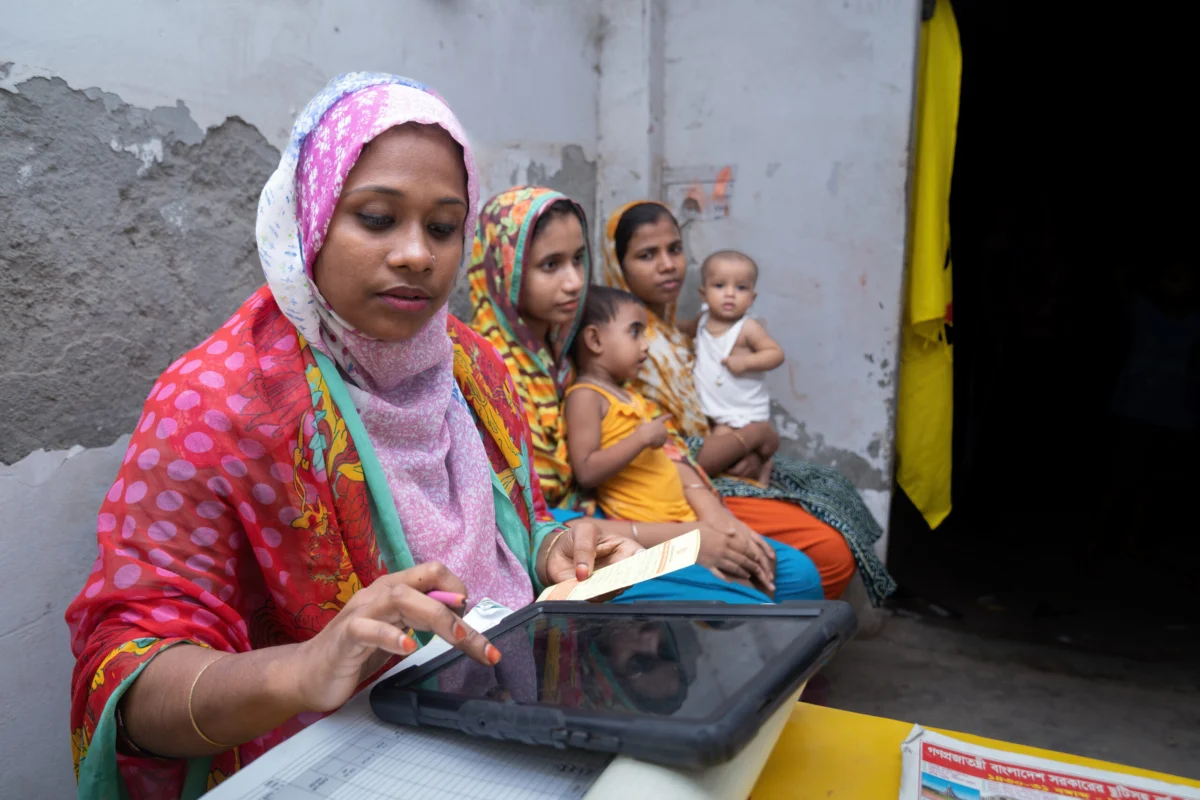
Reaching the world’s most vulnerable children with life-saving immunizations remains one of the most formidable challenges in modern public health. While global vaccination rates have steadily improved over the past several decades, millions of children continue to slip through the cracks of routine healthcare systems. These children are broadly categorized into two groups: "zero-dose" children, who have never received a single dose of the diphtheria-tetanus-pertussis (DTP) vaccine, and "under-immunized" children, who have started their vaccination series but failed to complete it. The persistence of these vulnerable populations is rarely a result of a single barrier. Instead, it is driven by a complex matrix of geographic isolation, service delivery failures, financial constraints, and an acute lack of timely, reliable subnational data.
To effectively address this persistent crisis, public health organizations have increasingly recognized that top-down, standardized interventions are insufficient. National coverage estimates often mask severe inequities at the district and community levels, where zero-dose and under-immunized children frequently cluster in marginalized pockets. Recognizing this critical information and implementation gap, a major international initiative was launched to fundamentally reshape how global health programs identify, understand, and reach these missed populations. At the forefront of this effort has been JSI, a prominent global public health organization that served as the global learning partner for the Gavi-funded Zero-Dose Learning Hub (ZDLH) from 2022 through 2026.
The Genesis and Architecture of the Zero-Dose Learning Hub
The Zero-Dose Learning Hub was established as a multi-year, multi-country initiative financed by Gavi, the Vaccine Alliance, to tackle the root causes of immunization disparities. Operating through an innovative consortium that included JSI alongside the International Institute of Health Management Research and The Geneva Learning Foundation, the ZDLH was structured around a unique hub-and-spoke model designed to foster bidirectional learning.
At the spokes of this model were Country Learning Hubs established in four pathfinder nations: Bangladesh, Mali, Nigeria, and Uganda. These country-level hubs were tasked with generating, synthesizing, and applying rigorous programmatic data and implementation evidence tailored to their specific subnational realities. Simultaneously, JSI and its international consortium partners operated the global hub, providing vital technical assistance, evidence synthesis, knowledge translation, and cross-country coordination.
This architecture was specifically engineered to avoid the pitfalls of traditional international aid, where strategies are devised in global capitals and imposed on local implementers. Instead, the ZDLH established a continuous feedback loop. Questions, operational constraints, and innovations identified by frontline country teams directly shaped the global learning agenda. Conversely, global technical resources were rapidly adapted to meet the real-time needs of implementers on the ground. This dynamic exchange ensured that local realities informed global strategies, and global insights strengthened local execution.
Chronology of a Four-Year Learning Journey
The operational timeline of the ZDLH spanned a critical four-year window from 2022 to 2026, navigating a post-pandemic global health landscape where routine immunization programs were under unprecedented strain.
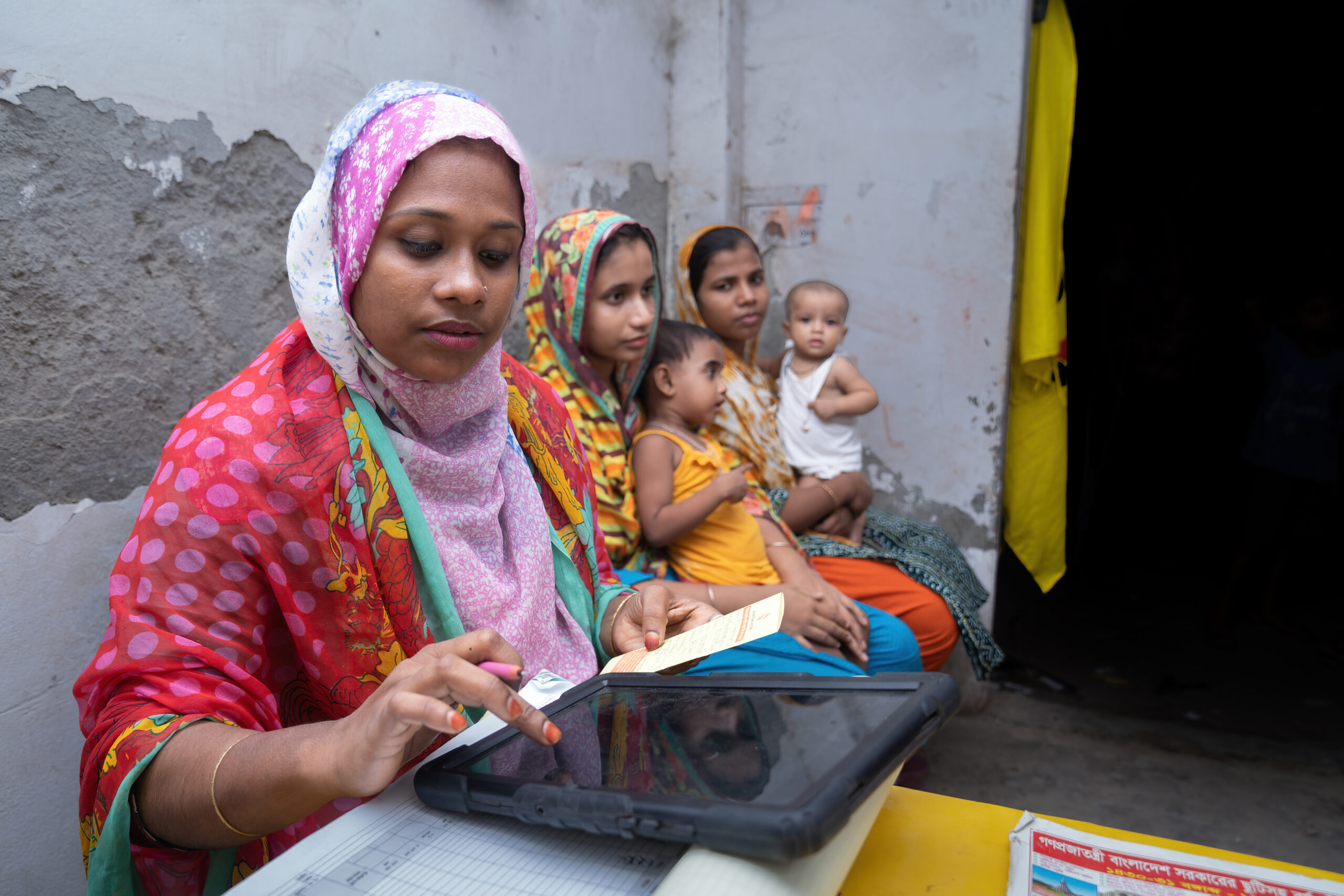
During the initial phase in 2022, the consortium focused on establishing the governance structures of the four Country Learning Hubs, forging partnerships with local academic and research institutions, and designing baseline rapid assessments. Teams in Bangladesh, Mali, Nigeria, and Uganda deployed qualitative and quantitative methodologies—including household surveys, focus group discussions, and administrative data audits—to map out the primary barriers preventing children from accessing routine vaccines.
By 2023, the initiative transitioned into active implementation research and local data generation. Country teams began publishing preliminary findings, revealing stark subnational inequalities. For instance, in Nigeria and Uganda, geographic barriers and nomadic lifestyles frequently disrupted the continuity of care, while in Bangladesh and Mali, urban slum dynamics and fragile community-health worker linkages created distinct operational hurdles. During this period, JSI deployed its demand-driven technical assistance model, stepping in as a collaborative thought partner rather than an external auditor.
Throughout 2024 and 2025, the focus shifted heavily toward synthesis, knowledge translation, and the codification of lessons learned into practical global public health tools. As recurring operational hurdles surfaced across multiple countries—such as the difficulty of evaluating complex public health interventions without randomized controlled trials or the absence of standardized costing frameworks for catch-up campaigns—JSI spearheaded the development of comprehensive, reusable toolkits.
As the initiative reaches its conclusion in 2026, the legacy of the ZDLH is being evaluated not merely by the volume of data collected, but by its institutionalization into sustainable global public health practices and policies.
Data-Driven Insights and On-the-Ground Realities
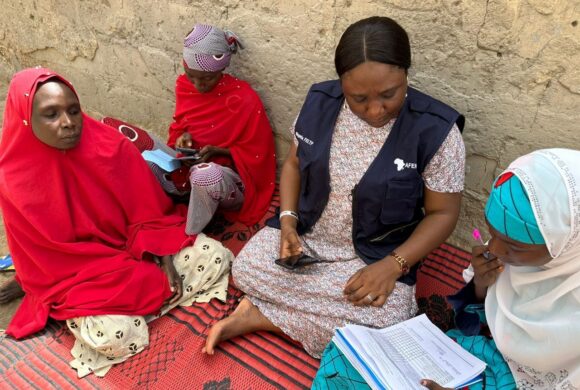
The empirical findings generated across the four Country Learning Hubs provided unprecedented granularity regarding why children remain unvaccinated. In Nigeria, household surveys conducted by the Nigeria Learning Hub in collaboration with bodies like the African Field Epidemiology Network (AFENET) highlighted that caregiver hesitation was frequently compounded by direct out-of-pocket costs associated with seeking care, even when vaccines themselves were technically free. Transportation expenses, lost wages during clinic visits, and informal fees created invisible financial barriers that disproportionately affected impoverished households.
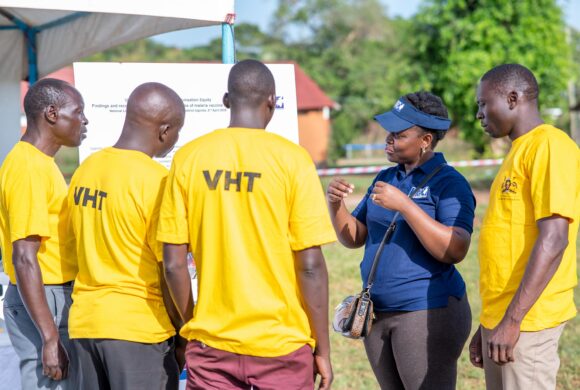
In Uganda, collaborations between the Uganda Learning Hub and local Village Health Teams (VHTs) revealed critical gaps in micro-planning. District-level health managers often lacked the granular data required to allocate outreach resources effectively. Aggregate national statistics suggested adequate coverage, yet localized pockets of zero-dose children persisted within specific pastoralist communities and remote island districts.
In Mali, rapid assessments conducted at community health centers (such as CSCom Central in Tominian) underscored the impact of supply chain fragility and human resource shortages. Facility-based data often failed to capture children who dropped out of the vaccination schedule between the initial Bacillus Calmette-Guérin (BCG) shot and the subsequent measles vaccination.
These country-specific insights shattered the illusion that a one-size-fits-all immunization strategy could succeed. They proved that reaching zero-dose children requires localized diagnostics, decentralized monitoring, and flexible operational strategies that can pivot in response to real-time ground conditions.
The Evolution of Demand-Driven Technical Assistance
A defining hallmark of JSI’s tenure as the ZDLH global learning partner was its pioneering approach to technical assistance. In traditional development assistance frameworks, technical support is often front-loaded and pre-packaged, consisting of rigid training modules or standardized supervisory checklists delivered regardless of context.
JSI replaced this outdated model with a demand-driven paradigm. Operating as a responsive thought partner, JSI tailored its support to the specific, emerging needs identified through implementation research. When a country team encountered an analytical bottleneck regarding qualitative data coding, JSI provided targeted methodological mentorship. When local researchers sought to optimize their rapid assessment protocols, JSI facilitated cross-country peer learning workshops.
This responsive mechanism created an invaluable diagnostic filter for global public health guidance. When a technical constraint surfaced uniquely in one country, JSI provided direct troubleshooting. However, when identical operational hurdles—such as difficulties in measuring the true costs of decentralized interventions or evaluating non-experimental community programs—emerged across multiple hubs, those recurring challenges served as a clear signal that global-level guidance was deficient. By systematically addressing these shared gaps, JSI converted localized country needs into universally applicable public health assets.
Forging Reusable Public Health Goods: The ZDLH Toolkit Suite
The most tangible global legacy of the Zero-Dose Learning Hub is its extensive suite of methodological toolkits and technical resources. Developed collaboratively in direct response to the persistent constraints identified by Gavi, JSI, and the Country Learning Hubs, these resources transcend the boundaries of routine immunization, offering solutions to systemic challenges across the broader global health landscape.
The Theory-Based Evaluation Toolkit was engineered to address a pervasive dilemma in global health implementation: the frequent impossibility of utilizing randomized controlled trials (RCTs) in complex, dynamic community settings. Program managers often need to understand not merely whether an intervention succeeded, but precisely why it succeeded, under what specific operational conditions, and what causal pathways led to the observed outcomes. This toolkit provides implementers with practical methodologies to strengthen causal logic, articulate explicit programmatic assumptions, and execute rigorous adaptive evaluations in real-world environments.
The Immunization Costing Toolkit directly tackles the chronic scarcity of empirical cost data associated with reaching marginalized populations. Traditional economic evaluations often overlook the incremental, bottom-up operational expenses required to track down and vaccinate zero-dose children in hard-to-reach areas. By utilizing an ingredients-based, retrospective costing approach, this toolkit equips program planners, budget analysts, and advocates with the precise financial visibility needed to understand true cost drivers, identify operational efficiencies, and lobby against underfunding that jeopardizes program scale-up.
To combat the information blind spots created by aggregate national reporting, JSI developed the Lot Quality Assurance Sampling (LQAS) Toolkit. Designed to empower decentralized health managers, LQAS is a rapid, statistically robust sampling methodology that allows supervisors to classify specific subnational areas against predefined vaccination coverage targets. By pinpointing precisely which districts or villages are falling behind, program managers can deploy targeted corrective actions rather than wasting resources on blanket interventions.
Finally, the Knowledge Translation Toolkit addresses the historical disconnect between academic evidence generation and actual policy or programmatic change. Recognizing that robust research findings rarely translate into action organically, this companion measurement guidance helps implementation teams systematically plan stakeholder engagement, tailor complex scientific messages for diverse audiences—ranging from community elders to national ministries of finance—and track the trajectory of evidence across the entire knowledge translation pathway, from initial dissemination to final policy impact.
Implications and the Future of Global Immunization Strategy
As the Zero-Dose Learning Hub concludes its foundational four-year mandate in 2026, its broader implications for international health architecture are profound. The initiative demonstrated unequivocally that sustainable progress in immunization coverage cannot be achieved through vertical, supply-driven campaigns alone. It requires building national and subnational capacity to generate local evidence, interrogate data critically, and adapt strategies in real time.
Furthermore, the ZDLH model arrives at a pivotal juncture as Gavi transitions into its sixth strategic period. Global health financing is increasingly constrained, placing a heavy premium on programmatic efficiency, accountability, and country-led prioritization. The tools and methodologies forged through the ZDLH provide Gavi, national governments, and international implementing partners with the empirical backing necessary to justify investments, optimize resource allocation, and protect hard-won public health gains against future systemic shocks.
Public health analysts observing the conclusion of the hub note that its greatest achievement is cultural as much as technical. By fostering an institutional environment where country teams are empowered to ask difficult questions, expose operational failures, and co-create practical solutions, JSI and its partners have established a blueprint for international development cooperation.
Ultimately, the ZDLH experience underscores JSI’s enduring contribution to global health practice: a demonstrated capacity to bridge the chronic chasm between data and learning, learning and operational action, and localized country experience and universal global standards. As public health practitioners grapple with the next generation of infectious disease threats and healthcare delivery challenges, the principles of demand-driven assistance, decentralized monitoring, and intentional knowledge translation will remain indispensable compasses for achieving equitable health coverage worldwide.




