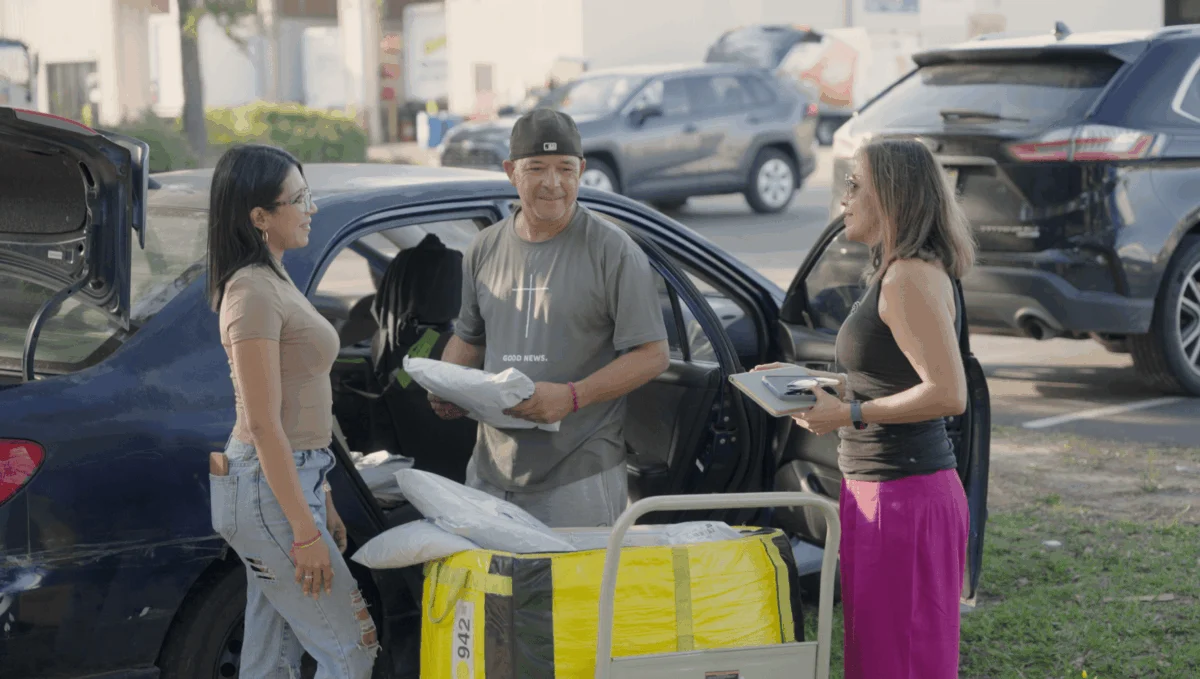
The model of community sponsorship, which empowers private citizens to take an active role in the integration of refugees, has emerged as a cornerstone of humanitarian assistance in the United States, providing a vital lifeline to families fleeing persecution. Rooted in a 140-year-old tradition of mutual aid—pioneered by HIAS to assist Jewish arrivals from Eastern Europe—this grassroots approach has evolved from a historical necessity into a sophisticated, nationwide network. By pairing displaced families with local volunteer groups, the program bridges the gap between federal resettlement infrastructure and the complex, often isolating realities of starting over in a foreign country.
A Chronology of Crisis and Response
The modern era of community sponsorship in the U.S. is marked by two distinct waves of urgency. The first, beginning in the summer of 2021, was catalyzed by the chaotic withdrawal from Afghanistan, which resulted in the rapid evacuation of nearly 80,000 Afghans. Faced with a massive, time-sensitive influx, the U.S. government and humanitarian organizations pivoted toward a decentralized model that relied on local volunteers to provide housing, logistics, and social integration.
This momentum was sustained and accelerated by the 2022 Russian invasion of Ukraine, which triggered the largest refugee crisis in Europe since World War II. During this period, organizations like HIAS, in partnership with local entities such as JCFS Chicago and Jewish Family Service of Western Massachusetts, formalized the training and oversight of volunteer cohorts. Between 2021 and 2024, the Biden administration prioritized these private pathways, allowing citizens to provide financial, material, and emotional support to newcomers, effectively transforming the resettlement process from a purely bureaucratic transaction into a community-led endeavor.
The Human Impact: Beyond Bureaucracy
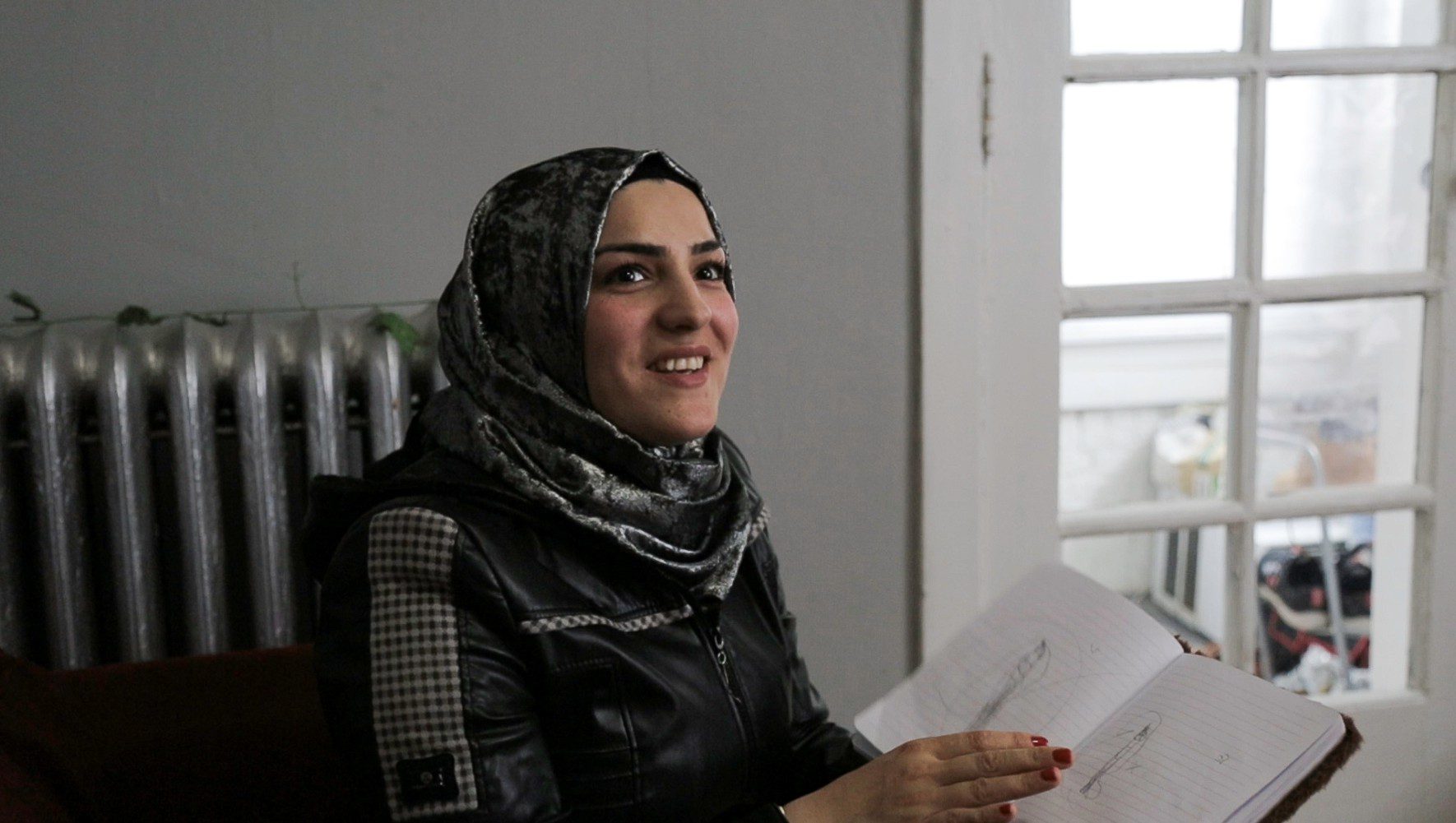
For refugees like Alaa and Hussam, a Syrian couple who endured over a decade of displacement in Turkey, the transition to American life was not merely a logistical challenge—it was a psychological one. Upon their arrival in Chicago, they were met by a volunteer team led by Tom, who had been inspired by his family’s long-standing connection to refugee advocacy.
The impact of this intervention was profound. While professional caseworkers manage the legal and governmental requirements of resettlement, volunteers provide the intangible assets of friendship and cultural navigation. In the case of Alaa and Hussam, the volunteers facilitated basic necessities: bank accounts, employment searches, and the enrollment of their children in summer programming. As Hussam noted, the presence of the volunteer team mitigated the profound fear of navigating a foreign financial and professional system for the first time. "It was material support, logistical support, psychological support, everything," Hussam reflected.
This sentiment is echoed by Omid, an Afghan refugee who settled in California. When his mother faced a serious cancer diagnosis, requiring complex surgery at a hospital 50 miles from their home, the presence of a volunteer at his side transformed a moment of isolation into one of community. The volunteer’s willingness to dedicate an entire day to hospital support provided Omid with a sense of security that he described as feeling "like I am in my own country."
Data and Efficacy: The Case for Sponsorship
Recent reporting by the Walder Foundation and HIAS suggests that the benefits of community sponsorship are measurable. Data collected from resettlement partners indicates that families supported by community groups reach milestones—such as employment, language acquisition, and housing stability—significantly faster than those relying solely on traditional, limited-resource government services.
Amal, a case manager at JCFS Chicago, observed that the presence of a local support network serves as a force multiplier for resettlement professionals. "When you compare families with volunteers and families without volunteers," she noted, "you feel that families who get volunteers here know the city, the rules, and the system faster." By alleviating the burden of daily logistical tasks, volunteers allow refugees to focus on long-term integration, effectively reducing the risk of the social isolation that frequently plagues new arrivals.
Political Headwinds and the Future of Advocacy
The landscape for refugee resettlement shifted dramatically in 2025. Following a transition in federal leadership, the new Trump administration significantly curtailed the U.S. refugee program, implementing sharp reductions in admissions and creating barriers to entry that have effectively closed many of the pathways previously utilized by organizations like HIAS.
Despite these federal policy shifts, the infrastructure built over the previous four years remains in place, acting as a crucial support network for those who arrived before the policy changes. The current environment has prompted a reassessment of the role of private citizens in humanitarian aid. Volunteers, such as Debbie from JFS Metrowest, view their commitment as a moral imperative rather than a political one. "When my children and grandchildren ask, ‘what did you do when you saw people in pain and people escaping?’ I want to be able to say I took action," she stated.
The long-term implications of these developments are significant. The model of community sponsorship has proven that, even in the face of restrictive federal policies, local communities possess the capacity to maintain a culture of welcome. The transition from beneficiary to benefactor is also a key component of this cycle; families like Alaa and Hussam, now well-integrated into their communities, have expressed a desire to eventually serve as volunteers themselves. This cyclical nature of support suggests that community sponsorship is not merely a stopgap measure, but a sustainable model for building social cohesion.
Broader Societal Implications
The success of the community sponsorship model challenges the traditional assumption that resettlement is solely a government responsibility. By integrating the "human touch" into bureaucratic processes, sponsors help to de-stigmatize the refugee experience and foster deeper connections between newcomers and long-term residents.
However, the model is not without its limitations. It requires significant investment in training, oversight, and recruitment to ensure that volunteers are equipped to handle the complex needs of displaced families, particularly those dealing with medical or psychological trauma. Organizations like Commonpoint, JCFS Chicago, and JFCS East Bay continue to play a critical role in standardizing these efforts, ensuring that the enthusiasm of volunteers is directed toward effective, ethical, and sustainable support.
As the U.S. enters a period of heightened restrictions on immigration and refugee admissions, the focus has shifted toward the sustainability of existing relationships. The partnership between refugees and their sponsors is increasingly viewed as a long-term commitment, often evolving into enduring friendships that span years. For many volunteers, the act of sponsorship is an expression of fundamental values—often rooted in religious or ethical traditions—that prioritize the dignity of the stranger.
The persistence of these networks in an era of reduced state support suggests a shift in the American approach to humanitarianism. By moving beyond the binary of "state versus individual," the community sponsorship movement represents a hybrid approach where professional oversight and private altruism converge. Whether this model can withstand prolonged federal austerity remains an open question, but the evidence to date indicates that the bonds formed between refugee families and their sponsors are resilient, impactful, and fundamentally transformative for all parties involved.
For now, the focus of organizations like HIAS remains on the protection of those already within the country, ensuring that the safety and dignity they were promised upon arrival are upheld through the collective action of their neighbors. As the political climate continues to evolve, the resilience of these grassroots networks will serve as a bellwether for the future of humanitarianism in the United States.