
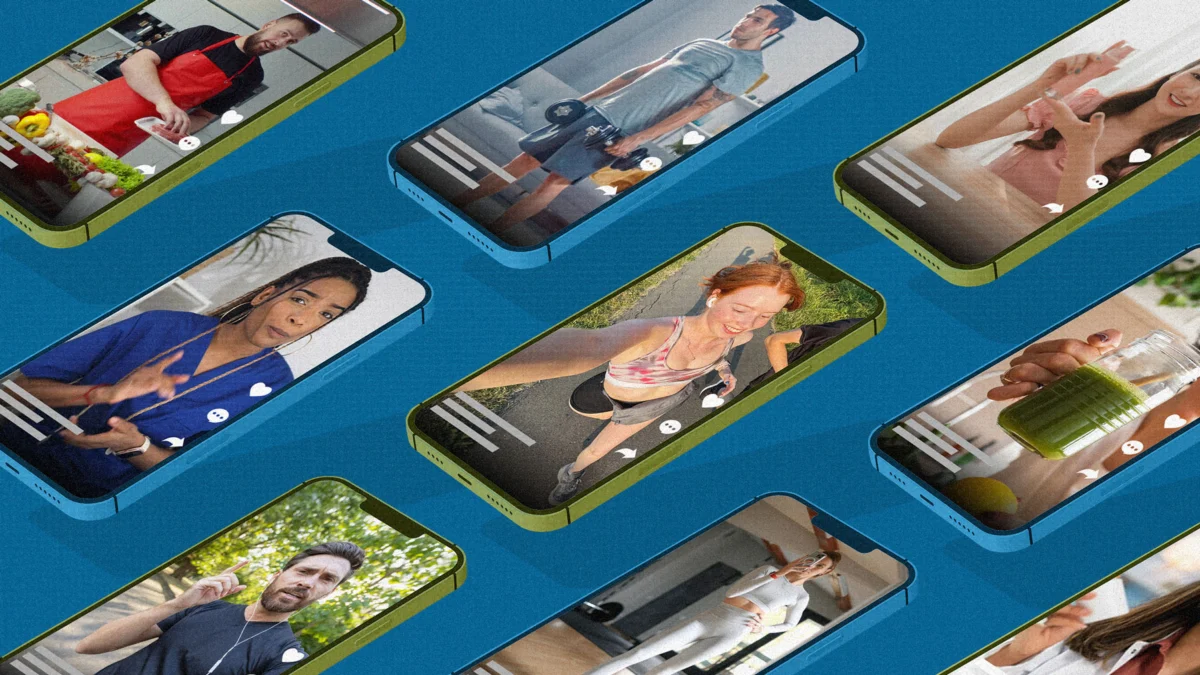
The digital landscape of health and wellness has undergone a seismic shift, with social media platforms serving as the primary delivery mechanism for advice, product endorsements, and lifestyle coaching. A comprehensive analysis by the Pew Research Center, examining over 535,000 posts across Instagram, TikTok, and YouTube from February to April 2026, provides a granular look into the content strategies of 6,334 prominent health and wellness influencers. This data reveals a complex ecosystem where commercial promotion frequently intersects with medical advice, often blurring the lines between evidence-based guidance and curated marketing.
The Content Landscape: A Breakdown of Themes
The breadth of topics covered by these digital creators is vast, reflecting the multifaceted nature of modern wellness. Fitness content remains the dominant pillar, accounting for 25% of all analyzed posts. This is closely followed by content focused on "healthy habits" at 20%, and nutrition, which makes up 19%. Perhaps most significantly, 19% of the posts delve into specific medical conditions, while 14% discuss medical treatments.
While these categories represent the "health" portion of the influencers’ output, the data suggests that these creators are not exclusively confined to wellness topics. In fact, 30% of their total content output falls outside the health and wellness sphere, suggesting that building a personal brand often requires a mix of lifestyle, entertainment, and non-health-related engagement to retain follower interest.
For the influencers themselves, the commitment to these topics varies. While only 25% of all posts are about fitness, a striking 71% of the influencers studied have posted about fitness at least once. This high level of participation suggests that while influencers may specialize, they often maintain a broad portfolio of wellness topics to appeal to diverse audience needs.
The Intersection of Commerce and Care
One of the most critical findings of the 2026 study is the prevalence of commercial activity. Influencers are not merely content creators; they are active marketers. Approximately 38% of all analyzed posts contained a promotion for either a paid or free product or service. This commercial intensity is even more pronounced among specific niches. For instance, 66% of posts regarding over-the-counter (OTC) medications or supplements contained a promotion. Similarly, topics related to men’s health and personal appearance saw promotional rates of 56%.
This data raises significant questions about the nature of consumer trust in the digital age. When an influencer provides guidance on nutrition—where 52% of posts include a promotion—or healthy habits, the consumer must navigate a landscape where the boundary between objective advice and a paid endorsement is often porous. Dietitians and nutritionists, for example, were found to include promotions in 43% of their posts, suggesting that even credentialed professionals are operating heavily within the commercial influencer economy.
Credibility and Caution: Citations and Warnings
The role of expert verification remains a point of contention. The study found that only 9% of posts included a health source citation. This lack of transparency is a recurring concern for medical professionals who fear that anecdotal evidence is being elevated to the level of clinical fact. When broken down by background, researchers were the most diligent, with 30% of their posts citing external sources, while those with "no credentials" cited sources in only 5% of their content.
Simultaneously, the prevalence of "health warnings"—claims that a specific practice could lead to physical or mental harm—appeared in 11% of the total posts. Health policy discussions were the most likely to feature such warnings (46%), followed by men’s health (38%) and discussions about medical conditions (31%). These figures indicate that while many influencers are willing to issue cautionary advice, there is a stark inconsistency in how they validate that advice through scientific literature.
Influencer Profiles and "Go-To" Topics
To understand how these creators build their authority, the researchers categorized their "go-to" topics—defined as a subject discussed in at least 30% more posts than any other. The data reveals that 39% of influencers do not stick to a single primary topic, opting instead to cover a "multiple topic" strategy. Among those who do specialize, 25% focus on fitness and 10% on nutrition.
The pairing of topics also provides insight into the "wellness funnel." The most common topic pairing among influencers is "Fitness and Healthy Habits" (17%), followed by "Healthy Habits and Nutrition" (8%). This indicates that influencers are effectively bundling services and lifestyle advice, creating a holistic, albeit often commercialized, wellness package for their followers.
Chronology and Context: The Rise of the Influencer Economy
The rise of the health influencer is not a recent phenomenon, but the 2026 data reflects a maturation of the industry. Following the global health crises of the early 2020s, there was a surge in public interest regarding personal health, which digital platforms were quick to capitalize on. By 2026, the industry moved from a focus on general wellness to highly specialized content, including longevity research, mental health advocacy, and personalized nutrition.
The regulatory environment has attempted to keep pace with this growth. Agencies like the Federal Trade Commission (FTC) have increased oversight on disclosure requirements for sponsored content, yet the sheer volume of daily posts makes manual enforcement difficult. The Pew study highlights that even with established disclosure rules, the sheer ubiquity of "promotions" within health-adjacent content suggests that the influencer-consumer relationship is fundamentally tied to commerce.
Implications for Public Health
The broader implications of these findings are significant for public health communication. As consumers increasingly turn to platforms like TikTok and Instagram for health information rather than traditional medical channels, the potential for misinformation—or at least, biased information—grows.
Medical institutions and public health experts have expressed concerns that the "influencer-first" model prioritizes engagement metrics—likes, shares, and views—over the nuance required for medical accuracy. When a topic like "medical treatments" is discussed with a 43% promotion rate, the incentive structure is clearly skewed toward product placement rather than patient education.
Furthermore, the study suggests a "credential gap." While influencers with formal medical training (such as doctors and nutritionists) are part of the ecosystem, they are often indistinguishable from those without credentials in the eyes of the average user. This lack of platform-based labeling or verification means that a professional’s advice on medical conditions may appear with the same authority as an influencer’s anecdotal experience.
Future Directions for Digital Wellness
The digital wellness space is unlikely to shrink, but it is likely to face increasing scrutiny. The high frequency of promotions and the relatively low frequency of source citations suggest that the industry is ripe for a shift toward greater accountability.
Some industry analysts suggest that platforms may eventually implement "fact-check" overlays for health-related content, similar to those used for civic integrity during election cycles. Others argue that the responsibility lies with the influencers to adopt ethical standards akin to those of the medical profession, particularly when they reach a threshold of followers that effectively makes them public health communicators.
As of late 2026, the data provides a baseline for understanding that while influencers play a vital role in encouraging healthy behaviors, they are also deeply embedded in a commercial machine. For the user, the lesson is clear: the modern wellness journey on social media requires a high degree of digital literacy, an ability to distinguish between an expert and an enthusiast, and a healthy skepticism toward the products that accompany the advice.
The landscape of health and wellness, as defined by this 2026 analysis, is one of convenience and community, but it is also one where the consumer must act as their own auditor. As the line between influencer and advertiser continues to fade, the reliance on transparent, evidence-based data becomes more necessary than ever. Whether the industry will self-regulate to address these concerns or face stricter external mandates remains a key question for the coming years.




