
The arid and semi-arid lands (ASALs) of Northern Kenya have long defined themselves through a delicate, ancient symbiosis between pastoralist communities and their environment. For generations, groups such as the Rendille, Borana, and Gabra have roamed the expansive terrain of Marsabit County, relying on cattle, goats, sheep, camels, and donkeys as the foundation of their socioeconomic survival. Yet, this intricate pastoral way of life is facing an existential crisis. Driven by a confluence of rising global temperatures, recurring droughts, and unpredictable precipitation patterns, the traditional pillars of Northern Kenyan pastoralism are rapidly eroding, threatening not only livelihoods but the cultural survival of Indigenous populations who have called these harsh landscapes home for centuries.
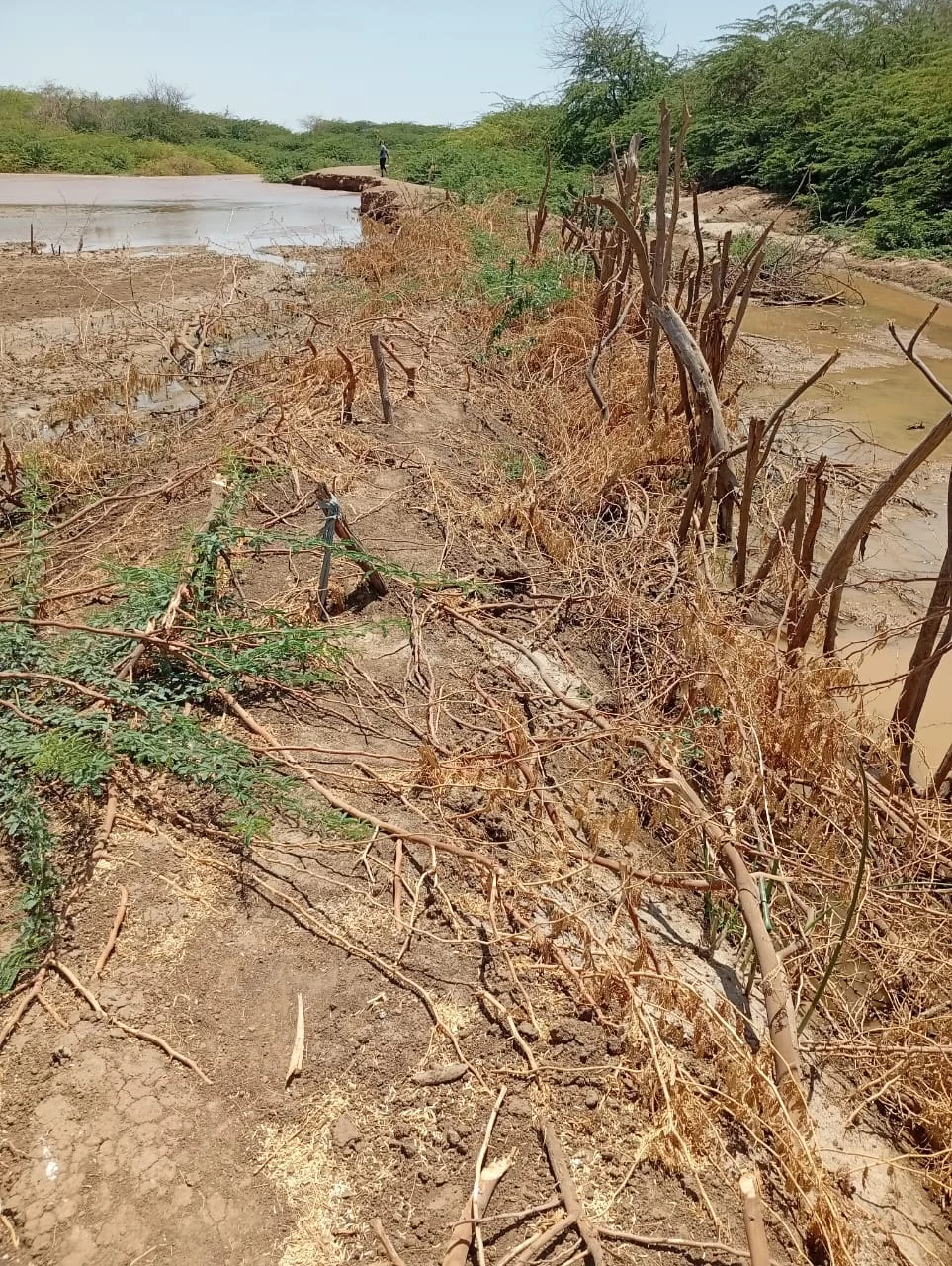
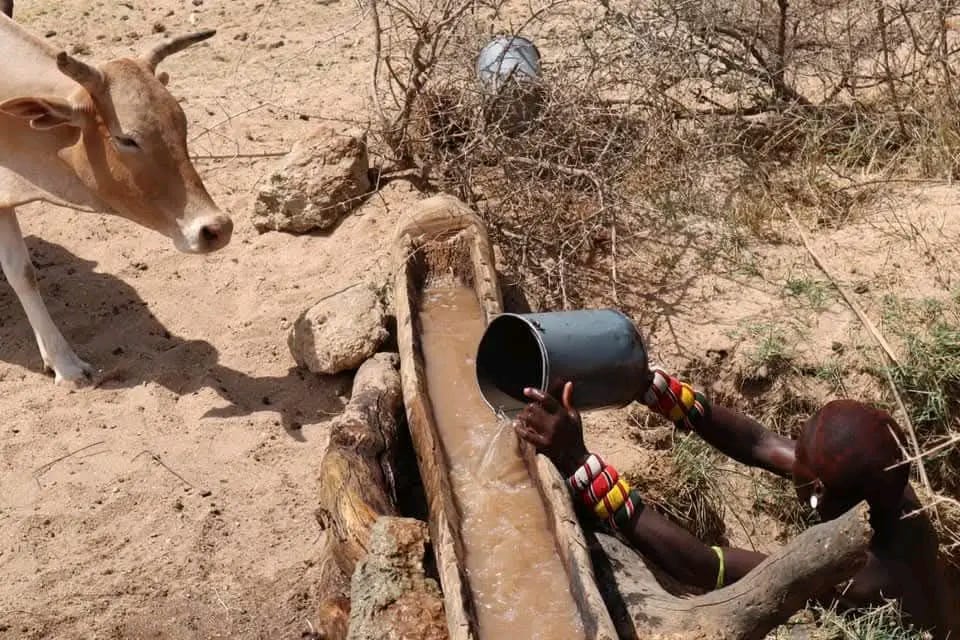
The unfolding humanitarian and ecological crisis in Marsabit is starkly visible in the daily struggles of its inhabitants. Where lush grazing fields once sustained large herds for months on end, vast expanses of dust, hot sand, and stunted thorn bushes now dominate the horizon. Boreholes and traditional shallow wells have dried up across the sprawling county, compelling herders to embark on increasingly perilous journeys in search of water and viable pasture. Many animals succumb to exhaustion and starvation long before reaching these distant, dwindling resources, leaving communities to bear the profound economic and psychological toll of a changing climate.
The Human Face of a Climate Catastrophe
The human dimension of this ecological breakdown is captured in the daily realities of individuals like Nareu Lito. At just 20 years of age, the Rendille woman finds herself on the front lines of a global crisis. Walking her dwindling herd toward distant grazing fields during the chill of early dawn, Nareu embodies the heavy burden shouldered by the youth of northern pastoralist families. Her story, documented during an early morning encounter in Marsabit, reflects a widespread atmosphere of anxiety and grief. For Nareu and thousands of others, the potential loss of livestock is not merely an economic setback; it is the erosion of an entire existence.
In these communities, livestock functions simultaneously as a primary source of sustenance, a dynamic financial institution, and a cultural anchor. A family’s herd is its savings account, insurance policy, and social currency combined. When a cow perishes from thirst or starvation, the immediate consequence is a critical drop in milk production, directly impacting the nutrition of young children. The loss of a goat diminishes a household’s liquidity, making it nearly impossible to cover basic needs such as food purchases, clothing, and school fees. The death of a camel—an animal prized for its resilience and high market value during emergencies—strips a family of its ultimate financial safety net. When a severe drought sweeps through the region, wiping out entire herds in a matter of weeks, it erases decades of accumulated wealth and intergenerational investment. Rebuilding these herds can take years, a recovery timeline that is increasingly impossible as the frequency of climate-induced droughts accelerates.
Historical Context and the Breakdown of Traditional Adaptation
To understand the severity of the current crisis, one must examine the historical context of pastoral resilience in Northern Kenya. For centuries, pastoralism has been defined by mobility. Indigenous knowledge systems allowed elders to read environmental cues, accurately predict seasonal shifts, and guide herds across vast distances to take advantage of dispersed rainfall and localized vegetation. This nomadic or transhumant lifestyle was specifically calibrated to thrive in variable, low-resource environments.
However, the velocity and intensity of contemporary climate change have fundamentally disrupted these historical coping mechanisms. According to meteorological data from the Horn of Africa, the region has experienced a sharp increase in average temperatures over the past three decades, alongside a significant decline in reliable long and short rainy seasons. Rains now frequently arrive late, terminate prematurely, or manifest as destructive flash floods rather than steady, life-giving precipitation. Consequently, traditional ecological knowledge is losing its predictive power. The intervals between severe droughts have compressed dramatically—shrinking from cycles of ten to twelve years down to mere months or consecutive years. This leaves pastoralist families virtually zero recovery window, locking communities into a perpetual state of emergency response and systemic vulnerability.
Socioeconomic Implications and Broader Regional Impacts
The collapse of pastoralism in Marsabit County carries profound ripple effects across the regional and national economy. Livestock production is a cornerstone of Kenya’s agricultural sector, contributing significantly to the national gross domestic product (GDP) and supplying domestic and regional meat markets. The depletion of herds in the northern corridor directly threatens national food security, drives up meat and dairy prices, and exacerbates rural poverty.
Furthermore, the environmental degradation of ASAL regions triggers secondary socio-economic challenges. As grazing lands deteriorate and water scarcity intensifies, resource-based conflicts frequently erupt between neighboring pastoralist communities. Competition over dwindling water points and remaining pasturelands strains traditional peace-building mechanisms, often leading to localized skirmishes, displacement, and increased vulnerability for women and children who bear the logistical burden of resource collection. The erosion of pastoral livelihoods also accelerates rural-to-urban migration, as young people, unable to sustain traditional herds, drift toward regional towns in search of scarce employment opportunities, altering the social fabric of Indigenous societies.
Official Responses, Interventions, and Strategic Gaps
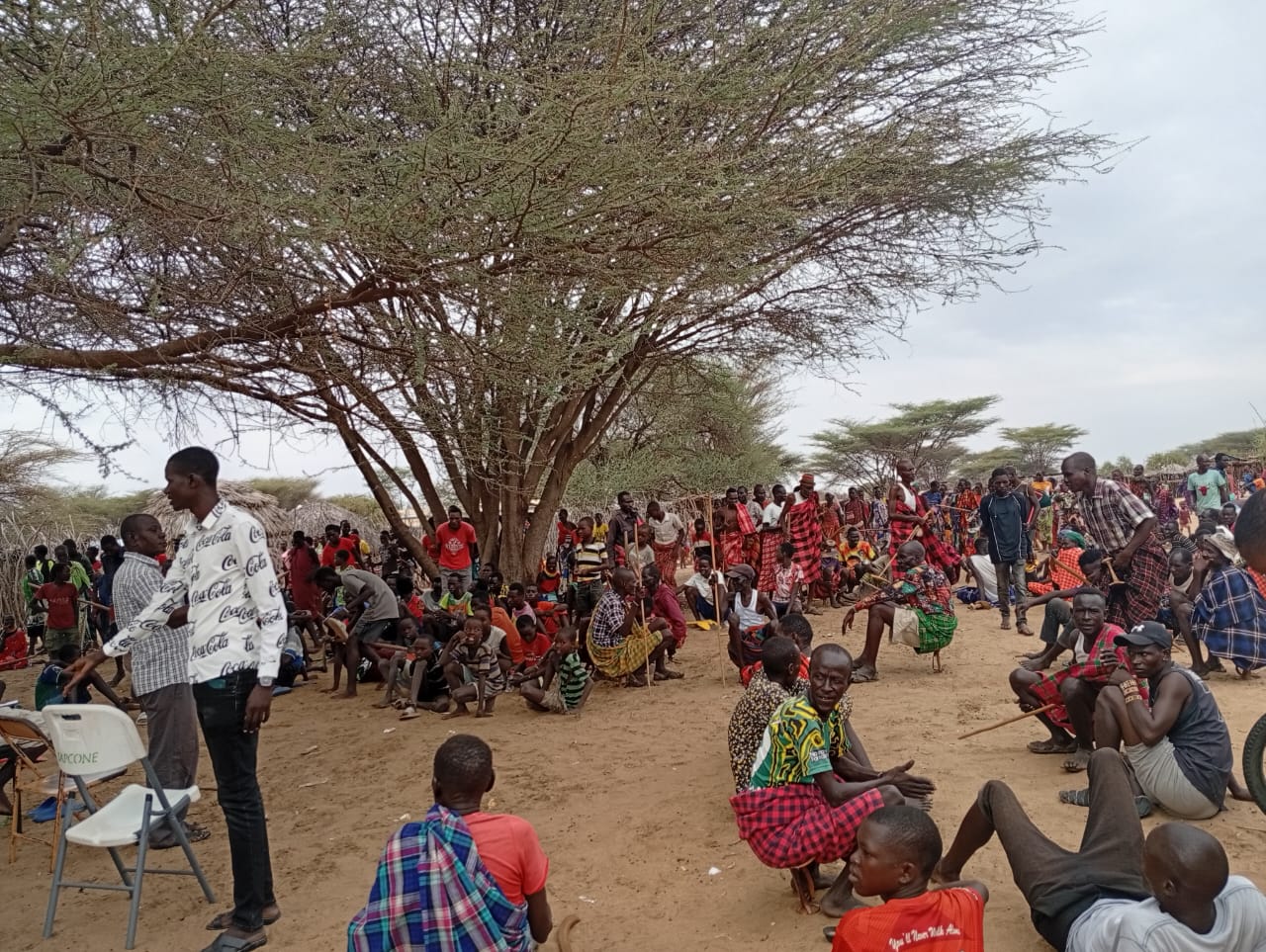
In response to the escalating crisis, a coalition of local and international humanitarian organizations has stepped in to provide vital support. Entities such as the Pastoralist Community Initiative and Development Assistance (PACIDA) and Caritas Marsabit, alongside various faith-based and non-governmental organizations, have deployed emergency relief interventions. These programs typically include water trucking, distribution of livestock feeds, cash-transfer initiatives, and supplementary feeding programs for malnourished children.
Despite these critical stopgap measures, local leaders, civil society actors, and Indigenous rights advocates emphasize that emergency aid alone is entirely insufficient for long-term sustainability. Humanitarian assistance treats the symptoms rather than the root causes of climate vulnerability. Experts argue that safeguarding the future of northern pastoralism requires a fundamental policy shift toward structural resilience.
Key recommendations from regional stakeholders include:
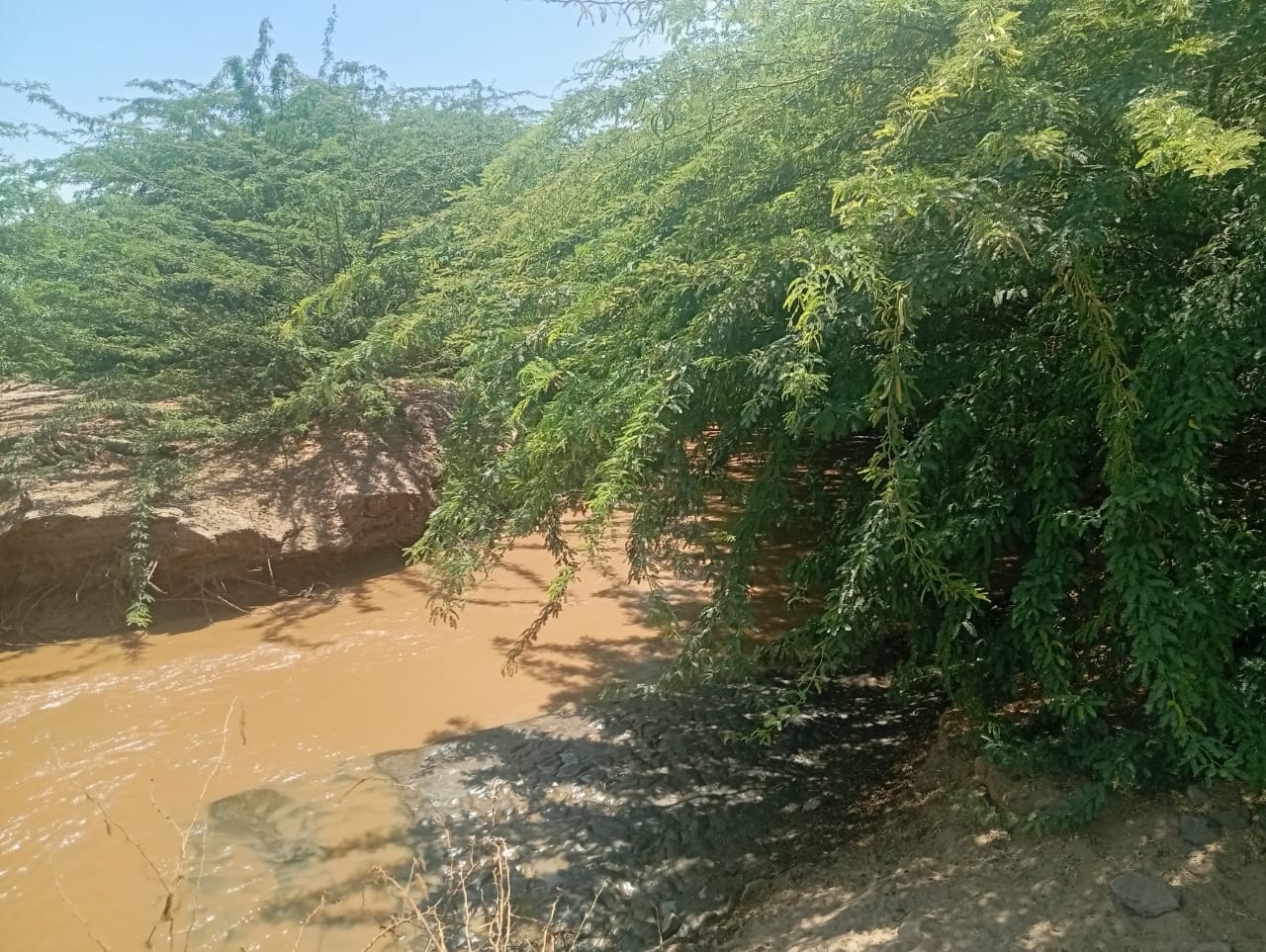
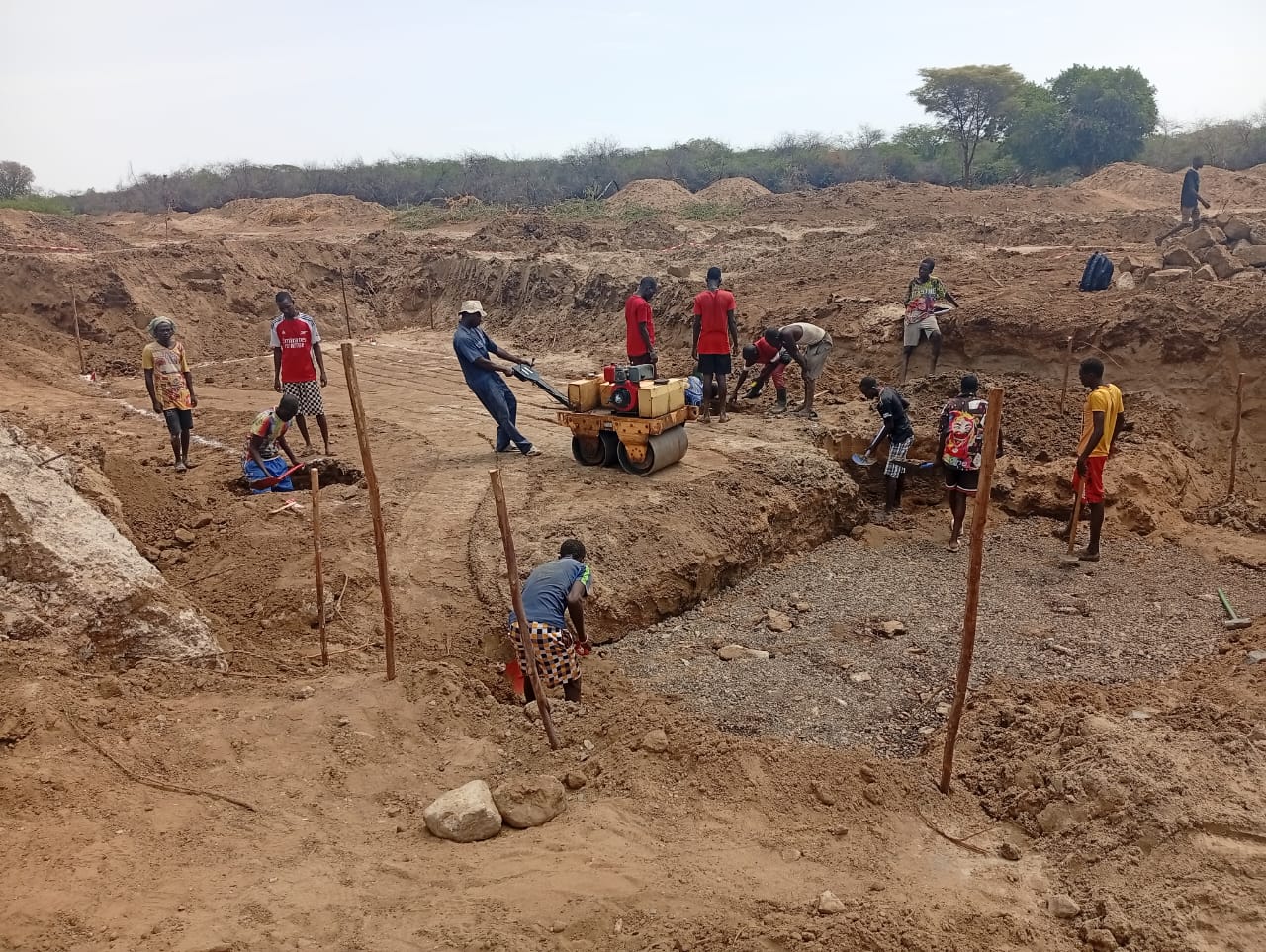
- Water Infrastructure Investment: Constructing deep-well boreholes, modern earth dams, and solar-powered water systems to ensure reliable, long-term access for both human consumption and livestock.
- Index-Based Livestock Insurance (IBLI): Expanding financial safety nets that automatically payout to pastoralists based on satellite data measuring vegetation cover, allowing herders to purchase feed or liquidate assets before mass mortality occurs.
- Alternative Livelihoods and Economic Diversification: Investing in training programs, eco-tourism, gum and resin harvesting, and market-linked value addition to reduce absolute reliance on primary livestock rearing.
- Enhanced Early Warning Systems: Integrating indigenous forecasting methods with advanced meteorological technology to provide herders with timely, actionable data regarding weather patterns and resource availability.
Conclusion: The Fight to Preserve an Indigenous Way of Life
Despite the mounting ecological and economic pressures, the spirit of resilience among the pastoralist communities of Northern Kenya remains unbroken. Every morning, herders still brave the pre-dawn chill to scout for pasture, and communities maintain vital information-sharing networks regarding the status of remote water points. Their persistence highlights a profound cultural determination to protect a heritage that transcends mere economic activity.
In Marsabit County, the loss of livestock is ultimately the loss of a future. As climate change continues to intensify across the Horn of Africa, integrating targeted infrastructural investment, climate adaptation strategies, and Indigenous knowledge systems is paramount. Preserving the pastoral way of life is not only essential for the economic survival of Northern Kenya’s communities but also vital for maintaining the rich cultural diversity and ecological stewardship that have sustained the region for generations.




