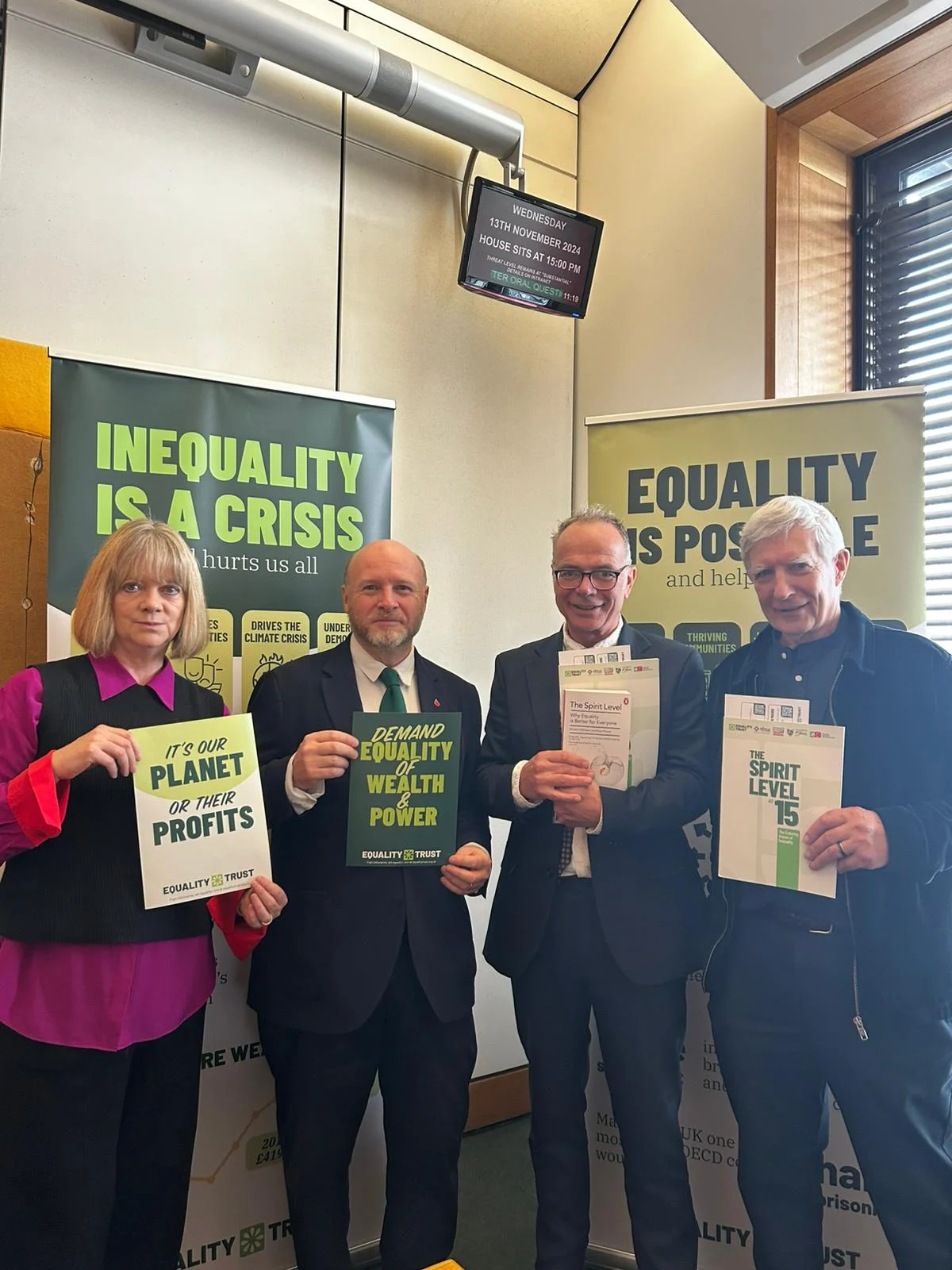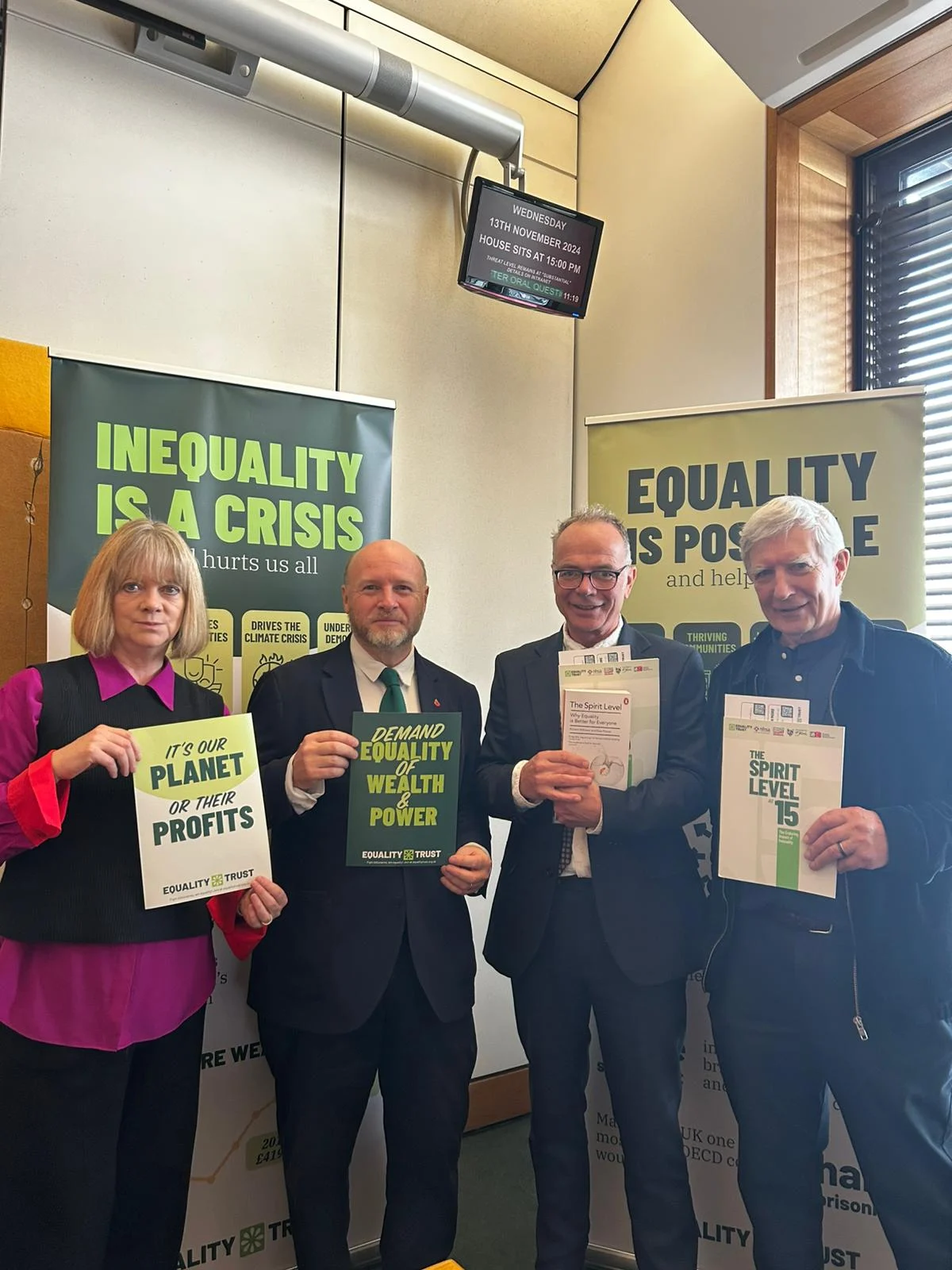
The formal introduction of Professor Kate Pickett’s latest work, The Good Society, took place on February 4, 2026, marking a significant milestone in the ongoing global discourse surrounding socio-economic inequality and public health. Hosted in collaboration with the advocacy group Compass and The Equality Trust, the virtual launch event attracted an audience of over 500 participants, including policymakers, academics, and social justice advocates. The event featured a high-profile panel consisting of Baroness Ruth Lister, environmental journalist George Monbiot, and Green Party politician Caroline Lucas, all of whom joined Professor Pickett to discuss the strategic pathways toward a more equitable social framework.
Professor Pickett, a renowned epidemiologist and co-author of the seminal work The Spirit Level, has spent decades documenting the corrosive effects of income inequality on physical health, mental well-being, and social cohesion. This new publication, The Good Society, is positioned as a culmination of the work she began in 2009 when she co-founded The Equality Trust. While her previous scholarship focused heavily on the diagnosis of societal ills resulting from wealth disparity, this new volume shifts the focus toward proactive solutions and the structural architecture required to sustain a fairer economic model.
Chronology of the Launch and Organizational Background
The digital launch held in early February 2026 was the result of months of coordination between Compass—a think tank dedicated to "Good Society" politics—and The Equality Trust. The event began with an address by Professor Pickett, who outlined the core thesis of her book: that the current trajectory of neoliberal economics is fundamentally incompatible with long-term human flourishing.
The timeline of Pickett’s influence on the British and international policy landscape dates back to the 2009 release of The Spirit Level, co-authored with Richard Wilkinson. That book provided empirical evidence that nearly all social problems—from infant mortality and obesity to incarceration rates and low literacy—are more prevalent in unequal societies. In the years following, Pickett’s research became a cornerstone for the "wellbeing economy" movement.
By 2026, the context for The Good Society has become even more urgent. The event follows a decade of global economic volatility, including the long-tail effects of the COVID-19 pandemic and the subsequent cost-of-living crises that have exacerbated the wealth gap in the United Kingdom and beyond. The February 4 launch served not only as a book promotion but as a strategic assembly for the UK’s leading progressive voices to align on a policy agenda for the late 2020s.
Supporting Data: The Statistical Reality of Inequality in 2026
To understand the necessity of The Good Society, one must examine the empirical landscape of inequality that Pickett and her colleagues seek to address. According to data from the Office for National Statistics (ONS) and the World Inequality Database, the gap between the highest and lowest earners in the UK has remained stubbornly wide over the last decade.
As of the mid-2020s, the Gini coefficient—a standard measure of income inequality where 0 represents perfect equality and 1 represents total inequality—remains significantly higher in the UK than in its Nordic counterparts. Research indicates that the top 1% of households in the UK hold more wealth than the bottom 70% combined. This concentration of resources has direct correlations with the data Pickett presents in her work:
- Life Expectancy Gaps: In the most unequal regions of the UK, there remains a nearly 10-year gap in life expectancy between the wealthiest and most deprived deciles.
- Mental Health: Rates of anxiety and depression are recorded at significantly higher levels in societies with high status-competition, a direct byproduct of extreme income stratification.
- Social Mobility: Data from the OECD suggests that social mobility has stagnated in highly unequal economies, creating what economists call the "Great Gatsby Curve," where high inequality correlates with low intergenerational mobility.
Pickett argues in The Good Society that these are not inevitable features of a modern economy but are the results of specific policy choices regarding taxation, social security, and labor rights.
Panelist Perspectives and Strategic Responses
The launch event was characterized by a multi-disciplinary approach to reform. Each guest speaker provided a unique lens through which the book’s themes could be applied to contemporary British society.
Baroness Ruth Lister, a leading authority on poverty and social citizenship, emphasized the moral and civic dimensions of Pickett’s work. Lister argued that poverty is not merely a lack of resources but a "denial of human rights and dignity." She praised the book for its focus on the "relational" aspects of equality, suggesting that a good society is one where every citizen feels a sense of belonging and agency.
George Monbiot, representing the environmental and investigative journalism sector, connected the book’s themes to the climate crisis. Monbiot argued that the drive for infinite economic growth—often cited as the only way to alleviate poverty within a capitalist framework—is ecologically impossible. He advocated for "private sufficiency and public luxury," a concept that aligns with Pickett’s vision of shared public resources and reduced individualistic consumption.
Caroline Lucas, former leader of the Green Party, focused on the legislative feasibility of the book’s proposals. Lucas highlighted the need for a "Wellbeing of Future Generations Act" in the UK, similar to the legislation passed in Wales. She argued that Pickett’s data provides the necessary "intellectual ammunition" to challenge the Treasury’s traditional reliance on Gross Domestic Product (GDP) as the sole metric of national success.
Core Themes of The Good Society
The Good Society departs from traditional economic texts by prioritizing the psychological and biological needs of the human population. The book identifies several "pillars" of a functional society:
1. Economic Democracy
Pickett advocates for a shift away from top-down corporate governance toward models of employee ownership and cooperative management. The book cites data showing that worker-owned firms tend to have smaller pay ratios between executives and staff, leading to higher job satisfaction and productivity.
2. Pre-distribution vs. Redistribution
While traditional progressive politics focuses on taxing the rich to fund the poor (redistribution), Pickett emphasizes "pre-distribution." This involves structuring the market so that it produces more equal outcomes to begin with, such as through stronger collective bargaining rights and higher minimum wages that reflect the actual cost of living.
3. The De-commodification of Basic Needs
A central argument in the book is that essential services—housing, healthcare, education, and transport—should be insulated from market volatility. Pickett provides evidence that universal basic services are more efficient and equitable than means-tested benefits or privatized models.
Analysis of Broader Implications
The release of The Good Society and the subsequent discussion among high-level influencers suggest a shift in the British political zeitgeist. For years, the arguments presented by The Equality Trust were often relegated to the academic fringes. However, the attendance of over 500 people at a mid-week online launch indicates that these ideas have moved into the mainstream of political thought.
The implications for policy are significant. If the "Pickett Thesis"—that inequality is the root cause of social dysfunction—continues to gain traction, it may lead to a fundamental restructuring of the British tax system. This could include the introduction of wealth taxes, the closing of capital gains loopholes, and a move toward a four-day work week to address the "time poverty" that often accompanies economic inequality.
Furthermore, the collaboration with Compass signifies a move toward "pluralist politics." By bringing together voices from the Labour, Green, and Liberal Democrat traditions, the event signaled a burgeoning consensus on the left that economic reform must be the centerpiece of any future electoral platform.
Official Reactions and Future Outlook
Following the event, representatives from various NGOs and think tanks issued statements reflecting on the book’s potential impact. The Equality Trust released a statement noting: "The Good Society is not just a book; it is a manifesto for the next decade. Professor Pickett has provided the evidence; it is now up to the political class to provide the will."
Critics of the work, primarily from free-market think tanks, have raised concerns that the level of state intervention required to achieve Pickett’s vision could stifle innovation and lead to capital flight. However, Pickett countered these arguments during the launch by pointing to the economic stability and high innovation rates of more equal societies like Sweden and Denmark.
As the recording of the event begins to circulate among policy circles, the focus shifts to the upcoming legislative sessions. Advocates are expected to use the data found in The Good Society to lobby for specific changes in the 2026-2027 budget, particularly regarding social social care and the funding of local authorities.
In conclusion, the launch of The Good Society on February 4, 2026, serves as a pivotal moment for those seeking to redefine the social contract in the United Kingdom. By combining rigorous epidemiological data with a clear vision for institutional reform, Professor Kate Pickett has provided a roadmap that challenges the status quo and offers a scientifically grounded argument for the pursuit of equality. The event’s high attendance and the caliber of its guest list underscore a growing recognition that the health of a nation is inextricably linked to the fairness of its economy.