The landscape of American religious observance is undergoing a significant transformation as an increasing number of adults transition from traditional faith-based practices to secular, personalized holiday rituals. This shift, often characterized by the "unlearning" of childhood religious constraints, has given rise to new cultural milestones that prioritize community, culinary innovation, and the reclamation of personal history. A primary example of this evolution is seen in the modernization of Easter celebrations, where traditional liturgy is replaced by curated social gatherings, such as the construction of elaborate, DIY "Bloody Mary bars" and the establishment of flexible, inclusive traditions. This movement reflects a broader sociological trend among the "religiously unaffiliated"—a demographic that now constitutes nearly 30% of the United States population, according to data from the Pew Research Center.
The Sociological Context of Secular Transition
For many individuals raised in high-frequency religious environments—attending services, youth groups, and choir practices multiple times per week—the process of leaving a church is often accompanied by complex emotional landscapes. Sociologists identify this transition as "religious deconstruction," a period during which individuals unpack the social and psychological frameworks of their upbringing. In the early stages of this transition, many feel a sense of "religious shame" or embarrassment when discussing their backgrounds with secular peers.
However, research suggests that the impulse to celebrate holidays does not vanish with the loss of faith. Instead, individuals seek to retain the "rhythms of the year" while stripping away the theological requirements. This creates a vacuum that is increasingly filled by culinary focus and "chosen family" gatherings. The bonding over shared religious "baggage" has become a cornerstone of social cohesion for many Millennial and Gen Z cohorts, who find common ground in the music, aesthetics, and constraints of their pasts while collectively building new, adaptable traditions.

Chronology of a Modern Tradition: 2020–2024
The timeline of secular holiday development often follows a trajectory of necessity and incremental expansion. The following chronology illustrates how a modern tradition evolves from a response to isolation into a structured annual event.
2020: The Pandemic Catalyst
The onset of the COVID-19 pandemic served as a major accelerant for the creation of new at-home rituals. With public gatherings suspended and travel restricted, individuals were forced to invent ways to make specific days feel distinct from the "amorphous blob" of quarantine life. In the spring of 2020, many secular observers turned to elaborate food and drink projects to anchor the holiday. This period saw the first iteration of the "secular Easter," featuring artisanal charcuterie boards and the initial experimentation with homemade Bloody Marys.
2021–2022: Consolidation and Nostalgia
As the immediate crisis of the pandemic subsided, the focus shifted toward blending secular childhood nostalgia with adult preferences. This phase involved the reintegration of non-religious icons, such as egg-dyeing kits and specific family recipes—notably ham casseroles—that provided a sensory link to the past without requiring religious participation. The introduction of specialty beverages, such as natural and orange wines sourced from independent retailers, marked the professionalization of the holiday’s culinary component.
2023: The Expansion of the "Chosen Family"
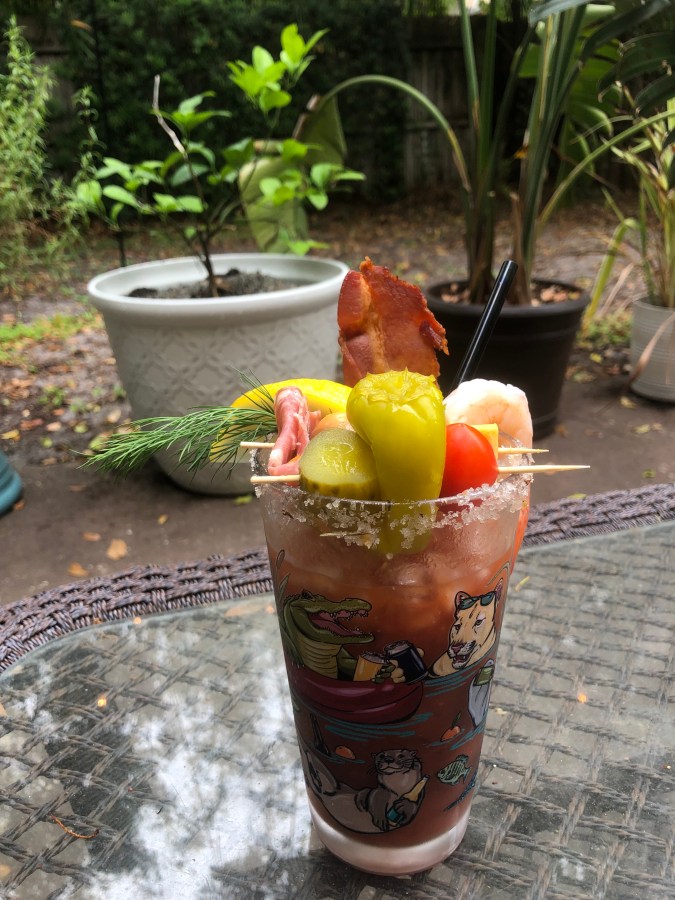
By 2023, the trend moved toward inclusivity and the "additive" nature of secular rituals. Small, intimate gatherings of friends with similar backgrounds allowed for the merging of multiple traditions. This included the adoption of media-based rituals, such as viewing classic film musicals like Easter Parade, and the elevation of the cocktail experience into a sophisticated "garnish bar."
2024 and Beyond: Resilience and Adaptation
Current trends indicate that these traditions are now being maintained even when participants are geographically separated. The resilience of these new rituals suggests they have successfully replaced the "invisible strings" of the past with meaningful, self-directed anchors.
Culinary Innovation: The DIY Bloody Mary Bar as Ritual
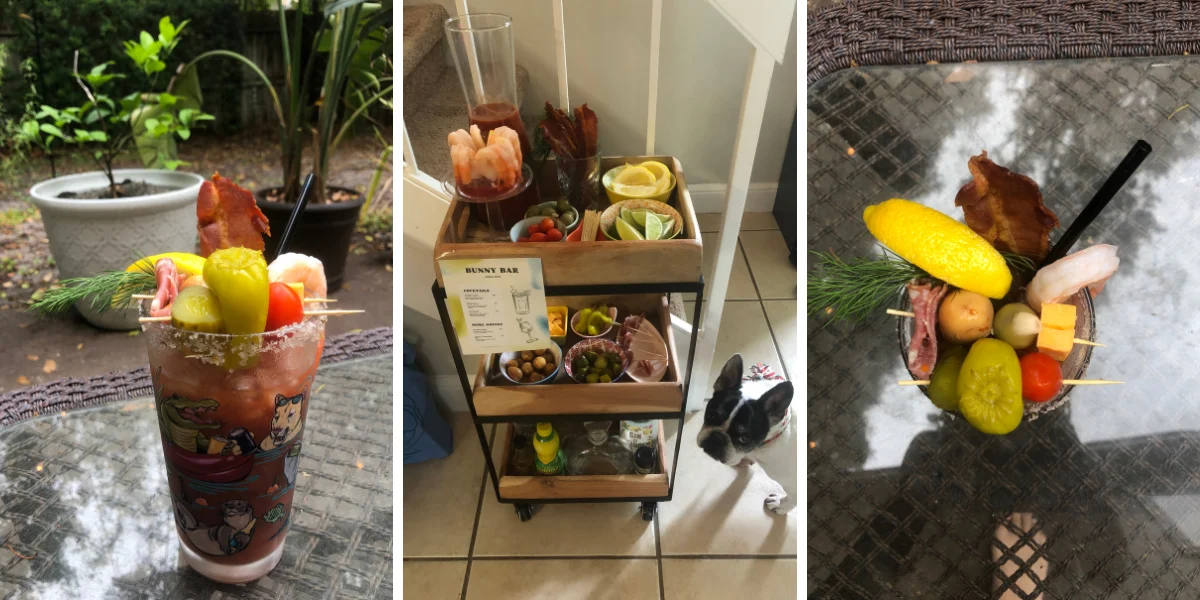
The centerpiece of the modern secular brunch is the highly customized Bloody Mary bar. Moving beyond pre-packaged mixes, the contemporary approach emphasizes artisanal assembly and "wild card" ingredients. This focus on DIY production serves as a form of "slow ritual," replacing the time formerly spent in religious services with focused, creative labor.
The Chemistry of the Mix
A professional-grade Bloody Mary mix relies on a balance of salinity, acidity, and umami. The foundational base typically involves tomato paste and water, blended to a specific viscosity. Key additives include:
- Aromatics: Freshly blitzed raw garlic and garlic powder.
- Spice Profiles: Chili powder, smoked paprika, and high-quality habanero hot sauces.
- Umami Agents: Soy sauce, Worcestershire sauce, and cocktail sauce (as a substitute for traditional horseradish).
- Texture: Large quantities of cracked black pepper and celery salt.
The Garnish Architecture
The modern garnish strategy has evolved into an "extra" or "maximalist" aesthetic. Traditional elements like lemon wedges, celery, and olives are now considered mere baselines. The "ultimate" bar includes:
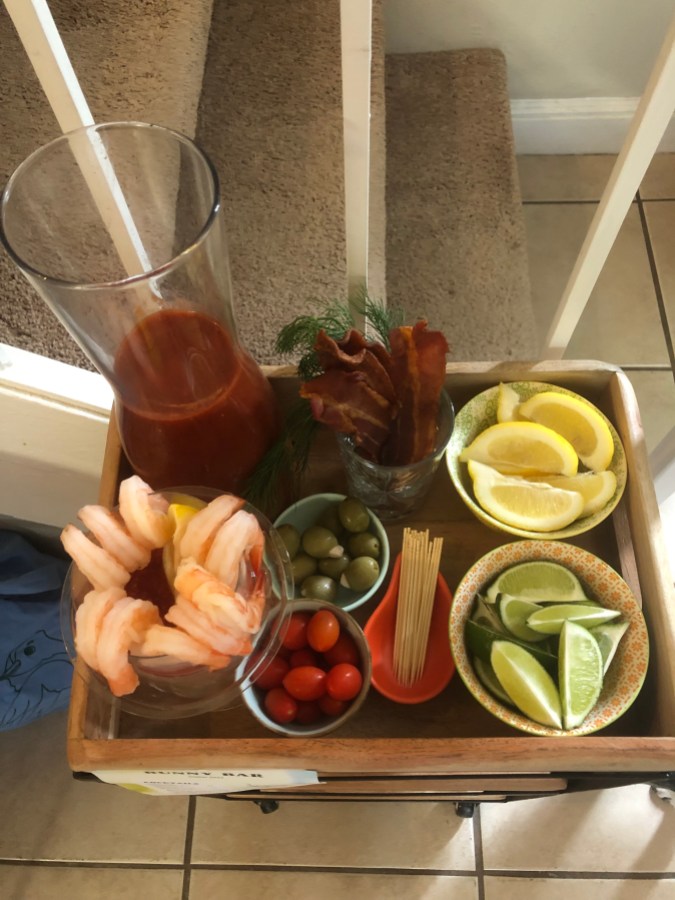
- Proteins: Thick-cut bacon, chilled shrimp, and skewered salami.
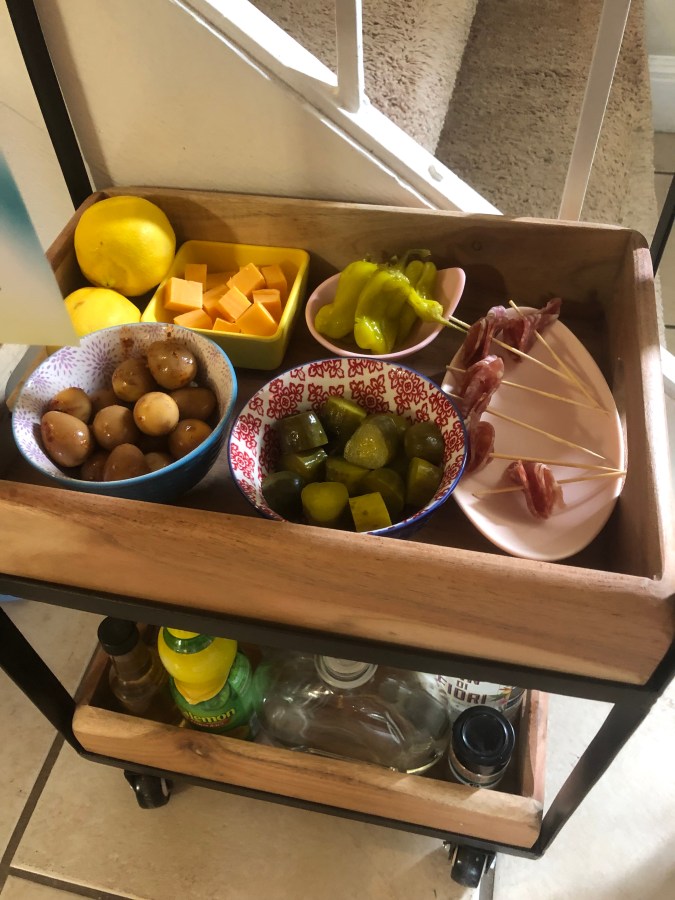
- Pickled Elements: Pepperoncini, traditional pickles, and marinated vegetables.
- Dairy: Sharp cheddar cubes or mozzarella pearls.
- Showstoppers: Unexpected items such as miniature sliders, jalapeño poppers, or marinated quail eggs.
Case Study: The Marinated Quail Egg
The use of marinated quail eggs in a holiday context represents a sophisticated nod to traditional "Easter eggs" while utilizing global culinary techniques. These "flavor bombs" are often based on Mayak Gyeran (Korean marinated eggs). The process involves a four-minute boil, an ice bath, and a tedious peeling process, followed by an overnight soak in a marinade of soy sauce, gochujang, sugar, gochugaru flakes, and roasted sesame seeds.
Culinary experts note that the inclusion of such labor-intensive garnishes serves a dual purpose: it elevates the drink to a meal-like status and provides a meditative "night-before" ritual that mirrors the preparation formerly associated with religious holidays.
Logistical Execution and Presentation
The professionalization of the home bar experience requires specific logistical considerations to ensure a seamless social flow. Journalists and lifestyle experts recommend the following setup:
- The Rolling Cart: Utilizing a tiered storage cart allows for mobility and separates the "prep station" from the dining area.
- The Carafe System: Repurposing glassware, such as simple flower vases, as carafes for the tomato base provides an aesthetic consistency.
- The Rim Station: A dedicated area with herbed salts and citrus juice for rimming glasses (pint glasses or highballs).
- Custom Menus: Printing "drink menus" or naming the bar (e.g., "The Bunny Bar") adds a layer of intentionality and "event branding" that defines the day as a significant occasion.
Analysis of Broader Implications
The rise of personalized, secular holidays carries significant implications for the future of social fabric in the West. As traditional institutions see declining participation, the burden of creating "meaning" falls onto the individual and their immediate social circle.
Mental Health and Reclaiming Agency
Psychological experts suggest that for those who have experienced "religious trauma" or high-control environments, the ability to celebrate on one’s own terms is a vital part of the healing process. By choosing which elements of a holiday to keep (the food, the family recipes) and which to discard (the dogma, the shame), individuals exercise a form of cultural agency that was previously unavailable to them.
The Flexibility of New Rituals
Unlike traditional religious services, which are often rigid and prescriptive, modern secular rituals are "additive and expansive." They allow for the integration of new friends, new partners, and new cultural influences (such as Korean culinary techniques or mid-century cinema) without the need for institutional approval. This flexibility makes them highly resilient to changes in lifestyle or location.
Economic Impact
The shift toward elaborate at-home celebrations has also influenced consumer behavior. There is an increased demand for specialty food items (quail eggs, natural wines, high-end condiments) and home entertaining infrastructure (bar carts, specialized glassware). Retailers like Publix and IKEA, as well as local specialty markets, have become the new "vestries" for these modern celebrations.
In conclusion, the transition from church-centered holidays to secular, food-focused traditions represents a profound shift in how community is built and maintained. The "Ultimate Bloody Mary Bar" is more than a culinary trend; it is a symbol of a generation’s effort to construct a meaningful, inclusive, and joyful life outside the boundaries of traditional religious institutions. As these practices continue to evolve, they provide a blueprint for how ancient holidays can be successfully reimagined for a contemporary, secular world.