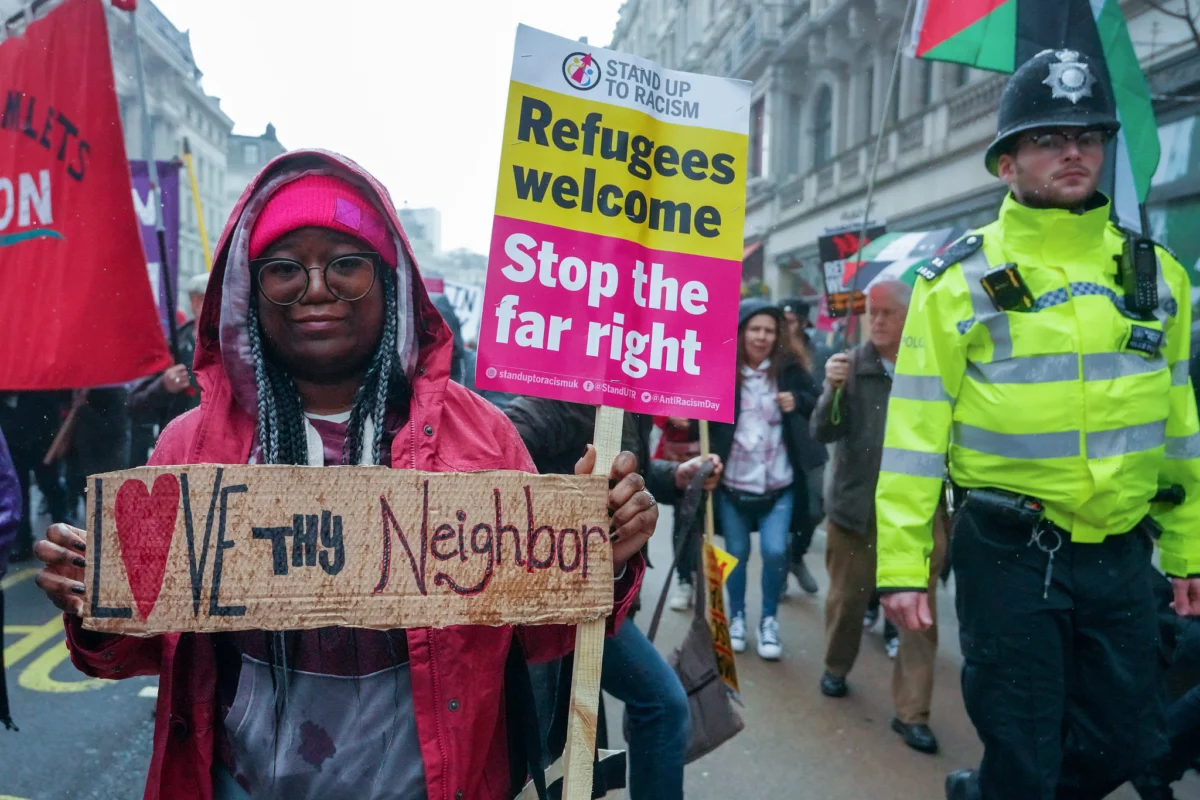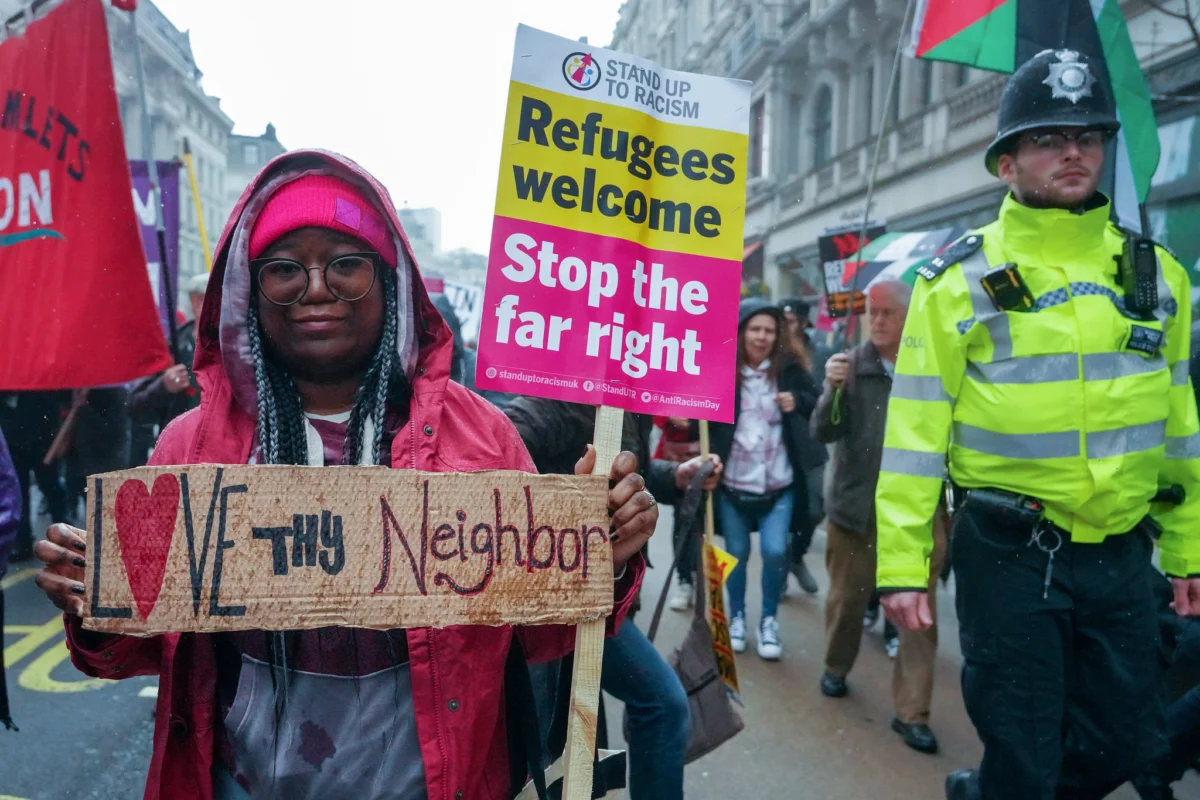
The landscape of civil liberties in the United Kingdom is currently navigating a period of significant volatility as foundational legislative frameworks, once considered settled, are increasingly subjected to political scrutiny and proposed reform. While human rights and equality protections are often perceived as permanent fixtures of the British legal system, they are, in fact, statutory constructs that remain vulnerable to the shifting priorities of successive governments. As of March 2026, the debate surrounding the Equality Act 2010 and the Human Rights Act 1998 has intensified, with civil society organizations warning that a decade of incremental erosion could culminate in a formal rollback of essential protections. The stability of these rights is not guaranteed by tradition alone but by the strength of the laws that codify them—laws that are now at the center of a profound ideological tug-of-war.
Historical Context: The Foundations of Modern Protection
To understand the current threats to UK rights legislation, one must examine the origins of the two primary pillars: the Human Rights Act 1998 (HRA) and the Equality Act 2010. The HRA was designed to "bring rights home" by incorporating the European Convention on Human Rights (ECHR) into domestic law. Drafted in the aftermath of World War II with significant British legal input, the ECHR was established to ensure that the atrocities of the mid-20th century would never be repeated. It provides a mechanism for individuals to challenge the state when their fundamental freedoms—such as the right to a fair trial, the right to life, and freedom from torture—are infringed upon.
The Equality Act 2010 represented a different but complementary milestone. It consolidated over 116 separate pieces of legislation into a single act, providing a unified framework to protect individuals from unfair treatment and promote a more equal society. By streamlining laws such as the Equal Pay Act 1970, the Sex Discrimination Act 1975, and the Race Relations Act 1976, the 2010 Act created a clear set of "protected characteristics." These include age, disability, gender reassignment, marriage and civil partnership, pregnancy and maternity, race, religion or belief, sex, and sexual orientation.
A Chronology of Legislative Erosion
The trajectory of these laws over the last decade has been characterized by what many analysts describe as "legislative fatigue" and active deregulation. Following the 2010 general election, the coalition and subsequent Conservative-led governments began a process of reviewing the "burden" of equality legislation on businesses and public bodies.
In 2012, the Enterprise and Regulatory Reform Act introduced changes that critics argued made it more difficult for employees to bring discrimination claims. By 2015, the political discourse shifted toward the wholesale replacement of the Human Rights Act with a "British Bill of Rights." Although the initial proposal stalled, the theme of "reclaiming sovereignty" from the European Court of Human Rights (ECtHR) remained a consistent policy goal.
The period between 2020 and 2024 saw further tension. The government’s "Internal Market Act" and subsequent "Retained EU Law (Revocation and Reform) Act" created avenues for the executive branch to amend or scrap equality protections derived from EU law without full parliamentary debate. Furthermore, specific duties under the Equality Act, such as the requirement for public bodies to publish gender pay gap data, were temporarily suspended during the pandemic, leading to concerns about the permanence of such obligations.
The Role of Media and Public Perception
A significant factor in the vulnerability of these rights is the role of the British media landscape. Analysis of media ownership reveals that approximately 90% of the UK’s national newspaper circulation is controlled by just three companies owned by billionaires. For decades, sections of the press have campaigned against the HRA and the Equality Act, often utilizing "clickbait" narratives that frame human rights as a "criminal’s charter" or equality laws as "political correctness gone mad."
This misinformation campaign has frequently relied on distorting specific legal rulings to suggest that human rights laws provide "special treatment" to marginalized groups at the expense of the majority. Civil liberties groups argue that this "divide-and-rule" strategy obscures the reality that these laws protect everyone. For instance, the HRA was instrumental in the Hillsborough disaster inquests and the Mid-Staffordshire NHS Foundation Trust inquiry, ensuring that the families of the deceased could hold public institutions accountable for failures that resulted in the loss of life.
The Political Landscape in 2026
As of early 2026, the political parties have taken diverging stances on the future of these protections:
- The Conservative Position: Having previously proposed the Bill of Rights Bill (which was introduced and then shelved in 2022-2023), the party has continued to advocate for "narrowing the interpretation" of rights to prevent what they describe as judicial overreach. This includes limiting the ability of the ECtHR to influence UK domestic policy, particularly in matters of immigration and border control.
- The Labour Position: While generally supportive of the existing frameworks, the Labour Party has signaled a period of "review and reform." This includes examining how rulings from the ECtHR are applied to ensure they align with "modern British values," a stance that has drawn cautious concern from human rights advocates who fear that even well-intentioned reforms could inadvertently weaken the law.
- Reform UK: Taking the most radical stance, Reform UK has pledged to entirely scrap the Equality Act 2010, arguing that it creates unnecessary bureaucracy and fosters "identity politics."
- The Equality Trust and Civil Society: Groups like The Equality Trust have intensified their advocacy for the commencement of the "Socio-economic Duty" (Section 1 of the Equality Act). This dormant clause would require public bodies to consider how their decisions can reduce the inequalities of outcome which result from socio-economic disadvantage. While already enacted in Scotland and Wales, Westminster has yet to trigger this duty for English public authorities.
Supporting Data: The Reality of Inequality
The push to weaken equality laws comes at a time when data suggests discrimination remains a systemic issue in the UK. According to recent labor market statistics:
- The disability employment gap remains persistent, with disabled people roughly 28% less likely to be in employment than non-disabled people.
- The gender pay gap, while narrowing, still stands at approximately 14% for all employees, with the gap significantly wider for women of color and those in senior positions.
- The Trades Union Congress (TUC) reported in their "Two Steps Forward, One Step Back" analysis that 1 in 3 ethnic minority workers have experienced some form of bullying or harassment in the workplace linked to their race.
Furthermore, the "cost of living" crisis has highlighted the necessity of the socio-economic duty. Research by The Equality Trust indicates that the UK remains one of the most unequal countries among developed nations, with the richest 10% of households holding 43% of all wealth, while the bottom 50% hold just 9%.
Analysis of Implications: What is at Stake?
The potential repeal or significant dilution of the Equality Act and the Human Rights Act would have far-reaching consequences for British society. Without the Equality Act, the legal recourse for a disabled person denied access to a shop, or a woman fired for becoming pregnant, would be severely diminished. The Act provides the "teeth" for enforcement that simple policy guidelines do not.
The weakening of the Human Rights Act would fundamentally shift the balance of power between the individual and the state. The HRA allows ordinary citizens to challenge the government in UK courts rather than having to endure the lengthy and expensive process of taking a case to Strasbourg. If the HRA is replaced by a weaker "Bill of Rights," the state would effectively become less accountable for its actions, ranging from police conduct to the provision of social care.
There is also a significant economic argument for maintaining strong equality laws. Discrimination is estimated to cost the UK economy billions in lost productivity and talent. By ensuring that recruitment and promotion are based on merit rather than protected characteristics, the Equality Act fosters a more competitive and efficient labor market.
Conclusion and Future Outlook
The Equality Trust and other advocacy groups are currently leading research-led policy initiatives to not only defend existing laws but to strengthen them. The focus has shifted toward ensuring that enforcement bodies, such as the Equality and Human Rights Commission (EHRC), are sufficiently funded and independent of political interference.
The warnings from civil liberties groups are clear: rights are not self-sustaining. They require a combination of robust legal drafting, an informed public, and a political class committed to the principle of universal accountability. As the UK approaches the middle of the decade, the decisions made regarding the Equality Act and the Human Rights Act will determine whether the country moves toward a more inclusive future or retreats into a period of regressive legal protections. For those advocating for equal treatment, the current moment represents a critical juncture in the long-term struggle for social justice and the rule of law.