Cultural Survival and the "Nihizhi" Podcast are embarking on a significant collaborative endeavor, set to launch on Earth Day, April 22nd, 2026, with a new audio series titled "Mother Earth Medicine: An Ancestral Intelligence Podcast to Heal Our Future." This initiative aims to amplify Indigenous voices and perspectives by exploring ancestral knowledge systems as a vital counterpoint to contemporary global challenges, particularly those stemming from extractive ideologies. The podcast seeks to foster a deeper understanding and appreciation of Indigenous cosmovisions, traditional knowledge, and values, positioning them as crucial elements for building a future characterized by mutual flourishing and ecological balance.
The podcast’s core premise is the elevation of "Ancestral Intelligence," defined as the profound, time-tested wisdom embedded within Indigenous cultures. This intelligence is presented not merely as historical knowledge but as a dynamic, living force capable of offering solutions to the urgent environmental and social crises facing humanity. In an era increasingly dominated by discussions of Artificial Intelligence (AI), "Mother Earth Medicine" proposes Ancestral Intelligence as the genuine, deeply rooted intelligence required to navigate these complex times and chart a course toward planetary and societal healing. The series will feature dialogues between Indigenous leaders, knowledge keepers, and allies, exploring how traditional practices and worldviews can inform and inspire regenerative lifeways and a more harmonious relationship with the Earth.
The Vision: Reconnecting with Indigenous Wisdom
The podcast’s vision is to offer listeners "potent and inspiring content that ushers in Ancestral Intelligence." This content is intended to honor Indigenous cultures and values, serving as a catalyst for collective dreaming and co-creation of a sustainable and equitable future. By centering Indigenous perspectives, the series aims to challenge prevailing extractive paradigms that have led to environmental degradation and social inequities. The hosts emphasize the revitalization of traditional knowledge, the rekindling of kinship networks, and the strengthening of movements for social change, collective care, and mutual aid as central themes.
Co-host Aimee Roberson, Executive Director of Cultural Survival, articulated the podcast’s mission: "We are revitalizing traditional knowledge, rekindling kinship and trade routes; and building movements and networks for social change, collective care, and mutual aid." This statement underscores the multifaceted approach of the podcast, which extends beyond mere discussion to encompass actionable strategies for societal transformation grounded in Indigenous principles.
Co-host Dr. Lyla June Johnston, host of the "Nihizhi" Podcast and a Cultural Survival Board member, expressed hope that the series will inspire listeners to reconnect with their own Indigenous roots. "We hope to inspire our listeners to reconnect with their own Indigenous roots… Join us on a journey of solidarity as we highlight Nations who never forgot their ways of life and who fight on the front lines every day to protect their languages, cultures, and territories," she stated. This call to reconnection highlights the importance of ancestral heritage in fostering resilience and agency in the face of contemporary pressures.
Hosts and Their Expertise
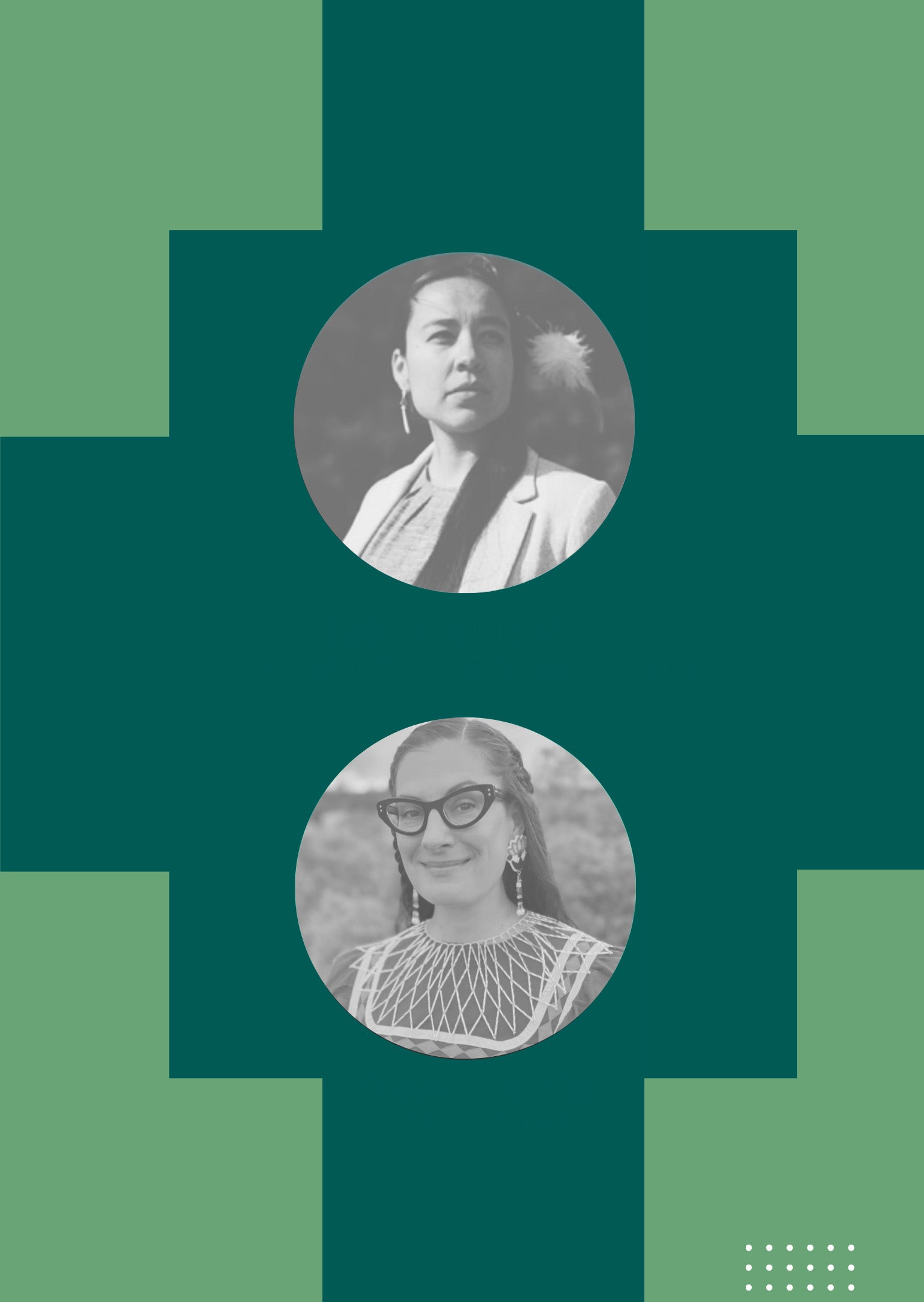
The podcast is co-hosted by two prominent figures deeply rooted in Indigenous advocacy and knowledge systems.
Dr. Lyla June Johnston (Diné/Tse’tséstésé) is an Indigenous musician, author, and community organizer. Her interdisciplinary background, which includes studies in Human Ecology at Stanford and graduate work in Indigenous Pedagogy, informs her holistic approach to healing. Her doctoral research explored how pre-colonial Indigenous Nations shaped vast regions of North America to create abundant food systems for both human and non-human inhabitants. As the host of the "Nihizhi" Podcast, she has already established a platform for amplifying Indigenous voices and perspectives. Her ability to blend academic rigor with traditional worldview provides a unique lens through which to explore the podcast’s themes.
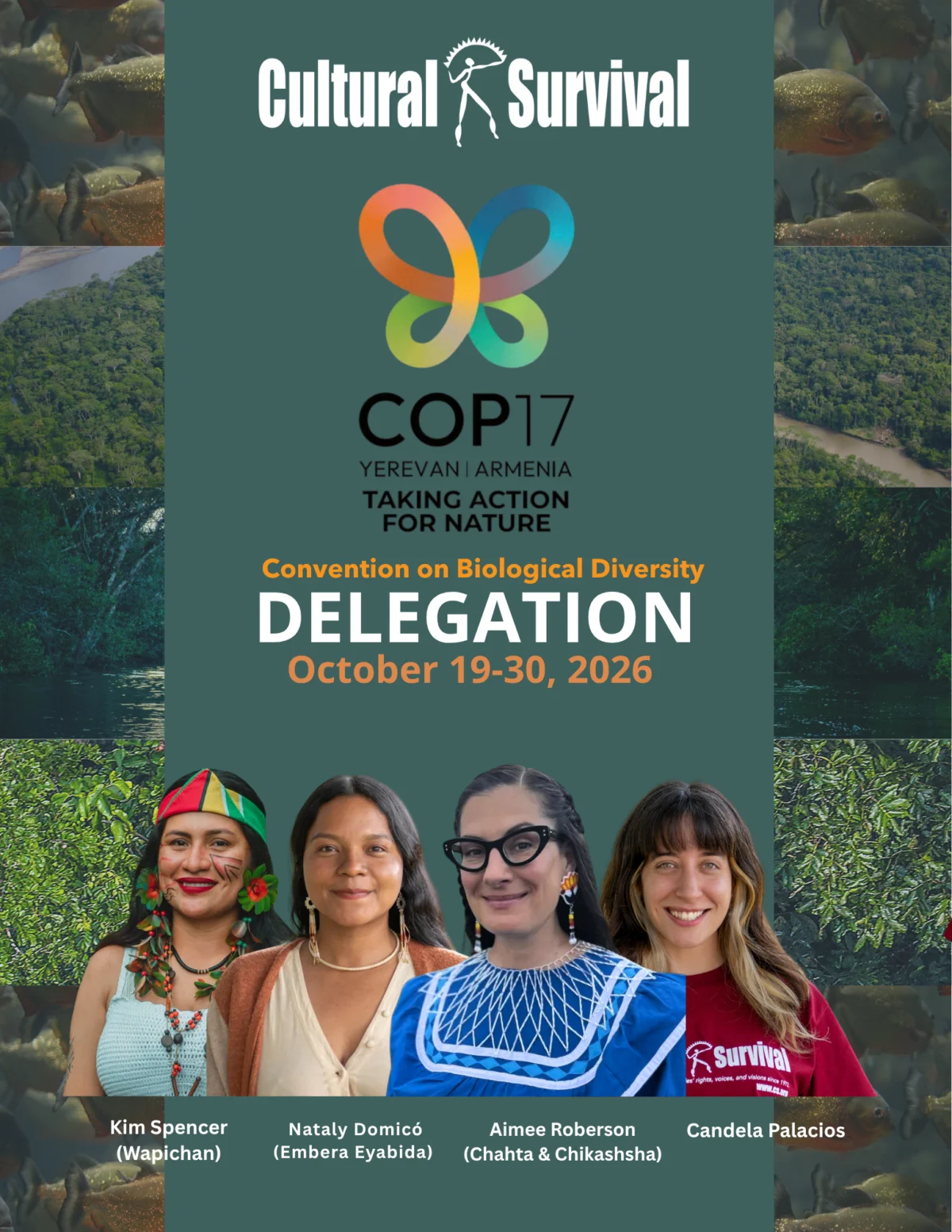
Aimee Roberson, Executive Director of Cultural Survival, is a citizen of the Choctaw Nation of Oklahoma (Chahta/Chikashsha). With a background in geology and conservation biology, she brings a scientific understanding of ecological systems coupled with a deep commitment to Indigenous values. Her career has been dedicated to fostering partnerships focused on environmental stewardship, integrating cultural values and ecological knowledge with scientific approaches to inform decision-making and implement strategies for caring for people, wildlife, water, and ecosystems. Roberson’s extensive experience in environmental conservation and her active engagement in learning her ancestral language, practicing traditional arts, and teaching about her people’s history and responsibilities to the land further enrich her role as a podcast host. Her recent transition to Cultural Survival in July 2024, from her role as Director of the American Bird Conservancy’s Southwest Region, underscores her continued dedication to Indigenous-led conservation efforts.
Addressing Global Challenges Through Traditional Knowledge
The inaugural episode, titled "Healing Our Future," is slated to set the tone for the series by exploring how to confront the world’s most pressing challenges by prioritizing traditional knowledge and values. The hosts aim to demonstrate how these frameworks promote sustainable and regenerative lifeways that foster a right relationship with Mother Earth. This focus directly addresses the ecological crisis, offering an alternative to the unsustainable practices that have contributed to climate change, biodiversity loss, and resource depletion.
The podcast’s approach is rooted in the understanding that Indigenous peoples have, for millennia, developed sophisticated systems for living in balance with their environments. These systems often involve intricate knowledge of local ecosystems, sustainable resource management, and a profound sense of interconnectedness with all living things. By highlighting these principles, "Mother Earth Medicine" seeks to provide practical and philosophical guidance for a global audience grappling with the consequences of industrialization and unsustainable development.
Background and Context
The launch of "Mother Earth Medicine" arrives at a critical juncture in global environmental and social discourse. The accelerating impacts of climate change, evidenced by increasingly severe weather events and rising sea levels, underscore the urgency of finding effective solutions. According to the Intergovernmental Panel on Climate Change (IPCC), human activities have unequivocally warmed the atmosphere, ocean, and land, with widespread and rapid changes observed in the atmosphere, ocean, cryosphere, and biosphere. Indigenous communities, who are often on the front lines of environmental degradation due to their proximity to natural resources and historical marginalization, are at the forefront of advocating for more sustainable and equitable approaches.
Furthermore, the rise of Artificial Intelligence (AI) presents a complex landscape of potential benefits and risks. While AI offers transformative possibilities in various fields, there are growing concerns about its ethical implications, potential for exacerbating inequalities, and the risk of creating solutions that are detached from ecological realities and human values. "Mother Earth Medicine" positions Ancestral Intelligence as a vital complement, and in some cases, a necessary corrective, to purely technological or extractive approaches. This perspective acknowledges the power of innovation while emphasizing the enduring relevance and wisdom of traditional knowledge systems that have proven sustainable over long periods.
Cultural Survival, the non-profit organization co-producing the podcast, has a long history of supporting Indigenous Peoples’ rights and cultures. Founded in 1972, the organization works globally to defend the rights of Indigenous Peoples and to support their Indigenous-led struggles for justice, self-determination, and cultural survival. Their partnership with the "Nihizhi" Podcast, which has already established itself as a platform for Indigenous voices, signifies a strategic effort to broaden the reach and impact of these critical messages.
Chronology of Development
While specific dates for the podcast’s production timeline are not publicly detailed, the announcement of its launch on Earth Day 2026 suggests a carefully planned and executed initiative. The selection of Earth Day, a global observance dedicated to environmental protection, is symbolic and strategically chosen to align with the podcast’s core message of ecological stewardship and healing.
The development of the podcast likely involved extensive consultation with Indigenous knowledge keepers, community leaders, and cultural advisors to ensure authenticity and respect for the traditions being shared. The co-hosts’ deep involvement and established platforms suggest a strong foundation for content creation and audience engagement. The announcement itself, disseminated through Cultural Survival’s channels, marks the beginning of a public awareness campaign leading up to the official launch.
Broader Impact and Implications
The implications of "Mother Earth Medicine" extend beyond the realm of audio entertainment. By providing a dedicated platform for Indigenous perspectives on critical global issues, the podcast has the potential to:
- Influence Policy and Practice: By showcasing successful Indigenous-led conservation models and sustainable practices, the podcast can inform policymakers, environmental organizations, and businesses, encouraging the adoption of more equitable and ecologically sound approaches.
- Foster Intercultural Understanding: The series offers a valuable opportunity for non-Indigenous audiences to gain a deeper understanding of Indigenous worldviews, challenges, and contributions, promoting empathy and breaking down stereotypes.
- Empower Indigenous Communities: By amplifying Indigenous voices and celebrating their resilience and wisdom, the podcast can serve as a source of inspiration and empowerment for Indigenous communities worldwide, reinforcing their cultural identity and their role as stewards of the planet.
- Contribute to a Paradigm Shift: In a world often driven by short-term economic gains and a disconnect from natural systems, "Mother Earth Medicine" advocates for a fundamental shift in values and priorities. By championing Ancestral Intelligence, the podcast contributes to a growing global conversation about the need for a more holistic, regenerative, and interconnected approach to human existence.
The podcast’s emphasis on "mutual flourishing for all" speaks to a vision of a future where human societies thrive in harmony with the natural world, recognizing the inherent rights and value of all life. This ambitious yet necessary goal is underpinned by the belief that the wisdom of the past holds the keys to a more sustainable and just future. The series’ commitment to highlighting Indigenous Nations who have actively protected their lands, languages, and cultures serves as a powerful testament to the enduring strength and relevance of Indigenous ways of knowing and being. As the world continues to grapple with unprecedented challenges, the insights offered by "Mother Earth Medicine" are poised to resonate deeply and inspire meaningful action.