The global push for minerals essential to the green energy transition, such as lithium, is increasingly intersecting with the ancestral lands and rights of Indigenous and Quilombola communities in Brazil. In the Jequitinhonha Valley, a region historically marked by poverty and underdevelopment, a powerful convergence of Indigenous resistance, community organizing, and investor scrutiny is beginning to redefine the landscape of extractive industries. This evolving dynamic challenges the traditional paradigm of large-scale mining, where corporate interests and profit margins have historically taken precedence over environmental stewardship and human rights.
Historically, mining operations have been characterized by their immense scale, significant financial backing, and influential alliances. The profound and often irreversible impacts of these activities on communities and ecosystems have frequently extended for decades, even centuries, beyond the operational life of a mine, irrespective of local consent. The sheer power wielded by such endeavors can fundamentally alter landscapes and the fabric of life within territories. Yet, even this seemingly formidable force is not invincible, facing potential setbacks, failures, and even defeat, often concluding prematurely due to unforeseen challenges or unsustainable practices.
In the Jequitinhonha Valley, a lithium extraction project is currently experiencing a significant shift in its operational calculus. The primary concern for the mining company is no longer solely the legal challenges posed by community resistance or the technical assessments of geologists and engineers. Instead, national and international investors, powerful actors capable of reshaping industry practices and corporate behavior, are now at the forefront of this reevaluation. This investor reassessment and withdrawal from a project supplying a highly sought-after mineral underscore a critical evolution in the mining sector, driven by growing awareness of Environmental, Social, and Governance (ESG) principles and the tangible influence of community advocacy.
Investor Reassessment and the Power of Community Advocacy
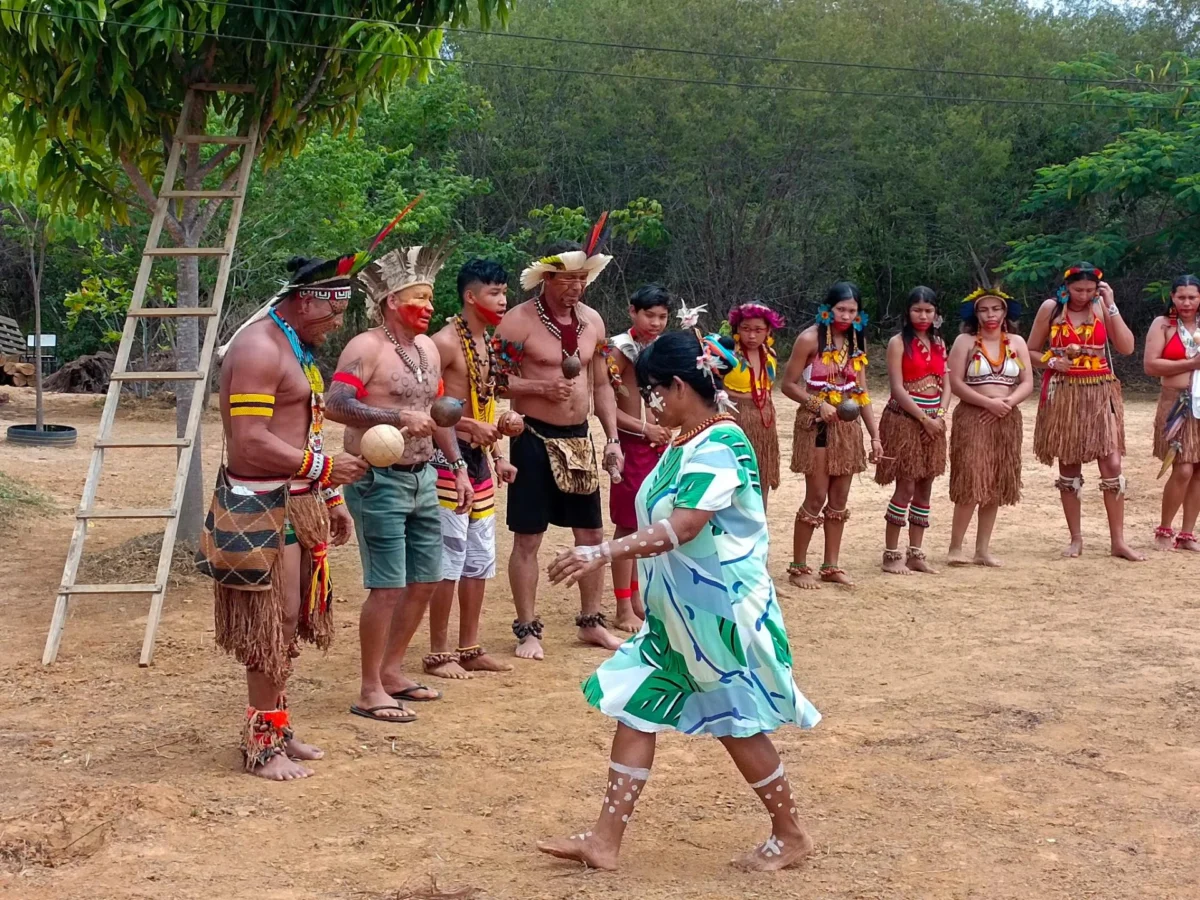
The current pause and potential retreat of investors from lithium extraction projects in the Jequitinhonha Valley are not isolated incidents. They are the direct result of the persistent and coordinated efforts of the Aranã Caboclo, Pataxó, and Pankararu Indigenous Peoples, alongside Quilombola communities and their allies. These groups have diligently worked to expose the stark disparity between the sustainability narratives espoused by corporations and the lived realities experienced on the ground. Their advocacy has brought into sharp focus the need for a more profound understanding of the true costs and consequences of resource extraction.
Investors and the entire supply chain are being compelled to move beyond a narrow focus on profitability and technical viability. The decisive question is increasingly becoming whether a project is genuinely integrated within a robust ESG framework and reflects authentic sustainability, rather than merely employing green or sustainable language. A more fundamental inquiry is now emerging from the heart of the territories where these precious minerals are found: what kind of relationship does this investment foster with the people and communities who possess an intimate, generational knowledge of the land? They understand the nuances of its soil, the flora that thrives there, and crucially, they are the guardians of the water systems that are as vital to the region’s survival as blood is to the human body, especially in an era of heightened climate impact.
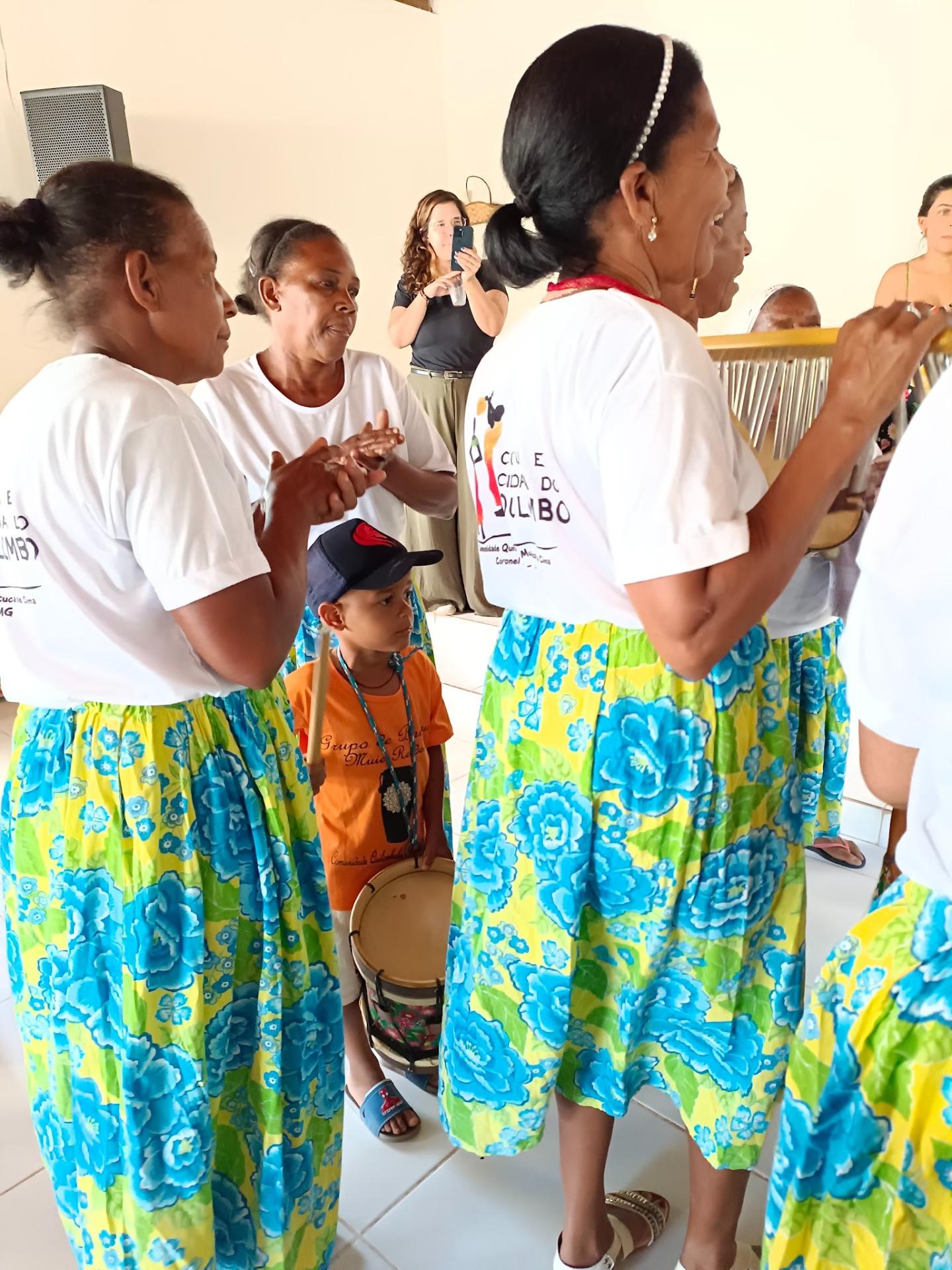
These Indigenous and Quilombola communities have unequivocally demonstrated that they are not passive recipients of external decisions. They are assertive rightsholders and active stewards of their ancestral territories, custodians of their history, memory, and way of life. Their collective actions have transformed the discourse around resource development, highlighting that true sustainability requires a deep respect for the intrinsic value of land and the rights of its inhabitants.
A History of Resistance and Emerging Legal Precedents
The struggle in the Jequitinhonha Valley is part of a broader movement across Brazil. The Peoples of the Jequitinhonha Valley, in collaboration with Indigenous relatives from other nations, researchers, legal advocates, journalists, social movements, and faith-based groups, have formed a potent collective force. This alliance is effectively dismantling corporate rhetoric of development and prosperity by refusing to allow their territories to be designated as "sacrifice zones." This lesson, emanating from the Jequitinhonha Valley and other mining-affected regions, carries significant weight. When investors heed the voices of these communities, transformative change often follows. When they do not, the courts of justice are increasingly becoming the arena for resolution.
A significant legal victory that resonates with the current situation occurred recently when the High Court held BHP responsible for the catastrophic 2015 collapse of the Fundão tailings dam in Mariana, Minas Gerais. This landmark decision, based on legal principles that acknowledge corporate liability, has opened pathways for redress for over 600,000 affected individuals, including Indigenous communities and the vital Watu River. This same moral and ethical framework is now being applied to the scrutiny of Sigma Lithium’s operations. The Brazilian-Canadian company faces mounting pressure from communities, legal experts, public prosecutors, and regulators. This pressure is compounded by a growing wave of investor withdrawals and criticisms, as evidenced by significant stock declines following short-seller allegations of safety issues and investigations into potential misrepresentations. These developments are more than mere reputational challenges; they signify the growing power of collective community action to identify and articulate harm, document corporate contradictions, and challenge the marketing of extraction as sustainable development. The motivations are clear: these communities are protecting territories that provide life, sustenance, water, well-being, and a critical balance for the global climate.
The Jequitinhonha River: A Symbol of Resistance and Rights
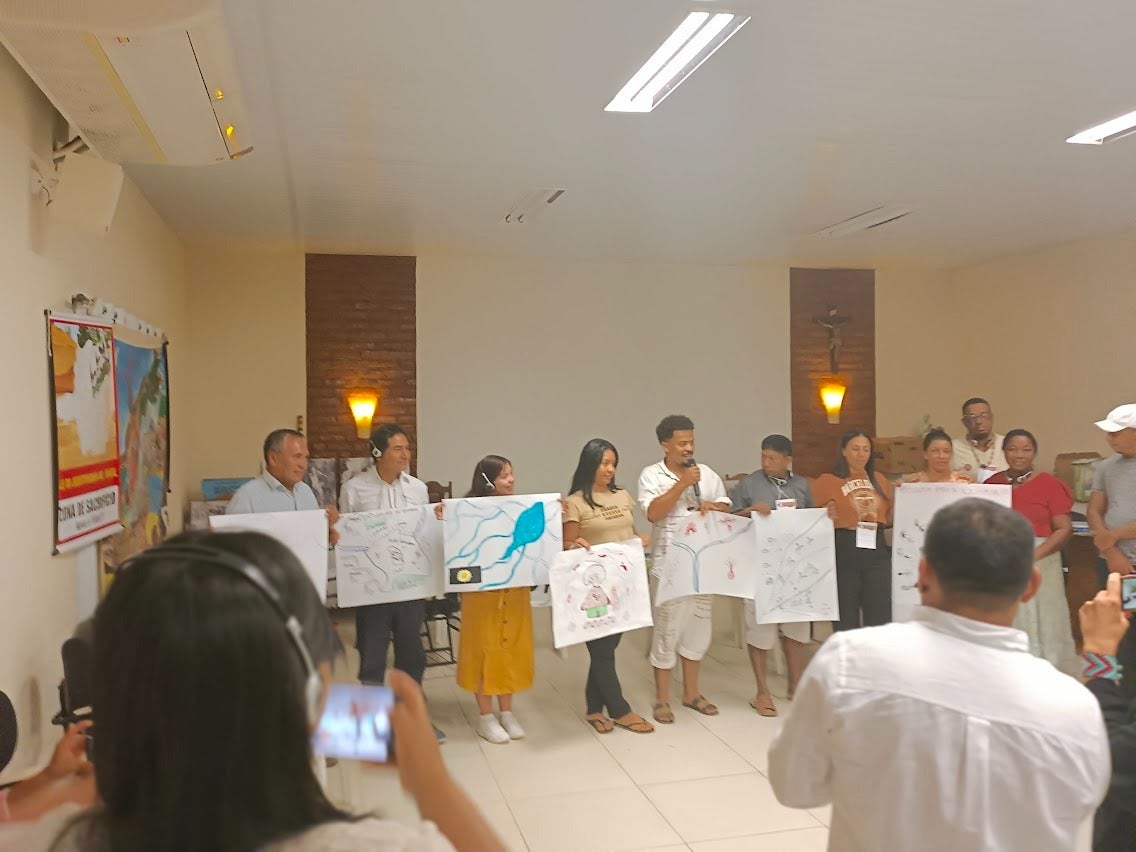
Central to the communities’ defense efforts is the Jequitinhonha River, the very artery that gives the valley its name and holds profound spiritual significance for the Aranã Caboclo, Pataxó, and Pankararu peoples. Through a concerted process of community gatherings, inter-territorial exchanges, political advocacy, and national and international coordination, these communities have solidified a collective agenda to protect this sacred river and their ancestral lands.
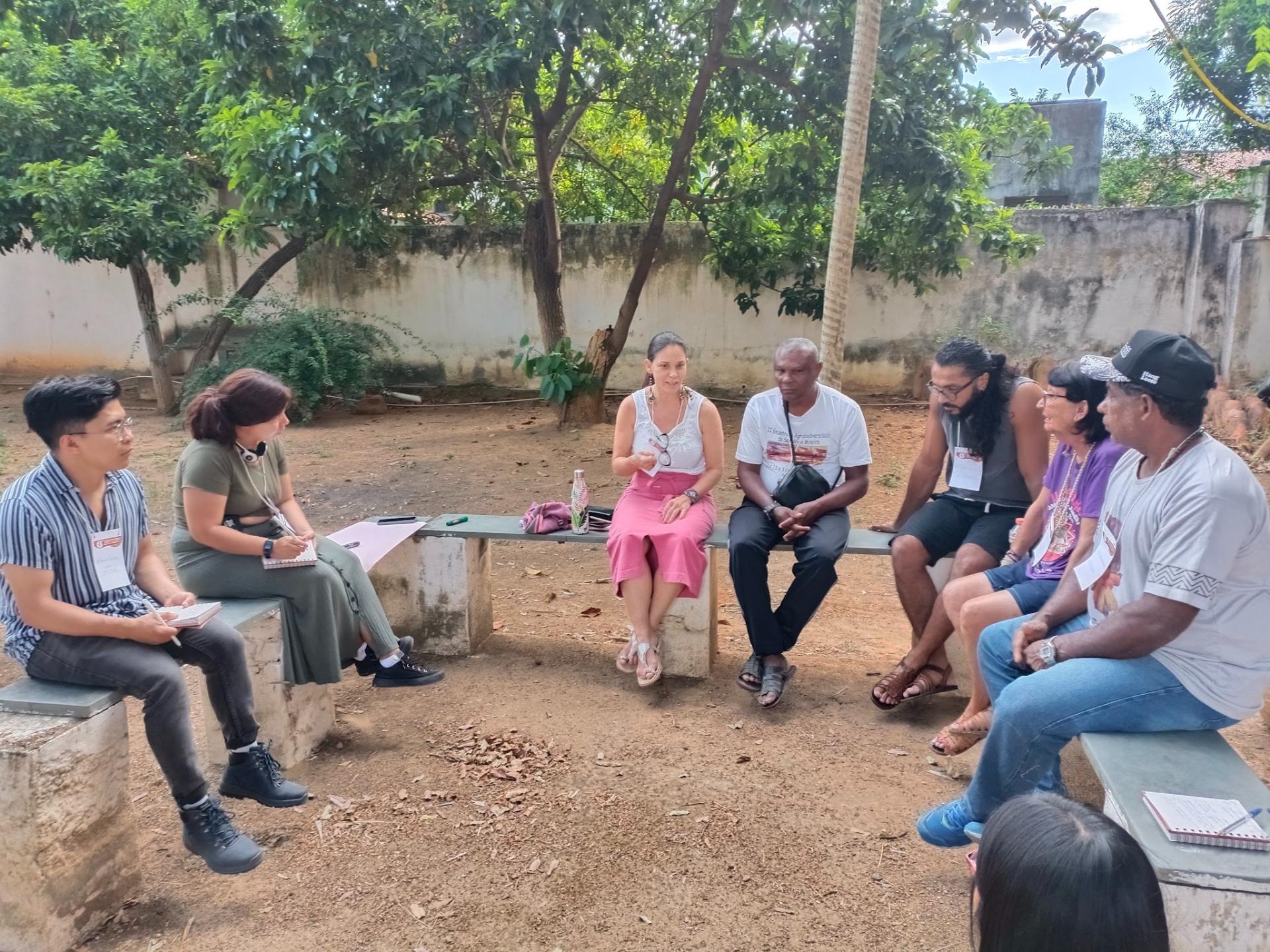
This movement has recently gained significant momentum with the launch of a public petition advocating for the river’s legal recognition as a subject of rights. The campaign rapidly gained traction across social media, amplified by organizations like Cultural Survival, local entities such as Instituto Janelas do Jequitinhonha, and prominent independent media platforms like Mídia NINJA. The mobilization efforts have reached the Legislative Assembly of Minas Gerais, where it has been embraced by several state representatives, culminating in Legislative Proposal No. 5609/2026. This bill is part of a burgeoning national movement that has already seen success in granting legal rights to other rivers, such as the Rio Laje (Komi Memen in Indigenous language) in the Amazon, Brazil’s first river to be legally recognized as a rights-bearing entity.
The legislative proposal for the Jequitinhonha River is now entering a crucial voting phase. This recognition is a vital component of the communities’ broader strategy to safeguard the river and their territories amidst the pressures of transition mineral extraction. It represents an innovative approach to struggle, deeply rooted in Indigenous cosmologies, where the river is viewed not merely as a resource but as a living being, a relative, and the most ancient ancestor of the territory. This perspective is fundamental to the cultural and environmental security of these communities.
The "Price of Green" and the Definition of Sacrifice Zones
For years, these communities have articulated a range of concerns: the pervasive disrespect for Free, Prior, and Informed Consent (FPIC), inadequate community engagement, the existential threats to water security, the social fragmentation caused by large-scale projects, unresolved governance issues, and the widening chasm between the discourse of "just transition" and its often-harsh local realities.
In response to these critical issues, Cultural Survival launched the advocacy brief, "The Price of Green," at COP30 in Belém. This publication meticulously details the profound discrepancy between ostensibly "green" projects – such as green lithium initiatives and sustainable railway developments – and the detrimental impacts on Indigenous, Quilombola, and Traditional Communities in Brazil. This escalating reality highlights that the environmental crisis is also a narrative crisis, where the language of sustainability frequently masks systematic human rights abuses and violations, ultimately transforming entire territories into sacrifice zones.
As the brief defines, "Sacrifice zones are not merely impacted areas but actively constituted through a violent logic that designates certain bodies, territories, and their cosmologies as expendable. This process systematically destroys the vital, relational bonds between communities and their ancestral lands, which are not merely resource-rich areas but the very source of cultural identities, spiritual memory, and meaningful existences. The destruction of these geographies undermines climate policies, weakens the ability of communities and territories to adapt, and causes the collapse of biodiversity."
Rethinking Extraction: Territory, Rights, and Sustainable Futures
The current investor recalibrance signifies a dawning realization: the intrinsic value of territory, rather than the abstract calculations of balance sheets, must be prioritized. The most responsible investors are increasingly learning to listen to and engage with the voices emanating from the land itself. The wisdom embedded in these territories and the collective governance structures they embody offer crucial lessons for investors and governments alike.
1. The Primacy of Territory: Indigenous and Quilombola communities possess an unparalleled understanding of their territories, recognizing them as interconnected living systems vital for biodiversity, climate regulation, and cultural survival. Their stewardship is not merely about resource management but about the holistic well-being of the land and its inhabitants.
2. The Question of Sufficiency: In a capitalist, consumerist society driven by insatiable demand, the question of "how much mining is enough?" looms large. The planet’s capacity to absorb the impacts of relentless extraction is finite, and continued exploitation at the current scale poses existential risks. If mining is to continue, particularly for minerals deemed essential for energy transition, it must undergo a fundamental reevaluation. Investment is only justifiable when it unequivocally recognizes and respects the rights of communities, their territories, and their inherent right to self-determination. Indigenous, Quilombola, and traditional communities have long been the enduring stewards and caregivers of these lands, and it is now imperative that these territories be cared for in return.
3. The Power of Collective Governance: The collective governance models employed by these communities offer a robust alternative to top-down corporate decision-making. These models prioritize consensus, long-term sustainability, and the well-being of the collective over individual profit, providing a framework for more equitable and responsible resource management.
Sigma Lithium is now confronting a reality that communities have understood for generations: the growing power of organized peoples working in concert. They recognize their own vulnerability, even amidst the global rush for transition minerals and seemingly favorable market conditions. Furthermore, they are increasingly aware that within investment firms, there are individuals who seek ethical investment practices and wish to maintain a clear conscience, able to recount stories of responsible engagement to future generations. This shift in investor sentiment, driven by the persistent advocacy and undeniable truths presented by Indigenous and Quilombola communities, marks a pivotal moment in the quest for a truly sustainable and just future for resource-rich regions like the Jequitinhonha Valley.