Quito, Ecuador – April 30, 2026 – In the complex and often challenging journey of displacement and resettlement, securing stable employment stands as a critical pillar for rebuilding lives. For refugees and internally displaced persons (IDPs) arriving in a new country, the hurdles can be particularly daunting. They often arrive with limited documentation, severed professional networks, and the immense task of navigating unfamiliar cultural and labor landscapes. Recognizing this profound need, HIAS Ecuador, in collaboration with UNHCR, has been implementing a robust employability initiative designed to bridge this gap, fostering economic empowerment and integration for vulnerable populations and local Ecuadorians alike.
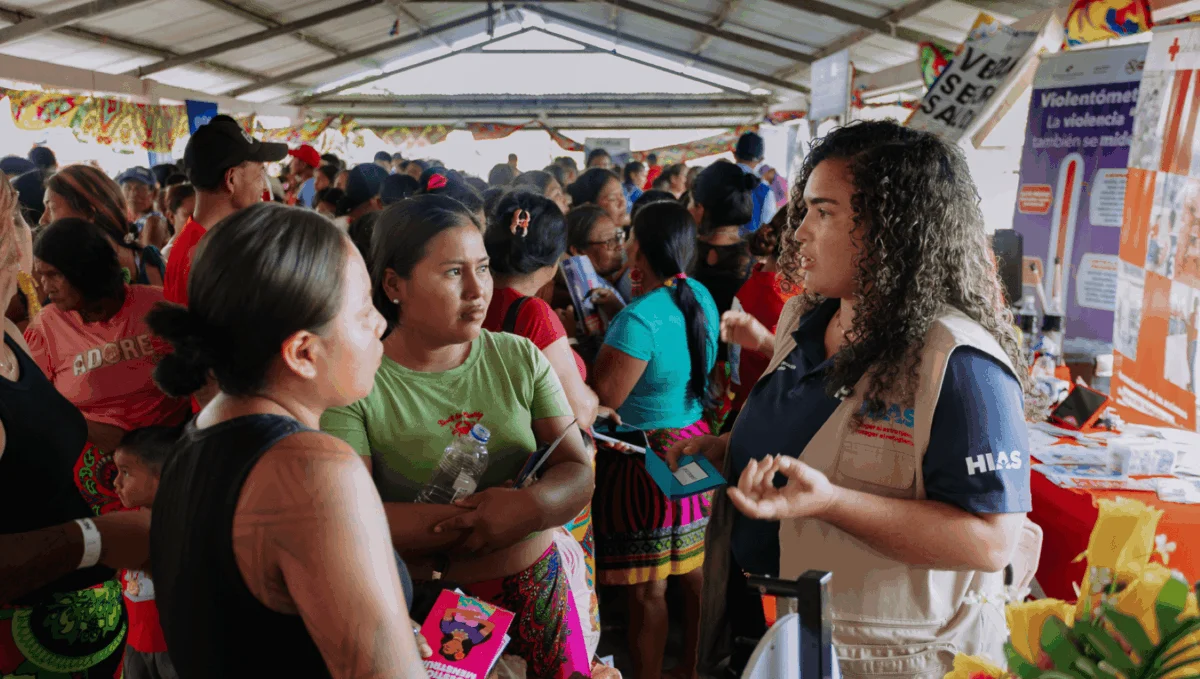
The cornerstone of this initiative was recently highlighted by the successful “Conectando Talentos con Oportunidades” (Connecting Talents with Opportunities) job fair, held in Quito on March 20, 2026. This event, a tangible outcome of HIAS Ecuador’s ongoing employability program, brought together a diverse group of job seekers, including refugees, asylum seekers, displaced individuals, and vulnerable local Ecuadorians, with a spectrum of potential employers. The fair aimed not only to facilitate immediate job placements but also to cultivate long-term sustainable employment pathways, thereby strengthening the economic fabric of host communities.
The Multifaceted Challenges of Displacement and Employment
The reality for many displaced individuals is a stark departure from their previous lives. The urgency of fleeing conflict or persecution often means leaving behind professional credentials, valuable work experience, and established career trajectories. Upon arrival in a new country like Ecuador, they face the daunting prospect of re-establishing their professional identities from the ground up. This often involves overcoming language barriers, adapting to different workplace cultures, and navigating complex legal and administrative processes related to employment.
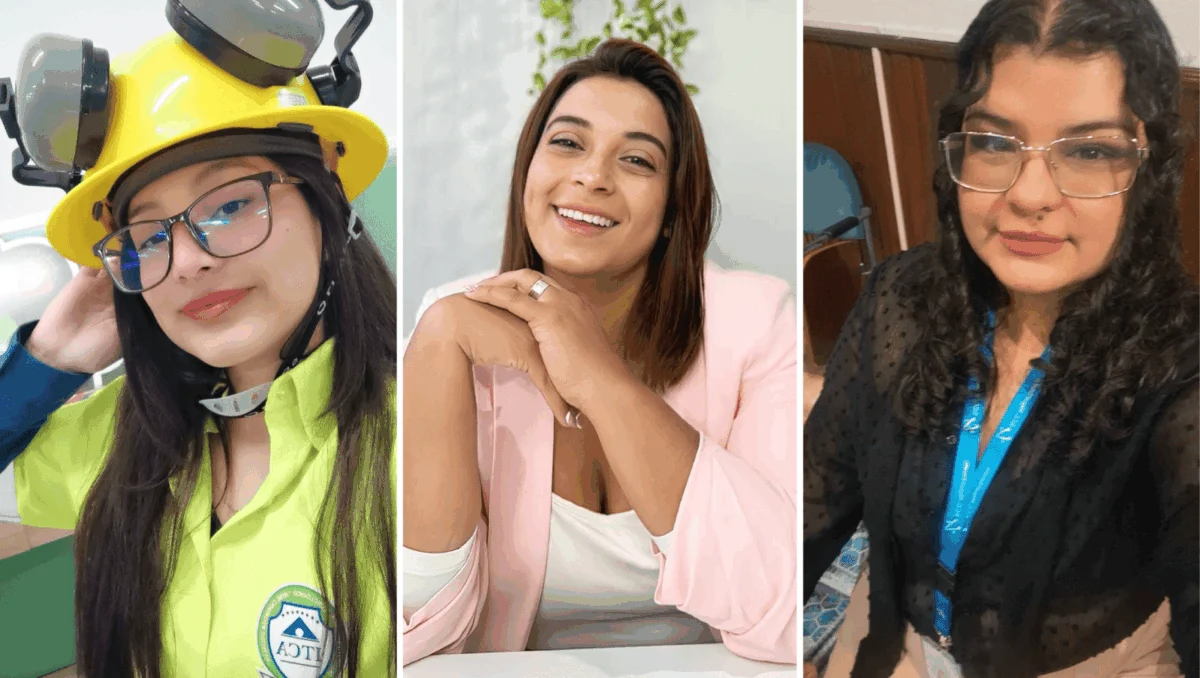
Victoria, a program participant whose story exemplifies the initiative’s impact, shared her initial struggles. "Adapting to a new country is not easy," she recounted. "But thank God, after a long time and thanks to HIAS’s assistance, opportunities opened up for me to help my family and myself." Her journey, like that of many others, was marked by the arduous process of cultural adjustment and the search for a job that aligned with her skills and experience. HIAS Ecuador’s employability program provided her with crucial support, including personalized coaching and guidance throughout her job search. This comprehensive approach was instrumental in her eventual placement with S4 Learning, an education company based in Quito.
Victoria described her experience with the program as "enriching," emphasizing the value of the training, counseling, and consistent follow-up. "All of this has allowed me to improve, without a doubt, learning more about labor laws, opportunities, and the rights we have as immigrant workers within a country," she added. This underscores a critical aspect of the program: empowering individuals with knowledge about their rights and the local labor market, thereby fostering greater self-sufficiency and protection against exploitation.
A Broader Humanitarian Context in Ecuador
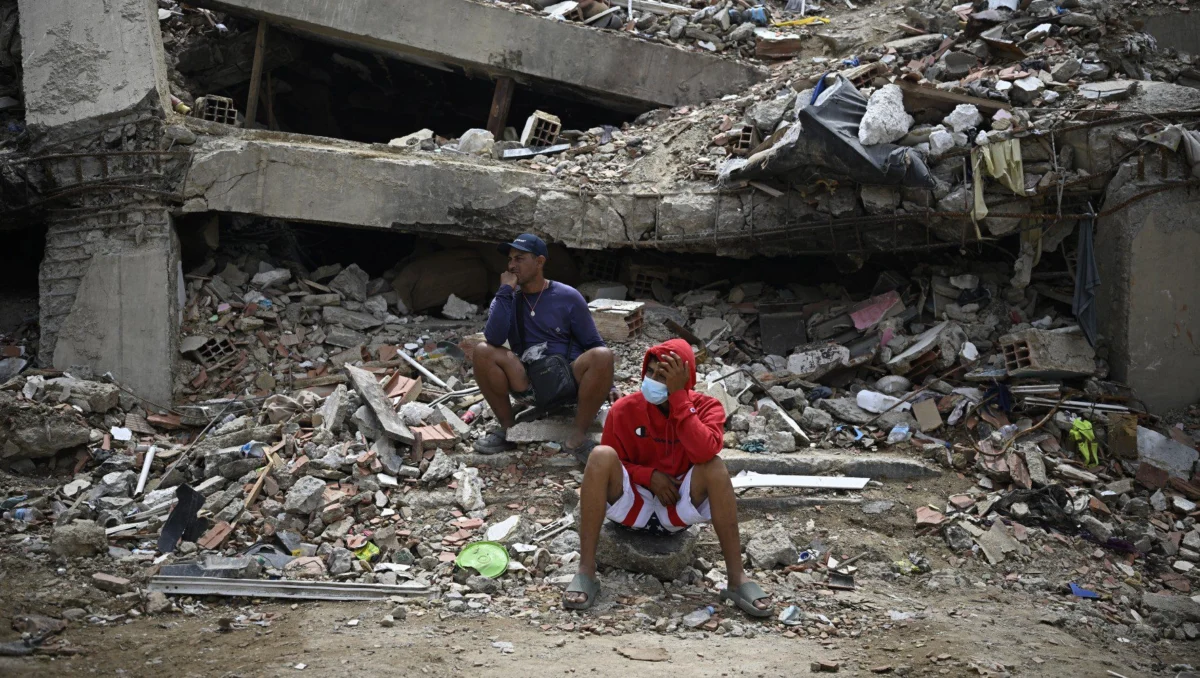
Ecuador faces a significant humanitarian challenge, hosting a substantial population in need of assistance. According to recent data from UNHCR, there are over 470,000 individuals requiring humanitarian aid within the country, including more than 39,000 refugees and asylum seekers. Compounding these figures, Ecuador has experienced a concerning rise in gang violence over the past two years, leading to the internal displacement of over 300,000 of its own citizens. This complex situation necessitates multifaceted humanitarian responses, with economic empowerment playing a pivotal role in stabilizing vulnerable populations and fostering social cohesion.
HIAS has been a consistent presence in Ecuador since 2003, working collaboratively with host communities to welcome newcomers and provide essential support, with a particular focus on promoting economic opportunities. The employability program operates within this broader context, aiming to address the disconnect between the demand for labor and the available skilled workforce among displaced populations and vulnerable locals.
The Mechanics of the Employability Program
The HIAS Ecuador employability program employs a structured and holistic approach to job placement. It begins with a thorough assessment of each participant’s skills, experience, and aspirations. This is followed by tailored training sessions, often conducted by specialists in economic empowerment and psychologists. These sessions are designed to equip participants with the necessary tools to navigate the Ecuadorian job market effectively. Key components include resume building, interview preparation, and understanding local labor laws and workplace norms.
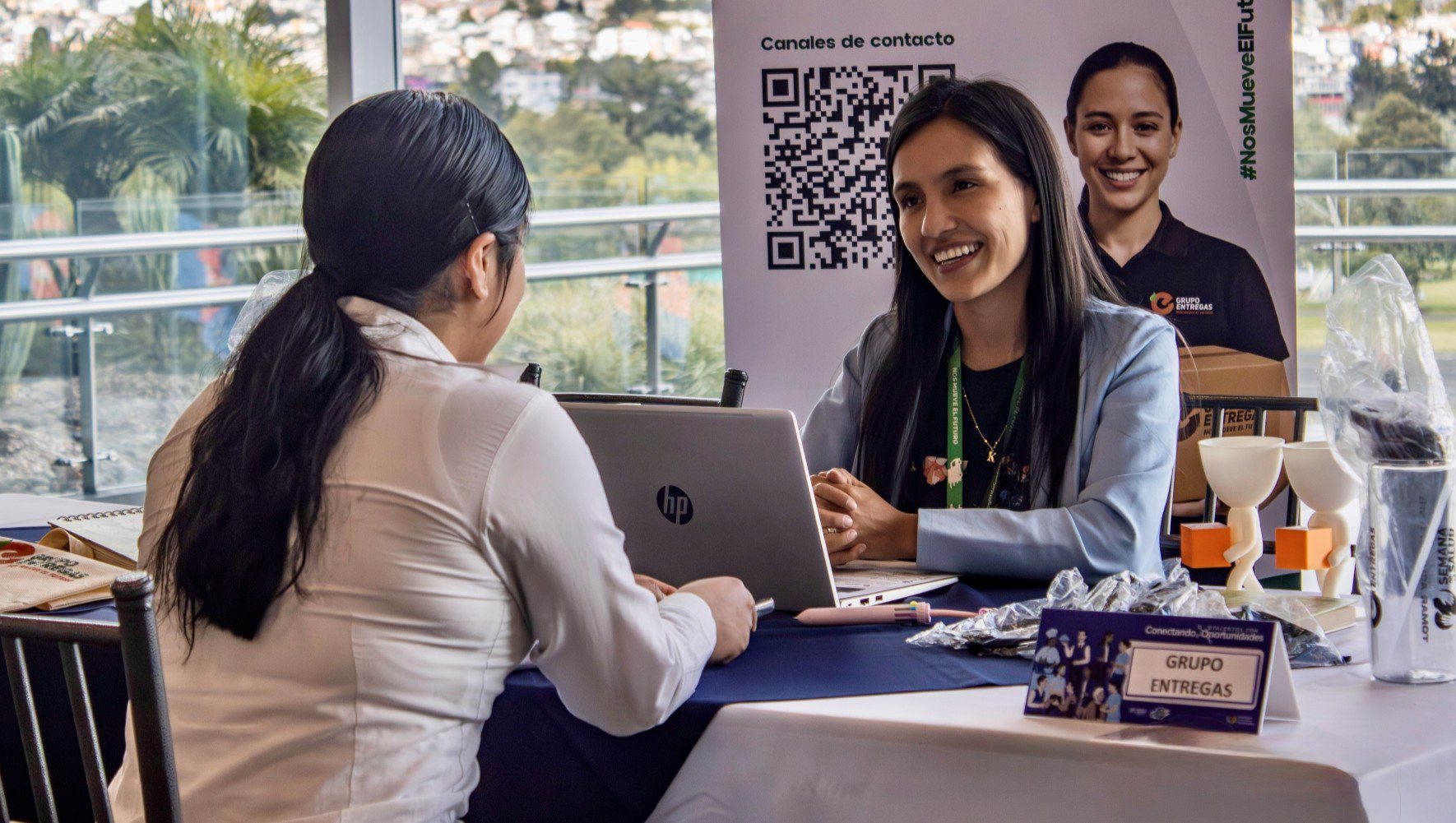
Alexander Guamán, HIAS Ecuador’s Psychosocial Counselor in Quito, highlighted the program’s significance. "It is an opportunity to strengthen talent and competitiveness in organizations," he stated. "We are talking about the labor reintegration of highly capable people with top-level skills who bring a diversity of experiences, resilience, and a strong motivation to get ahead." This perspective emphasizes the valuable contributions that displaced individuals can make to the Ecuadorian workforce, dispelling any misconceptions about their capabilities.
Rosielis, another program beneficiary, faced significant challenges in her job search despite possessing decades of work experience and a degree in Industrial Relations. She encountered age discrimination and lacked the local references that employers often sought. HIAS Ecuador provided her with specialized job training relevant to the Ecuadorian context and, crucially, served as a professional reference, vouching for her work ethic and capabilities. This support enabled her to secure a position as a pharmacy assistant in Machala.
"The information received in the different sessions was invaluable," Rosielis shared. "As a foreigner, you know how things work in your country, but not in your host country. The workshops were always very dynamic, and the support and guidance from the staff were timely throughout the entire process." Her experience underscores the vital role of localized knowledge and support in overcoming the barriers faced by newcomers.
Engaging Employers for Inclusive Hiring
HIAS Ecuador’s commitment extends beyond supporting job seekers; it actively engages with employers to foster more inclusive hiring practices. The organization provides training to companies on the benefits of employing refugees and displaced persons, aiming to dispel myths and highlight the valuable skills and dedication these individuals bring. By connecting employers with a pre-screened pool of qualified candidates, HIAS streamlines the recruitment process for businesses, reducing turnover and contributing to economic growth.
Carla Sofía Barrionuevo, a Human Resources Leader at S4 Learning, the company that hired Victoria, affirmed the positive impact of HIAS’s engagement. "HIAS has helped us to have more conscious and inclusive processes," she remarked. "We have managed to implement concrete actions such as training, awareness, and hiring… Diversity is not a challenge; it is a great advantage." This sentiment reflects a growing understanding among employers that embracing diversity leads to innovation and enhanced organizational performance.
Similarly, Maytee Muñoz Ulloa, a recruitment executive at Mia Pharmacies, which hired Rosielis, noted that partnering with HIAS significantly reduced their recruitment timelines. "Qualified candidates were already pre-screened and ready to work," she explained. Employees like Rosielis have proven to be invaluable assets, contributing to the organization’s success during a period of expansion. Ulloa further emphasized that these employees "bring commitment and resilience, along with a strong motivation to integrate and grow professionally. They also enrich the organizational culture with a diversity of experiences and perspectives."
The Broader Impact: Stability, Dignity, and Reintegration
The overarching goal of the employability program is to ensure that refugees, migrants, and vulnerable local Ecuadorians can secure safe and sustainable income. This is particularly crucial in preventing exploitation, as individuals lacking knowledge of local laws and processes are more susceptible to being taken advantage of. By facilitating access to decent work, HIAS Ecuador aims to place program participants on a stable path toward financial security, allowing them to rebuild their lives with dignity.
Juan Romero, HIAS Ecuador’s Economic Empowerment Advisor, articulated the program’s profound impact: "These activities make it possible to close the existing gap for migrants and refugees to find decent work. Through employment, people have been able to rebuild their lives and provide stability and peace of mind for their families." This statement encapsulates the transformative power of employment, extending beyond financial benefits to encompass emotional well-being and family stability.
For individuals like Victoria and Rosielis, securing stable employment has meant more than just earning a livelihood; it has provided a sense of belonging and support during their integration journeys. Victoria’s sentiment resonates with many: "Throughout the process, I felt very accompanied, I was never alone. Honestly, it has been a very beautiful experience that has helped not only me but many people of different nationalities." This underscores the program’s success in fostering not just economic independence but also a sense of community and support for those navigating new beginnings. The "Conectando Talentos con Oportunidades" job fair and the ongoing employability initiative represent vital steps toward building a more inclusive and resilient Ecuador, where all individuals have the opportunity to contribute their talents and thrive.