By Edson Krenak
Indigenous Peoples worldwide offer profound and vital perspectives on sustainable development, human rights, and the crucial responsibilities of both states and corporations in navigating the transition to a green economy. Their deep, ancestral relationships with lands, waters, forests, and the intricate web of more-than-human lives provide essential pathways for addressing the escalating climate crisis and its multifaceted impacts. Despite constituting a mere 6.2% of the global population, Indigenous communities are the stewards of approximately 80% of the Earth’s remaining biodiversity, safeguarding a vast array of habitats, including forests, deserts, grasslands, and marine environments, which they have inhabited for millennia. This critical role in maintaining a resilient and thriving planet, essential for both humanity and countless other species, often goes unrecognized, under-supported, and tragically, places Indigenous lives at significant risk. The slow pace of international adoption of such frameworks, exemplified by the fact that only 23 countries have ratified the Indigenous and Tribal Peoples Convention 169 of the International Labour Organization in the 33 years since its adoption, underscores the persistent challenges in formalizing and respecting Indigenous rights and knowledge.
At the heart of Indigenous worldviews lie three fundamental principles that guide their ways of being, knowing, and doing, offering a powerful framework to address existing disparities and protect our shared planet: reciprocity, respect, and relationality. These principles underscore a holistic, interconnected approach to development that is both powerful and sustainable. In the context of a just transition to a green economy, these tenets are pivotal in fostering genuine environmental stewardship, ensuring cultural preservation, and promoting social justice.
Reciprocity: A Profound Connection to Mother Earth
The concept of reciprocity, as eloquently articulated by botanist and distinguished professor Robin Wall Kimmerer (Potawatomi), transcends simple exchange. In her seminal work, "Braiding Sweetgrass," she states, "Paying attention is a form of reciprocity with the living world, receiving the gifts with open eyes and open heart." This principle emphasizes that reciprocity begins not with transactional thinking or repayment, but with a conscious act of attention—recognizing the intricate relationships that sustain all life, encompassing not only humans but also our non-human relatives such as animals, plants, rivers, forests, oceans, and all sentient beings.
Central to Indigenous understanding, reciprocity is underpinned by the crucial notions of limits, proportionality, and responsibility. It dictates that there are inherent limits to what can be extracted from the planet, and that whatever is taken must be returned proportionally. Reciprocity operates on equal terms, challenging anthropocentric notions of human dominance. Instead of viewing humans as mere "caretakers" of the Earth, Indigenous perspectives advocate for a role as "caregivers," emphasizing a mutual exchange where humans share and care for the Earth, just as Mother Earth shares her abundance and cares for us. This perspective shifts the paradigm from managing the Earth from an external, controlling position to actively participating as integral members within a shared web of life, caring for her as one would care for a beloved relative.
Indigenous communities view themselves as custodians and stewards of the Earth, its rivers, forests, and all the species that constitute their lifeweb. Their well-being is inextricably linked to the health of the environment, making it impossible to achieve happiness, health, or prosperity in the face of environmental destruction. The escalating climate crisis, global warming, and the proliferation of diseases are demonstrably driven by unsustainable development practices such as soil depletion, river contamination, and deforestation—all of which have disproportionately impacted Indigenous Peoples.
In the current global pursuit of raw materials, particularly transition minerals essential for decarbonizing technology, the green economy faces a critical juncture. Embracing reciprocity means integrating sustainable practices that ensure the well-being of both ecosystems and communities. This Indigenous principle offers a path toward justice not only for humanity but for all beings on Earth. Reciprocity is not merely a practice; it is a fundamental way of life. Instead of an unchecked focus on economic growth, a reciprocal approach necessitates paying attention to whether all beings are thriving in a healthy environment. Without reciprocity, the green economy risks perpetuating the same extractive logic it purports to overcome, ultimately failing our shared planetary home.
Respect: Beyond Courtesy, a Foundation for Action
Respect, in the Indigenous context, encompasses concrete actions and attitudes that honor human rights, Indigenous rights, and the inherent rights of nature. For the green economy to be truly sustainable, respect for nature and its environments must be paramount. Indigenous Peoples, recognized globally as exemplary stewards of nature, frequently experience marginalization and displacement due to corporate activities and development projects that proceed without their free, prior, and informed consent (FPIC), participation, or guidance. The principle of FPIC serves as a crucial safeguard for Indigenous rights in decision-making processes. When implemented genuinely and on Indigenous Peoples’ own terms, FPIC presents a unique opportunity for corporations, institutions, and civil society to collaborate towards Indigenous self-determination.
FPIC is far more than a procedural requirement or a mere opportunity for dialogue. It is a collective right deeply rooted in Indigenous self-determination, obligating states, corporations, and financial actors to respect Indigenous decision-making processes on their own terms when projects or activities impact their lands and livelihoods. It represents not just a legal mechanism but a fundamental moral and ethical stance.
Shawn Wilson (Cree), in his work "Research is Ceremony," emphasizes that "Respect is more than just saying please and thank you." It signifies a relational engagement, not merely a business encounter, but an ongoing, everyday practice. Meaningful consultation, grounded in the ethical foundation of learning from one another, fosters respectful engagement and a reciprocal exchange of wisdom and knowledge.
Within the framework of the green economy, states and institutions must rigorously adhere to FPIC, recognizing Indigenous Peoples not just as stakeholders but as rights-holders, political actors, and indispensable partners in truly sustainable development initiatives aimed at protecting global biodiversity.
Relationality: Walking Gently on the Earth
Relationality posits that land is not a passive resource and nature is not an external, detached object. Words like "resource," "nature," "environment," and "sustainability" often fail to capture the nuanced understanding of these concepts within many Indigenous languages. Instead, lands, waters, forests, animals, spirits, ancestors, and future generations are recognized as integral members of the political and ethical community within which decisions must be made. The implications of policies and actions must resonate with and consider the well-being of these interconnected entities.
For Indigenous communities, lands and resources are not commodities to be exploited but are fundamental components of their identities, spirituality, and very existence. The profound interconnectedness between humans and nature forms the foundational link that binds us all, extending beyond Indigenous Peoples to encompass the entire global community. The stewardship of ancestral lands and the environment is therefore vital for maintaining collective well-being.
In the context of the green economy, relationality calls for a conscious recognition and valuing of the intrinsic link between biology, spirituality, culture, and the environment. From this perspective, ecology transcends the mere study of ecosystems; it becomes the profound recognition that life itself is a complex linkage of all our values, sustained through dynamic relationships among biological, cultural, spiritual, and even apolitical realms.
Consequently, policies and initiatives must actively engage Indigenous Peoples in sustainable resource management and land stewardship. Indigenous concepts of ecology offer invaluable contributions to global efforts to combat climate change and biodiversity loss. By centering Indigenous voices and incorporating traditional knowledge, the green economy can achieve holistic environmental stewardship and cultural strengthening, benefiting not only Indigenous communities but the entire global community. States, corporations, and policymakers are therefore urged to embrace these principles and collaborate with Indigenous leaders to forge a greener, more inclusive, and truly sustainable future for all.
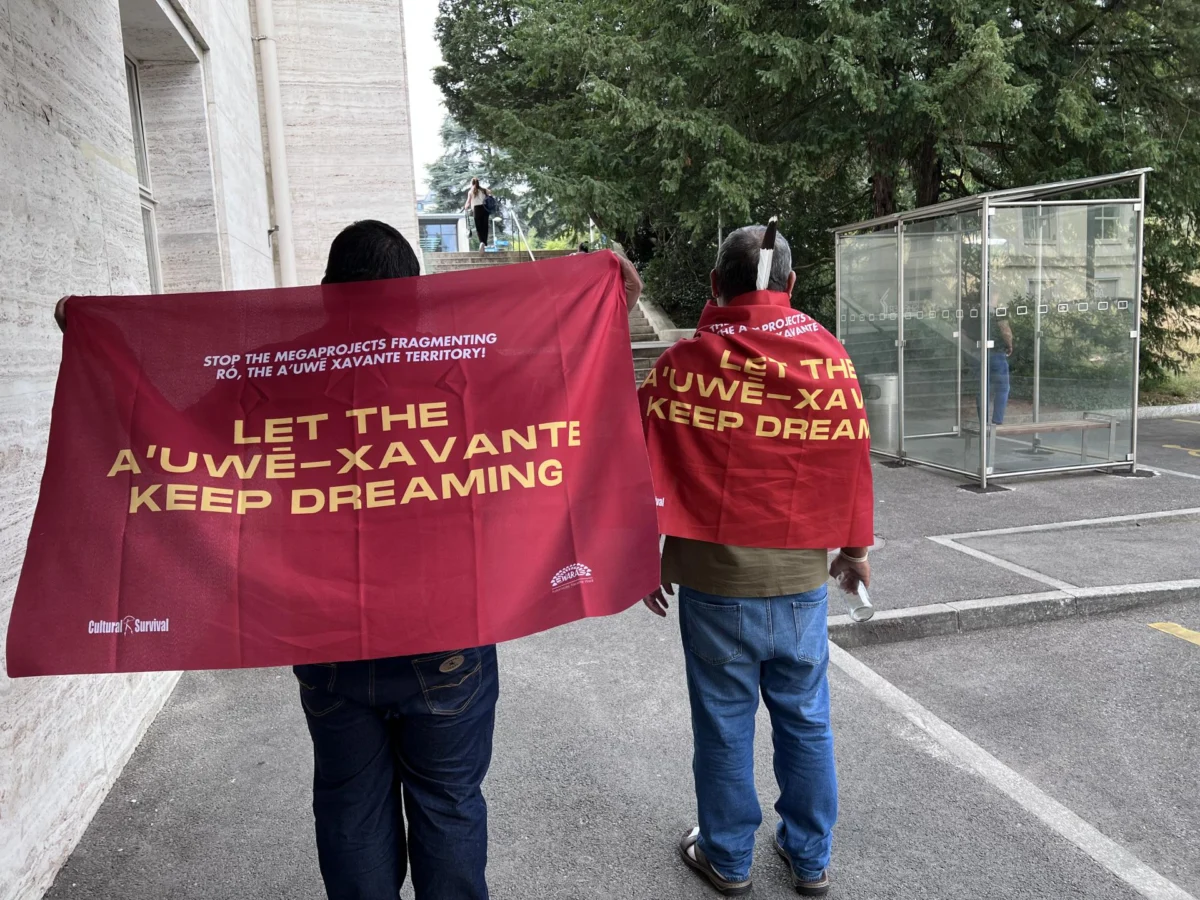
The integration of Indigenous practices into public policy is achievable by adhering to these guiding principles. Cultural Survival, an organization with a 51-year history of partnering with Indigenous communities, has consistently demonstrated how these principles are deeply interwoven with lands, languages, spiritual traditions, and artistic expression. These principles derive their power from their root in self-determination and self-governance, embodying freedom and security.
Threats to Indigenous Lands in the Green Transition
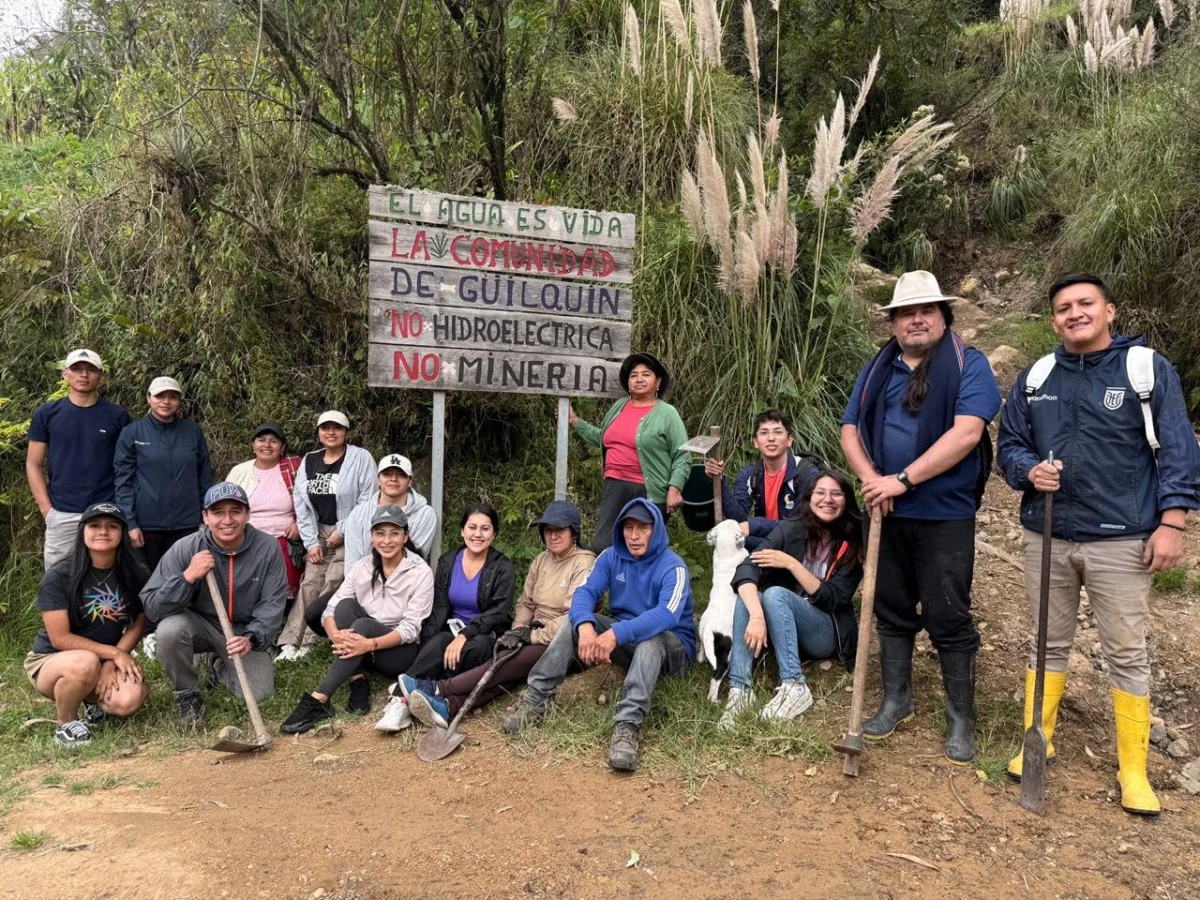
As the global demand for minerals essential for renewable energy technologies escalates, the imperative to address the green economy through an Indigenous lens becomes ever more urgent. Indigenous-led organizations and their allies have united to form the Securing Indigenous Peoples’ Rights in the Green Economy (SIRGE) Coalition, advocating for a just transition to a low-carbon economy. This coalition implores governments, corporations, and financial decision-makers to avoid repeating the mistakes of the past by preventing environmentally damaging mining practices and rigorously protecting the rights and self-determination of Indigenous Peoples worldwide, many of whom reside in regions rich in these critical minerals.
Data underscores the significant overlap between mineral extraction sites and Indigenous territories. According to a study published in Nature Sustainability, 54% of the approximately 5,097 mining projects globally that involve minerals used in renewable energy technologies are located on or near Indigenous Peoples’ lands and territories. In the United States alone, a substantial proportion of reserves for key transition minerals are situated in close proximity to Native American reservations: 97% of nickel, 89% of copper, 79% of lithium, and 68% of cobalt reserves are located within 35 miles of these reservations, as reported by MSCI.
The human cost of this resource extraction is alarming. Over a 12-year period, the Business & Human Rights Resource Centre documented 510 human rights allegations against companies involved in transition mineral extraction. Of these, 49 allegations specifically involved Indigenous Peoples. In 2022, nearly 40% of attacks related to transition minerals were directed against Indigenous Peoples or their communities, highlighting a pervasive pattern of human rights violations. The SIRGE Coalition aims to create a vital platform for Indigenous leaders, states, and corporations to collaborate and ensure a truly just transition.
Ailton Krenak (Krenak) poignantly observes, "The future is ancestral, and humanity needs to learn from it to tread gently on the Earth. We only exist because the Earth allows us to live. It gives us life; nothing else does. That’s why we call it Mother Earth. We have disconnected ourselves from the body of the Earth, going through a divorce, believing that we could live on our own terms. But there was a condition: to extract, dominate, and exploit everything that comes from Gaia. We divorced ourselves from this organism that sheltered us, yet we constantly continue to usurp it."
Recognizing ourselves as relatives of the Earth and all its organisms is fundamental. Relationality offers a pathway to reconnection, to return home, and to rebuild our dreams for the future, progress, and development. This dream must be one shared with our home, our Mother Earth. Reciprocity, respect, and relationality offer a transformative paradigm for engagement between Indigenous Peoples, states, and corporations, ultimately serving the vital interests of our planet and all life it sustains.