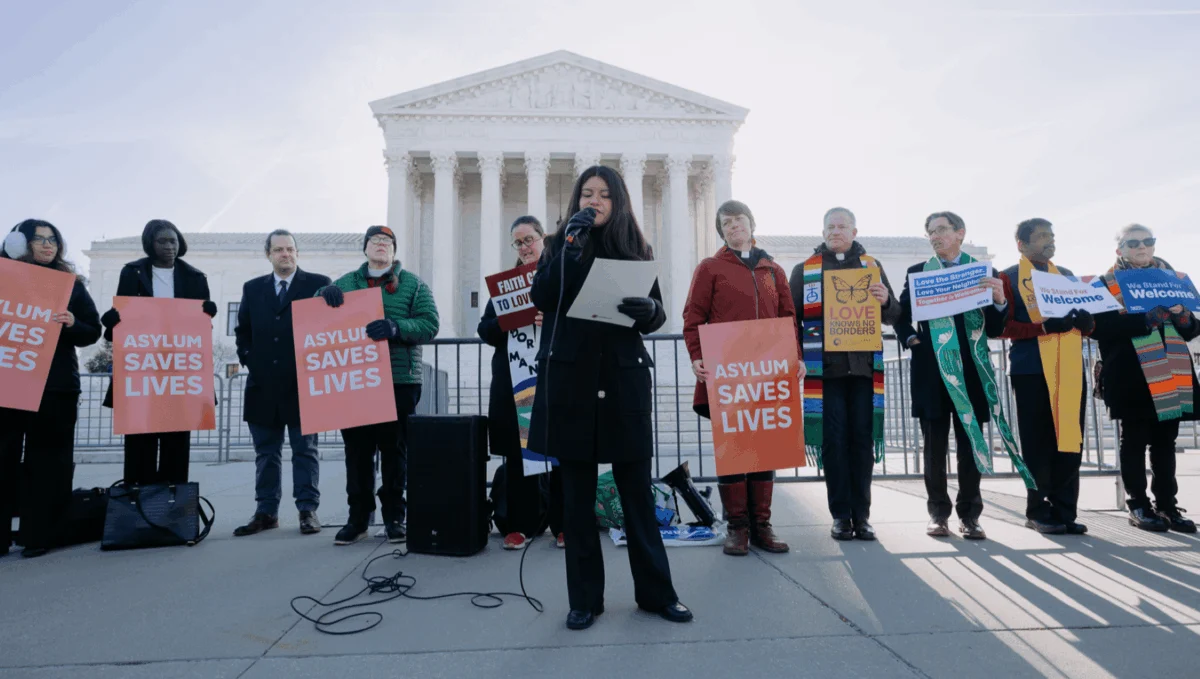
After years of contentious debate and in response to more than a decade of persistent refugee crises at Europe’s external borders, the European Union’s landmark Pact on Migration and Asylum is set to officially enter into force on June 12, 2026. This comprehensive legislative package comprises a series of interconnected measures designed to overhaul the EU’s approach to managing migration flows and modernize its long-standing common asylum system. The Pact aims to break the political deadlock that has plagued EU migration policy for years, proposing a framework that emphasizes stricter border controls, accelerated asylum procedures, more efficient returns of individuals deemed ineligible for protection, and a purportedly more equitable distribution of responsibilities among member states. At its core, the Pact signals a heightened political imperative to deter the arrival of displaced persons on European shores.
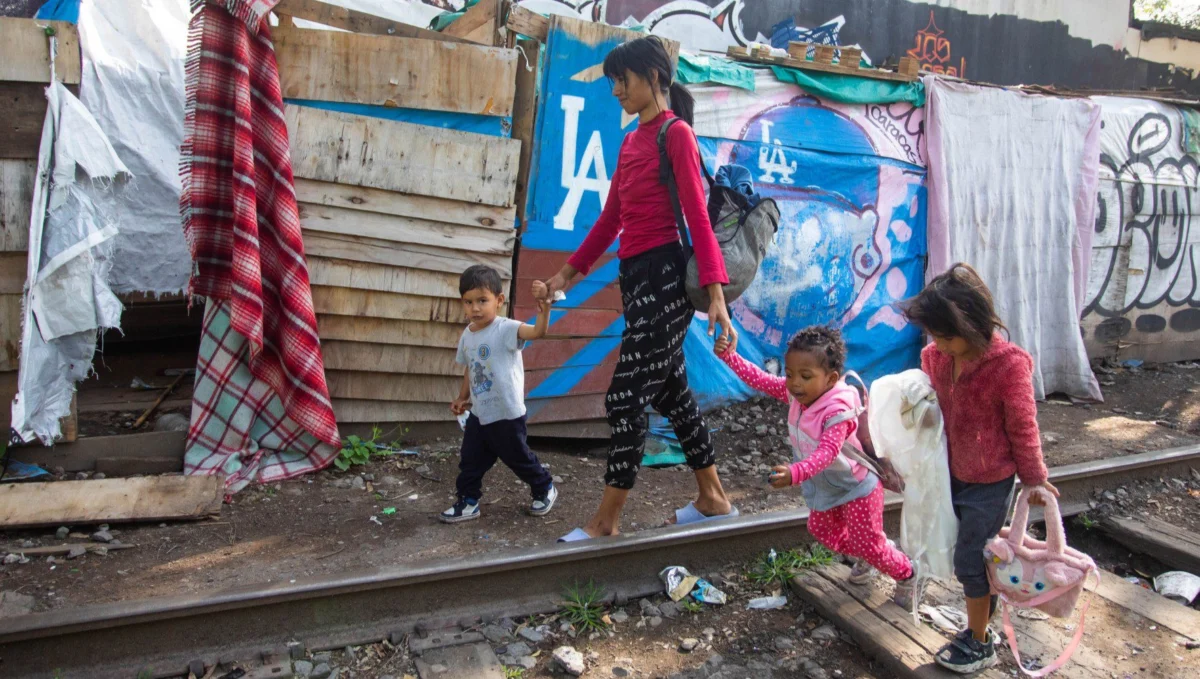
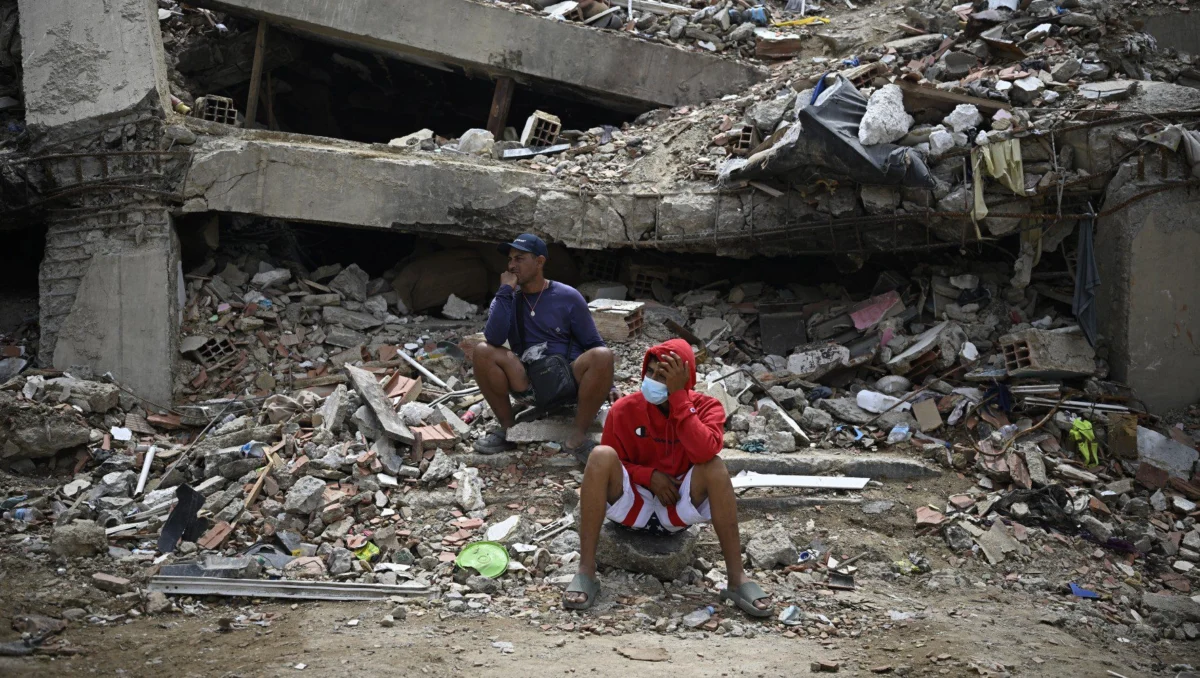
However, this narrative of discouraging arrivals is increasingly challenged by stark realities and verifiable data. Official statistics consistently demonstrate that the vast majority of individuals seeking asylum in the EU are fleeing genuine persecution, violence, and conflict. The United Nations High Commissioner for Refugees (UNHCR) reports that as of mid-2026, more than 117 million people worldwide are forcibly displaced, with the overwhelming majority remaining within their own countries or in lower-income regions, rather than undertaking perilous journeys to Europe. This underscores a critical point: the limited availability of safe and legal pathways to seek protection forces many vulnerable individuals to reach EU borders directly to claim asylum, a right explicitly protected under international law, including the 1951 Refugee Convention. The Pact, while promising to streamline procedures, risks undermining these fundamental rights if its implementation prioritizes deterrence over protection.
The Genesis of the Pact: A Decade of Crises
The impetus for the EU Pact on Migration and Asylum can be traced back to a series of escalating migration challenges that have tested the Union’s solidarity and capacity since the mid-2010s. The so-called European migrant crisis of 2015-2016, which saw over a million asylum seekers arrive in Europe, primarily from war-torn Syria, Afghanistan, and Iraq, exposed deep divisions among member states regarding responsibility-sharing and border management. Subsequent years have witnessed continued pressure on the EU’s southern and eastern borders, driven by ongoing conflicts, political instability, and economic hardship in regions surrounding Europe.
In response, the European Commission initiated proposals that evolved into the Pact, aiming to create a more robust and unified system. Negotiations were protracted and complex, reflecting the deeply entrenched national interests and differing perspectives on migration within the EU. Key sticking points included the balance between border security and human rights, the definition of "safe countries of origin," and the operationalization of the solidarity mechanism. The final agreement, reached in late 2023, was hailed by some as a necessary step towards a more orderly and predictable system, while drawing sharp criticism from human rights organizations concerned about potential infringements on asylum rights.
Key Provisions of the EU Pact on Migration and Asylum
The Pact introduces several significant changes to how asylum and migration are managed at the EU’s borders. A central tenet is the mandatory screening of all individuals arriving at the EU’s external borders. This process will involve identity checks, security screening, and health assessments. Following this initial screening, asylum seekers will be channeled into different procedures, with a particular emphasis on faster processing for those deemed to have lower chances of obtaining protection.
Accelerated Border Procedures and Detention
Under the new framework, individuals whose asylum claims are deemed inadmissible or unfounded, or who originate from countries with low recognition rates, may be subjected to accelerated border procedures. These procedures will largely take place at designated reception facilities located at the EU’s external borders. Crucially, these procedures can involve detention, with initial periods potentially extending up to 12 weeks. During this time, individuals may be legally considered as not being on EU territory, a legal fiction that raises serious concerns about access to rights, legal assistance, and due process.
The Pact also allows for the extended use of detention in specific circumstances, particularly if an individual’s claim is rejected or if there are difficulties in their return. This has led to widespread concern among human rights advocates about a potential surge in prolonged detention across Europe, impacting vulnerable individuals, including families and children.
The "Solidarity Mechanism"
A cornerstone of the Pact is the introduction of a "solidarity mechanism," intended to alleviate the disproportionate burden placed on frontline member states. This mechanism offers a menu of options for other EU countries to contribute. These contributions can take the form of relocating asylum seekers from overburdened states, providing financial contributions to support border management and asylum systems in frontline countries, or offering operational support, such as deploying personnel or equipment.
However, the effectiveness of this mechanism is already subject to scrutiny. Relocation pledges have historically been met with reluctance by many member states, and the Pact allows for financial contributions to be prioritized. Critics argue that this could lead to a situation where financial support is channeled into border enforcement and externalization of migration control, rather than genuinely sharing the responsibility of hosting asylum seekers. The funds could also be used to build more detention-like reception facilities or to finance migration control initiatives outside the EU, potentially exacerbating human rights concerns in third countries.
Crisis Situations and "Instrumentalization"
The Pact also grants member states greater flexibility to deviate from standard EU asylum and reception rules in "crisis situations." This can include situations where there is a sudden and large influx of arrivals or when a third country "instrumentalizes" migration to exert political pressure on the EU. While intended to provide rapid responses, the definition of "instrumentalization" is broad and open to interpretation, raising fears that it could be invoked to circumvent established protections and create a pretext for restrictive measures, potentially limiting access to asylum for those genuinely fleeing persecution.
Potential Consequences: A Balancing Act Under Threat
The implementation of the EU Pact on Migration and Asylum presents a complex scenario with both potential benefits and significant risks for the protection of refugees and asylum seekers.
Risks to Fundamental Rights
1. Erosion of Safeguards in Fast-Track Procedures: The accelerated border procedures, while aiming for efficiency, risk diminishing crucial safeguards. Limited time for applicants to prepare their cases, reduced access to legal counsel, and less thorough assessments of individual protection needs could lead to erroneous rejections and pushbacks. The ability to reject claims based on prior transit through "safe countries" without a full individual assessment of persecution risks is particularly concerning, potentially leading to refoulement – the return of individuals to countries where they face serious harm.
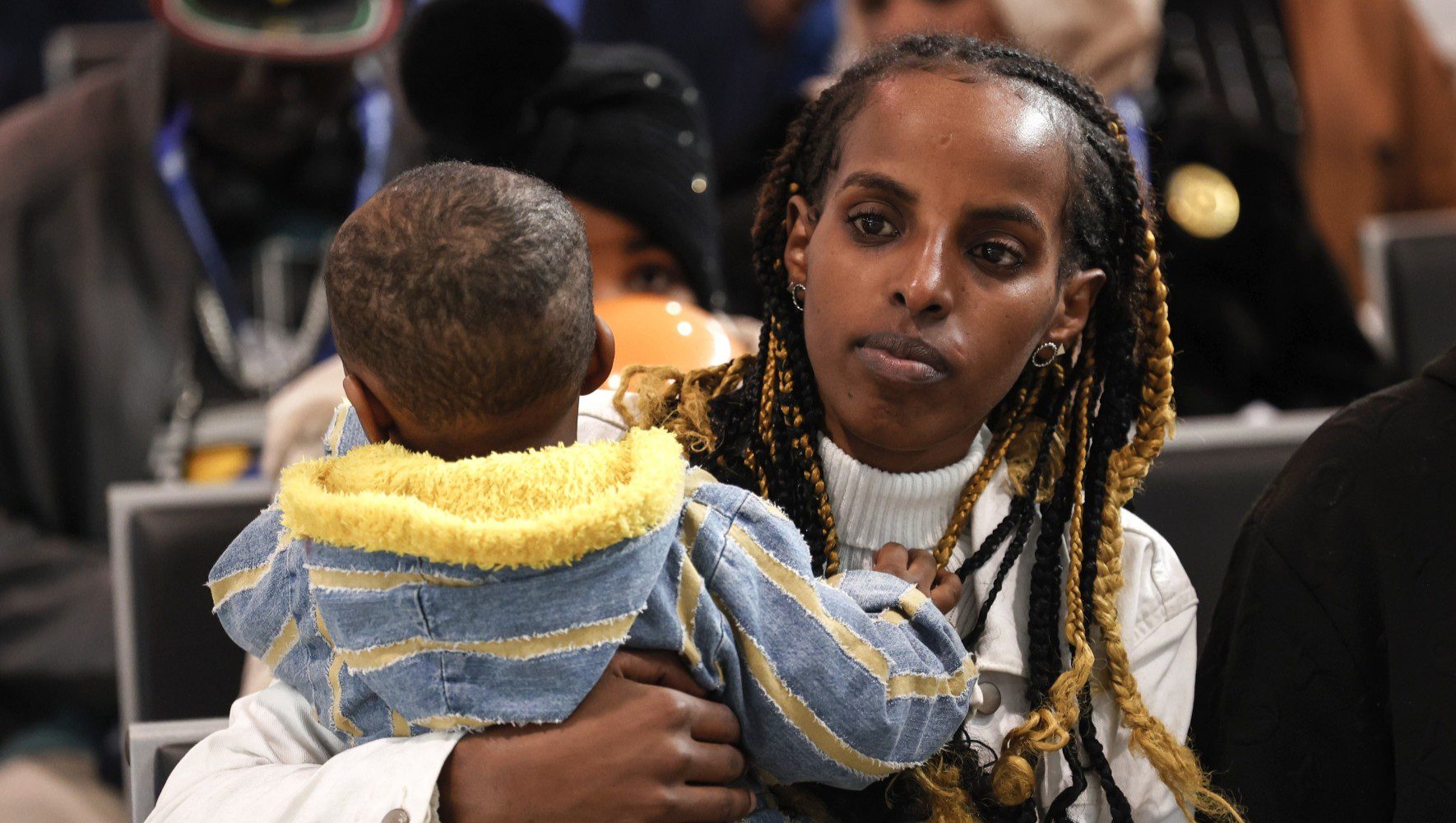
2. Increased Detention and Dehumanization: The mandatory screening and potential for prolonged detention at borders are likely to lead to a significant increase in the number of asylum seekers held in closed facilities. The legal fiction of not being on EU soil while physically present could further isolate individuals and restrict their access to essential services and legal recourse, creating conditions that may be detrimental to their physical and mental well-being. The prospect of extended detention due to challenges in identifying countries of origin for returns is also a significant concern.
3. Persistent Pressure on Border States and Ineffective Solidarity: Despite the introduction of the solidarity mechanism, frontline states may continue to face immense pressure. If financial contributions are prioritized over relocations, the equitable sharing of responsibility could remain elusive. This could perpetuate practices like illegal pushbacks and the neglect of distress at sea, as observed in countries like Greece, where HIAS has documented instances of asylum seekers being denied access to protection and held in inhumane conditions.
4. Abuse of Emergency Measures: The broad definition of "crisis situations" and "instrumentalization" opens the door for member states to potentially suspend or weaken fundamental rights protections under the guise of managing exceptional circumstances. This vagueness can be exploited for political purposes, undermining the very principles of asylum that the EU claims to uphold.
Potential Positive Elements: If Rights-Based Implementation Prevails
Despite the significant concerns, the Pact does contain some provisions that, if implemented with a genuine commitment to human rights, could offer improvements.
1. Enhanced Monitoring Mechanisms: The Pact includes new mechanisms for monitoring the implementation of asylum procedures and ensuring that the rights of individuals are respected at the borders. The effectiveness of these mechanisms will hinge on their independence, transparency, and adequate resourcing by member states.
2. Potential for Improved Resettlement Frameworks: A strengthened resettlement framework could, in theory, create more safe and legal pathways to Europe. However, this depends entirely on member states increasing their resettlement pledges, a trend that has unfortunately seen a decline in recent years, with many states backtracking on existing commitments.
3. A Test for European Solidarity: The solidarity mechanism, despite its flaws, represents an attempt to address the imbalance of responsibility. If member states prioritize relocations and ensure that financial contributions genuinely support protection and integration, it could lead to a more equitable distribution of asylum seekers.
Broader Implications and Advocacy for Change
The global displacement crisis is a complex humanitarian challenge that cannot be solved solely through restrictive border policies. With over 117 million people forcibly displaced worldwide, and the EU hosting approximately 20 million displaced and stateless individuals, the need for comprehensive and rights-based solutions is paramount. Most displaced people remain within their regions of origin, highlighting the importance of addressing the root causes of displacement and supporting countries that host the majority of refugees.
The EU’s response to millions of Ukrainian refugees since 2022 has demonstrated that a rights-based approach to migration can be both effective and beneficial for both individuals and host societies. As the Pact comes into force, European countries remain bound by their international and European legal obligations to protect fundamental human rights.
HIAS Europe, a leading organization advocating for refugees, calls upon EU member states to:
- Prioritize the protection of human rights: Ensure that all asylum procedures, including border procedures, fully respect the rights to seek asylum, due process, and non-discrimination, as enshrined in international and European law.
- Ensure genuine solidarity: Actively participate in relocation schemes and ensure that financial contributions under the solidarity mechanism are used to enhance reception conditions and integration support, rather than solely for border enforcement.
- Uphold the right to seek asylum: Refrain from using emergency measures or broad interpretations of "instrumentalization" to circumvent obligations to assess asylum claims and provide protection.
- Invest in safe and legal pathways: Increase resettlement quotas and explore all avenues for creating safe and legal routes for those seeking protection, reducing the reliance on dangerous irregular journeys.
- Strengthen independent monitoring: Ensure that monitoring mechanisms for border procedures are genuinely independent, transparent, and adequately resourced to hold member states accountable for their human rights obligations.
The coming months will be critical in determining whether the EU Pact on Migration and Asylum ushers in an era of more effective and humane migration management or marks a significant retreat from the EU’s stated commitment to the protection of human dignity and the right to seek asylum. The leadership demonstrated by European countries in implementing these new rules will be a crucial test of their commitment to upholding human rights in practice.