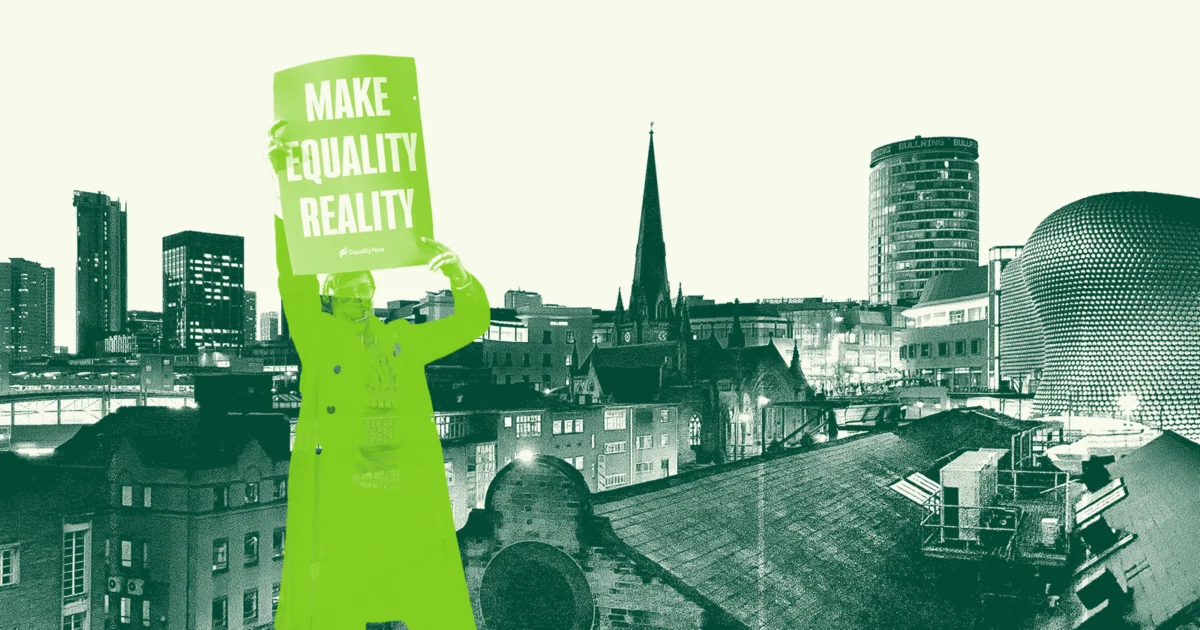
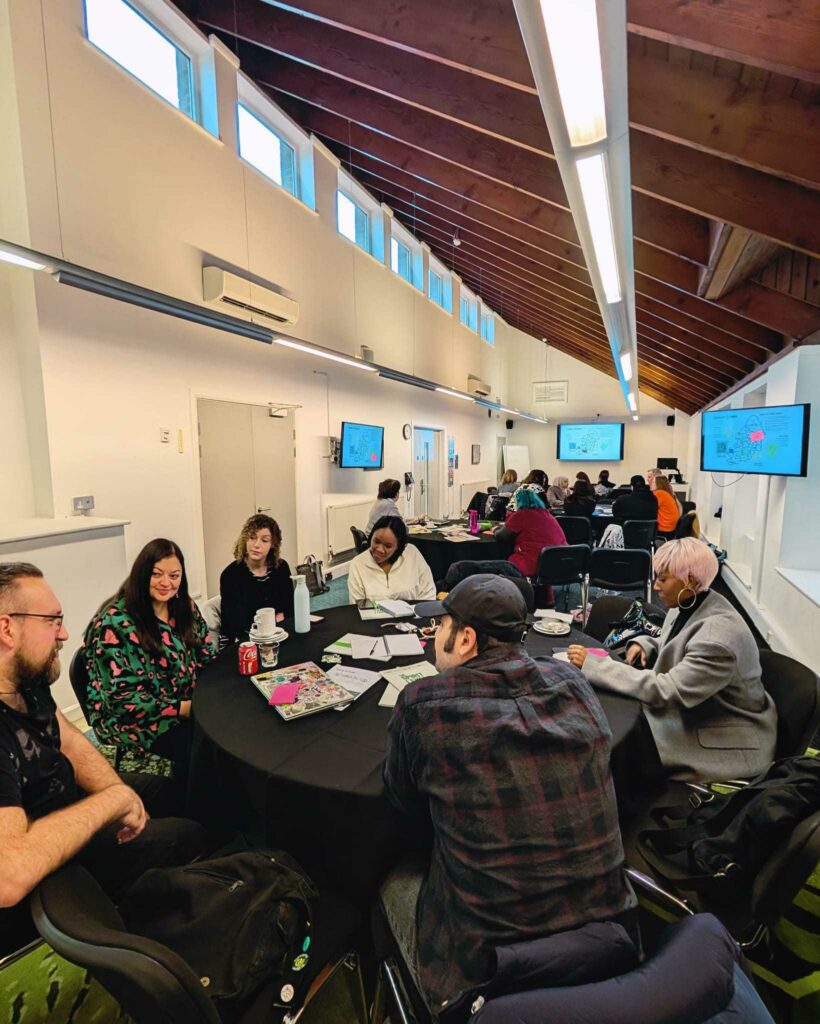
On January 29, 2026, the Midlands Arts Centre (MAC) in Birmingham became the focal point for a critical dialogue regarding the future of the city’s cultural and social landscape. Organized by The Equality Trust, the event titled "Re-imagine a Better Brum" combined a collaborative workshop with the premiere of a documentary film produced by local Community Reporters. The gathering brought together grassroots activists, academic researchers, cultural leaders, and residents to address a burgeoning crisis: the systematic erosion of access to arts, culture, and recreation due to unprecedented local government funding cuts and the persistent cost-of-living crisis. Led by Charlie McNeill, the Senior Project Officer for the Socio-Economic Duty (SED) at The Equality Trust, the session served as both a post-mortem of the city’s recent financial hardships and a visionary laboratory for a more equitable urban future.

The event occurs against a backdrop of significant fiscal distress for Birmingham. As the United Kingdom’s second-largest city, Birmingham has recently navigated a period of extreme austerity following the City Council’s issuance of a Section 114 notice in late 2023, effectively declaring bankruptcy. This financial collapse necessitated a wave of "emergency" budget cuts totaling over £300 million, which saw non-statutory services—specifically arts, youth centers, and community libraries—facing reductions of up to 100% in local authority support. The workshop at the MAC sought to bridge the gap between these high-level budgetary decisions and the lived realities of Birmingham’s diverse population.
A Chronology of Cultural Decline and Community Response
The journey toward the January 29 workshop began nearly eighteen months prior, as part of the Equality Trust’s "Community Reporters" initiative. This program was designed to empower residents with the tools of journalism and storytelling to document the impact of socio-economic inequality within their own neighborhoods. Reporters Alev, Arash, and Jennifer were tasked with exploring how the "broken system" of modern British economics manifests in the daily lives of "Brummies."
Throughout 2024 and 2025, these reporters conducted extensive interviews across the city’s 69 wards. Their focus was specifically on the "cultural deficit"—the growing gap between those who can afford to participate in the city’s rich heritage of music, theater, and arts, and those who are increasingly priced out or physically distanced from these opportunities. This period of data collection coincided with the sharpest rise in inflation seen in decades, which saw the price of basic amenities skyrocket, leaving many households with zero discretionary income for leisure activities.
By late 2025, the findings from these interviews were synthesized into a documentary film titled Conversations of Change: Access to Arts, Culture, Entertainment, and Recreation in Birmingham. The film, edited by Keiran Fuller, was designed to be the centerpiece of the January workshop, acting as a catalyst for discussion among stakeholders who rarely share the same room: academic theorists and frontline community members.
Data-Driven Analysis of the Cultural Divide
The workshop highlighted several alarming trends supported by recent socio-economic data. According to research presented during the session, Birmingham remains one of the most deprived local authorities in England, with nearly 40% of its population living in the top 10% of the most deprived areas nationally. When local government funding for the arts is withdrawn, the impact is not felt equally. While commercial venues in the city center may survive on private investment and tourism, community-based venues in areas like Erdington, Northfield, and Handsworth often rely on a mix of council grants and local patronage—both of which have been severely diminished.
Dr. Patrycja Rozbicka, an Associate Professor at Aston University and a featured speaker at the event, provided academic context regarding the "Night Time Economy" and the music industry in Birmingham. Her research suggests that the closure of small, independent venues does more than just stifle entertainment; it destroys the "cultural ecosystem" that provides jobs, social cohesion, and a sense of identity for young people. When youth centers close and music lessons become a luxury of the wealthy, the city faces a long-term "talent drain" and a rise in social isolation.
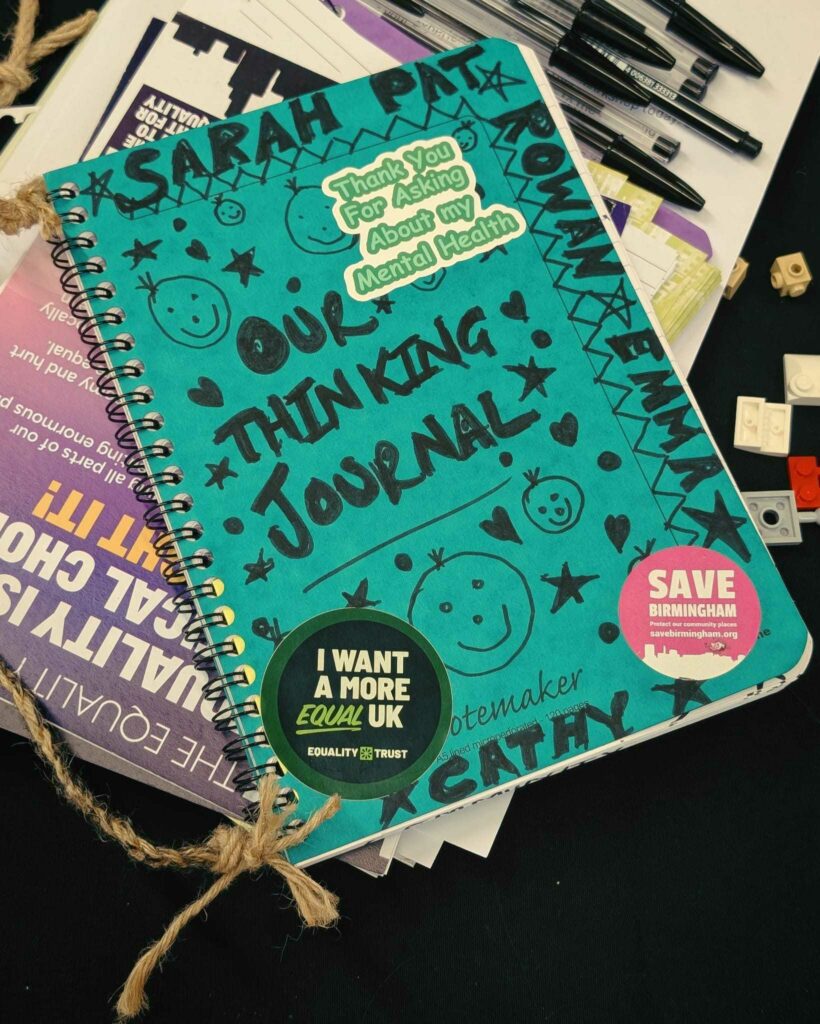
Furthermore, Kathy Hopkin from "Save Birmingham"—a campaign group dedicated to protecting community assets—emphasized the permanence of current losses. Once a community center or a library is sold to private developers to plug a municipal budget hole, that space is effectively lost to the public forever. The data shared at the workshop suggested that the "recreation gap" is now a primary indicator of socio-economic inequality, second only to housing and food security.
Perspectives from the Frontline: The Workshop Discussions
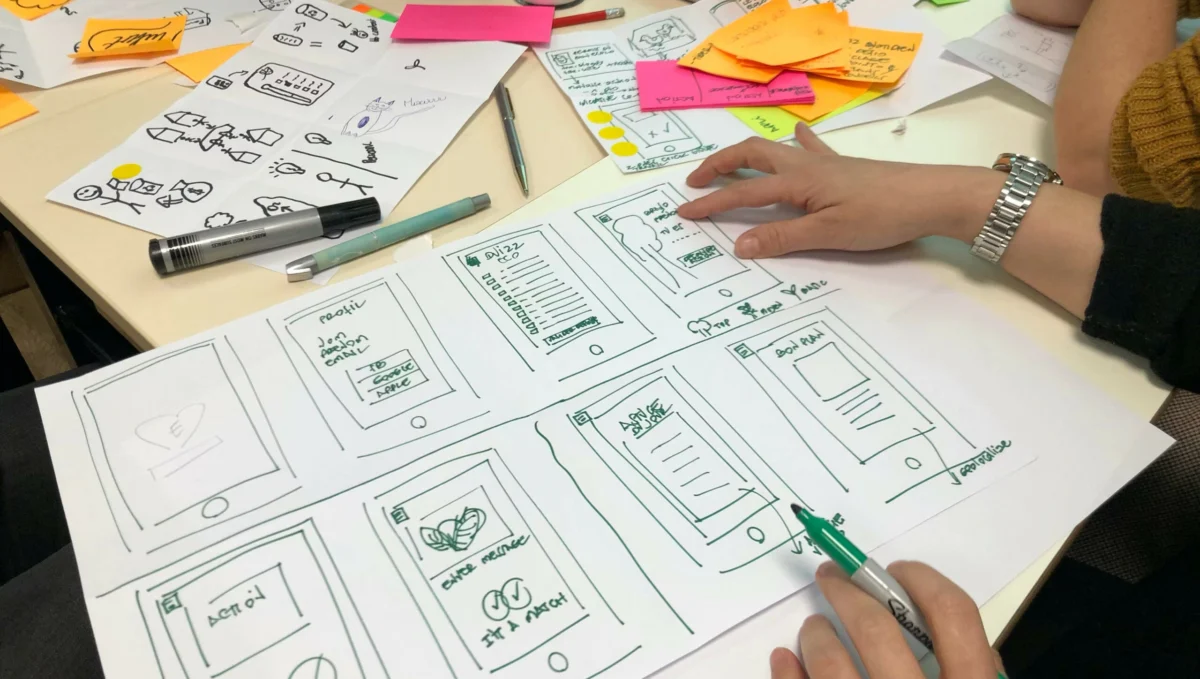
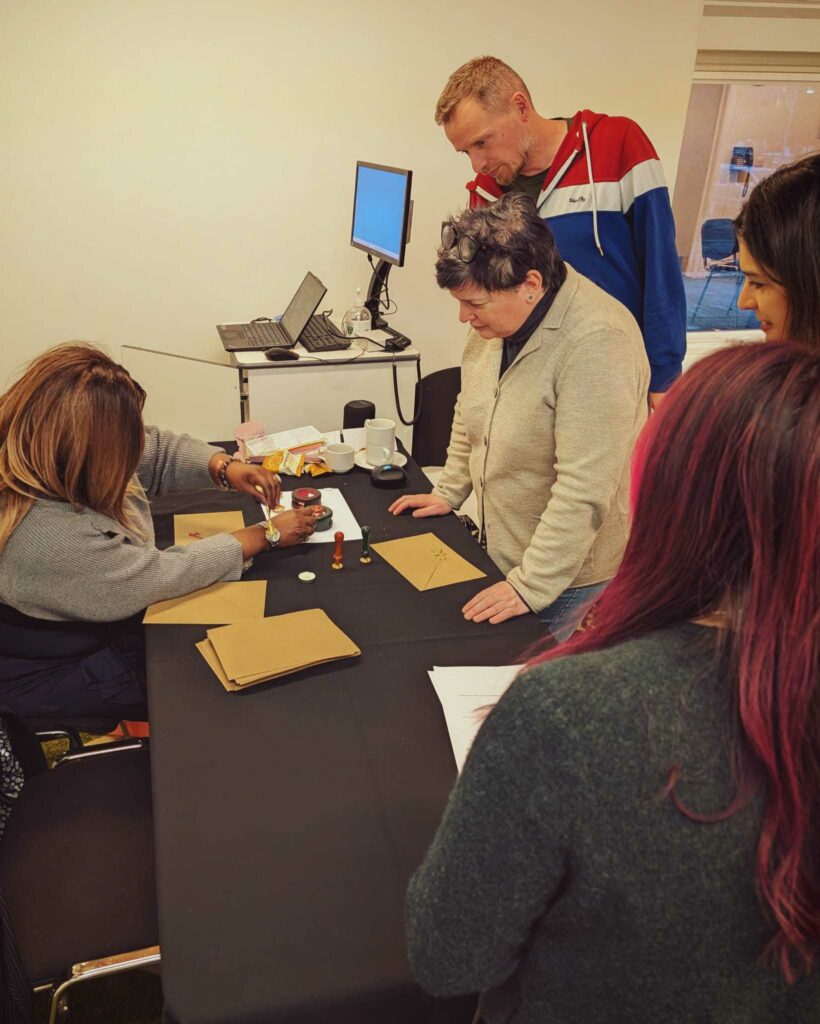
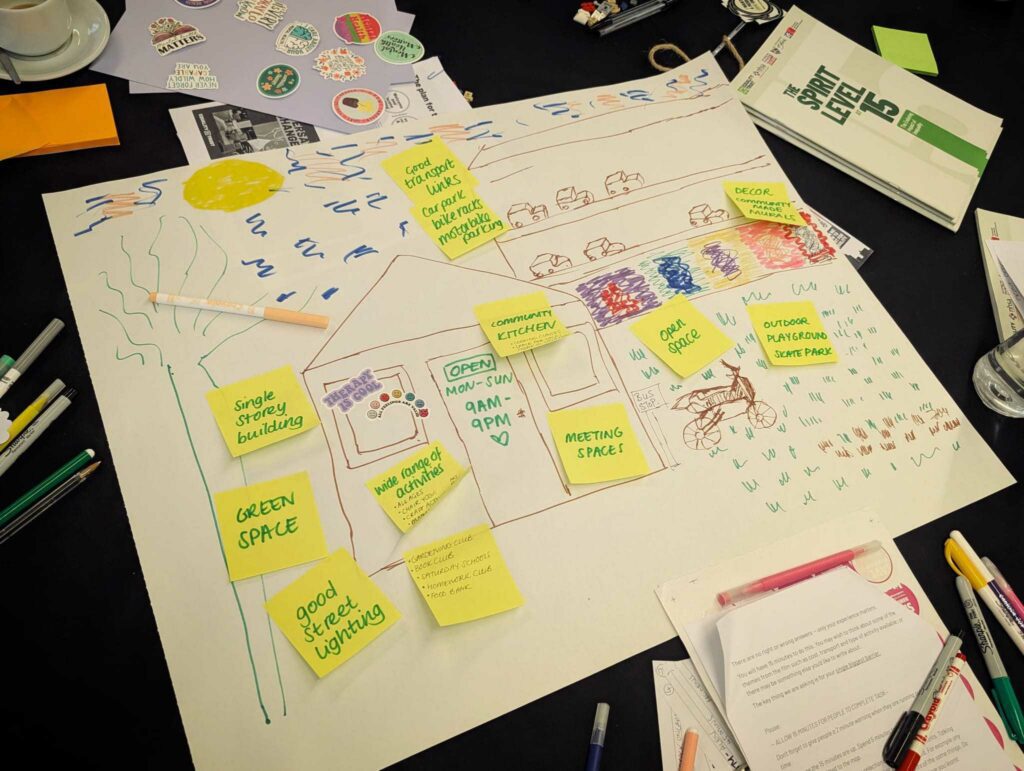
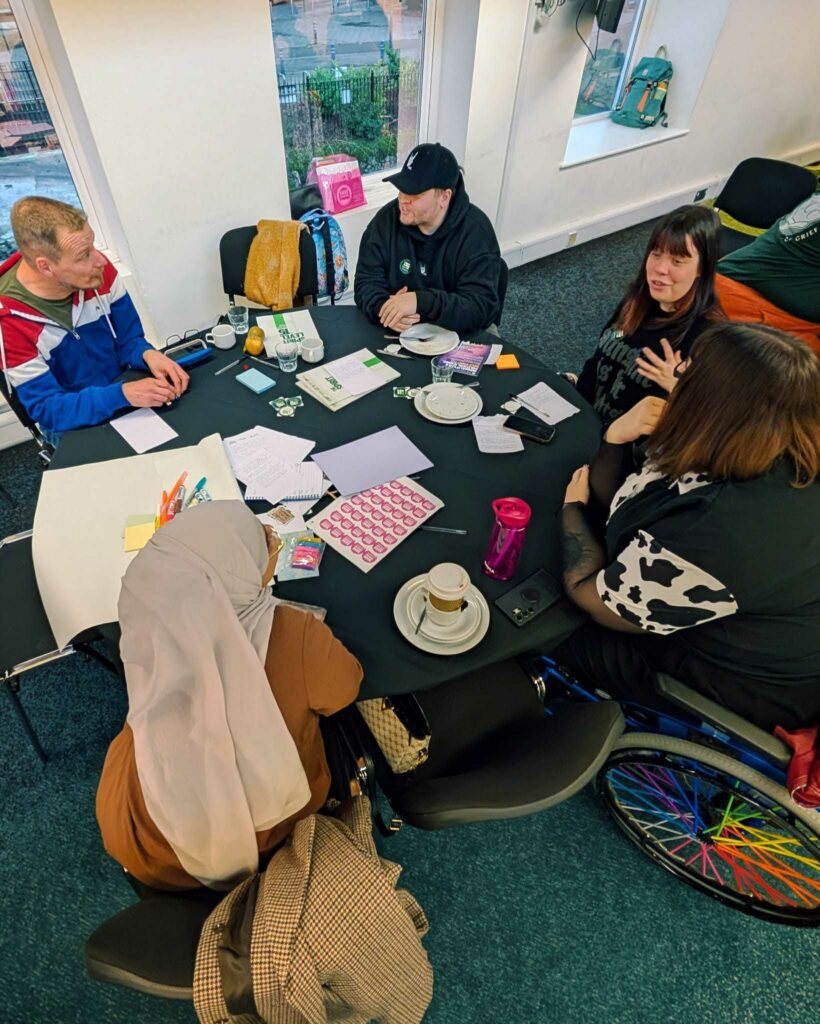
The interactive portion of the event allowed attendees to deconstruct the barriers identified in the film. Participants were divided into working groups to tackle three primary themes: physical accessibility, financial barriers, and the "psychological" distance of cultural institutions.
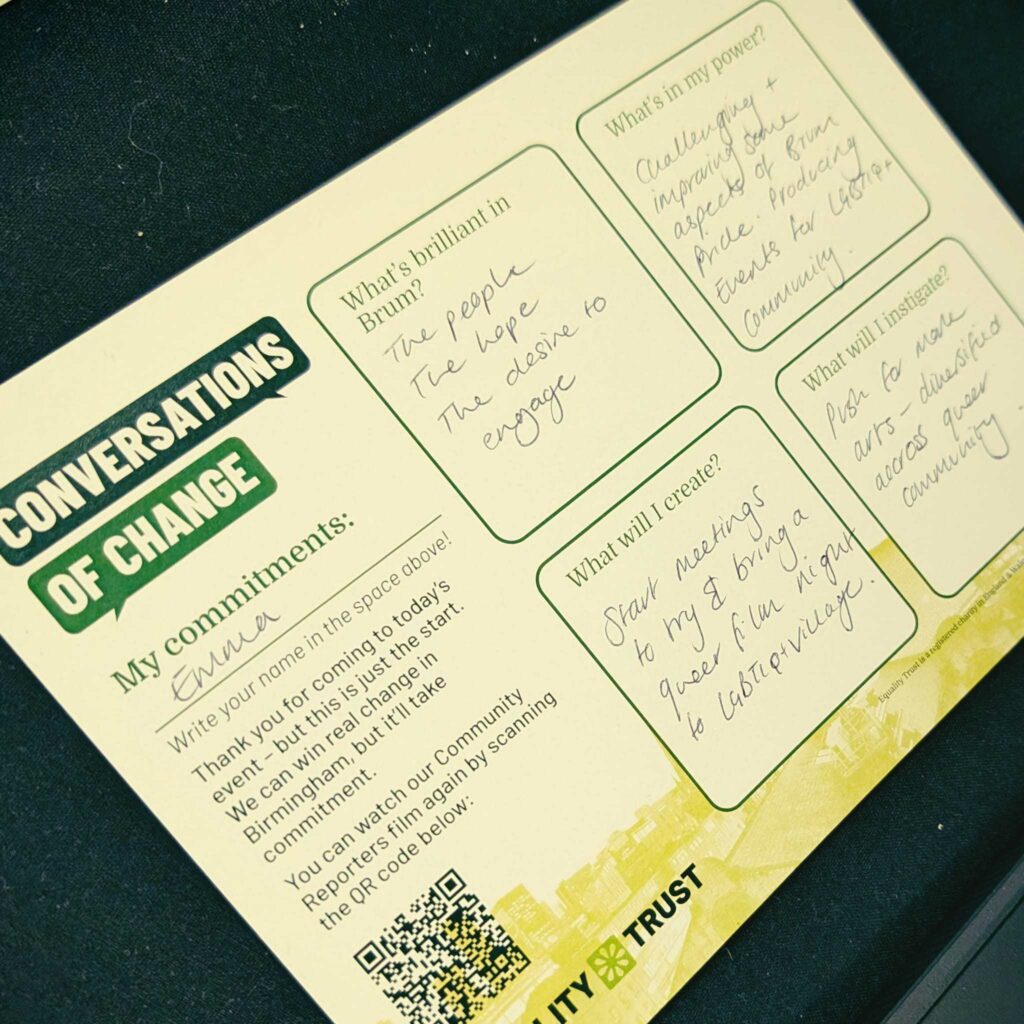
Ian Francis, Director of the Flatpack Festival, contributed insights into how cultural organizations can remain resilient despite the withdrawal of state support. The consensus among many attendees was that while "resilience" is a necessary trait, it should not be used by policymakers as an excuse to abdicate their responsibility to fund the arts. The discussions revealed that for many residents, the barrier to a theater or a gallery is not just the price of a ticket, but the cost of transport, the lack of childcare, and the feeling that these spaces are "not for people like them."
The Community Reporters—Alev, Arash, and Jennifer—shared anecdotes from their filming process that illustrated these points. Arash noted that many of the people he interviewed felt that the city’s recent "regeneration" projects, such as those surrounding the 2022 Commonwealth Games, had failed to leave a lasting legacy for the poorest residents. Instead, they saw a "two-tier city" emerging: a shiny, corporate center and neglected peripheries.
Broader Implications and the Socio-Economic Duty
The Birmingham workshop was not merely a local grievance session; it was a strategic component of a larger national movement to enforce the "Socio-Economic Duty" (Section 1 of the Equality Act 2010). Although this duty has not been formally commenced by the UK government, organizations like The Equality Trust and various local councils have begun voluntarily adopting it. This duty requires public bodies to consider how their decisions can reduce the inequalities of outcome which result from socio-economic disadvantage.
The event was funded by the Barrow Cadbury Trust as part of its "Economic Justice" place-based program. This partnership underscores a growing recognition that economic justice is inextricably linked to cultural and social participation. If a significant portion of a city’s population is excluded from its cultural life, the resulting lack of social capital can lead to decreased civic engagement and increased political polarization.
The findings from the "Re-imagine a Better Brum" workshop are expected to be compiled into a formal report to be presented to Birmingham City Council and relevant regional authorities. The goal is to advocate for a "Cultural Social Minimum"—a baseline level of access to arts and recreation that should be guaranteed to all citizens, regardless of their financial status.
Conclusion: A Vision for an Equal Birmingham
As the event concluded, the mood was one of "determined optimism." While the challenges facing Birmingham are systemic and daunting, the workshop demonstrated a robust appetite for change among its citizens. The film Conversations of Change remains available as an educational resource, serving as a testament to the resilience of the Birmingham spirit.
The success of the "Community Reporter" model suggests that future urban planning and budgetary decisions must be informed by participatory research. By centering the voices of those most affected by inequality, The Equality Trust and its partners are challenging the top-down narrative of "unavoidable cuts." Instead, they are proposing a reimagined Birmingham where culture is viewed not as a luxury for the few, but as an essential right for the many.
The road to recovery for "Brum" will be long, and the scars of the 2023-2026 financial crisis will remain visible for years. However, initiatives like the one held at the Midlands Arts Centre provide a blueprint for how cities can begin to heal: by listening to their residents, valuing their cultural heritage, and refusing to accept inequality as an inevitable byproduct of urban life. The Equality Trust continues to invite residents to join this movement, ensuring that the conversation started on January 29 is only the beginning of a larger, city-wide transformation.