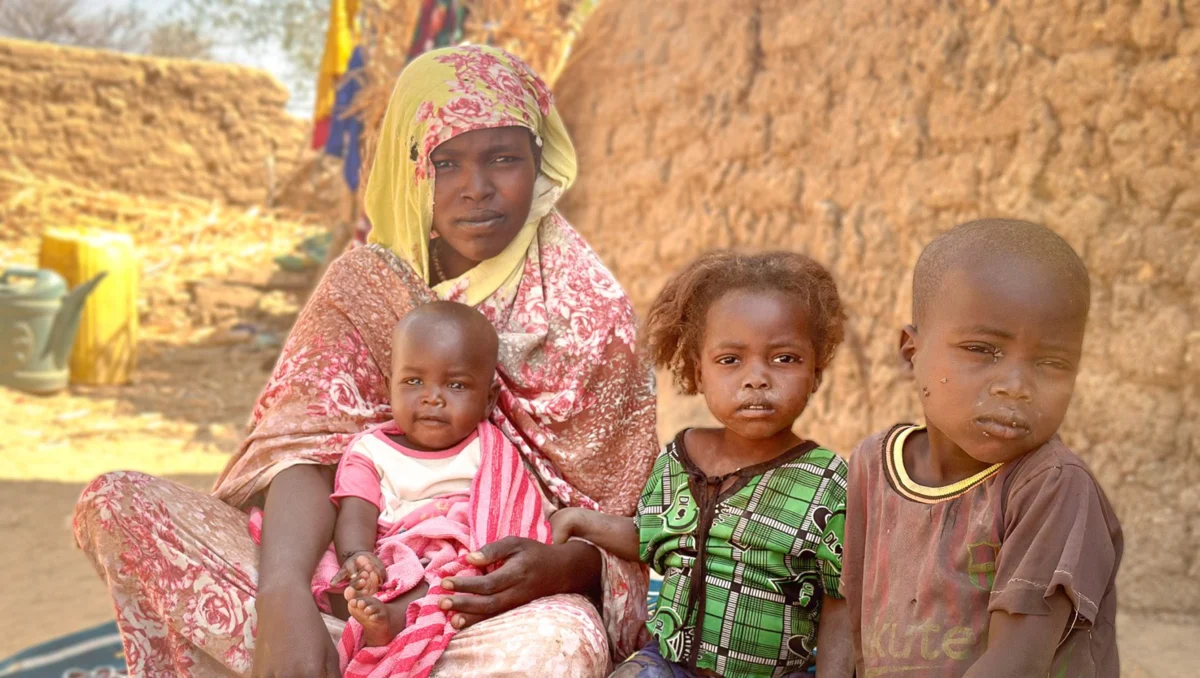
The chilling specter of xenophobia is once again casting a dark shadow over South Africa, as renewed waves of targeted violence against refugees, asylum seekers, and immigrants have plunged vulnerable communities into a state of acute fear and desperation. This surge in hostility, characterized by organized vigilantism and inflammatory rhetoric, has forced countless individuals to abandon their homes and livelihoods, seeking refuge from what many describe as a climate of terror. The situation has prompted international outcry and calls for immediate intervention to protect some of the world’s most vulnerable populations.
A Climate of Fear and Escalating Attacks
The current wave of xenophobic violence, primarily concentrated in the province of KwaZulu-Natal, has seen vigilante groups like Operation Dudula and March and March issuing explicit ultimatums. These groups have set a hard deadline of June 30, demanding that all individuals deemed "illegal immigrants" depart South Africa. The looming deadline has amplified anxieties, with fears mounting over the potential for intensified violence and further displacement in the aftermath.
Refugee community leaders have painted a grim picture of the unfolding crisis. Gaby, a leader within the affected community, shared his profound distress: "I have witnessed and experienced many incidences of xenophobic violence, but I have never felt this scared and traumatized. My wife and children are terribly terrified, even though they are South African citizens of foreign origin." This sentiment underscores the pervasive fear gripping families, many of whom are legally documented residents, including naturalized citizens, permanent residents, refugees, and asylum seekers. Despite their legal status, these individuals are frequently targeted, labeled as "illegal immigrants," and subjected to harassment and violence.
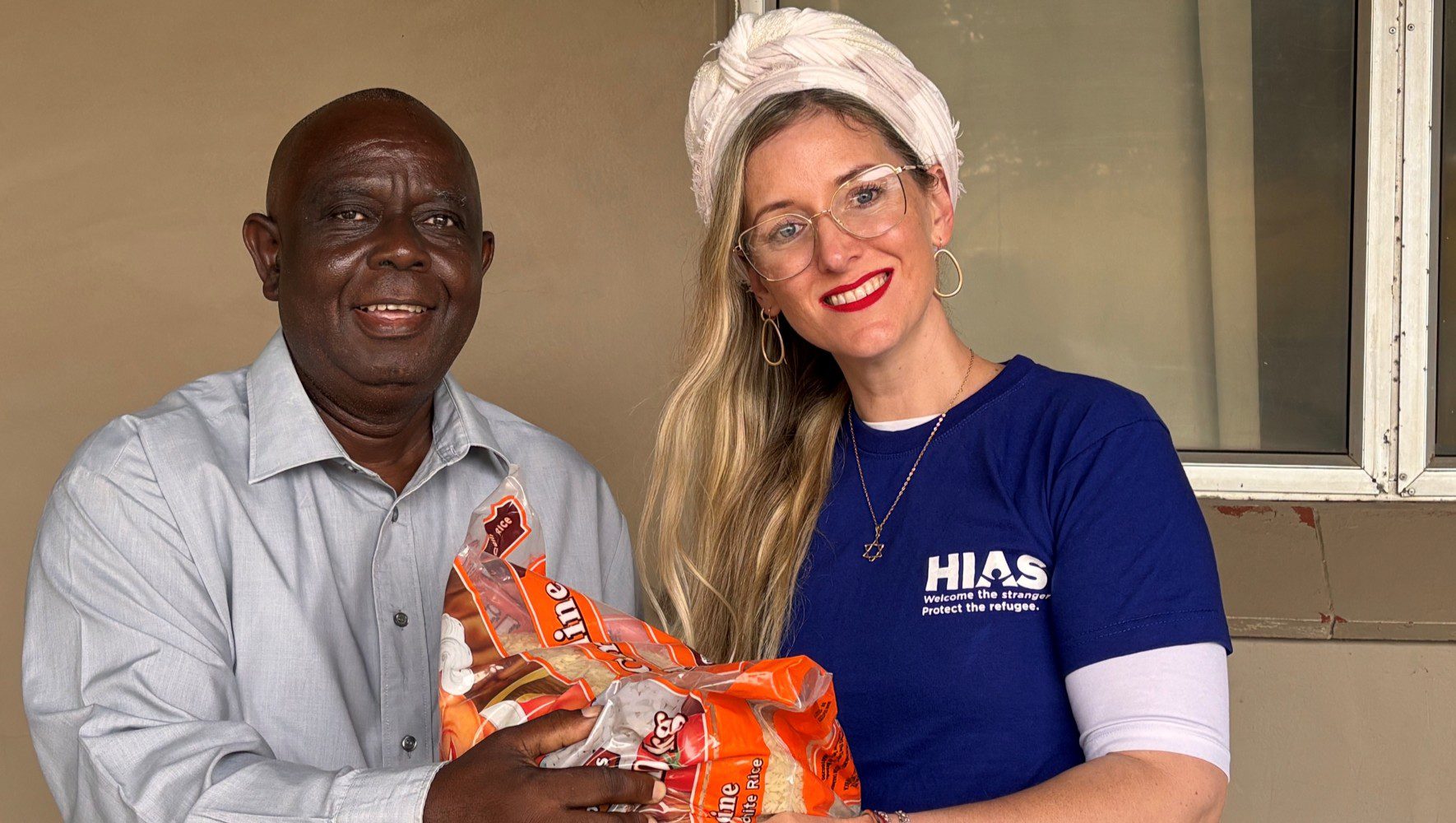
Eric, another community leader, echoed these concerns, highlighting the economic devastation wrought by the attacks: "After being chased from working places, most of the refugee community depends on assistance at the moment. The food parcels received from HIAS came as a big relief. And people still need more." The disruption of income streams has left many families in dire straits, struggling to afford basic necessities. The majority of those affected were employed in sectors such as barbering and hairdressing, industries now rendered inaccessible due to the prevailing climate of fear and targeted hostility.
HIAS South Africa’s Emergency Response and Partnership
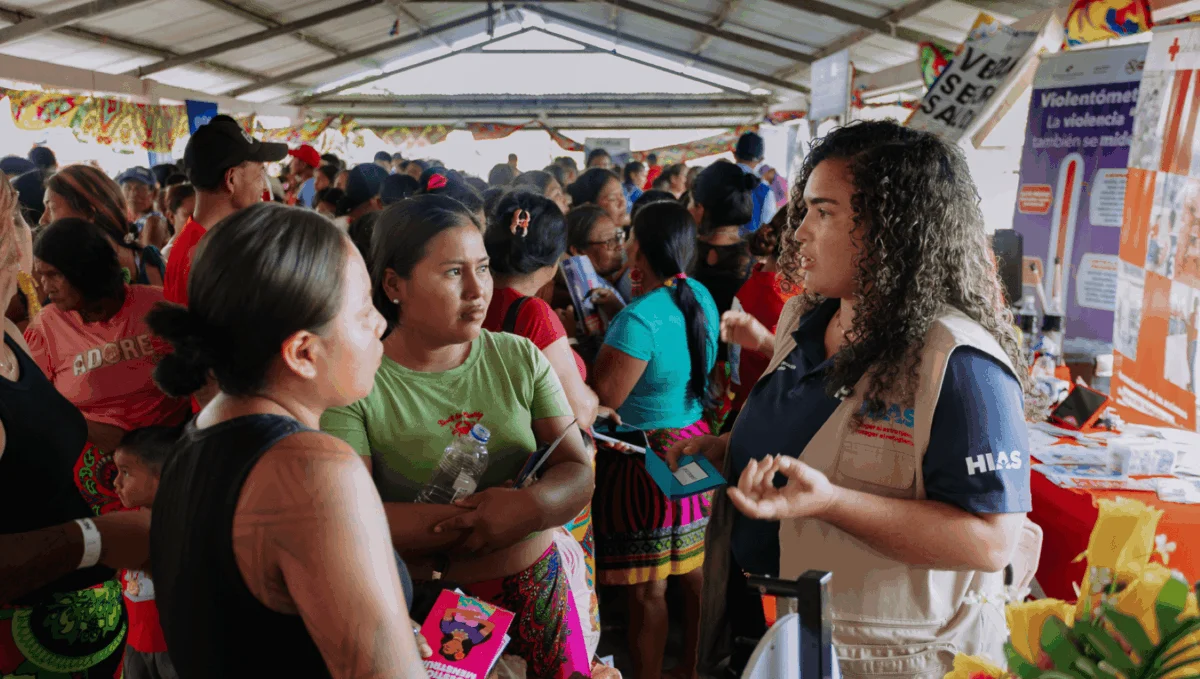
In direct response to the escalating crisis, HIAS South Africa, in collaboration with the local Jewish community and the KwaZulu-Natal South African Jewish Board of Deputies (SAJBD), has launched an emergency food relief initiative. This campaign aims to provide vital sustenance to refugee families who are unable to venture out to procure groceries or earn an income. The partnership has successfully mobilized resources to distribute much-needed food parcels, offering a crucial lifeline to those most affected. The organizations have pledged to continue their fundraising efforts to support refugee families through this period of intense violence and uncertainty.
A Troubled History: The Recurring Scars of Xenophobia
Xenophobic violence is not a new phenomenon in South Africa. The country has a deeply entrenched history of animosity towards foreign nationals, with significant outbreaks recorded over the past two decades. These cycles of violence, often erupting every few years, have left a trail of destruction, loss of life, and mass displacement.
- 2008: A particularly brutal wave of xenophobic attacks resulted in the deaths of at least 62 people, displacing thousands.
- 2015: Another series of attacks claimed the lives of seven individuals and led to widespread fear and displacement.
- 2019: The violence resurfaced, with 12 fatalities reported and thousands more forced to flee their homes.
This recurring pattern of violence highlights a persistent societal challenge and a failure to address the underlying causes of xenophobia. The current escalation has prompted several African nations, including Mali, Ghana, and Nigeria, to initiate the repatriation of thousands of their citizens from South Africa, prioritizing their safety amidst the escalating unrest.
The Weaponization of Disinformation and the Political Landscape
Alana Pugh-Jones Baranov, HIAS South Africa’s Country Director, offered a critical analysis of the current situation, pointing to systemic issues and political opportunism. "Sadly, foreign nationals are often scapegoated for government failures in our country, and we often see the flames of anti-immigrant sentiment fanned by politicians in the lead up to elections," she stated. This sentiment suggests that political actors may exploit xenophobic sentiments for electoral gain, exacerbating social tensions.
Pugh-Jones Baranov further highlighted a disturbing new dimension to the current wave of violence: "Since early 2025, we began to witness a new systematic, escalating campaign of intimidation against refugees, asylum seekers, and migrants alike, with no distinction between those who are documented and undocumented. What distinguishes this wave from previous outbreaks is the weaponization of social media to manufacture fear, spread disinformation and division, and rapidly coordinate violence at scale." The use of social media platforms to disseminate false narratives and incite hatred represents a dangerous evolution in xenophobic mobilization, enabling rapid organization and widespread impact.
Broader Implications: Denial of Basic Services and Economic Ruin
The pervasive xenophobia in South Africa extends beyond physical violence, manifesting as the denial of essential services. Refugees and immigrants are increasingly facing obstacles in accessing healthcare, education, and employment opportunities. This systematic exclusion renders life exceedingly difficult, if not impossible, for many who have sought refuge and a better life in the country.
The personal toll of this discrimination is immense. Eric recounted losing his job as a court interpreter after advocating for refugees who had repeatedly sought police protection without adequate intervention. His wife was also physically attacked while at work. The loss of income has made them reliant on humanitarian aid, a stark illustration of the economic vulnerability faced by many in the community. The inability of barbers and hairdressers to practice their trades has left numerous families without the means to provide for themselves, perpetuating a cycle of poverty and desperation.
HIAS’s Commitment and the Moral Imperative
HIAS South Africa remains steadfast in its commitment to advocating for the rights of refugees and displaced people. The organization’s work is deeply rooted in Jewish values of justice (Tzedek) and repairing the world (Tikkun Olam). Pugh-Jones Baranov emphasized the profound connection to these values: "The Torah commands us to love and protect the stranger thirty-six times – more than any other commandment. Not because it is easy. But because we, as a Jewish organization, know what it is to be the stranger. This is not ancient history for us; it’s the stories of our great-grandparents seeking safety and refuge from persecution." This historical resonance underscores the moral imperative to act in solidarity with those facing similar persecution today.
As the July 1 deadline approaches, HIAS South Africa reiterates its unwavering support for refugees, asylum seekers, and displaced individuals. The organization warns of the dire consequences of inaction: "If we fail to take a stand against xenophobia, South Africa’s fragile social cohesion will become a tinderbox which the smallest spark could set ablaze," cautioned Pugh-Jones Baranov. "That tinderbox is already burning. And what happens next depends on whether people choose to act." The current crisis serves as a critical juncture, demanding a collective response to prevent further human suffering and to uphold the principles of dignity and safety for all. The international community and South African authorities are urged to take decisive action to de-escalate the violence, protect vulnerable populations, and address the root causes of xenophobia to foster a more inclusive and just society.