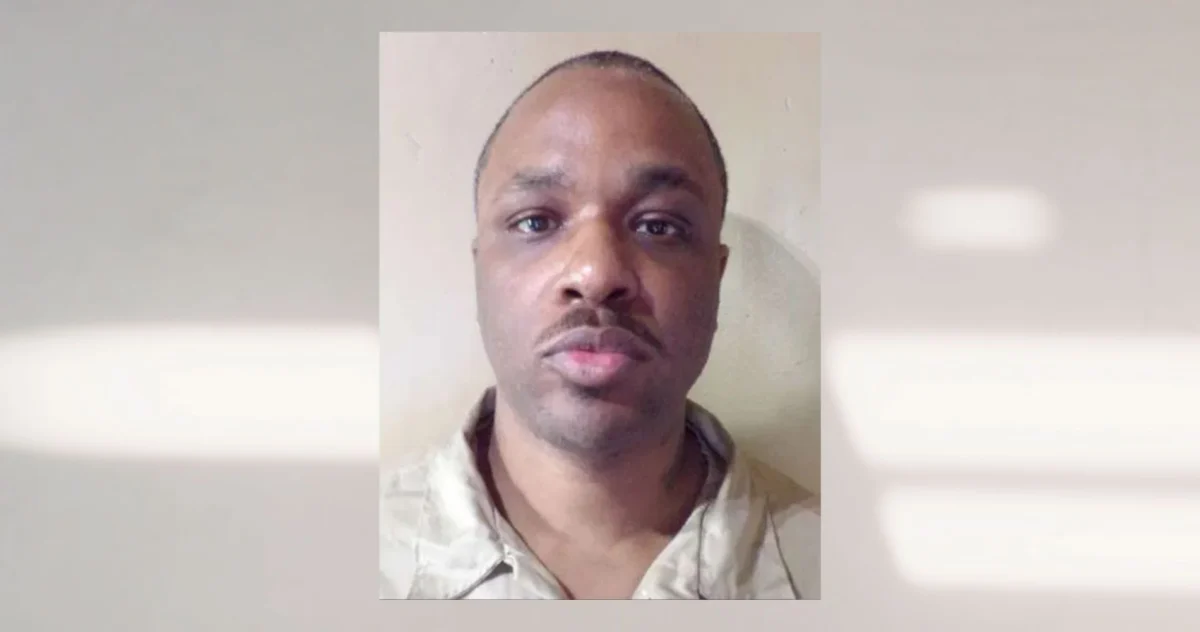
The state of Tennessee last week made a harrowing attempt to execute Tony Carruthers, a 57-year-old death row inmate whose conviction has long been shadowed by profound questions of reliability and unexamined evidence. The ordeal, which unfolded on May 21 at Riverbend Maximum Security Institution in Nashville, saw Carruthers subjected to a prolonged and visibly agonizing process of multiple needle punctures, resulting in pain and bleeding, before state executioners ultimately declared themselves unable to proceed. This traumatic event has not only intensified calls for a permanent halt to Carruthers’ execution but has also cast a harsh spotlight on the systemic failings of Tennessee’s capital punishment apparatus, prompting renewed demands for transparency, reform, and a re-evaluation of the state’s commitment to justice.
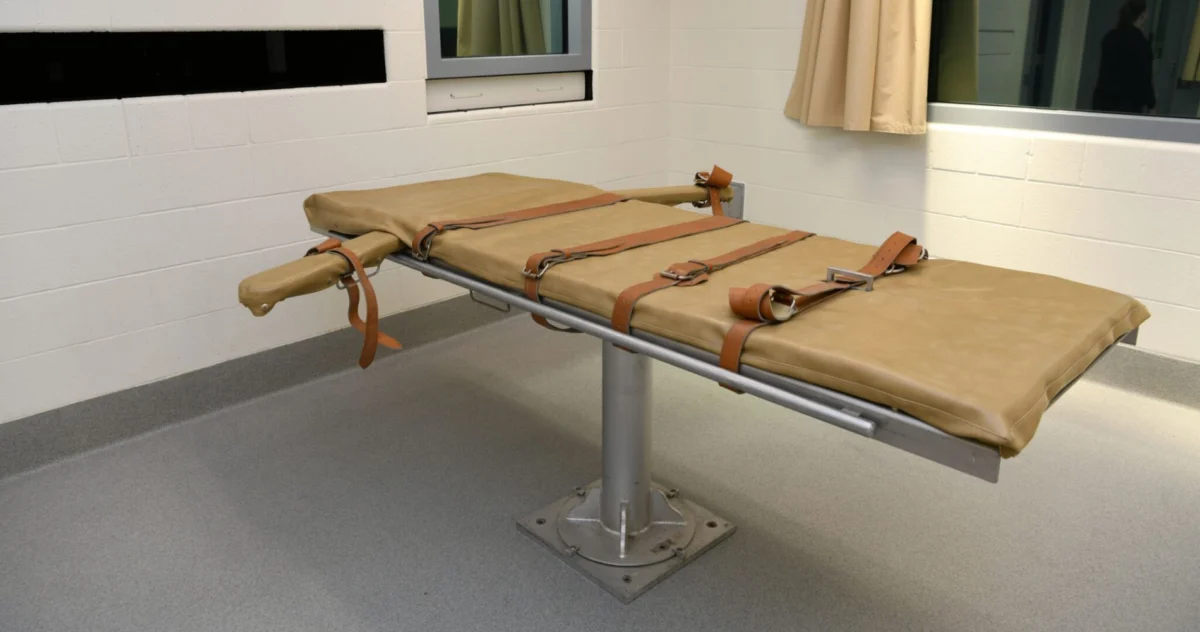
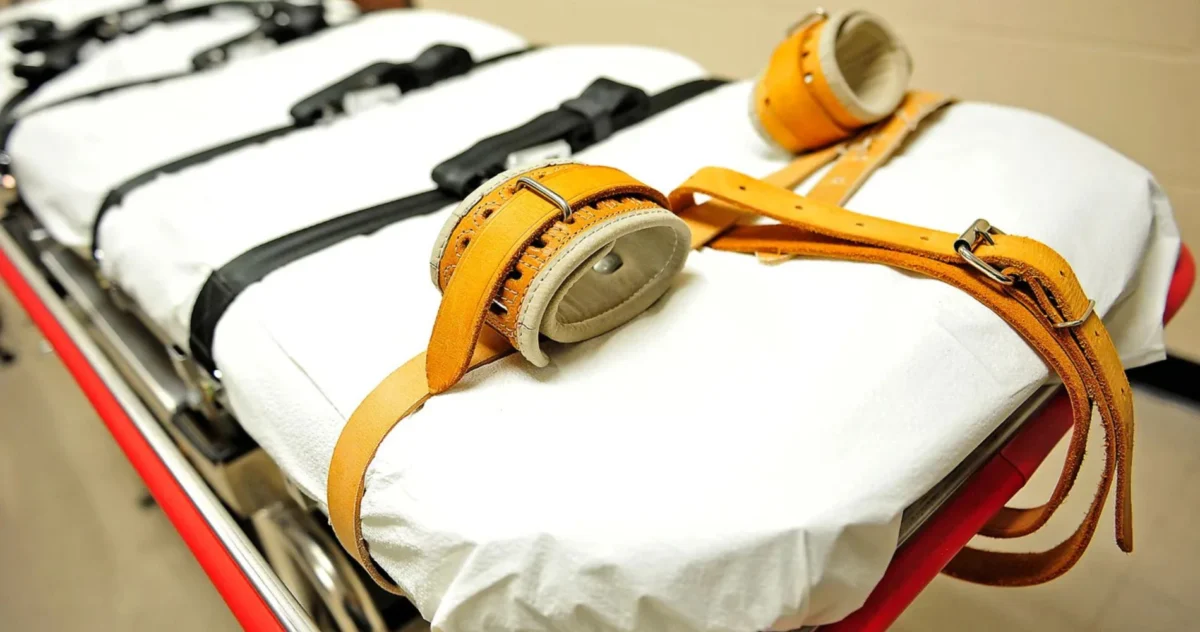
The scheduled execution, set for 7:00 PM CDT, was meant to proceed via lethal injection, a method that Tennessee, like many other states, has struggled to administer without complications. According to reports from eyewitnesses and official statements, the execution team initiated procedures to establish the necessary intravenous lines, a critical step in administering the lethal cocktail of drugs. However, the process quickly devolved into a torturous spectacle. Carruthers was secured to a gurney, a standard procedure designed to immobilize condemned prisoners. What followed, however, was far from standard.
Maria DeLiberato, Mr. Carruthers’ attorney, was present in the execution viewing room and provided a grim account of the events. For over an hour, she watched as prison staff made repeated attempts to locate a suitable vein for the mandatory backup IV line, a requirement under Tennessee’s lethal injection protocol designed to ensure the uninterrupted flow of drugs should the primary line fail. The execution team initially targeted Mr. Carruthers’ left arm, then his left hand, and subsequently his left foot, each attempt involving painful needle insertions. Ms. DeLiberato described witnessing Mr. Carruthers "wincing and groaning" throughout the protracted process, his discomfort audible even to reporters gathered outside the closed blinds of the viewing room, who later reported hearing his pained sounds.
As the team struggled to find a peripheral vein, they resorted to attempting to establish a central line, a more invasive procedure typically involving the insertion of a catheter into a large vein in the neck, chest, or groin. This attempt also proved unsuccessful. Ms. DeLiberato recounted the disturbing sight of "a lot of blood" as the medical personnel pressed needles into Mr. Carruthers’ body. Her description of the scene as "horrible" underscored the graphic and distressing nature of the failed procedure. Ultimately, after more than 60 minutes of what she characterized as torture, the warden made the decision to call off the execution, leaving Mr. Carruthers alive but profoundly traumatized.
The Tennessee Department of Correction (TDOC) later confirmed the difficulties encountered, stating that while the primary IV line was established, the team "could not find another suitable vein" for the backup line, a direct violation of state protocol. This failure to adhere to the established procedure immediately raised questions about the competence of the execution team and the efficacy of Tennessee’s lethal injection methods. The state’s protocol, which mandates the establishment of both a primary and a backup intravenous line, is intended to prevent precisely the kind of prolonged suffering witnessed in Mr. Carruthers’ case. The inability to fulfill this basic requirement highlights a critical breakdown in a system that purports to carry out executions humanely and justly.
Chronology of a Botched Attempt and Subsequent Reprieve
The events of May 21, 2026, represent a significant, albeit deeply troubling, chapter in Tennessee’s history of capital punishment. The day began with Mr. Carruthers scheduled to face his death sentence, a fate he had vehemently fought against for decades, maintaining his innocence in the 1994 triple murder for which he was convicted. His legal team and a coalition of advocates had tirelessly campaigned for clemency or a stay of execution, specifically requesting crucial DNA testing that they argued could exonerate him. These pleas, however, had been consistently denied by both Governor Bill Lee and the Tennessee Supreme Court.
As the evening approached, Mr. Carruthers was moved to the execution chamber. The attempts to prepare him for lethal injection commenced, with the execution team undertaking the grim task of cannulating his veins. The agonizing hour-long struggle to establish the required IV lines concluded with the warden’s decision to halt the procedure. In the immediate aftermath, Ms. DeLiberato expressed outrage, telling reporters, "Permitting Tony Carruthers’s execution to move forward without ordering DNA testing was already a profound injustice. Today, that injustice became outright barbaric after Mr. Carruthers was subject to a botched execution attempt."
In response to the widely reported failure, Governor Bill Lee announced a one-year reprieve for Tony Carruthers. While this decision spared Mr. Carruthers from another immediate execution attempt, his attorneys and civil rights advocates swiftly called for the reprieve to be made permanent. They argued that given the severe doubts surrounding his conviction and the traumatic nature of the botched attempt, subjecting him to further execution efforts would constitute cruel and unusual punishment, a violation of the Eighth Amendment of the U.S. Constitution. The governor’s office, in announcing the reprieve, did not immediately provide a detailed explanation beyond acknowledging the procedural difficulties. This temporary halt offers a crucial, albeit brief, opportunity for a more thorough review of Mr. Carruthers’ case, which has long been plagued by significant evidentiary questions.
Serious Questions and Unanswered Evidence
The botched execution attempt on Tony Carruthers cannot be viewed in isolation; it is inextricably linked to the profound and persistent questions surrounding the reliability of his conviction. Mr. Carruthers was convicted along with another man for the kidnapping and murder of three individuals in Memphis in 1994. Prosecutors at the time alleged that one of the victims was a drug dealer, and Mr. Carruthers sought to take control of his local drug trade. However, Mr. Carruthers has consistently asserted his innocence since his arrest, a claim bolstered by a striking absence of physical evidence connecting him to the crime.
Crucially, no forensic evidence has ever directly linked Mr. Carruthers to the triple murder scene. The Death Penalty Information Center (DPIC) highlighted that five fingerprints recovered from the crime scene do not match Mr. Carruthers, and their source remains unidentified. More alarmingly, the state of Tennessee has steadfastly refused requests to compare DNA collected from the scene to another suspect in the case, a decision that has drawn sharp criticism from legal experts and advocates for justice. This refusal to pursue readily available investigative avenues, particularly when a life hangs in the balance, raises serious concerns about the state’s commitment to thoroughness and accuracy.
The prosecution’s case against Mr. Carruthers at trial relied almost entirely on the testimony of a jailhouse informant. The credibility of such testimony is often dubious, as informants frequently have incentives, such as reduced sentences or financial compensation, to provide information that may not be entirely truthful. In this instance, the informant was indeed paid for his testimony. Disturbingly, prosecutors withheld this critical information from defense counsel for decades, only disclosing the payment in 2024, nearly 30 years after the original trial and just two years before Mr. Carruthers’ scheduled execution. The delayed disclosure of such exculpatory or impeachment evidence is a grave breach of due process and raises fundamental questions about prosecutorial ethics and fairness, potentially undermining the integrity of the entire conviction.
Adding another layer of doubt, an appellate court previously found that Mr. Carruthers’ trial "was so filled with errors due to [Mr. Carruthers’s] forced self-representation" that it mandated a new trial for his co-defendant. This co-defendant explicitly affirmed that Mr. Carruthers was not involved in the crime and, importantly, identified an alternate suspect. Mr. Carruthers’ legal team has consistently argued that the fingerprints and DNA of this alternate suspect should be compared to the evidence from the crime scene, a request that has been denied at every turn. The concerns about Mr. Carruthers’ mental illness, which DPIC noted, further complicate the legal questions surrounding his trial and his capacity for self-representation.
The call for justice extended beyond legal chambers. Over 130,000 petition signers, alongside a broad coalition of faith leaders, civil rights advocates, and community members, implored Governor Lee to grant clemency or at least stay Mr. Carruthers’ execution to allow for the crucial DNA testing. The governor’s refusal to halt the execution and the Tennessee Supreme Court’s denial of the request to compare the DNA to the alternate suspect underscored a judicial and executive reluctance to revisit a case fraught with uncertainty. These decisions, viewed in retrospect after the botched execution, appear increasingly indefensible to critics.
DPIC, in its statement following the failed execution, encapsulated the multifaceted concerns surrounding Mr. Carruthers’ case, noting that it "raised serious concerns about mental illness, representation, innocence, and access to DNA testing." The organization further highlighted that the "state’s failed attempt today to execute him presents an additional issue surrounding the qualifications of the people tasked with executing prisoners." This convergence of issues — a questionable conviction, withheld evidence, an identified alternate suspect, and now a botched execution — paints a deeply troubling picture of a system struggling with its most profound responsibility. Mr. Carruthers’ attorneys have vowed to continue their fight for DNA testing, asserting that exoneration remains a possibility.
Tennessee’s Troubled History with Capital Punishment
The botched execution of Tony Carruthers is not an isolated incident but rather the latest in a series of deeply concerning events that highlight systemic flaws within Tennessee’s death penalty system. Governor Lee himself had previously paused executions in April 2022 following a "technical oversight" that forced the cancellation of Oscar Smith’s execution. A subsequent third-party investigation into that incident uncovered "troubling" and "shocking" failures to comply with the state’s lethal injection protocol. The report, which was made public, detailed a lack of proper training, inadequate oversight, and a general disregard for established procedures, leading to the dismissal of several officials within the Department of Correction. These revelations laid bare a pattern of incompetence that now appears to have manifested again in Mr. Carruthers’ case.
The recurring nature of these issues has prompted Mr. Carruthers’ lawyers to petition Governor Lee not only for a permanent reprieve for their client but also for a moratorium on all executions in Tennessee. They argue that until the legal challenges to the state’s revised 2025 execution protocol are fully resolved and comprehensive reforms are implemented, the state cannot reliably and humanely carry out capital punishment. This call for a broader pause reflects a growing sentiment among legal experts and human rights organizations that Tennessee’s system is fundamentally broken.
Adding to these concerns is Tennessee’s alarmingly high rate of exonerations from death row. According to DPIC data, for every five individuals executed in Tennessee, one person has been exonerated. This rate significantly exceeds the national average, suggesting a deeply flawed process that is prone to error and risks executing innocent individuals. The Equal Justice Initiative (EJI) reports that the national rate of exonerations is also concerning, but Tennessee’s particular ratio is especially stark. This troubling statistic amplifies the urgency of addressing the unexamined evidence in Mr. Carruthers’ case, particularly the DNA evidence and the testimony of the co-defendant. The possibility of executing an an innocent person is the most profound injustice a state can commit, and Tennessee’s track record suggests this risk is unacceptably high.
A National Pattern of Botched Executions and Evolving Methods
The difficulties encountered in Tony Carruthers’ execution are part of a disturbing national trend of botched lethal injections, which have become increasingly common in the United States over the past two decades. According to Professor Austin Sarat of Amherst College, who has extensively researched failed executions and co-authored a 2025 article documenting these incidents, Mr. Carruthers is the ninth person to survive a botched execution attempt in the U.S. in the last 80 years. A significant majority of these incidents have occurred since 2009, when Romell Broom famously survived an excruciating lethal injection attempt in Ohio after executioners struggled for two hours to find a suitable vein.
Other notable instances include Alva Campbell in 2017, also in Ohio, where executioners failed for hours to find a usable vein before his execution