The United States Supreme Court, in a landmark decision delivered on June 25, 2026, has ruled that the Trump administration may proceed with terminating Temporary Protected Status (TPS) designations for individuals from Haiti and Syria. This pivotal ruling has cast a shadow of uncertainty over the legal status of approximately 1.3 million people currently residing in the U.S. under this humanitarian program, potentially leading to their deportation to countries grappling with severe crises. The decision, stemming from the case Mullin v. Doe, signifies a critical juncture for both TPS recipients and the broader immigration landscape of the United States.
Understanding Temporary Protected Status (TPS)
Temporary Protected Status (TPS) is a crucial component of the U.S. humanitarian immigration system, established by the Immigration Act of 1990. It provides temporary legal status and work authorization to individuals who are unable to return to their home countries due to conditions that pose a threat to their safety and well-being. These conditions can include ongoing armed conflict, natural disasters such as earthquakes and hurricanes, epidemics, or other extraordinary and temporary circumstances. The Department of Homeland Security (DHS) reviews and re-designates TPS for eligible countries every six to 18 months, allowing for the renewal of protection if the crisis persists.
As of March 2025, the U.S. was providing TPS to nearly 1.3 million individuals from 17 designated countries. A significant portion of these recipients hailed from nations like Venezuela, Haiti, El Salvador, and Ukraine, countries that have faced prolonged periods of political instability, economic hardship, and environmental challenges. TPS is not a pathway to permanent residency or citizenship; it is a temporary measure designed to offer a safe haven and prevent the forced return of individuals to dangerous situations. Crucially, TPS recipients are not considered "illegal" immigrants; they possess lawful status within the United States.
The Escalating Threat to TPS
The current administration’s approach to TPS has marked a significant departure from previous policies. Since President Trump took office in January 2025, DHS has systematically moved to terminate TPS designations for numerous countries. Notable examples include the cancellation of TPS for individuals from Venezuela, Afghanistan, Cameroon, Nepal, Honduras, and Nicaragua. The recent Supreme Court ruling on June 25, 2026, represents a further escalation of this trend, allowing for the termination of TPS for Haitians and Syrians.
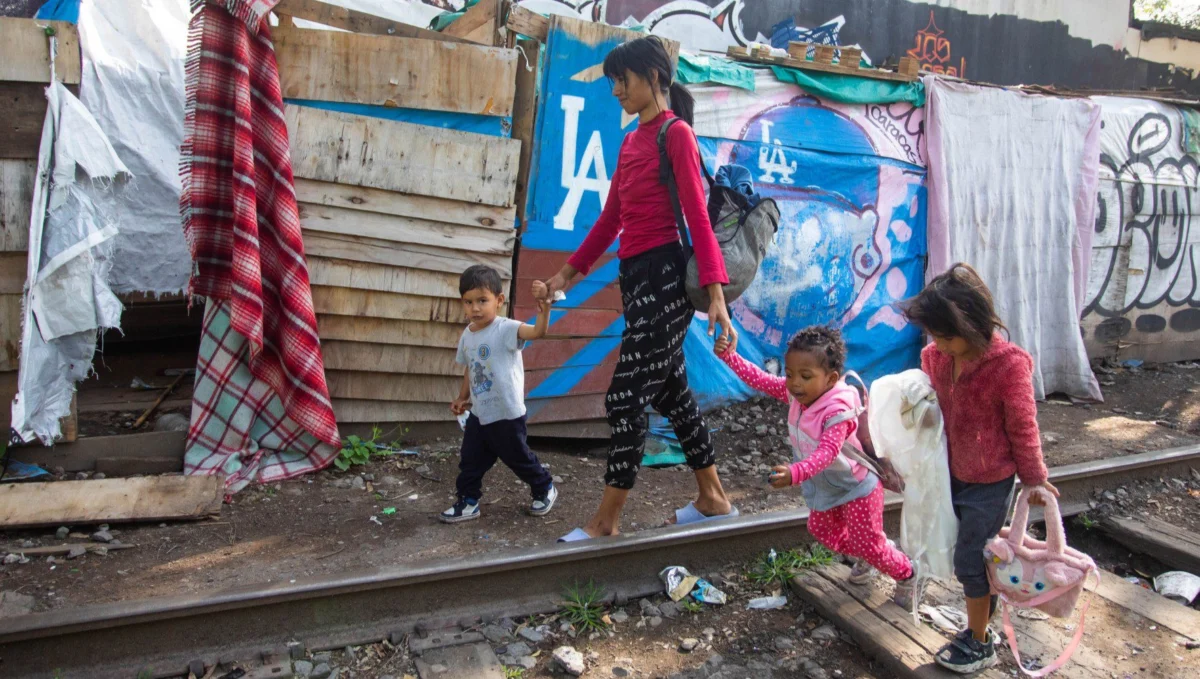
For Haiti, the decision comes at a time when the nation is reeling from persistent gang violence, widespread food insecurity, crumbling infrastructure, and profound political instability. Similarly, Syria continues to endure a devastating civil war that has displaced millions and decimated its infrastructure. The prospect of returning TPS holders to these perilous environments raises grave humanitarian concerns and could re-traumatize individuals who have found a measure of safety and stability in the United States. The implications of this ruling extend beyond Haiti and Syria, as legal challenges or policy changes could potentially impact an additional seven countries currently under TPS, creating a ripple effect of uncertainty across a vast population.
A Timeline of Uncertainty and Advocacy
The journey of TPS holders has been marked by periods of stability punctuated by growing anxiety as administrations change and legal challenges emerge.
- 1990: The Immigration Act of 1990 establishes the Temporary Protected Status program as a humanitarian measure.
- Early 2000s – 2010s: Various countries, including El Salvador, Honduras, and Haiti, receive TPS designations in response to natural disasters and prolonged crises.
- January 2025: The Trump administration takes office, signaling a shift in immigration policy.
- Throughout 2025: DHS begins terminating TPS for several countries, including Venezuela, Afghanistan, Cameroon, Nepal, Honduras, and Nicaragua.
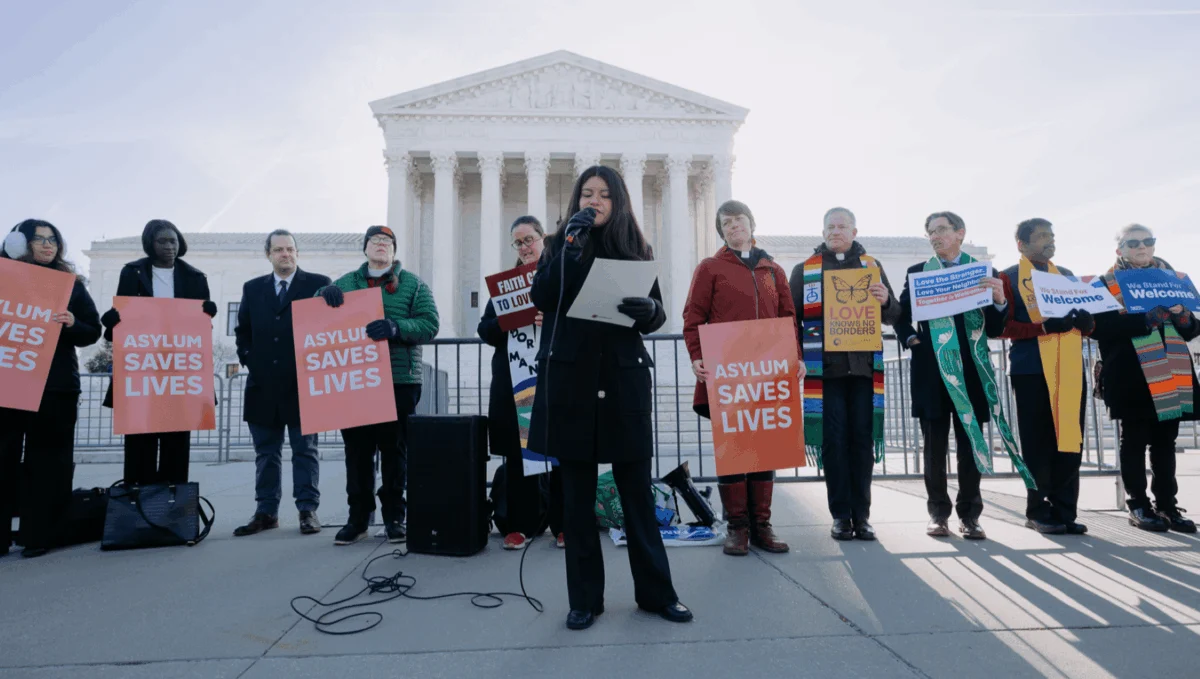
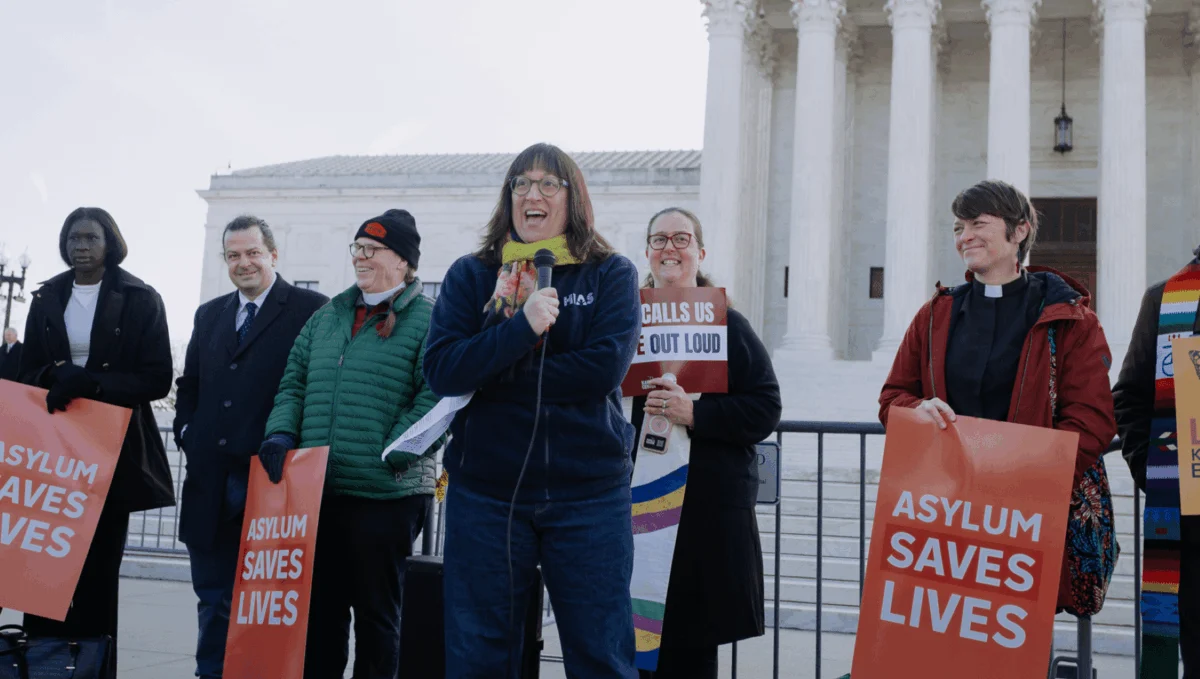
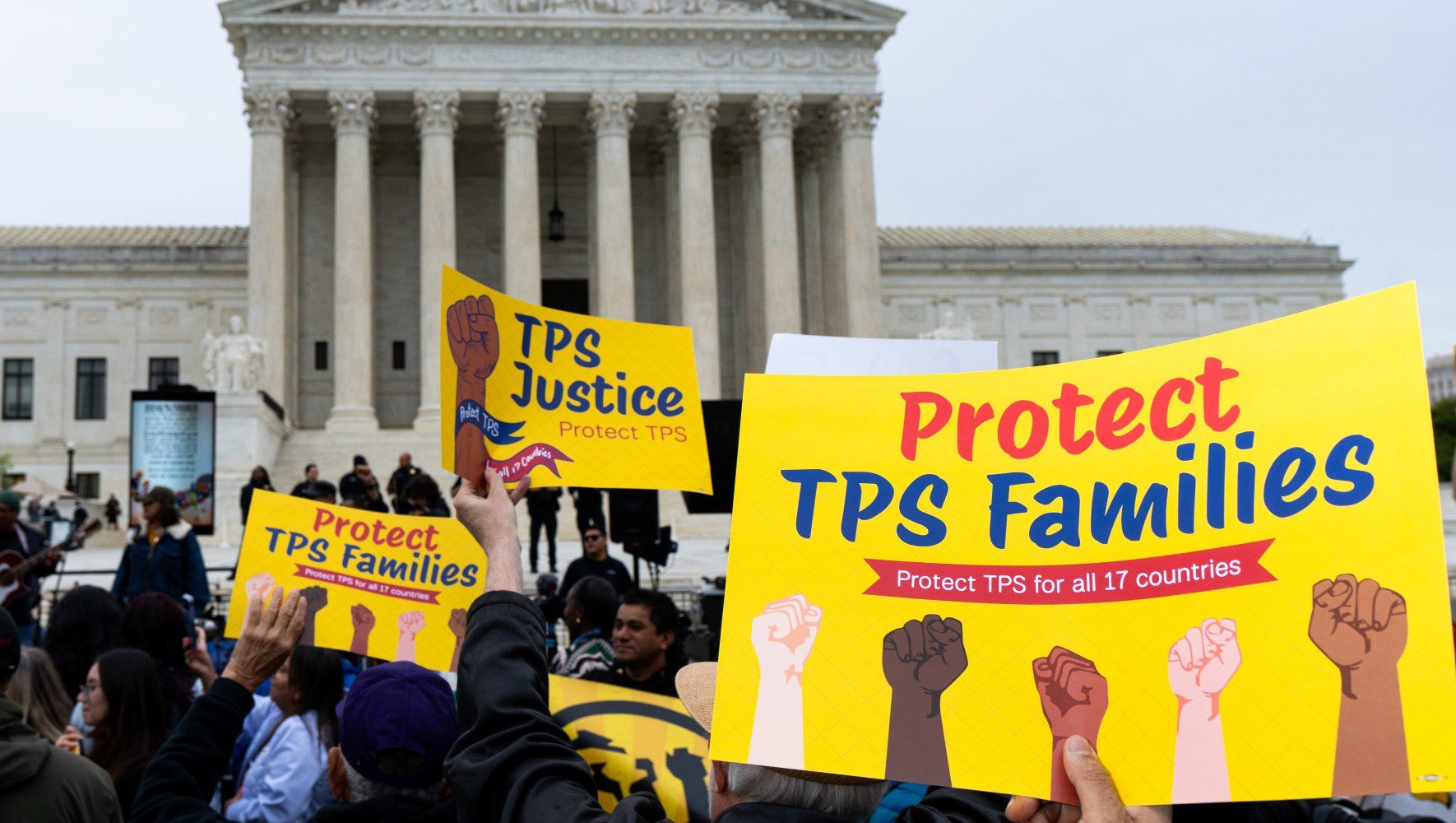
- April 29, 2026: Oral arguments are heard in Mullin v. Doe before the Supreme Court, a case that would determine the fate of TPS for Haitians and Syrians. Advocates and TPS holders rally in Washington D.C. in anticipation of the decision.
- June 25, 2026: The Supreme Court rules in favor of the Trump administration, allowing for the termination of TPS for Haiti and Syria.
- July 6, 2026: HIAS publishes an updated article detailing the implications of the Supreme Court’s decision and the ongoing plight of TPS holders.
Throughout these developments, advocacy groups and TPS recipients have engaged in consistent efforts to highlight the critical importance of the program and the potential consequences of its termination. Rallies, legal challenges, and public awareness campaigns have been central to these efforts, underscoring the human element behind the policy debates.
The Tangible Benefits of TPS for the United States
Beyond its humanitarian imperative, the TPS program offers significant economic and social benefits to the United States. By granting work authorization, TPS holders are empowered to contribute productively to the U.S. economy. They are not passive recipients of aid; rather, they are active participants in the workforce, filling vital roles across numerous sectors. Industries such as healthcare, construction, hospitality, and agriculture rely heavily on the labor provided by TPS recipients.
Data consistently demonstrates the economic contributions of TPS holders. For example, studies indicate that a substantial majority of TPS holders from countries like El Salvador and Honduras, who have resided in the U.S. for over two decades, are employed. These individuals are not only taxpayers but also contribute significantly to social security. Estimates suggest that TPS holders pay billions of dollars in taxes annually and have contributed tens of billions to social security over the past quarter-century. This financial contribution bolsters public services and infrastructure.
Furthermore, it is important to note that TPS holders are generally ineligible for most federally funded benefits, despite their substantial contributions to the U.S. economy and government. This underscores their role as net contributors rather than dependents. Moreover, many TPS holders have established deep roots within their communities. They are active participants in local organizations, schools, and civic life, enriching the cultural tapestry of the United States and strengthening community bonds. Their long-term presence and integration contribute to the nation’s social fabric and its standing as a dynamic global entity.
Analyzing the Implications of Termination
The potential termination of TPS for hundreds of thousands of individuals carries profound implications, both for the individuals themselves and for the United States.
Humanitarian Crisis and Recipient Vulnerability
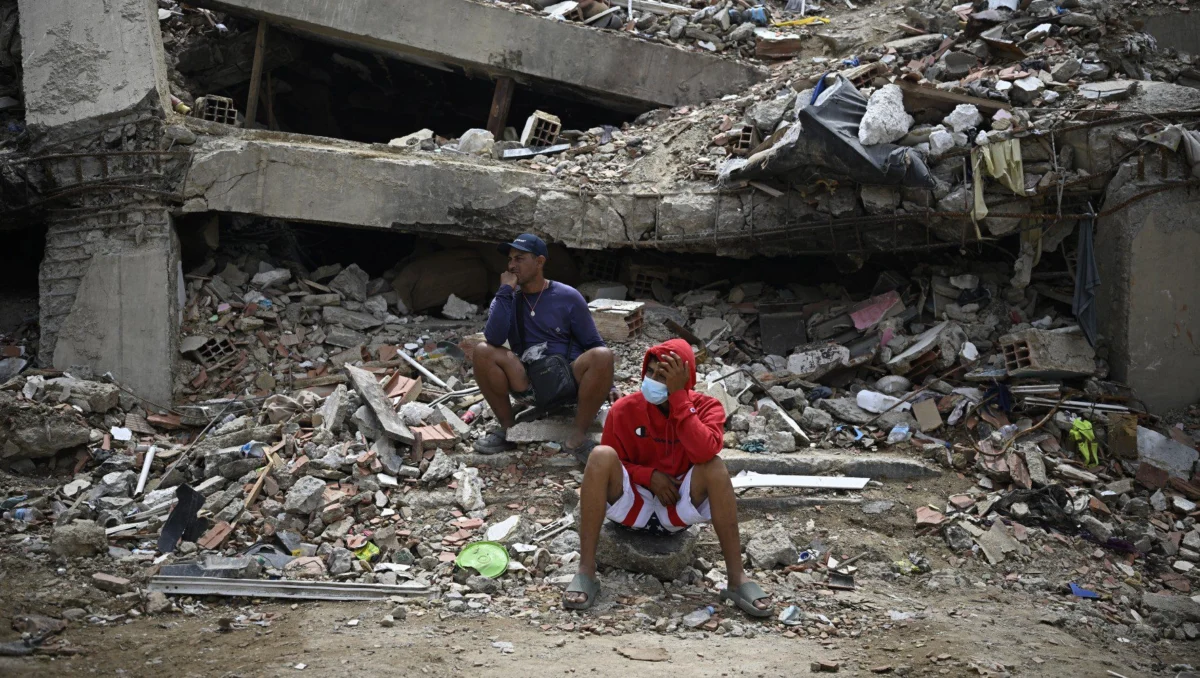
If TPS designations are indeed revoked, hundreds of thousands of individuals will face the immediate threat of deportation to countries that remain unstable and dangerous. For those from Haiti, this means a potential return to a nation grappling with widespread violence, lack of basic services, and a fragile political landscape. For Syrians, the prospect of returning means facing a country ravaged by years of conflict, where safety and basic necessities are scarce commodities. This forced return would not only endanger their lives but also exacerbate existing humanitarian crises in their home countries.
Economic Disruption
The removal of a significant portion of the workforce could lead to economic disruption in various sectors. Industries that rely on TPS holders for labor may face shortages, potentially impacting productivity and increasing costs. The loss of billions in tax revenue and social security contributions would also have a tangible effect on public finances.
Undermining Legal and Moral Obligations
Critics argue that terminating TPS would undermine the United States’ commitment to international humanitarian principles and its own legal framework for protecting vulnerable populations. The program was designed precisely for situations where individuals cannot safely return home. Ending TPS in the face of ongoing crises would be seen by many as a betrayal of these core values and a disregard for the human rights of those seeking refuge.
Community Impact and Social Cohesion
The departure of long-term residents would have a significant impact on communities across the U.S. Families could be separated, local organizations could lose dedicated members, and the social fabric of communities that have welcomed TPS holders could be altered. The integration and contributions of these individuals have been a positive force, and their removal would represent a loss for these communities.
Official Responses and Continued Advocacy
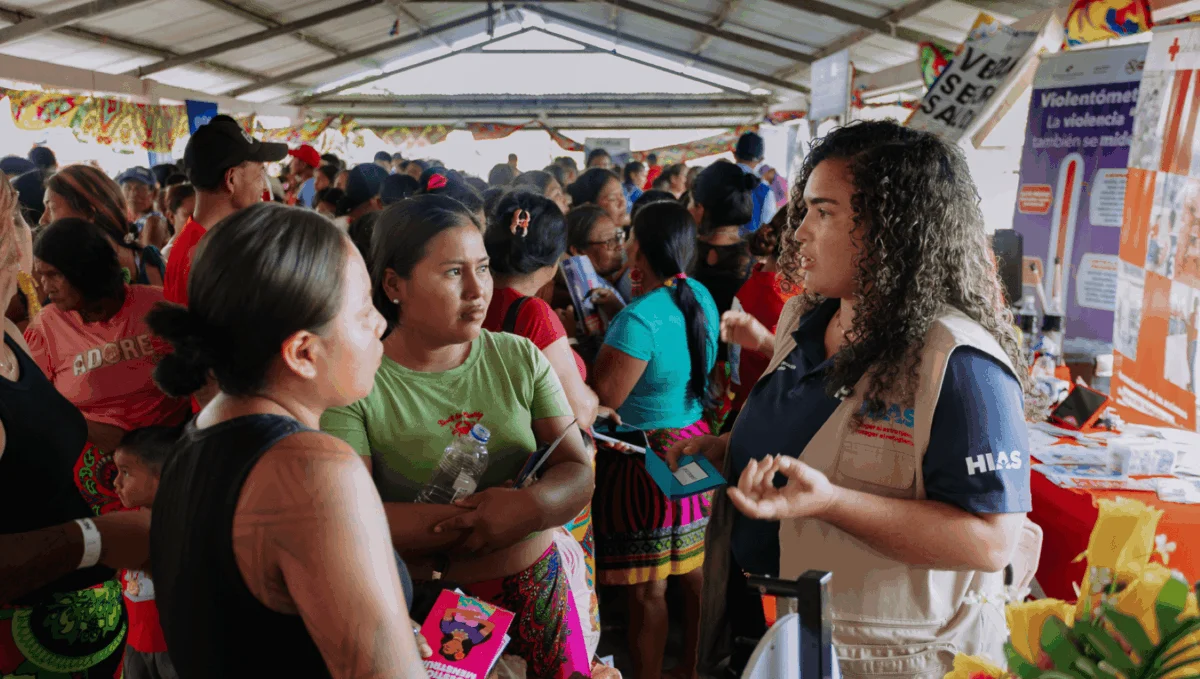
The Supreme Court’s decision has been met with strong reactions from various stakeholders. Immigration advocacy groups, human rights organizations, and many legal scholars have expressed deep disappointment and concern. HIAS, as a long-standing advocate for refugees and displaced persons, has reiterated its commitment to supporting TPS recipients.
"As the world’s oldest refugee agency, HIAS will always stand for refugees — no matter who is president," a statement from HIAS emphasizes. "And we will do all we can to support our clients, every day, as we have for more than 120 years. Give with confidence to HIAS." This sentiment reflects a broader commitment within the humanitarian sector to continue advocating for the rights and well-being of TPS holders.
The Trump administration has maintained its position that TPS is a temporary measure and that its termination is in line with existing immigration laws. DHS officials have stated that decisions regarding TPS designations are made based on assessments of conditions in the designated countries and are subject to periodic review.
The Path Forward
The Supreme Court’s ruling has created a critical juncture, highlighting the precariousness of TPS and the urgent need for comprehensive immigration reform. While the immediate legal implications of the ruling are clear, the long-term consequences for TPS holders, their families, and the United States remain a subject of intense debate and concern.
For TPS holders, the future is uncertain. Many may face the prospect of self-deportation or find themselves in deportation proceedings. The Trump administration’s broader stance on immigration, which has included efforts to severely curtail legal immigration pathways, offers few alternative options for those who may lose their TPS status.
HIAS and other organizations are committed to continuing their advocacy efforts, working to protect TPS recipients and uphold the principles of humanitarian protection. The ongoing challenges underscore the need for policies that balance national interests with humanitarian obligations, ensuring that individuals fleeing persecution and disaster are afforded the safety and dignity they deserve. The fate of Temporary Protected Status and the millions who rely on it remains a pressing issue, demanding continued attention and action from policymakers and the public alike.