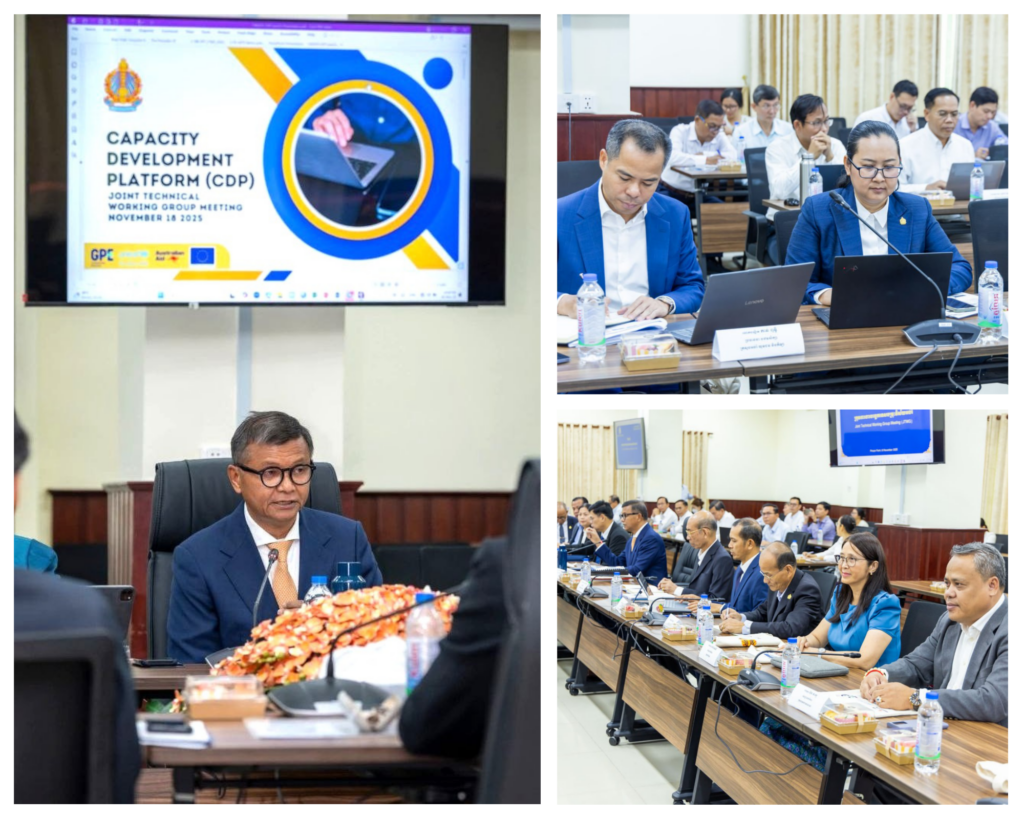
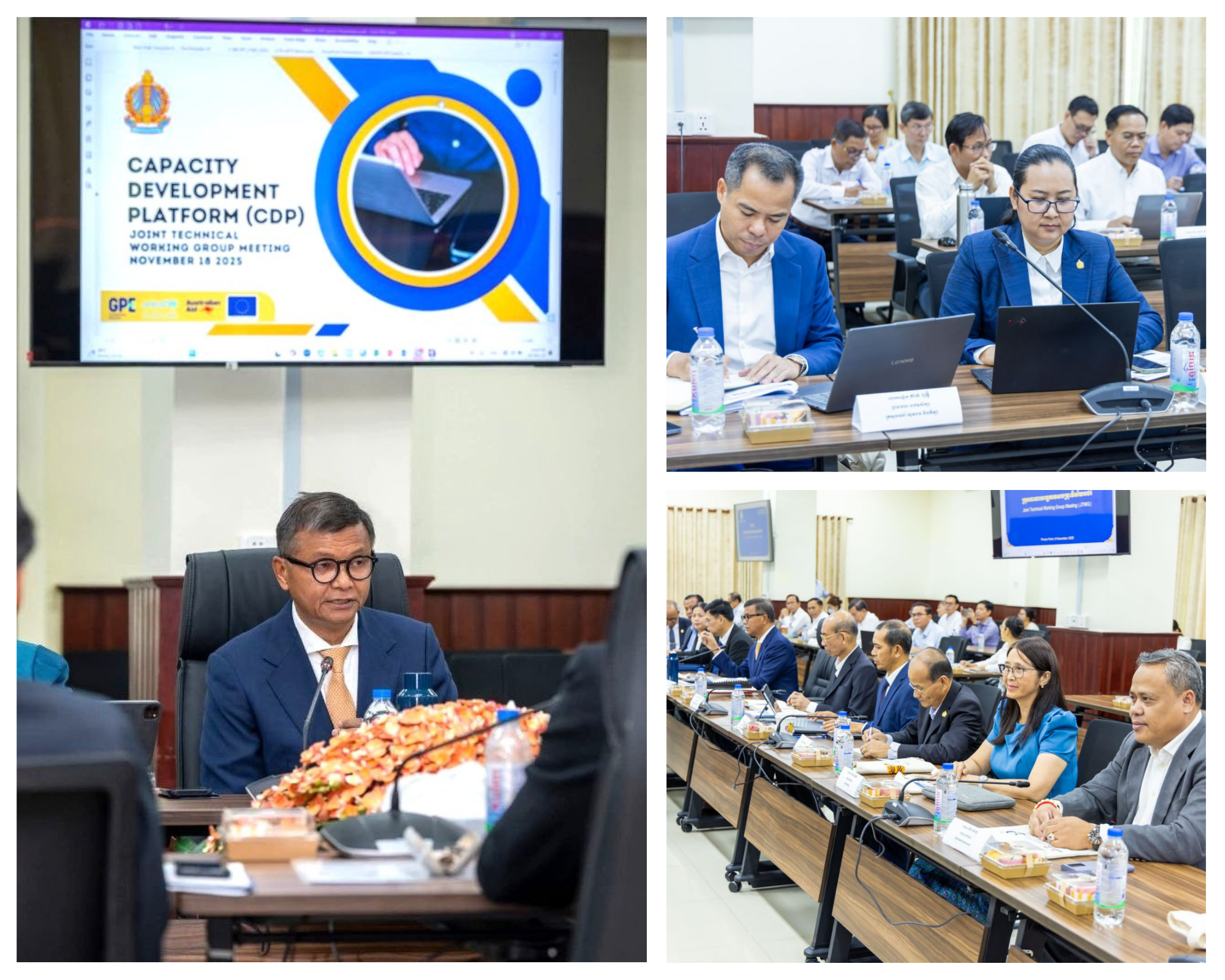
The Ministry of Education, Youth, and Sport (MoEYS) of the Royal Government of Cambodia, in a strategic partnership with UNICEF and World Education, has officially inaugurated the Capacity Development Platform (CDP), a groundbreaking digital ecosystem designed to modernize the nation’s pedagogical landscape. Launched in November 2025, the CDP represents the culmination of a multi-year effort to centralize and digitize professional development for the country’s educators. Co-designed by World Education, an initiative of JSI, the platform is positioned as a cornerstone of Cambodia’s broader digital transformation strategy. Funded through a consortium of international partners, including the Global Partnership for Education (GPE), the European Union (EU), and the Australian Department of Foreign Affairs and Trade (DFAT), the initiative addresses long-standing barriers to high-quality teacher training, particularly for those serving in the country’s most remote and underserved regions.
A Strategic Shift in Teacher Education
The introduction of the CDP marks a departure from traditional, localized training models that often struggled with consistency and accessibility. By providing a centralized digital hub, the MoEYS aims to ensure that every teacher, regardless of their geographical location, has access to the same high-quality instructional materials and certification opportunities. This initiative is not merely a repository of digital content but a comprehensive professional management system. It allows educators to earn professional development credits and upgrade their official qualifications through a sophisticated blend of online and hybrid learning modules.
The platform was developed with a deep understanding of the specific challenges facing the Cambodian education sector. Historically, teachers in rural provinces faced significant hurdles in accessing professional growth opportunities, often requiring long-distance travel to provincial capitals or Phnom Penh. The CDP removes these physical barriers, allowing for asynchronous learning that fits into the demanding schedules of primary and secondary school educators. Furthermore, the integration of these digital credits into the national career progression framework ensures that professional growth is directly linked to tangible career advancement and salary increments, providing a powerful incentive for adoption and engagement.
Technical Design and Human-Centered Innovation
The success of the CDP is rooted in a human-centered design philosophy spearheaded by World Education. Recognizing that technology is only effective if it is accessible to its intended users, the development team conducted extensive field research to understand the digital realities of Cambodian teachers. This research revealed three critical factors: varying levels of internet connectivity, a "smartphone-first" digital culture, and a wide spectrum of digital literacy among the workforce.
To address these factors, the CDP was engineered to function efficiently in low-bandwidth environments. The platform’s architecture prioritizes data efficiency, ensuring that videos and interactive modules can be accessed even on slower 3G or 4G networks common in rural districts. Additionally, the interface was optimized for mobile devices, acknowledging that many educators rely on smartphones as their primary gateway to the internet.
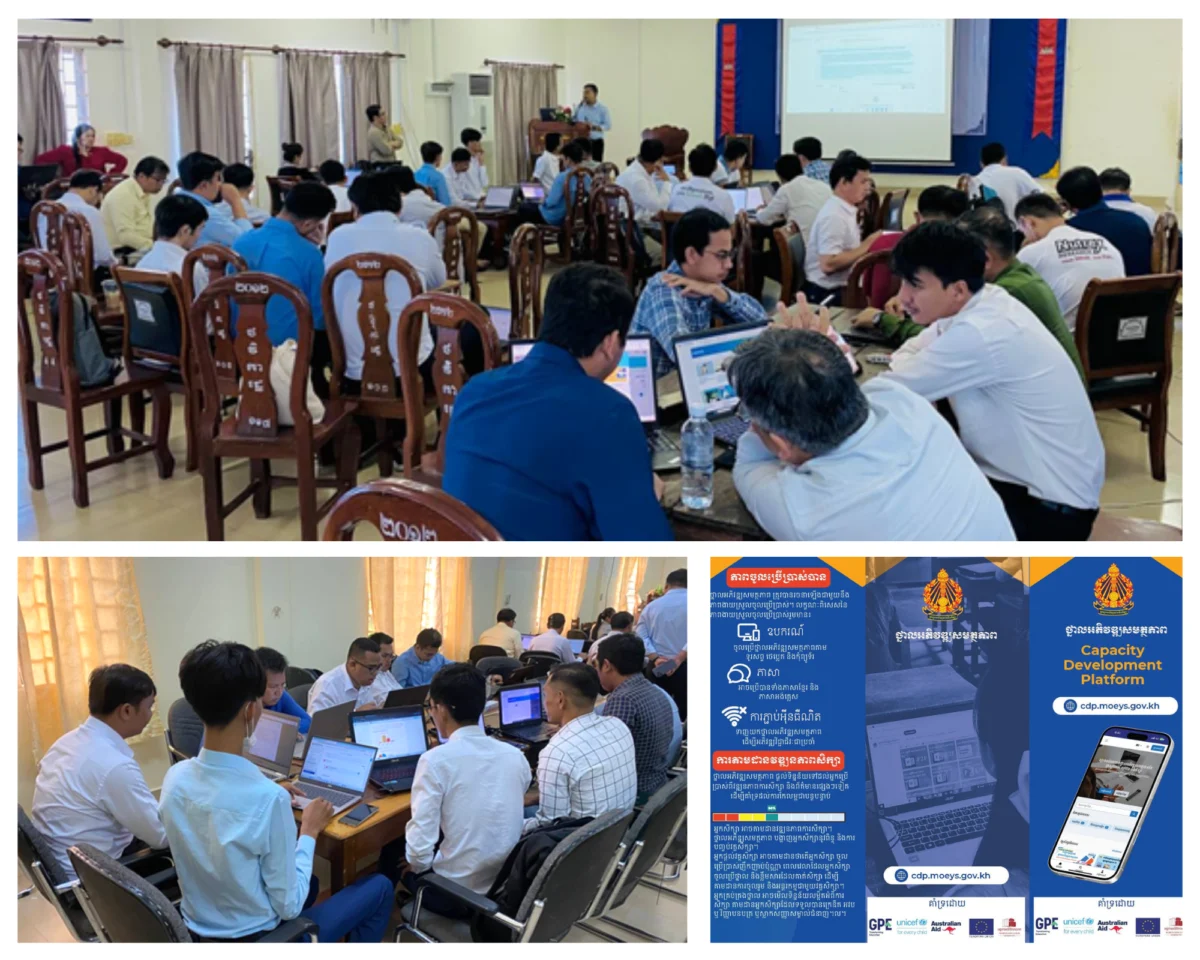
The design process involved close collaboration with MoEYS staff and local education stakeholders. This co-design approach ensured that the platform did not feel like an external imposition but rather a locally-owned tool tailored to the Cambodian context. By involving the end-users in the development phase, World Education and MoEYS were able to create an intuitive user experience that minimizes the learning curve for teachers who may have limited experience with digital learning management systems.
Chronology of Development and Implementation
The rollout of the CDP followed a rigorous timeline designed to ensure institutional readiness and technical stability. The journey toward the November 2025 launch began years prior with the conceptualization of a unified digital strategy for teacher training.
In early 2025, the project moved into a critical capacity-building phase. On May 5–6 and May 19–20, 2025, World Education conducted a series of intensive workshops for MoEYS staff and key educators. These sessions were designed to build the internal expertise necessary to manage and populate the platform. Participants were trained in digital content creation, platform administration, and user support protocols. These workshops served as a pilot for the governance structures that would eventually oversee the CDP.
Following the workshops, the system underwent a period of beta testing and refinement. During this phase, feedback from the initial cohort of users was used to tweak the interface and optimize the delivery of content. By the time the official launch occurred in November 2025, the platform had already established a robust foundation of "early adopters" who could serve as peer mentors within their respective schools.
Upon the platform becoming fully operational, a planned transition of ownership took place. World Education handed over the technical management of the CDP to the MoEYS Department of Digital Transformation. This transition included specialized training in cybersecurity, server management, and data analytics, ensuring that the Cambodian government possesses the sovereign capability to maintain and expand the system independently.
Quantifiable Impact and Reach
Since its formal introduction, the CDP has demonstrated a rapid scale of adoption that underscores the high demand for digital professional development. According to the latest data released by the MoEYS, the platform has reached several significant milestones:
- User Registration: Over 44,000 educators have registered on the platform, representing a substantial portion of the national teaching workforce.
- Course Enrollment: More than 23,000 educators have enrolled in accredited courses, demonstrating a high level of active engagement rather than just passive registration.
- Content Diversity: The platform currently hosts a growing portfolio of specialized courses, including Early Grade Reading (EGR) and Information and Communication Technology (ICT) for teaching and learning.
- Career Integration: The system is now successfully tracking professional development credits that are recognized by the national civil service for teacher promotions.
These numbers indicate that the CDP is not just a pilot project but a fully integrated component of the national education system. The high enrollment in ICT courses, in particular, suggests a strong desire among Cambodian teachers to modernize their classroom practices and embrace 21st-century teaching methodologies.
Official Endorsements and Stakeholder Perspectives
The launch of the CDP has been met with widespread acclaim from government officials and international development partners. H.E. Dr. Hang Chuon Naron, Deputy Prime Minister and Minister of Education, Youth, and Sport, emphasized the transformative nature of the platform. He noted that by digitizing teacher training, the government is empowering educators with the necessary tools and knowledge to improve student outcomes across the board. His remarks highlight the platform’s role in the government’s "Pentagonal Strategy," which identifies human capital development and digital economy transition as key pillars for Cambodia’s future.
International partners have also voiced their support, viewing the CDP as a model for digital education in developing contexts. Representatives from UNICEF and the Global Partnership for Education have noted that the CDP’s success lies in its integration with existing government systems. Rather than creating a parallel "project-based" system, the CDP was built into the MoEYS infrastructure from day one, which significantly enhances its long-term sustainability.
From the perspective of the educators themselves, the impact is already being felt in the classroom. Mrs. Proeut Sanh, a primary school teacher from Kralanh District in Siem Reap Province, shared her experience with the ICT course. She reported that the digital tools and AI-driven lesson planning techniques she learned through the CDP have made her students more active and participatory. Her testimony reflects a broader trend of teachers gaining confidence in their ability to use technology to enhance student engagement.
Analysis of Broader Implications
The implementation of the CDP has profound implications for the future of Cambodia’s education sector and its position within the ASEAN region. First, it addresses the "equity gap" in education. In many developing nations, the quality of instruction in rural areas lags behind urban centers due to a lack of resources and training. The CDP levels the playing field by providing rural teachers with the same professional development opportunities as their urban counterparts.
Second, the platform serves as a catalyst for digital literacy across the entire country. As teachers become more proficient in digital tools, they naturally pass these skills on to their students. This creates a "multiplier effect" that prepares the next generation of Cambodians for a global economy that is increasingly reliant on digital fluency.
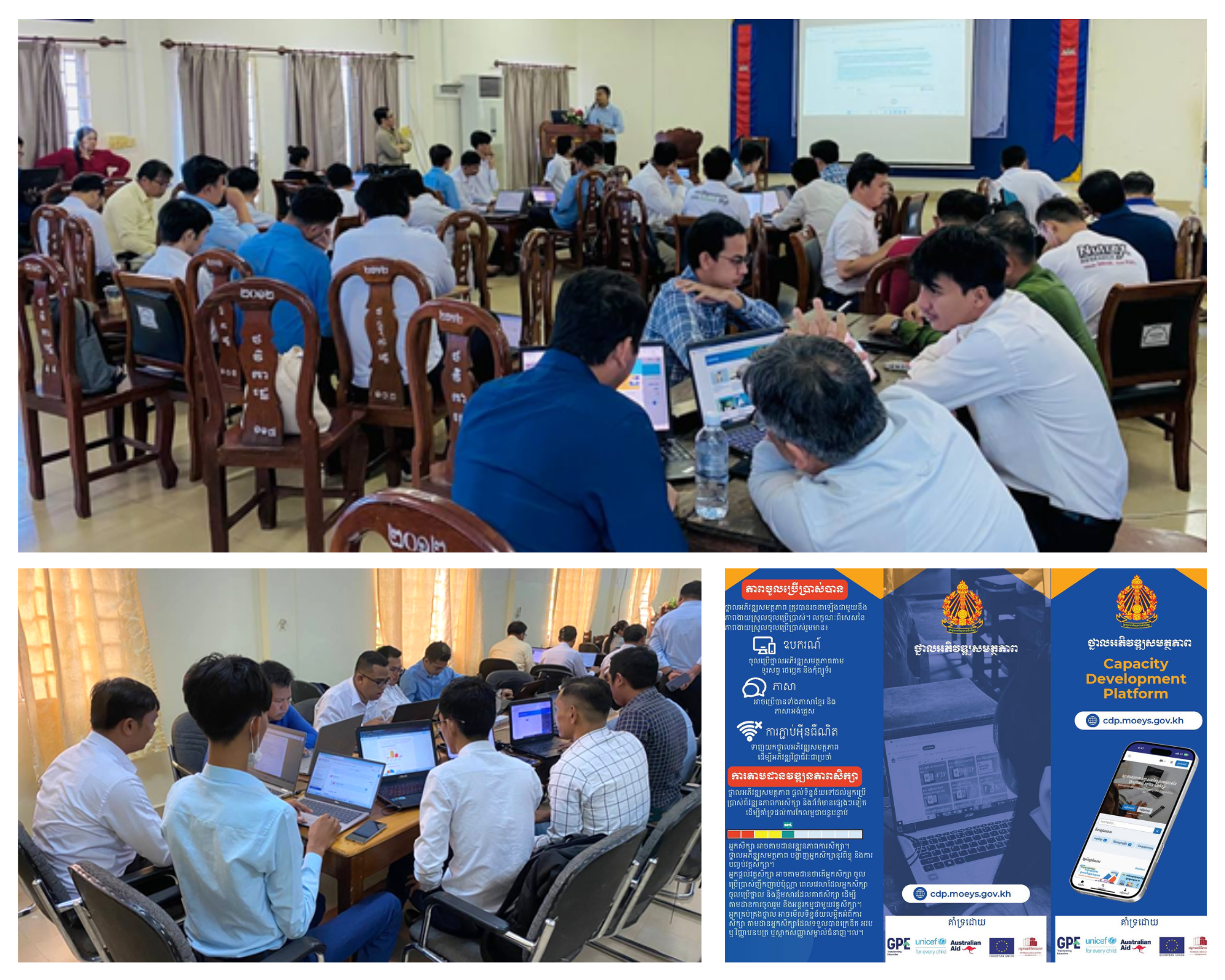
Third, the CDP provides the MoEYS with unprecedented data insights. For the first time, the Ministry can track in real-time which courses are most popular, which regions are most active, and where there may be gaps in teacher knowledge. This data-driven approach allows for more informed policy decisions and more efficient allocation of educational resources.
The Path Forward: Sustainability and Expansion
Looking ahead, the MoEYS and World Education are focused on the continuous evolution of the platform. The current roadmap includes the development of new content to help teachers meet mandatory national standards as part of a comprehensive in-service teacher qualification upgrading program. These new modules will utilize a "blended learning" approach, combining the convenience of digital modules on the CDP with high-impact, in-person instruction.
The sustainability of the CDP is further bolstered by its governance structure. A dedicated government oversight group is responsible for ensuring that the content remains relevant and that the technical infrastructure remains secure. This institutionalized ownership is critical for ensuring that the platform continues to serve Cambodian teachers long after the initial donor funding has been utilized.
As Cambodia continues its journey toward becoming a middle-income country, the Capacity Development Platform stands as a testament to the power of strategic partnerships and human-centered design. By investing in the professional growth of its teachers, Cambodia is making a long-term investment in the potential of its youth and the prosperity of the nation. The CDP is not just a digital platform; it is a foundational element of a modern, resilient, and inclusive education system.