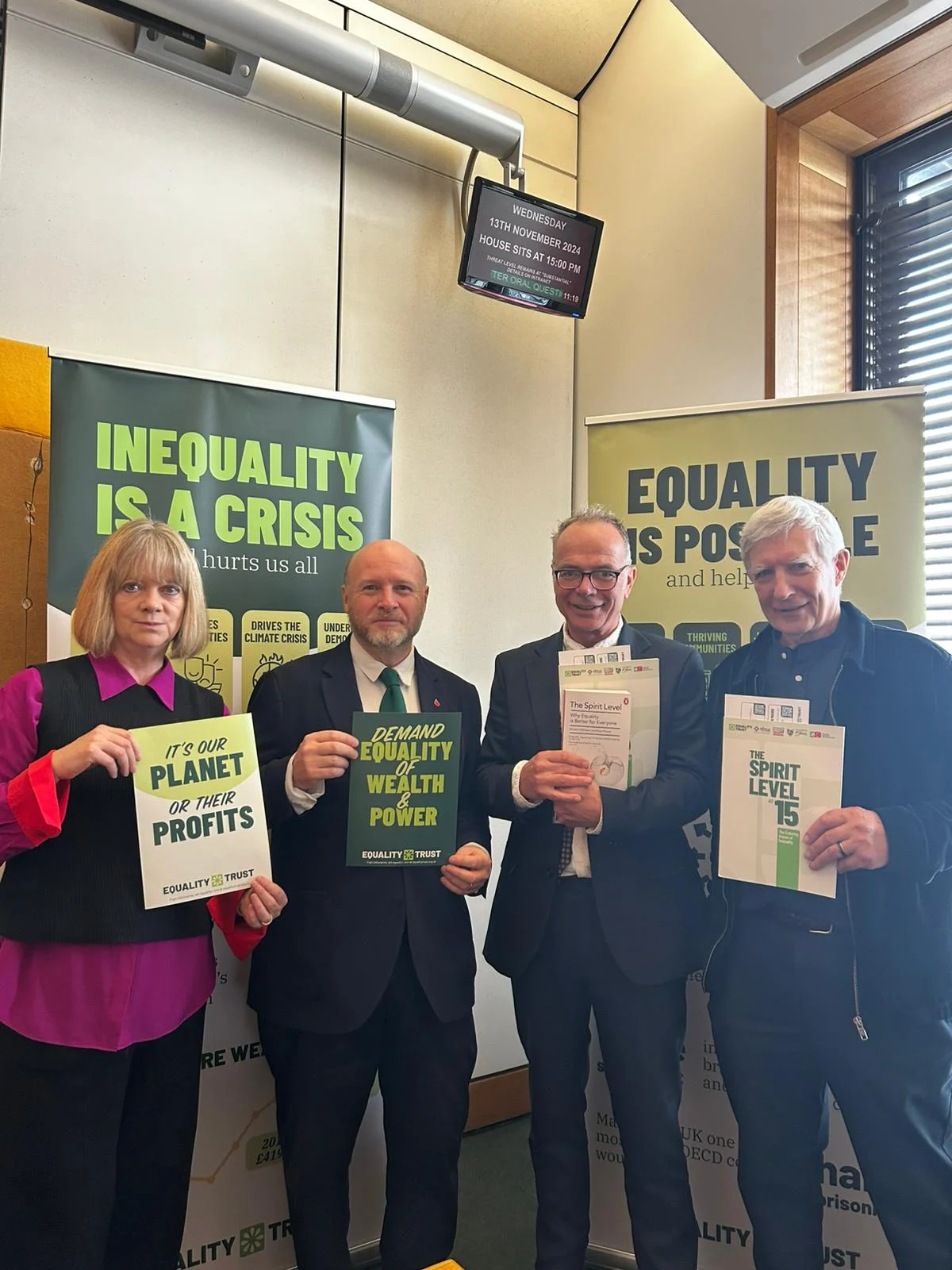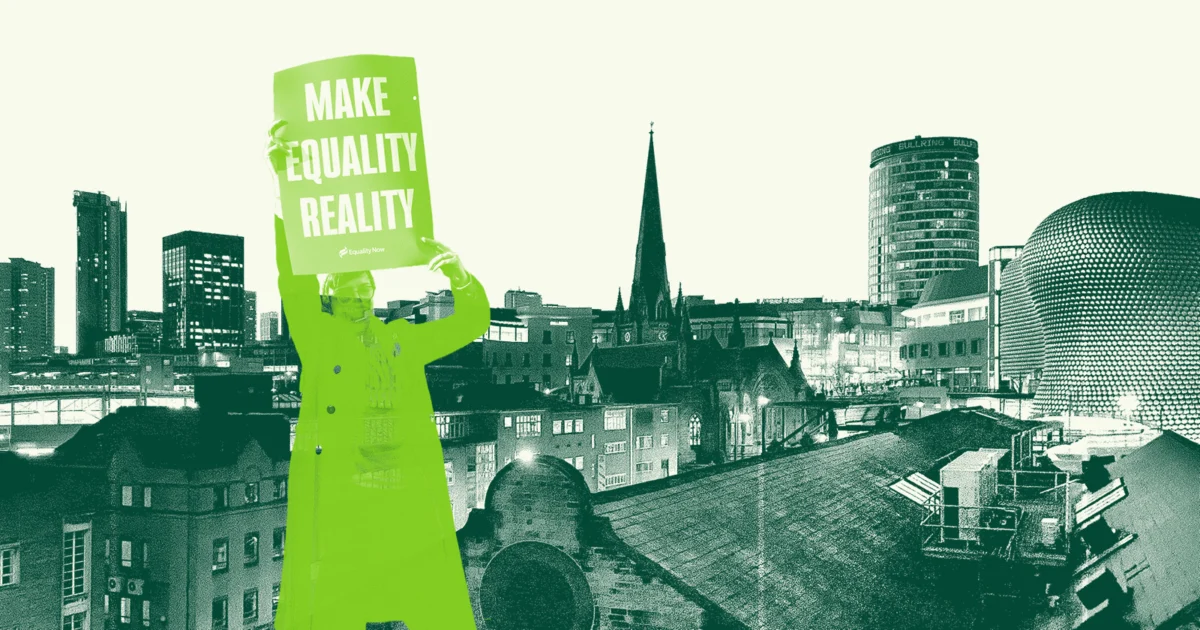
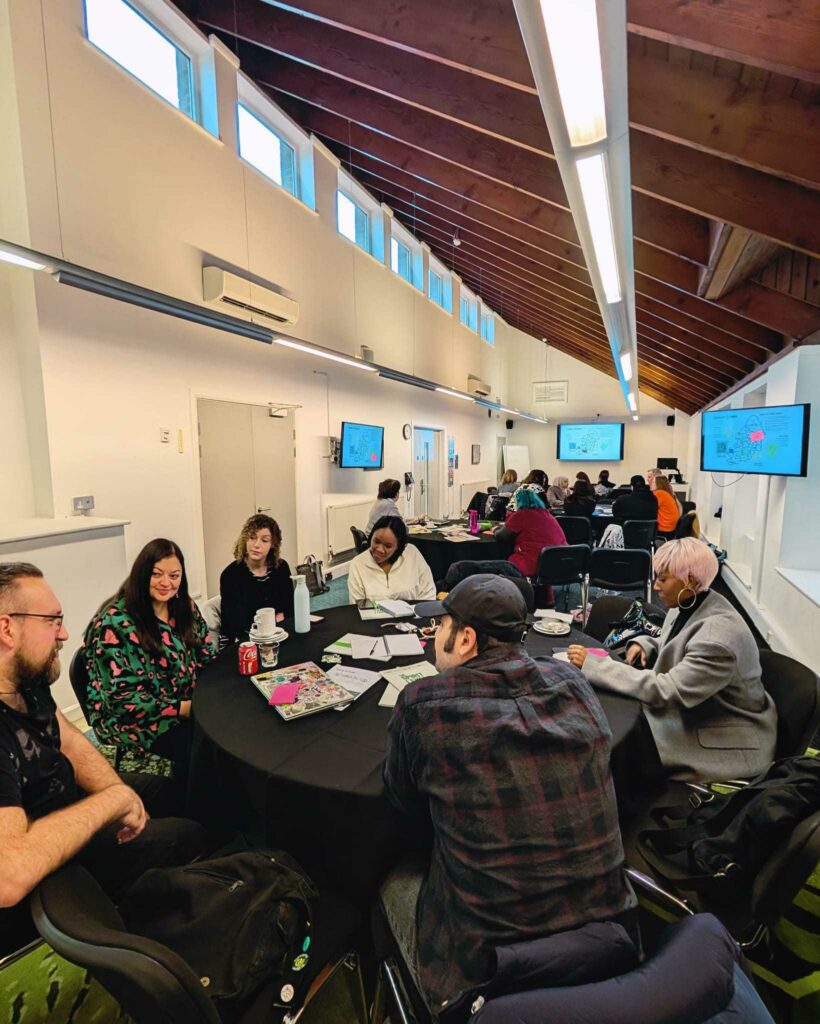
The Midlands Arts Centre in Birmingham became a focal point for civic engagement on January 29, 2026, as local residents, academic experts, and cultural advocates gathered for a landmark workshop and film screening titled Re-imagine a Better Brum. Organized by The Equality Trust and spearheaded by Senior Project Officer Charlie McNeill, the event sought to address the deepening divide in cultural accessibility within the United Kingdom’s second city. The center-piece of the afternoon was the premiere of Conversations of Change: Access to arts, culture, entertainment and recreation in Birmingham, a documentary produced by local Community Reporters that highlights how the ongoing cost-of-living crisis and municipal funding cuts have effectively sequestered cultural participation to the city’s wealthier demographics.

The initiative arrives at a volatile period for Birmingham’s civic infrastructure. Following years of fiscal pressure, the city has faced significant challenges in maintaining its reputation as a global cultural hub while simultaneously managing local level funding reductions that have seen the closure of youth centers, library services, and community-led creative projects. The event at the Midlands Arts Centre was designed not merely as a retrospective of these losses, but as a proactive forum for stakeholders to draft a blueprint for a more equitable urban environment.
The Economic Context of Cultural Exclusion
To understand the urgency of the workshop, one must examine the socio-economic landscape of Birmingham in the mid-2020s. According to data from the Office for National Statistics (ONS) and recent local government audits, Birmingham has experienced a disproportionate impact from the national cost-of-living crisis compared to other major UK metropolitan areas. As of late 2025, inflation in the recreation and culture sector had remained stubbornly high, with the price of cinema tickets, live music venues, and even basic sports club memberships rising by an estimated 15-20% over a three-year period.
Furthermore, the "broken system" referenced by event organizers points to a wider trend of "cultural deserts" appearing in less affluent wards. When municipal budgets are strained, discretionary spending on the arts is frequently the first casualty. This has led to a scenario where high-profile city-center attractions remain visible but financially inaccessible to residents in the periphery. The Equality Trust notes that for many Brummies, the choice between heating a home and attending a local festival is no longer a choice at all, but a systemic exclusion from the city’s social fabric.
Chronology of the Community Reporter Project
The January workshop was the culmination of a year-long initiative by The Equality Trust’s Socio-Economic Duty (SED) program. The timeline began in early 2025, when the trust recruited three Community Reporters—Alev, Arash, and Jennifer—to act as conduits for the lived experiences of Birmingham’s diverse population. These reporters were tasked with moving beyond statistics to capture the human element of inequality.
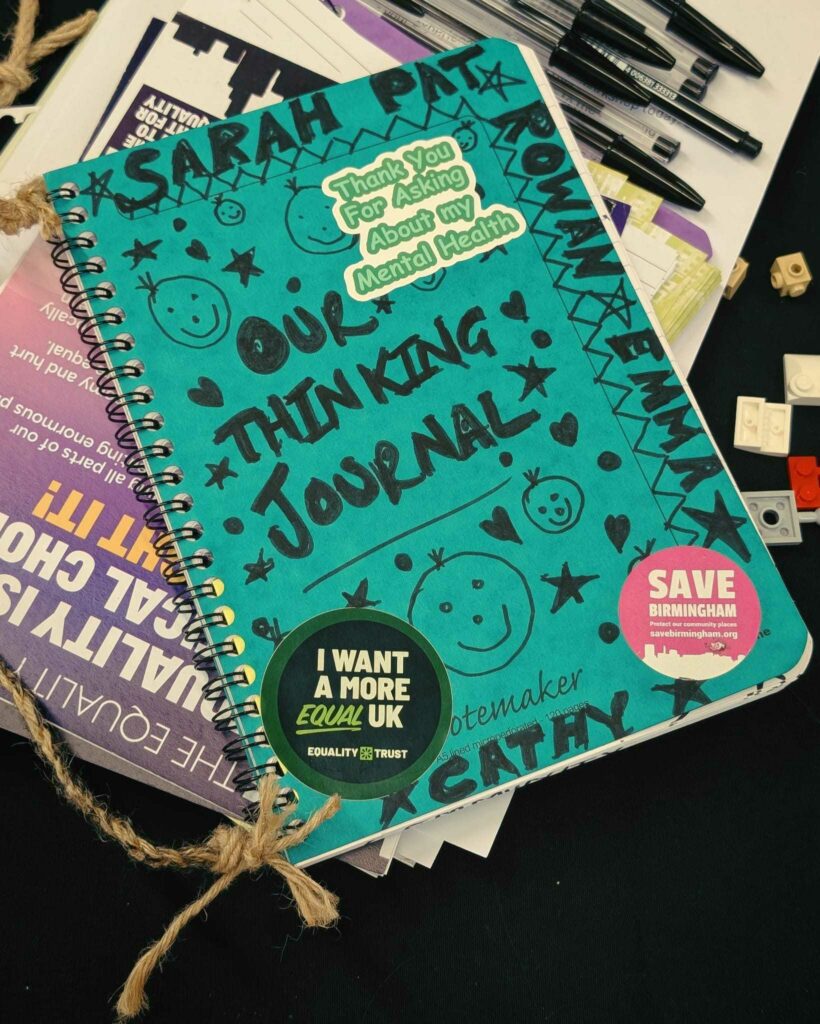
Throughout the spring and summer of 2025, the reporters conducted a series of deep-dive interviews across the city. They spoke with aspiring musicians who could no longer afford rehearsal spaces, parents who had withdrawn their children from local football leagues due to rising fees, and elderly residents who felt the loss of community centers as a profound blow to their mental health and social connectivity. These testimonials were then synthesized into the documentary film edited by Keiran Fuller. The film’s narrative arc moves from the "vibrant Brum" of the past to the "fragmented Brum" of the present, ending with a call to action for a "reimagined Brum" of the future.
Perspectives from the Forum: Expert Analysis
The workshop featured a panel of speakers who provided a multi-disciplinary analysis of the city’s current trajectory. Kathy Hopkin, representing the Save Birmingham campaign, emphasized the importance of protecting community assets. Her contribution focused on the legal and social mechanisms available to residents to prevent the sell-off of historic venues and green spaces. Hopkin argued that once a community asset is privatized or demolished, the "social capital" it generated is often lost permanently.
Dr. Pat Rozbicka of Aston University provided an academic framework for the discussion, drawing on her extensive research into the night-time economy and cultural policy. Dr. Rozbicka noted that a city’s cultural health is a primary indicator of its overall economic resilience. She highlighted that when lower-income residents are priced out of leisure activities, it leads to a decline in community cohesion and a rise in social isolation, which ultimately places a greater burden on public health services.
Ian Francis, the director of Flatpack Festival, brought a practitioner’s perspective to the table. Having navigated the challenges of running an independent film festival in a shifting financial climate, Francis spoke to the necessity of grassroots innovation. He advocated for a shift in how "value" is measured in the arts, moving away from purely commercial metrics toward a model that prioritizes social impact and local accessibility.
Analysis of Implications: The Social Cost of Inequality
The primary takeaway from the workshop was the identification of a "participation gap" that threatens to define Birmingham’s future. Data presented during the sessions suggested that individuals from the lowest 20% of household incomes are 60% less likely to visit a museum or attend a theater performance than those in the top 20%. This gap is not merely a matter of personal preference but is directly correlated with the availability of free-to-access public spaces and subsidized transport.
The psychological impact of this exclusion was a recurring theme in the Community Reporters’ film. Interviewees described a feeling of "not being invited" to their own city’s celebrations. This sentiment of alienation is particularly concerning for Birmingham, which prides itself on being one of the youngest and most diverse cities in Europe. If the younger generation is unable to see themselves reflected in the city’s cultural output or cannot afford to participate in its creative economy, the long-term risk is a "brain drain" of talent to cities with more inclusive infrastructures.
Workshop Findings and the Path Forward
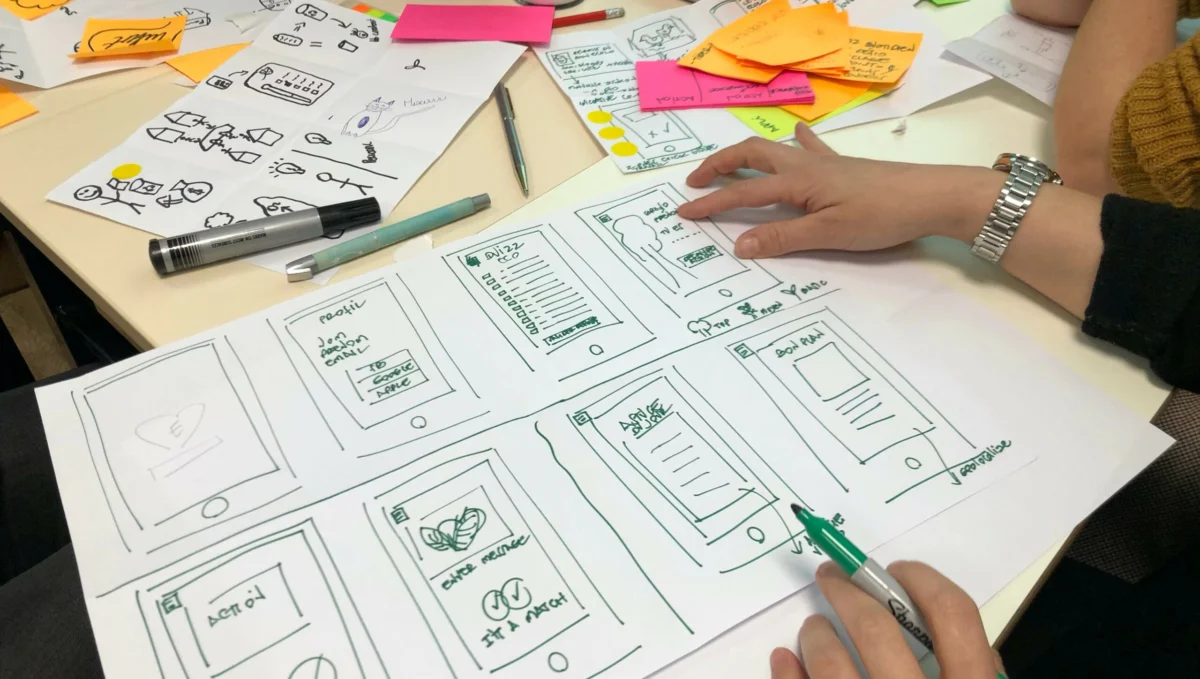
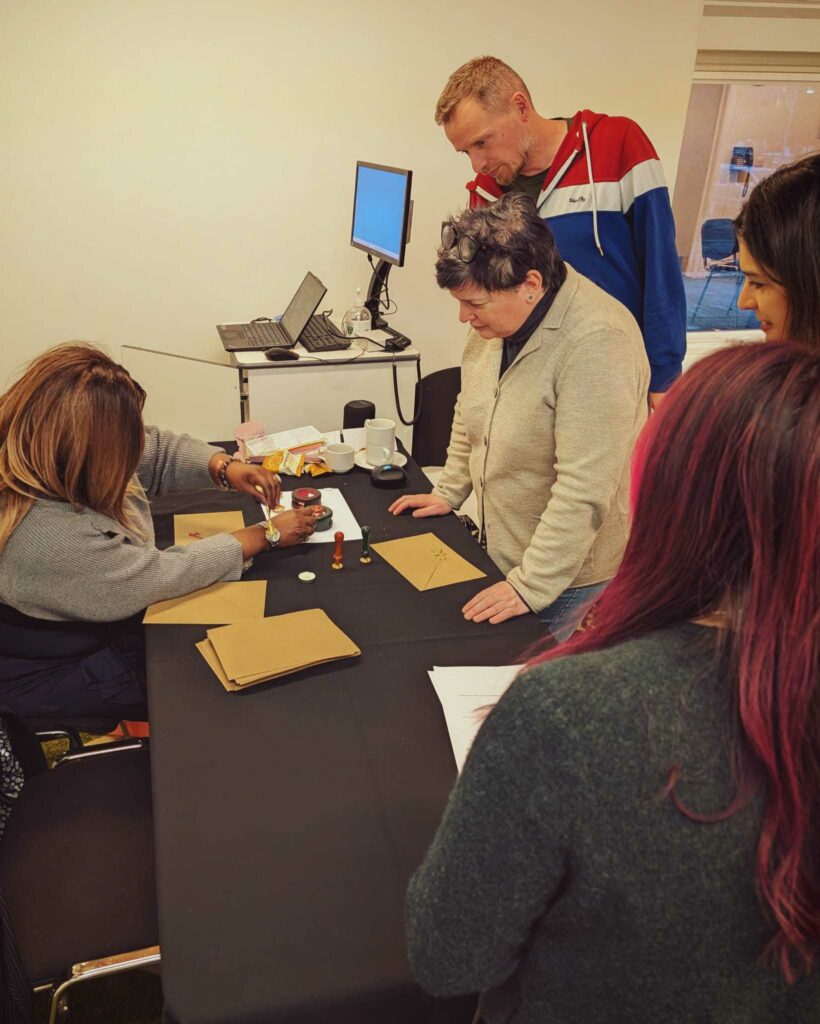
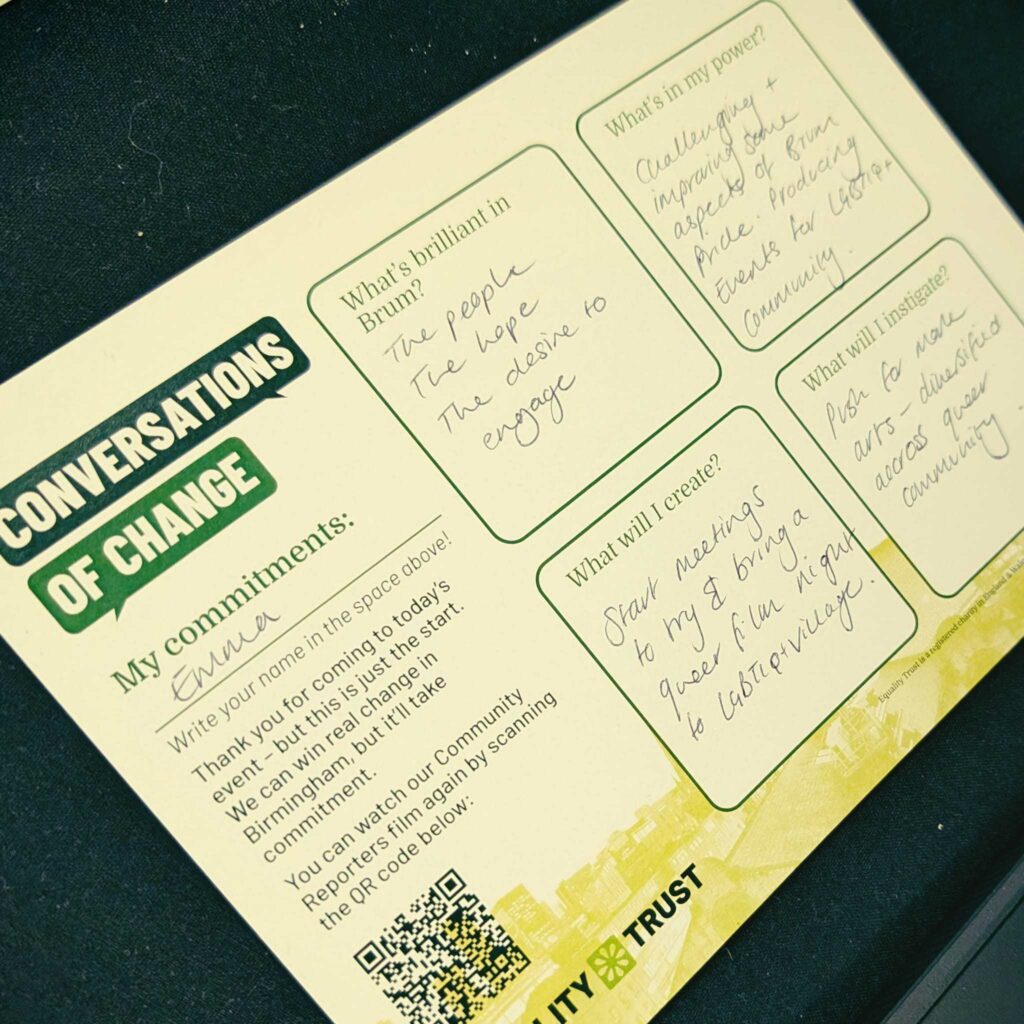
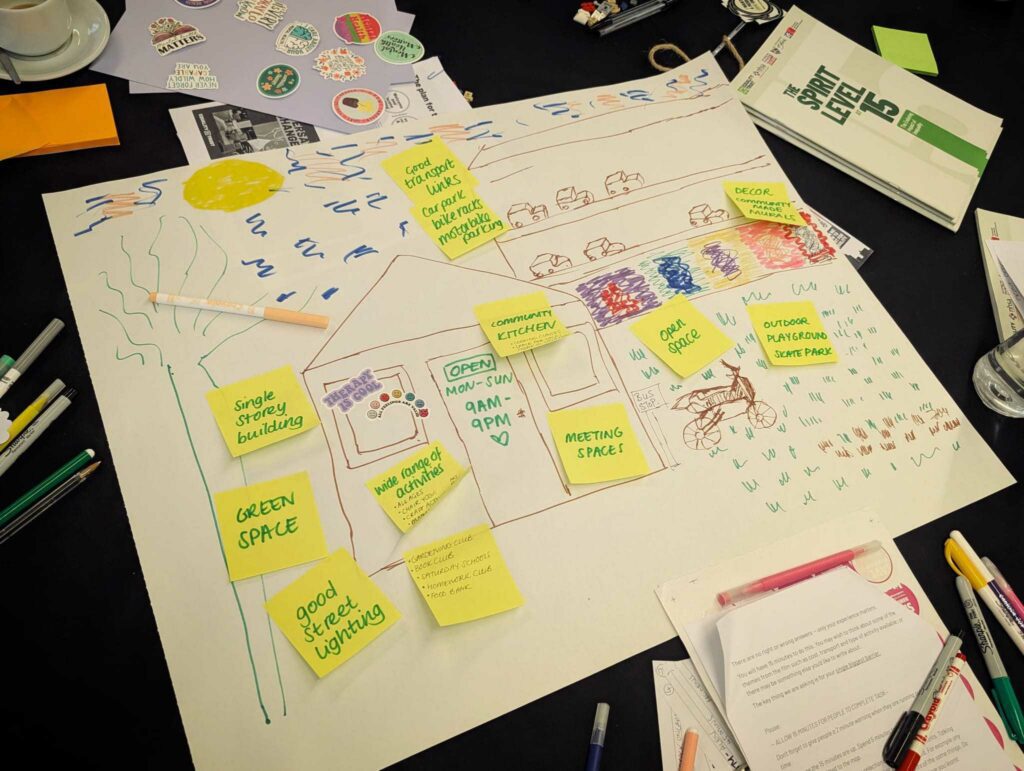
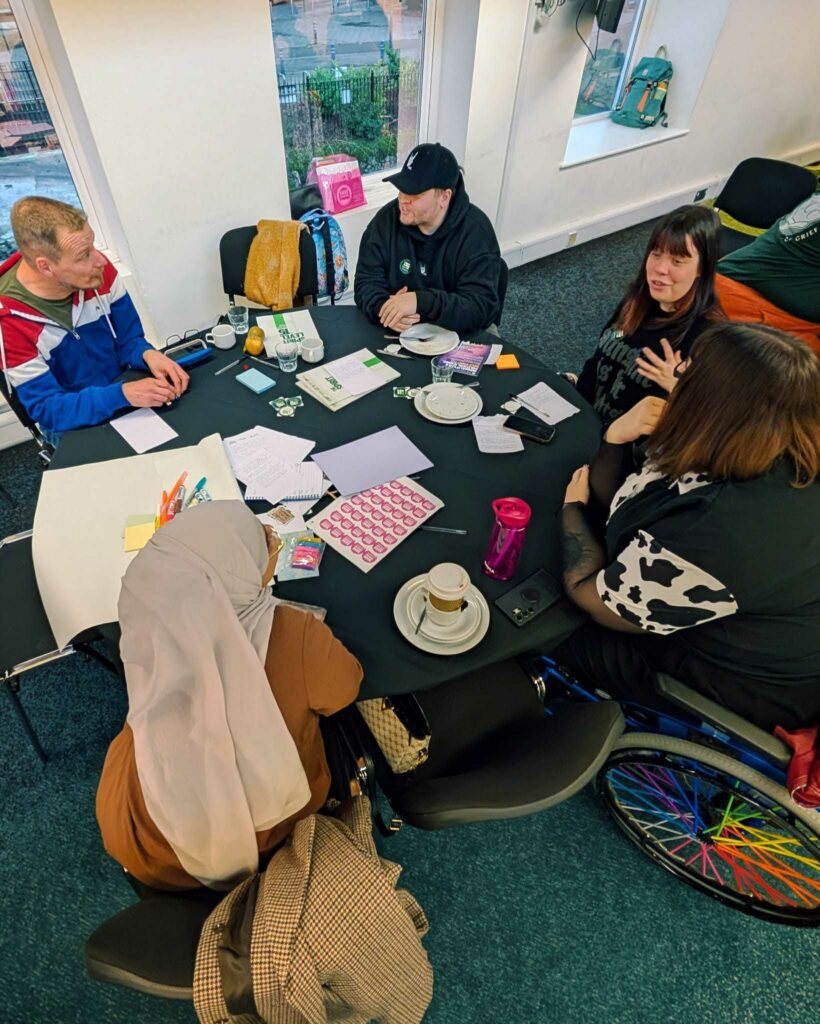
During the interactive portion of the event, attendees were divided into working groups to brainstorm tangible solutions. Several "grand plans" emerged from these discussions, including:
- The Implementation of a Cultural Social Premium: A proposal for a tiered pricing system for all city-funded events, ensuring that residents from specific postcodes with high deprivation indices receive significant discounts or free entry.
- Community Asset Transfer (CAT) Reform: Streamlining the process for local groups to take over the management of underused municipal buildings, turning them into self-sustaining creative hubs.
- The "Brummie Bond": A suggested local investment scheme where profits from major commercial developments in the city center are directly ring-fenced for neighborhood-level arts and sports projects.
The Equality Trust has indicated that the findings from the January 29 workshop will be compiled into a formal report to be presented to the Birmingham City Council and the West Midlands Combined Authority. The goal is to ensure that the Socio-Economic Duty—a section of the Equality Act 2010 that requires public bodies to adopt measures to address inequalities resulting from socio-economic disadvantage—is more rigorously applied to cultural and leisure planning.
Conclusion and Institutional Support
The Re-imagine a Better Brum project was made possible through funding from the Barrow Cadbury Trust as part of their Economic Justice place-based program. This partnership underscores a growing recognition among philanthropic organizations that economic justice is inextricably linked to cultural and social participation.
As Birmingham looks toward the late 2020s, the "Conversations of Change" film and the subsequent workshop serve as a critical reminder that a city’s greatness is not measured by its skyline alone, but by the ability of all its citizens to access the experiences that make urban life meaningful. The organizers and attendees left the Midlands Arts Centre with a shared commitment to ensuring that the "Better Brum" of their imagination becomes a tangible reality for every resident, regardless of their economic standing.
The Equality Trust continues to encourage residents to join the movement by signing up for their newsletter and participating in future community reporter initiatives. By amplifying the voices of those most affected by inequality, the project aims to turn the tide against cultural exclusion and rebuild a city where arts and recreation are recognized as a fundamental right rather than a luxury.