
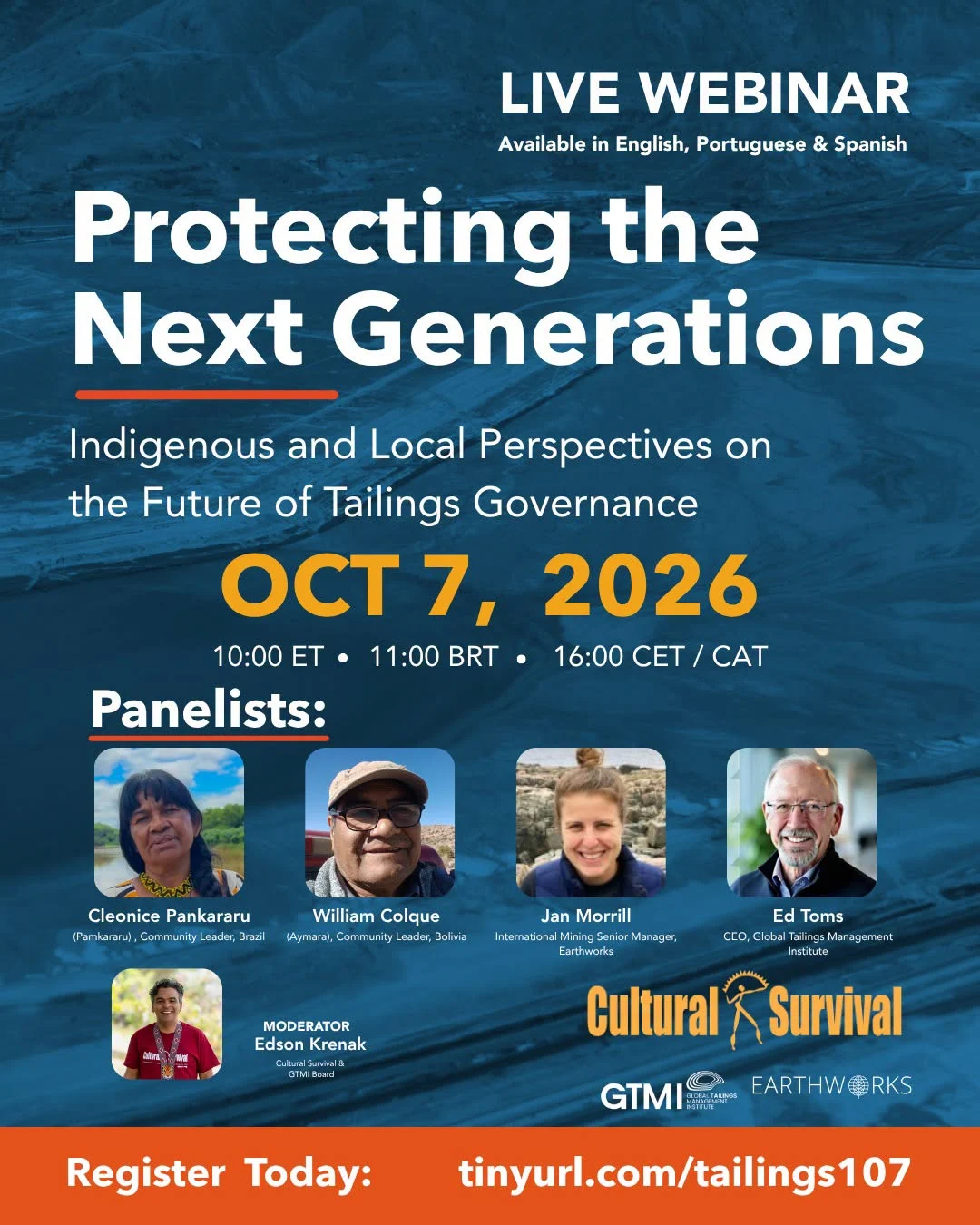
The global landscape of Indigenous rights advocacy reached a pivotal juncture today as international leaders, community organizers, and human rights defenders convened for a comprehensive digital summit hosted by Cultural Survival. Scheduled in the autumn of 2026, the landmark webinar serves as a critical platform to address the ongoing challenges and modern triumphs associated with Indigenous self-determination, territorial sovereignty, and cultural preservation. Against a backdrop of accelerating climate crises, land encroachment, and shifting geopolitical priorities, the event underscores the enduring imperative of protecting the fundamental rights of the world’s original stewards.
For more than half a century, the discourse surrounding Indigenous rights has evolved from localized resistance movements into a coordinated global effort recognized within international frameworks such as the United Nations Declaration on the Rights of Indigenous Peoples (UNDRIP). However, despite formal recognitions, communities across the globe continue to face systemic barriers to exercising genuine autonomy over their ancestral lands, governance structures, and cultural heritage. Today’s webinar provides a timely forum to dissect these persistent hurdles while highlighting innovative grassroots strategies designed to foster long-term community resilience and political empowerment.
Historical Context and Institutional Background
The origins of Cultural Survival trace back to 1972, a period marked by rising global awareness regarding the mistreatment and marginalization of Indigenous populations. Founded by a collective of academics and activists at Harvard University, the organization was established with a clear mandate: to advocate for the rights of Indigenous Peoples and actively support their self-determination, cultural continuity, and political resilience. Over the decades, the organization has evolved from an academic research initiative into a formidable international NGO, partnering directly with Indigenous communities across the Americas, Africa, Asia, and the Pacific.
Throughout its history, Cultural Survival has documented human rights abuses, supported community-led media initiatives, and amplified Indigenous voices on global stages, including various UN permanent forums. The organization’s enduring mission—to advocate for Indigenous Peoples’ rights and support their self-determination—forms the bedrock of its current programmatic work. This ethos is intrinsically tied to its overarching vision: a future that respects and honors inherent rights and dynamic cultures deeply and richly interwoven in lands, languages, spiritual traditions, and artistic expression, rooted fundamentally in self-determination and self-governance.
Chronology of Modern Indigenous Advocacy
Understanding the significance of contemporary events requires examining the historical timeline of milestones that have shaped the modern Indigenous rights movement:
- 1972: Cultural Survival is founded, establishing a new model for academic-activist collaboration in support of endangered Indigenous groups.
- 1982: The United Nations Working Group on Indigenous Populations is established, providing a dedicated international forum for discussing human rights concerns.
- 1989: The International Labour Organization adopts Convention 169 (Indigenous and Tribal Peoples Convention), creating the first major legally binding international instrument addressing Indigenous rights.
- 2007: The United Nations General Assembly adopts the United Nations Declaration on the Rights of Indigenous Peoples (UNDRIP) after decades of negotiation, setting an important international standard for the treatment of Indigenous populations.
- 2015: The Paris Agreement formally recognizes the critical role of Indigenous knowledge systems in climate change mitigation and adaptation strategies.
- 2020–Present: Accelerated digital connectivity allows Indigenous organizations to coordinate globally, utilizing webinars, virtual forums, and international advocacy campaigns to address post-pandemic recovery, land grabs, and environmental defense.
Core Themes Addressed in the Webinar
The 2026 webinar focuses on several critical pillars essential to the survival and prosperity of Indigenous nations. Chief among these is territorial defense. According to data compiled by environmental and human rights watchdogs, Indigenous lands harbor approximately 80 percent of the planet’s remaining biodiversity. Despite covering a fraction of the earth’s surface, these regions are consistently proven to be the most effectively conserved. However, communities protecting these lands face unprecedented pressures from extractive industries, industrial agriculture, and infrastructure projects, frequently operating without the prerequisite of Free, Prior, and Informed Consent (FPIC).
Another central theme of the discussions is linguistic and cultural revitalization. Language loss remains a profound crisis, with linguists estimating that a significant percentage of the world’s remaining Indigenous languages could vanish within the century. The webinar highlights successful community-led education programs, digital archiving initiatives, and legislative measures aimed at restoring linguistic vitality. By embedding native languages into daily life, schooling, and modern technology, Indigenous youth are reclaiming their heritage and strengthening their psychological and cultural resilience.

Supporting Data and Statistical Overview
Empirical evidence consistently demonstrates the efficacy of Indigenous land management and governance models. Quantitative analyses from organizations such as the Food and Agriculture Organization (FAO) and the World Resources Institute highlight vital metrics:
- Biodiversity Stewardship: Indigenous territories manage or hold tenure over an estimated 370 to 500 million hectares of land, overlapping with some of the world’s most ecologically intact biomes.
- Deforestation Rates: Studies indicate that deforestation rates in demarcated and legally recognized Indigenous territories are significantly lower—often by half or more—compared to surrounding conventionally managed lands.
- Carbon Sequestration: Tropical forests in Indigenous territories across the Amazon basin, the Congo Basin, and Southeast Asia store vast quantities of carbon, acting as indispensable carbon sinks in the global fight against climate change.
- Economic Disparities: Despite their ecological contributions, Indigenous communities frequently experience disproportionate levels of poverty, lack of infrastructure access, and inadequate healthcare services due to historical marginalization and systemic underinvestment.
Official Responses and Stakeholder Perspectives
Representatives from various Indigenous nations who participated in the webinar emphasized that true partnership requires more than symbolic recognition. In statements released alongside the event, community leaders stressed that governments and international corporations must move beyond rhetoric to implement binding legal protections for land rights.
"Self-determination is not merely a political aspiration; it is our fundamental prerequisite for survival," noted one prominent Indigenous delegate during a panel session. "When we protect our lands, we are protecting the future of humanity. The global community must recognize that our governance systems, rooted in ancient laws of reciprocity and balance, offer the most viable path forward through the ecological crises of the 21st century."
Human rights advocates monitoring the event echoed these sentiments, pointing out that national legal frameworks frequently lag behind international standards. While countries may vote in favor of declarations like UNDRIP, domestic implementation remains inconsistent, often stymied by political inertia or powerful corporate lobbies interested in mining, logging, and fossil fuel extraction.
Broader Impact and Implications for the Future
The implications of the discussions held during this webinar extend far beyond academic or policy-making circles. As global leaders grapple with the compounding effects of climate change, biodiversity collapse, and economic instability, the expertise held by Indigenous Peoples is increasingly viewed as indispensable. Policy analysts suggest that incorporating traditional ecological knowledge into national and international climate strategies can yield measurable improvements in environmental outcomes.
Furthermore, the emphasis on self-governance underscores a shift away from paternalistic models of development toward genuine partnership and sovereignty. By leveraging digital platforms, international solidarity networks, and legal advocacy, Indigenous communities are asserting their rightful place as equal actors in international diplomacy.
Cultural Survival continues to play a vital role in this ongoing transformation. Through sustained advocacy, programmatic support, and initiatives designed to keep the public informed, the organization fosters an environment where Indigenous voices are not only heard but acted upon. As participants log off from the webinar and return to their respective communities, the collective resolve to defend lands, languages, and rights remains stronger than ever, signaling a resilient path forward for Indigenous nations worldwide.




