The past two years have undeniably marked a period of unprecedented upheaval, transforming the global landscape of work in ways previously unimaginable. The pandemic era, an ongoing phase of rapid societal and economic experimentation, has fundamentally reshaped our understanding of professional life and the future of employment. This seismic shift has propelled critical questions to the forefront, with evolving data continuously painting a more intricate picture. This article, part of a broader series examining emerging trends categorized as ‘Purpose,’ ‘People,’ ‘Process & Policy,’ and ‘Polarisation & Activism,’ delves specifically into the profound changes observed within the ‘People’ dimension, offering reflections on their implications for Diversity, Equity, and Inclusion (DEI) in an increasingly ambiguous and fast-changing world.
The global workforce, economies, and organizations are collectively navigating a complex recovery, with talent emerging as the undisputed linchpin of stability and growth. A distinct power shift has occurred, placing employees in a significantly stronger position to articulate their expectations regarding what attracts them to an employer and, crucially, what motivates them to stay. This newfound leverage has manifested in several impactful phenomena, notably "The Great Resignation."
The Genesis of the Great Resignation and Shifting Workforce Dynamics
The term "The Great Resignation" captured global attention as a shorthand for the mass exodus of workers observed across various sectors. While some researchers contend that a rising trend in voluntary resignations predated the pandemic, the global health crisis undoubtedly acted as an accelerant, intensifying underlying dissatisfactions and catalyzing widespread re-evaluations of work-life priorities. A March 2021 Microsoft Work Trend Index survey, for instance, revealed that over 40% of the global workforce was contemplating a departure from their current employers within the year, signaling a potential tidal wave of talent movement.
Concrete job market data from key economies underscore the scale of this phenomenon. In the United States, August 2021 witnessed a staggering 4.3 million voluntary quits, coinciding with an equally remarkable 10.4 million open job vacancies. This imbalance between available talent and demand created immense pressure on employers. Across the Atlantic, the United Kingdom reported over 1 million job openings during the same period, a record high. The implications extend beyond immediate hiring challenges; a Willis Towers Watson survey in August 2021 found that 70% of U.S. employers anticipated this talent gap persisting into the following year, with 61% struggling specifically with employee retention. Even in Germany, the largest economy in the European Union, concern among company leaders regarding the scarcity of skilled labor jumped by 11% in just three months, reaching 34.6% by July 2021. These statistics paint a clear picture of a global talent market in flux, where employees, not just employers, are dictating terms.
Who is Leaving and Why: Unpacking the Motivations
Further analysis provides insight into who is driving this unprecedented talent mobility. Resignation rates have been particularly pronounced among mid-career professionals, showing an increase of 20% compared to pre-pandemic levels. Sectors like technology and healthcare, which experienced immense demand and pressure during the pandemic, saw significant turnover. These roles often involve high stress, long hours, and critical responsibilities, leading to burnout and a re-evaluation of career paths.
Beyond these specific demographics, the pandemic also cast a harsh spotlight on long-standing issues within traditionally high-turnover sectors such as service and hospitality. While these industries have always experienced churn, the pandemic brought greater public awareness and empathy to the often-poor working conditions, inadequate pay, and lack of benefits. This increased scrutiny, coupled with a tight labor market, empowered workers to demand better.
A notable, more visceral manifestation of employee discontent has been the rise of "rage quitting." This phenomenon involves workers making immediate, often dramatic, departures from jobs they can no longer tolerate due to toxic work environments, unfair treatment, or overwhelming stress. Such instances highlight a significant shift in employee tolerance for negative workplace experiences, indicating a clear boundary where personal well-being trumps traditional career progression or loyalty. The underlying message from these workers is clear: "we can do better," and they are actively seeking employers who align with their evolving values and expectations.
The Imperative for Inclusive Workplaces and People-Centred Cultures
The collective experience of the pandemic has undeniably sharpened the focus on the intrinsic value of employees and the critical need for inclusive workplaces underpinned by fair labor practices and progressive policies. The pervasive uncertainty of the times has had a dual effect: for some, it has been a source of profound stress, while for others, it has catalyzed a period of profound introspection, prompting a re-evaluation of their current situations and a bolder pursuit of new opportunities. Quitting, in this context, has become an active declaration of agency and a pursuit of environments that offer greater respect, flexibility, and purpose.
Organizations can no longer afford to disregard the direct correlation between workplace culture, employee experience, and their ability to attract and retain talent. These factors are not merely HR concerns but direct drivers of an organization’s success and, on a broader scale, societal economic growth. As global initiatives like the World Economic Forum’s "Great Reset" and various "build back better" campaigns gain momentum, the integration of truly people-centred work cultures must be a foundational principle. This involves a systemic reimagining of how work is structured, managed, and valued, moving beyond superficial gestures to embed equity and well-being at the core of organizational design.
Addressing the "Great Divergence": Ensuring an Inclusive Recovery
While "The Great Resignation" speaks to voluntary departures, it is crucial to acknowledge "The Great Divergence," a term referring to the widening inequalities within our current economic recovery. Not all pandemic-era employment changes were driven by choice; a significant portion involved unwanted job losses, exacerbating an already challenging global employment crisis.
The data reveals a stark reality: OECD countries collectively face 20 million fewer people in work since the pandemic’s onset, and worldwide, over 110 million fewer jobs exist. The International Labour Organization (ILO) estimated that global hours worked in 2021 would remain 4.3% below pre-pandemic levels, equivalent to a staggering 125 million full-time jobs. The OECD further highlighted that the most significant reductions in working hours disproportionately impacted low-paid jobs, deepening economic disparities. While global unemployment rates showed a slight decline by May 2021, they remained higher than pre-pandemic levels, indicating a protracted recovery for many segments of the workforce.
This "Great Divergence" underscores the critical need for an inclusive approach to talent and employment recovery. It necessitates a comprehensive strategy that not only addresses the voluntary shifts but also actively mitigates the impacts of involuntary job losses and ensures equitable access to new opportunities. This is a pivotal moment for profound, systemic changes in how we design our economies and workplaces, ensuring fairness and opportunity for all people.
Employer Responses and Evolving Talent Strategies
In response to these unprecedented talent shifts, organizations are rapidly evolving their strategies. The traditional emphasis on competitive salaries remains, but it is now complemented by a holistic focus on employee well-being, flexibility, and a compelling organizational culture.
-
Flexible Work Models: The most visible shift has been the widespread adoption of hybrid or fully remote work models. Companies are investing in technology and infrastructure to support distributed teams, recognizing that flexibility is no longer a perk but a fundamental expectation for many employees. This requires rethinking everything from collaboration tools to leadership training for managing remote teams.
-
Enhanced Benefits and Well-being Initiatives: Beyond traditional health insurance, employers are offering expanded mental health support, enhanced parental leave, childcare subsidies, and wellness programs. The pandemic highlighted the fragility of individual well-being, and companies are now seen as having a greater responsibility in this area.
-
Investment in Learning and Development: To combat talent shortages and promote internal mobility, organizations are increasing investment in upskilling and reskilling programs. This not only addresses immediate skill gaps but also demonstrates a commitment to employee growth, fostering loyalty and retention.
-
Redefining Leadership: The qualities of effective leadership have also evolved. Empathy, psychological safety, and clear communication are now paramount. Leaders are increasingly expected to foster inclusive environments where diverse perspectives are valued and employees feel heard and supported.
-
Transparent and Ethical Practices: Employees are increasingly scrutinizing company values and ethical practices. Organizations demonstrating a genuine commitment to social responsibility, environmental sustainability, and equitable treatment of all employees are more likely to attract and retain talent. This includes transparent pay practices and clear pathways for career progression.
The Indispensable Role of Diversity, Equity, and Inclusion (DEI)
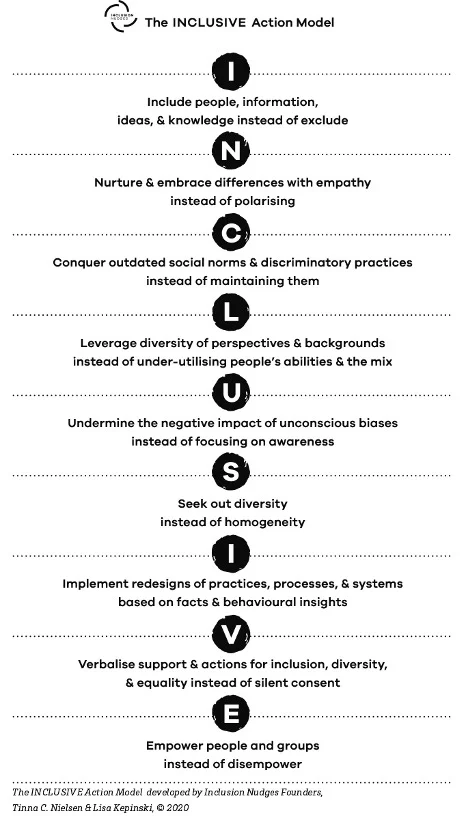
The "People" trends of the pandemic era have irrevocably intertwined with the imperative for robust Diversity, Equity, and Inclusion (DEI) strategies. In a market where employees wield more power and are actively seeking purpose-driven, supportive environments, DEI is no longer a peripheral concern but a strategic imperative.
- Attraction: A diverse and inclusive culture is a powerful magnet for talent. Prospective employees, particularly younger generations, actively seek out organizations that demonstrate a genuine commitment to DEI, viewing it as a proxy for a fair and equitable workplace.
- Retention: An equitable environment where all employees feel a sense of belonging, can bring their authentic selves to work, and have equal opportunities for growth is crucial for retention. Addressing systemic biases, fostering psychological safety, and ensuring fair processes are vital in preventing "rage quitting" and promoting long-term engagement.
- Innovation and Resilience: Diverse teams are proven to be more innovative, adaptable, and resilient. In a rapidly changing world, organizations that embrace a variety of perspectives are better equipped to navigate challenges and seize new opportunities.
- Inclusive Recovery: To truly achieve an "inclusive recovery" from the "Great Divergence," DEI principles must guide hiring, training, and promotion strategies. This means actively addressing barriers for underrepresented groups, investing in talent pipelines from diverse backgrounds, and ensuring that economic recovery benefits all segments of society, not just a privileged few.
Long-Term Implications and the Future of Work
The shifts observed in the "People" dimension are not transient pandemic-induced anomalies but rather indicators of a fundamental reorientation of the employment relationship. The future of work will likely be characterized by:
- Employee-Centricity: Organizations will increasingly need to prioritize employee experience, well-being, and flexibility to remain competitive.
- Hybrid by Default: Flexible work arrangements are here to stay, requiring ongoing innovation in collaboration, culture-building, and leadership.
- Skills-Based Economy: The focus will shift from traditional credentials to demonstrable skills, necessitating continuous learning and development.
- Purpose-Driven Employment: Employees will increasingly seek alignment between their personal values and their employer’s mission, pushing organizations towards greater social responsibility.
- Heightened DEI Focus: DEI will be an integral part of business strategy, essential for talent attraction, retention, innovation, and ethical operation.
This era demands proactive and empathetic leadership, capable of navigating complexity while championing inclusivity. Organizations that recognize these profound shifts and commit to building truly people-centred, equitable, and adaptable workplaces will be the ones that not only survive but thrive in the evolving global economy. The opportunity for profound, positive change is now, and it rests on our collective ability to embrace a fairer, more inclusive future of work.