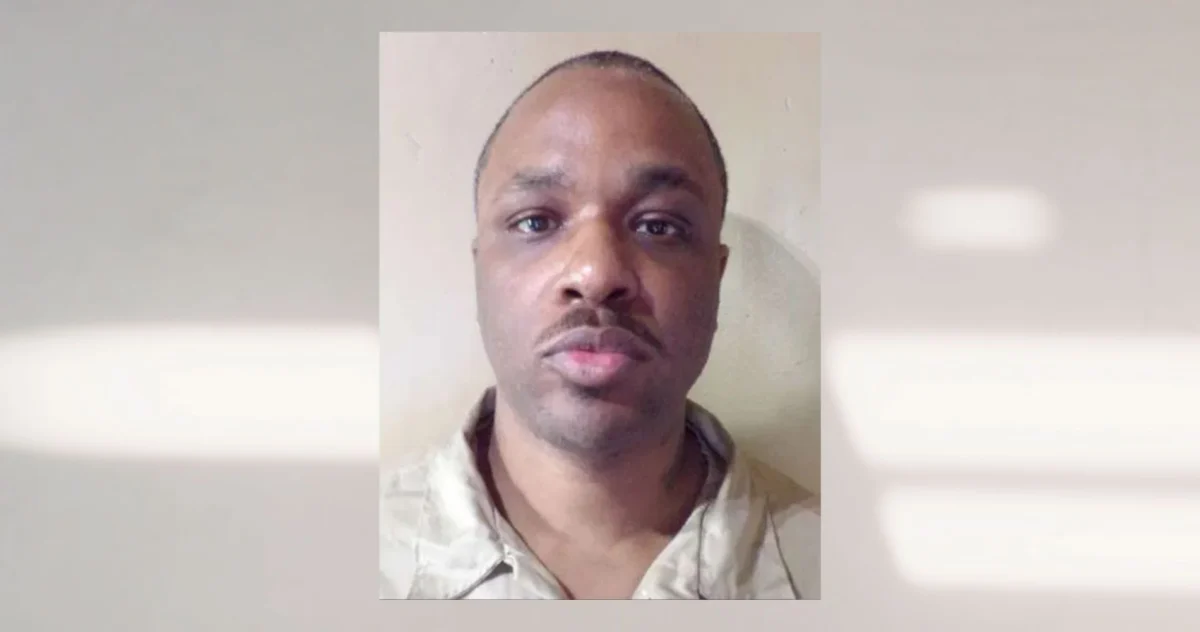
The United States Supreme Court on Monday declined to review a federal appeals court decision, thereby clearing the path for Michael Sockwell, now 63, to receive a new trial. This pivotal development comes 36 years after a Montgomery, Alabama, judge sentenced him to death, overriding a jury’s recommendation for a life-without-parole sentence. The high court’s refusal to intervene underscores the severe constitutional violations identified in Mr. Sockwell’s original 1990 trial, specifically concerning racially discriminatory jury selection and the contentious practice of judicial override in capital cases.
The 1988 Crime and the Original Trial
Michael Sockwell’s long legal ordeal began with his arrest in connection with the 1988 killing of a Montgomery sheriff’s deputy. Prosecutors alleged that the murder was orchestrated by the deputy’s wife, a detail that added a layer of complexity to an already high-profile case. In 1990, Mr. Sockwell was brought to trial, charged with capital murder. The atmosphere surrounding the trial was charged, as is often the case when law enforcement officials are victims of violent crime. The justice system was under immense pressure to deliver a conviction, a pressure that, as subsequent legal proceedings would reveal, may have contributed to significant procedural missteps.
During the critical jury selection phase, known as voir dire, the prosecution’s conduct came under intense scrutiny. Then-Assistant District Attorney Ellen Brooks, who played a central role in the prosecution, exhibited a pattern of behavior that would later be deemed unconstitutional. Records show that Ms. Brooks struck an alarming 80% of the qualified Black prospective jurors. This aggressive exclusion included one Black man whom Ms. Brooks explicitly admitted she struck because he shared the "same race, sex, and age" as the defendant, Mr. Sockwell. This admission, startling in its frankness, provided direct evidence of racial animus in the jury selection process, a practice strictly prohibited by federal law.
A Verdict Overridden: The Judge’s Decision to Impose Death
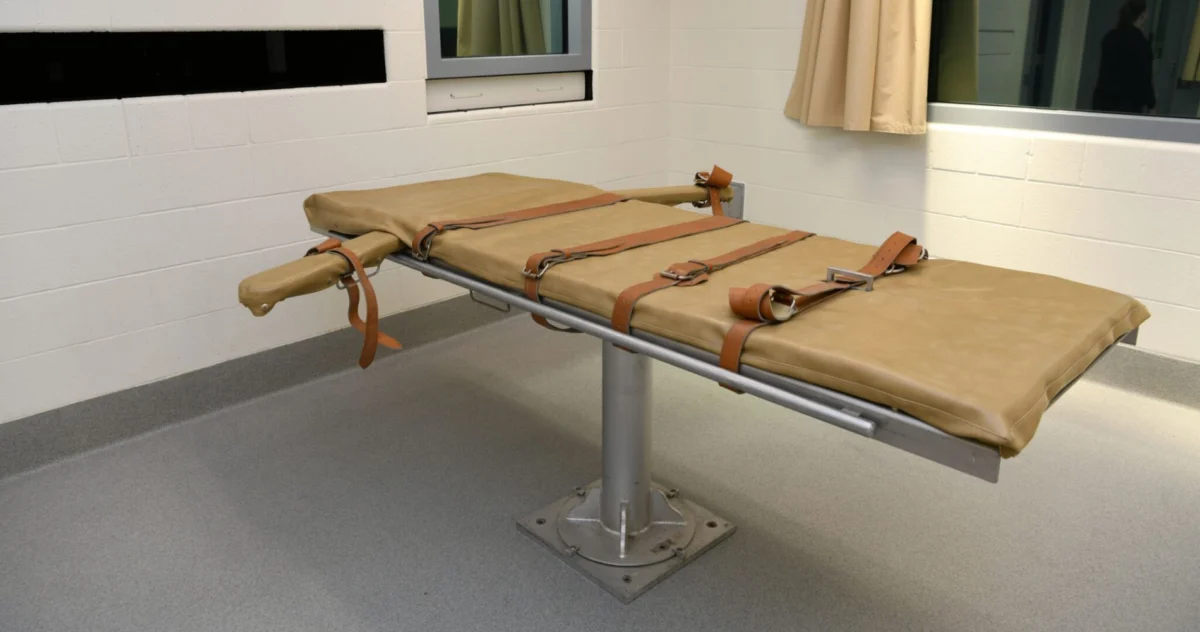
Following his conviction for capital murder, the jury in Mr. Sockwell’s trial faced the weighty decision of sentencing. After deliberation, the jury voted 7-5 to impose a sentence of life without parole. This recommendation reflected a significant portion of the jury’s belief that the ultimate penalty was not warranted in this specific case. However, in a move that was, at the time, permissible under Alabama law, the trial judge chose to override the jury’s verdict and instead sentenced Mr. Sockwell to death.
Judicial override was a controversial practice unique to a handful of states, with Alabama being its most prominent and persistent user. Until Alabama became the last state to eliminate judge override in 2017, its judges routinely overrode jury verdicts of life and imposed the death penalty. Data collected by legal advocacy groups, most notably the Equal Justice Initiative (EJI), illustrated that Alabama judges overrode jury life verdicts to impose death sentences in more than 100 cases. This practice was particularly contentious because it allowed a single judge to impose a death sentence even when a jury, having heard all the evidence, determined that life imprisonment was the appropriate punishment. Critics argued that judge override undermined the role of the jury, which is intended to represent the conscience of the community, and often led to arbitrary and disproportionate application of the death penalty. For Michael Sockwell, this judicial decision meant decades on death row, rather than a life sentence as recommended by the jury.
Decades on Death Row: The Long Road to Appeal
For more than three decades, Michael Sockwell languished on Alabama’s death row, his life hanging in the balance as his legal team pursued various avenues of appeal. The appeals process for capital cases in the United States is notoriously lengthy and complex, often spanning decades. During this time, legal challenges typically focus on procedural errors, ineffective assistance of counsel, and constitutional violations that may have occurred during the original trial. Mr. Sockwell’s case became a stark example of how fundamental errors in the initial proceedings can lead to prolonged incarceration and persistent legal battles.
The primary focus of Mr. Sockwell’s appeals ultimately centered on the racial discrimination in jury selection. The legal landscape regarding jury selection and racial bias had been shaped by the landmark 1986 Supreme Court decision in Batson v. Kentucky. This ruling established a framework for challenging peremptory strikes that appear to be racially motivated. Under Batson, if a defendant can show a prima facie case of racial discrimination in jury selection, the burden shifts to the prosecutor to provide a race-neutral explanation for the strike. If the explanation is found to be pretextual, the strike is deemed unconstitutional. Mr. Sockwell’s case, having predated some of the more rigorous enforcement mechanisms, nevertheless fell squarely within the scope of Batson‘s protections.
The Eleventh Circuit’s Scathing Indictment of Racial Bias
In a significant development last summer, after more than 30 years since his conviction, the Eleventh Circuit Court of Appeals granted Mr. Sockwell a new trial. This federal appeals court delivered a scathing rebuke of the prosecutorial misconduct in the original trial, finding that prosecutors had unequivocally violated Mr. Sockwell’s constitutional right to a fair trial by illegally striking potential jurors based on their race.
The Eleventh Circuit’s opinion meticulously detailed the historical context of prosecutorial behavior in Montgomery County. It specifically noted that Ellen Brooks had a "significant history of striking jurors in a racially discriminatory manner right before and during Sockwell’s trial in 1990." The court’s findings were not isolated; both of Alabama’s appellate courts had previously identified multiple instances where Brooks struck Black jurors in violation of Batson v. Kentucky. The federal court’s language was unambiguous, stating that "Brooks purposefully struck Black jurors in the cases she prosecuted" both before and after the Batson decision was handed down. This demonstrated a pattern of systemic, rather than isolated, discriminatory practices.
Understanding Batson v. Kentucky and its Violations
The Batson v. Kentucky decision in 1986 was a monumental step toward addressing racial discrimination in jury selection. Prior to Batson, prosecutors could use peremptory challenges to strike potential jurors without providing a reason, a practice that was widely abused to exclude Black jurors. Batson made it unconstitutional for prosecutors to strike potential jurors solely on the basis of race. Its intent was to ensure that a jury represents a fair cross-section of the community and that the justice system operates free from racial prejudice.
However, as Mr. Sockwell’s case and countless others illustrate, implementing Batson has been a continuous struggle. Prosecutors often developed pretextual, race-neutral reasons for strikes that were, in reality, racially motivated. The Eleventh Circuit’s ruling in Sockwell’s case highlights this challenge, emphasizing the need for appellate courts to look beyond superficial explanations and scrutinize the totality of circumstances. The court found that Ms. Brooks struck eight of the 10 Black jurors from Mr. Sockwell’s jury pool. Critically, the court compared the reasons she gave for striking Black jurors with her reasons for not striking white jurors who shared similar characteristics. This comparative juror analysis is a key tool in Batson challenges, and in Mr. Sockwell’s case, it revealed a "substantial likelihood of race-based considerations in the exercise of those strikes." For example, if a Black juror was struck for having a relative who had been arrested, but a white juror with a similar background was not struck, it strongly suggests racial bias.
A Pattern of Prejudice in Montgomery County
The Eleventh Circuit’s findings went beyond the actions of Ellen Brooks, painting a broader picture of systemic issues within the Montgomery County District Attorney’s office. The court observed that Ms. Brooks "was not the only culprit" within the office. It specifically named Bruce Maddox, another prosecutor who also engaged in striking Black jurors in a racially discriminatory manner. Alarmingly, this pattern persisted even after the Alabama Supreme Court had repeatedly admonished Maddox for necessitating costly retrials by continuing to strike potential Black jurors for "whimsical, ad hoc excuses" that the court had previously rejected.
This broader context of pervasive racial bias within the district attorney’s office underscores the deep-seated nature of the problem that infected Mr. Sockwell’s trial. It suggests that the discrimination was not an isolated incident but rather indicative of a cultural or institutional practice within the prosecution’s office during that era. Such systemic issues not only undermine the fairness of individual trials but also erode public trust in the entire justice system. The cumulative effect of these findings provided the "overwhelming evidence" upon which the federal appeals court concluded that the prosecutor’s racially discriminatory strikes violated Mr. Sockwell’s rights under the Equal Protection Clause.
The Supreme Court’s Unanimous Decision to Uphold
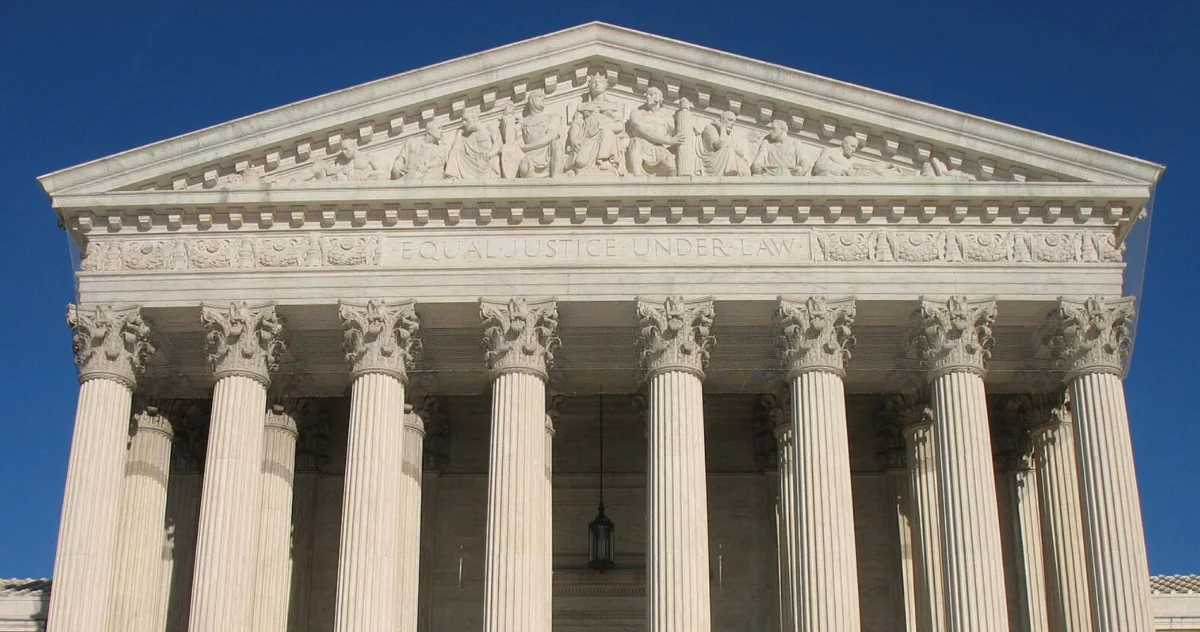
The State of Alabama, seeking to prevent a new trial, petitioned the U.S. Supreme Court to review the Eleventh Circuit’s decision. However, in a move that signals the strength and clarity of the lower court’s ruling, the Supreme Court declined to hear the case. This decision effectively upholds the Eleventh Circuit’s judgment, making it final. While the Supreme Court does not typically provide reasons for denying certiorari (review), its refusal to intervene in a case involving such clear findings of constitutional violations sends a powerful message. It reinforces the principle that "Equal justice under law requires a criminal trial free of racial discrimination in the jury selection process," as the Eleventh Circuit had emphatically concluded.
The Supreme Court’s decision to let the Eleventh Circuit’s ruling stand is a significant victory for civil rights advocates and a testament to the enduring importance of Batson. It means that federal courts will continue to play a crucial role in scrutinizing jury selection practices, especially in capital cases where the stakes are literally life or death.
The End of Judge Override in Alabama
While the immediate focus of Mr. Sockwell’s new trial is on the Batson violation, his case also serves as a potent reminder of the now-defunct practice of judicial override. As previously noted, Alabama was the last state in the nation to abolish this practice, doing so in 2017. For decades, judges in Alabama had the power to sentence defendants to death even if a jury recommended a life sentence. This was a particularly egregious aspect of Alabama’s capital punishment system, often resulting in death sentences that were not supported by community consensus.
Mr. Sockwell’s case is one of many where a judge overrode a jury’s life recommendation. The disproportionate application of the death penalty under judicial override, particularly against Black defendants, was a major concern for civil rights organizations. The abolition of judge override in Alabama was the culmination of years of advocacy and legal challenges, aimed at making the state’s capital punishment system more just and aligned with national standards. While the new trial for Mr. Sockwell will occur in an Alabama where judge override is no longer possible, the specter of that historical injustice remains a significant part of his legal narrative.
Implications for Justice: Addressing Systemic Bias
Michael Sockwell’s case has broad implications for the pursuit of justice and the ongoing struggle against systemic bias in the American legal system. It highlights several critical issues:
- Vigilance Against Racial Bias: The case serves as a powerful reminder that racial bias, even if subtle or disguised, can deeply corrupt the fairness of a trial. Appellate courts must remain vigilant in enforcing Batson and ensuring that jury selection is free from prejudice.
- The Cost of Injustice: Thirty-six years on death row represents an immeasurable human cost. The decades-long appeals process also carries significant financial burdens for the state, underscoring the importance of getting trials right the first time.
- The Role of Federal Courts: Federal appellate courts play a crucial role as a check on state court proceedings, ensuring that federal constitutional rights are protected. The Eleventh Circuit’s thorough review and decisive action in Sockwell’s case exemplify this vital function.
- The Evolution of Justice: The case also shows how legal standards and societal understandings of justice can evolve over time. Practices once accepted, like judge override or lax enforcement of Batson, are now recognized as fundamental flaws.
The Path Forward for Michael Sockwell
Last November, a federal judge issued a directive to prosecutors, instructing them to formulate plans for a new trial by March 18 or release Mr. Sockwell from prison. This deadline puts immediate pressure on the Montgomery County District Attorney’s office. A spokesperson for the office informed the Associated Press that they intend to retry the case but declined to provide additional comment, as is customary in ongoing legal matters.
The prospect of a new trial, 36 years after the original conviction, presents both challenges and opportunities. Witness testimony may be difficult to secure, and memories may have faded. However, it also offers Mr. Sockwell the chance for a fair trial, free from the racial discrimination that tainted his first proceedings. His legal team will likely approach the new trial with the benefit of the extensive record developed during the appeals process, particularly the detailed findings of the Eleventh Circuit regarding prosecutorial misconduct.
Official Responses and Broader Context
The Montgomery County District Attorney’s office’s decision to retry the case, while expected, ensures that Michael Sockwell’s legal battle is far from over. The state’s commitment to pursuing the case, despite the decades that have passed and the clear findings of constitutional violations, reflects the serious nature of the original charge.
From the perspective of legal advocacy groups, the Supreme Court’s decision to decline review is a resounding affirmation of fundamental constitutional rights. Organizations like the Equal Justice Initiative (EJI), which has been at the forefront of challenging racial bias and unjust practices in Alabama’s justice system, will likely view this outcome as a significant victory. It reinforces their long-held arguments that systemic issues, including racially discriminatory jury selection and judicial override, have historically undermined the integrity of trials and led to wrongful or unjust convictions, particularly for minority defendants. This case will undoubtedly be cited as a prime example of the enduring need for vigilance and reform within the criminal justice system.
Conclusion: A Landmark in the Pursuit of Fair Trials
Michael Sockwell’s journey through the Alabama and federal court systems represents a poignant chapter in the ongoing narrative of justice in America. From a 1990 conviction tainted by undeniable racial bias in jury selection and an override of a jury’s life recommendation, to a federal appeals court’s powerful vindication decades later, and finally, the Supreme Court’s tacit approval of a fresh start, the case underscores the profound importance of fair process. While the road ahead for Mr. Sockwell and the Montgomery County District Attorney’s office remains challenging, this latest development stands as a landmark decision, reaffirming the fundamental constitutional right to a trial free from racial discrimination and offering a glimmer of hope for true justice, however long delayed.