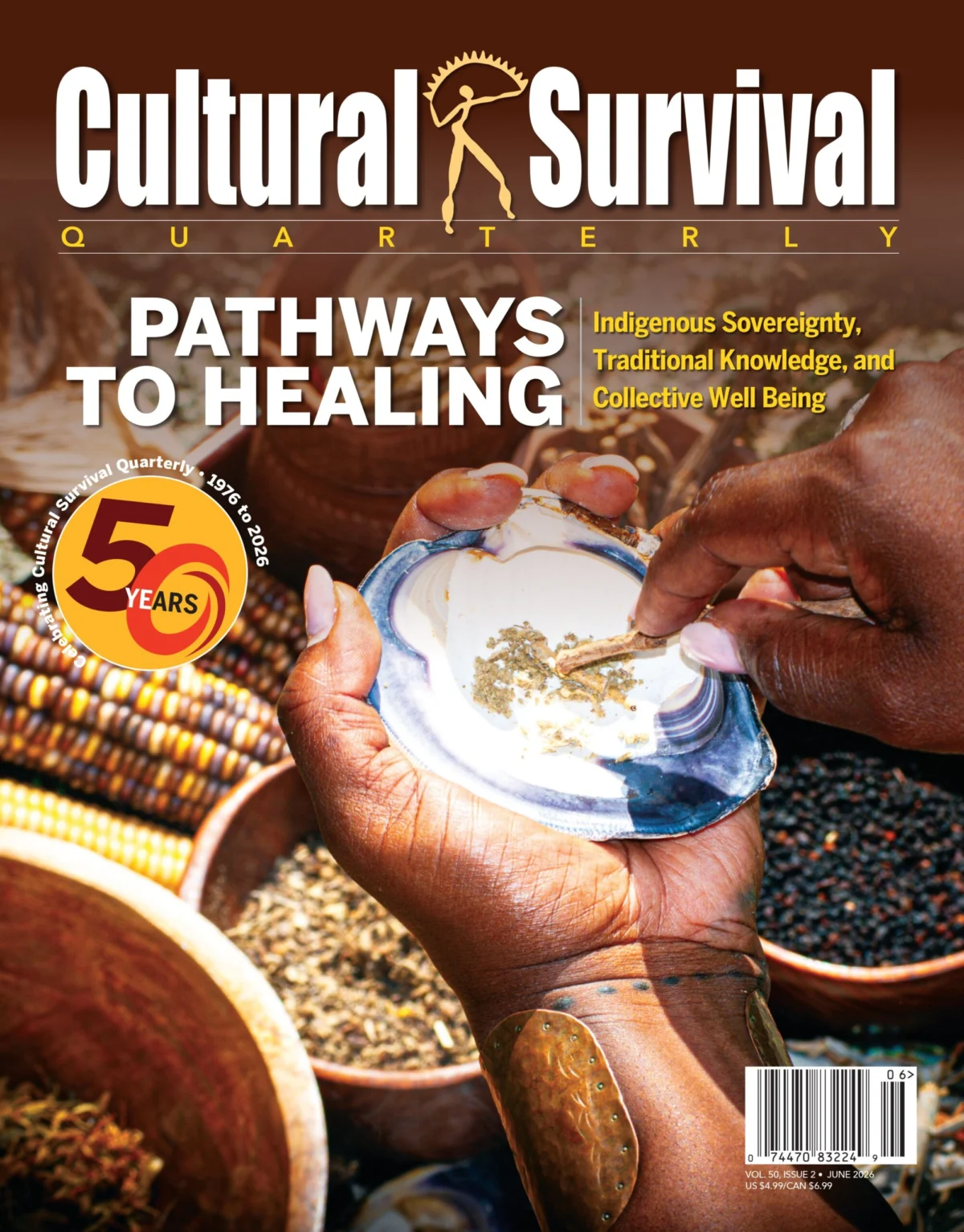
Before the advent of modern Western medicine and its standardized definitions of health and healing, Indigenous Peoples across the globe possessed profound and sophisticated systems of care. These traditions, meticulously developed over generations through attentive observation, deep ecological understanding, and communal ceremonies, served not only to identify and treat illnesses but also to foster holistic well-being and maintain robust community bonds. Now, through the vital work of Cultural Survival’s Indigenous Youth Fellowship Program, three young Indigenous women are spearheading a movement to reintroduce and revitalize this invaluable ancestral knowledge, ensuring its continuity for future generations. Hailing from the Muisca people of Colombia, the Ngäbe of Costa Rica, and the Kichwa Otavalo of Ecuador, these fellows are actively re-establishing pathways once trodden by their maternal ancestors, bringing traditional wisdom concerning midwifery, menstruation, herbalism, and the holistic understanding of womanhood back into the accessible sphere of their communities.
Revitalizing Feminine-Centric Traditional Knowledge
The Indigenous Youth Fellowship Program, an initiative by Cultural Survival, has provided a crucial platform for young Indigenous leaders to engage in intergenerational knowledge transfer. The program’s emphasis on centering the lifeways of the feminine has proven particularly impactful, as traditional knowledge related to women’s health, childbirth, and natural remedies, which had often become marginalized, is now being systematically revived and shared. This endeavor is not merely about preserving the past; it is about actively reintegrating these vital aspects of Indigenous identity and practice into contemporary community life, fostering resilience and self-determination.
Gabriela Garibello Daza: Muisca Pathways to Women’s Health
Gabriela Garibello Daza, a Muisca woman from the territory historically known as Mhuykytä, now the vibrant city of Bogotá, Colombia, is at the forefront of this revival. Her academic pursuits in literature at Javeriana University have been complemented by a deep commitment to her cultural heritage. Daza co-founded the Tinizä ("Bloom") Indigenous Collective and is a driving force behind the Bosa Native Language Revitalization Program. Her extensive experience in facilitating spaces dedicated to cultural identity, health, oral traditions, and Indigenous education has profoundly shaped her work within her community. Currently, she is undertaking an apprenticeship in Muisca ancestral medicine and midwifery, a testament to her dedication to hands-on learning and practice.
Through the Indigenous Youth Fellowship program, Daza, alongside co-coordinators Erika Samantha Galeano, Wendy Lorena Díaz Pachón, and Deina Catherine Tovar, initiated a project aimed at preserving knowledge in women’s medicine, midwifery practices, and herbalism from a Muisca perspective. This ambitious undertaking, named "Escuela de Formación en Medicina Natural de Mujer y Partería Tradicional Muisca" (School of Training in Natural Medicine for Women and Traditional Muisca Midwifery), underscored the critical importance of reintegrating Indigenous identities through community building and active information exchange. The project’s name itself, echoing an existing school, signifies a formal commitment to the transmission of this vital knowledge.
The core mission of Daza’s project was to empower Muisca women by engaging them in preventive healthcare practices that contribute to their physical, emotional, and spiritual well-being. Daza keenly observes, "Women in these communities are usually caring for others, but they don’t often have the time to care for themselves." This insight highlights a critical challenge where the nurturing roles of women often come at the expense of their own self-care, a dynamic her project sought to address.

The program involved twenty participants from four Muisca communities who convened monthly for an intensive eight-month period. This knowledge transfer was structured around four fundamental spirals: Tasque (thought), Quyca (territory), Puyky (heart), and Sie (water). These conceptual frameworks guided a series of eight immersive, capacity-building workshops. These workshops delved into a rich array of topics, including traditional weaving techniques, understanding menstruation and lunar cycles, womb work, traditional massage therapies, therapeutic baths and steams, and the extensive application of herbalism. This holistic approach ensured that participants received comprehensive training and engagement with ancestral practices.
Daza articulates that this profound learning experience has solidified her resolve to create spaces specifically designed for women, by women. She now understands that such focused environments are not only crucial for learning and strengthening individual capacities but are also essential for collective healing. In this dynamic process of intergenerational knowledge transmission, the women within the Muisca communities are emerging as true pioneers. Daza emphasizes a core Muisca philosophy: "The path of a leader is in company and not individually. It’s not about one person leading everything; it’s a shared responsibility." This sentiment encapsulates the collaborative and community-oriented spirit driving the revitalization efforts.
Thalia Jiménez Tomas: Empowering Ngäbe Maternal Health and Rights
Thalia Jiménez Tomas, a proud member of the Ngäbe people residing in the Limón province of Costa Rica, is another pivotal figure in this initiative. Her leadership extends beyond traditional knowledge; she is a co-founder of the Ngäbe Women Leaders of Siaola and holds a degree in Local Management for Indigenous Peoples from the National Distance Education University. Her advocacy has had tangible legislative impact. In 2018, she played a pivotal role in the creation of Law Number 9710, which officially recognizes the identities of Indigenous and Tribal peoples and establishes protective procedures safeguarding their rights and existence.
For her dedicated work with the Indigenous Women’s Organization and her tireless promotion of the rights of the Ngäbe people, Tomas was honored with the prestigious 2024 European Union Gender Equality Award. This recognition underscores the international significance of her contributions to gender equity and Indigenous rights.
The project spearheaded by Tomas, titled "Meritre krëgae Denan nain, miagrtë gare monsotre ngëbere" (Maternal Health as a Vision for Ngäbe Youth), was designed to facilitate the recovery and re-establishment of intercultural maternal health knowledge among Ngäbe midwives, women, youth, and crucially, state-sanctioned healthcare providers. This initiative was born out of pressing realities faced by the Ngäbe community. Accessing medical care is often fraught with difficulty due to geographical distances and the logistical challenges of travel. Furthermore, upon reaching health centers for childbirth or medical treatment, Ngäbe women frequently encounter language barriers. This communication gap can lead to a lack of understanding regarding the medical procedures they are consenting to, a situation that contravenes established rights. While a law exists to prevent such informed consent issues, awareness within many communities remains low. A common practice of mothers giving birth at home often results in children lacking birth certificates by the time they reach school age, a bureaucratic hurdle with significant implications. These lived experiences served as the impetus for Tomas’s impactful project.
Tomas’s project directly benefited over 40 women across four Ngäbe communities. Participants gained access to invaluable knowledge exchange sessions focused on medicinal herbs. Crucially, the project fostered direct dialogue with healthcare providers, including obstetricians. During these interactions, Ngäbe women were empowered to advocate for their specific needs and receive information that was not only medically sound but also grounded in their own cultural cosmology. The significance of this initiative was recognized by academic institutions, with the University of Costa Rica reaching out to request a workshop, highlighting the project’s potential for broader impact and collaboration.
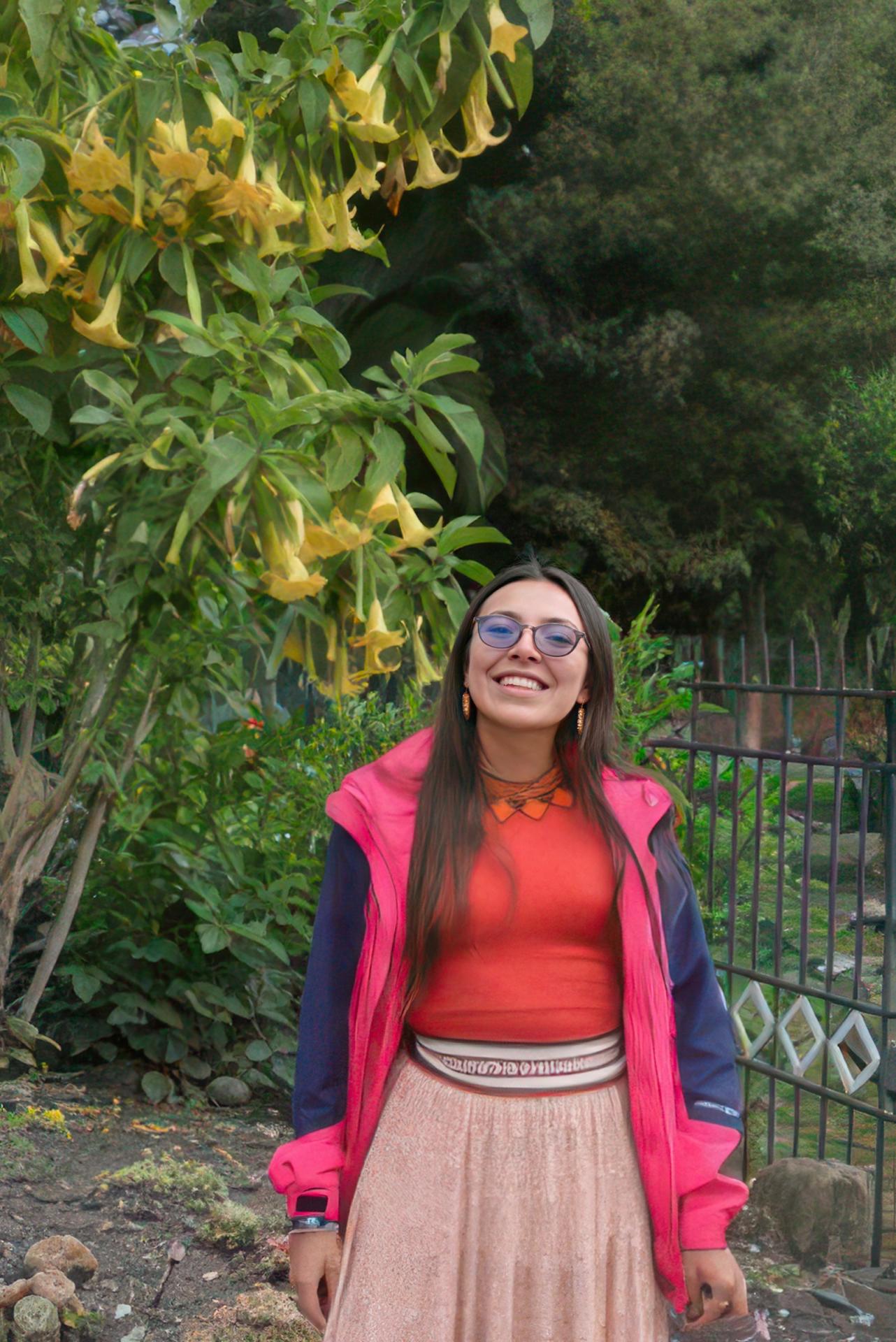
For Tomas, undertaking this project with Cultural Survival was an immense honor and a profound opportunity to serve her community. Energized by the positive outcomes, she is actively engaged in the critical fight to secure a state-recognized territory where the Ngäbe people can permanently reside and call home. The displacement of Indigenous Peoples from their ancestral lands often leads to the erosion of their traditional practices and the dilution of their identities. To counteract this threat of forgetting their origins and their essence, Tomas continues this vital struggle alongside her community, recognizing that land rights are intrinsically linked to cultural survival.
Cenia Kaina Córdova Pichamba: Preserving Kichwa Otavalo Heritage Through Visual Storytelling
Cenia Kaina Córdova Pichamba, a Kichwa Otavalo woman from Peguche, Imbabura, Ecuador, is dedicated to safeguarding her community’s rich cultural heritage. Her academic background in Arts and Humanities is further enriched by her ongoing studies in anthropology, research methodologies, and cultural heritage preservation. Her community, Doctor Miguel Egas Cabezas Peguche, is comprised of several distinct Indigenous communities, and due to its historical prominence in textile production, it is often perceived as a place rooted in the past. Elders within the community have voiced significant concerns about the gradual loss of identity and culturally significant customs, including the practice of traditional midwifery.
The scarcity of practicing midwives presents a multifaceted challenge, exacerbated by factors such as language barriers and the insufficient documentation of ancestral knowledge. In response, Pichamba initiated a project titled "Yuyakuna (Knowledge)," with the explicit aim of asserting Indigenous Knowledge not as mere folklore, but as a vital and integral component of everyday life. Pichamba describes her project as "an initiative to compile and recognize previous science and knowledge," emphasizing its scientific validity and practical relevance.
To achieve this objective, Pichamba’s project focused on meticulously documenting and collecting oral histories through in-depth interviews with Kichwa midwives. Concurrently, she undertook photographic documentation of both the midwives and the medicinal plants they utilize. Through carefully curated photography, "Yuyaykuna" seeks to dismantle harmful stereotypes often associated with Indigenous Peoples. This visual approach aims to initiate a crucial dialogue on the societal impacts of identity construction and representation, challenging preconceived notions and highlighting the vibrant reality of Indigenous cultures.
Following the documentation phase, Pichamba organized a pivotal gathering that brought together ten midwives. This meeting served as a platform for them to exchange information, share experiences, and provide feedback on their practices. The sessions included presentations from both the midwives and an obstetrician, exploring innovative ways to bridge traditional customs with modern medicine. The event culminated in a communal meal prepared using traditional Indigenous recipes, fostering a sense of shared heritage and connection. All attendees were presented with certificates of completion, acknowledging their valuable contributions and participation.
The midwives who attended this transformative gathering, though residing in the same city, represent diverse cultural backgrounds and practices. Despite these variations, Pichamba’s efforts were instrumental in forging a supportive and collaborative network for Kichwa women and midwives. This network is vital for the continued practice and transmission of their healing traditions.
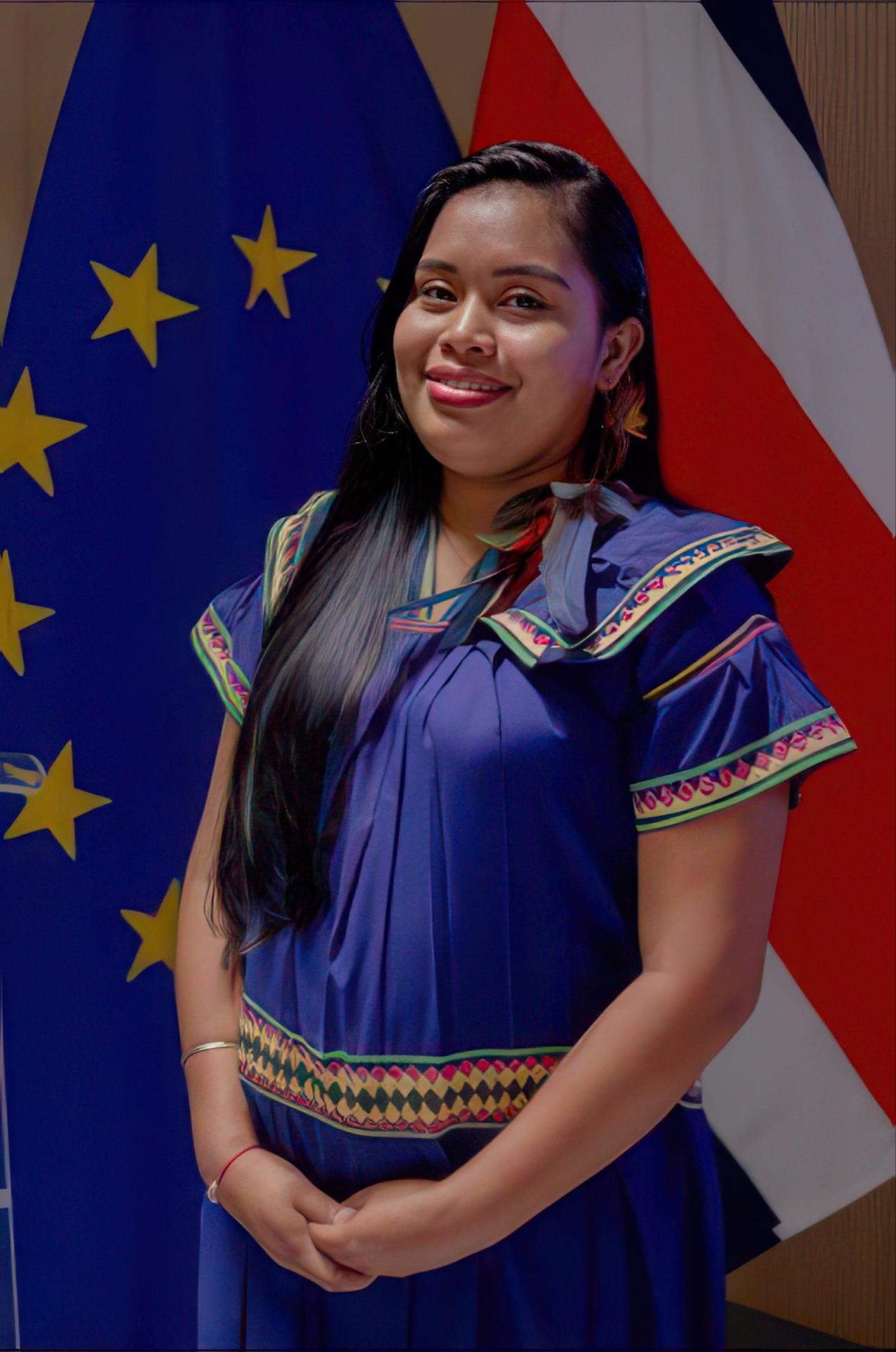
Looking ahead, Pichamba plans to compile a comprehensive photobook from the data she has collected. This publication will serve as a critical tool in safeguarding the Kichwas’ ancestral knowledge from the pervasive forces of globalization, which often threaten to erase their unique histories and epistemologies. By disseminating the rich content of this project within the community and beyond, Pichamba aims to create enduring resources that will significantly enhance the longevity and vitality of her culture and identity, ensuring that the wisdom of the Kichwa Otavalo people continues to flourish.
Broader Implications and Future Directions
The work undertaken by these three Indigenous Youth Fellows, supported by Cultural Survival, carries profound implications that extend far beyond their immediate communities. In an era where Indigenous cultures often face existential threats from assimilationist policies and globalized consumerism, these initiatives represent powerful acts of cultural resilience and self-determination. By actively reclaiming and revitalizing traditional healing practices, these young women are not only preserving invaluable knowledge but also empowering their communities to assert their autonomy and well-being on their own terms.
The emphasis on women’s health and traditional midwifery is particularly significant. These practices are deeply interwoven with the cultural fabric and identity of many Indigenous societies. Their erosion not only impacts health outcomes but also weakens intergenerational bonds and traditional governance structures. The success of these fellows in re-establishing these pathways offers a replicable model for other Indigenous communities facing similar challenges.
The collaboration with modern healthcare providers, as seen in Thalia Jiménez Tomas’s project, suggests a promising avenue for intercultural dialogue and integration. This approach acknowledges the limitations of both traditional and modern medical systems and seeks to create a synergy that benefits Indigenous peoples. By fostering mutual respect and understanding, such collaborations can lead to more equitable and culturally appropriate healthcare delivery.
The creation of documented knowledge, whether through oral histories, workshops, or photobooks, is a crucial strategy for combating the loss of cultural heritage. In a world where information is increasingly digitized, ensuring that Indigenous knowledge is preserved in accessible and culturally relevant formats is paramount. The long-term impact of these projects will be measured not only in the immediate health benefits but also in the strengthened sense of identity, cultural pride, and collective agency they foster among Indigenous youth and elders alike. The Indigenous Youth Fellowship Program, therefore, stands as a beacon of hope, illuminating the enduring strength and adaptability of Indigenous traditions in the 21st century.