The past two years have marked a period of unprecedented upheaval, forcing a massive, rapid-paced experimentation with new ways of working that has fundamentally reshaped our understanding of professional life and its future trajectory. While many questions remain open and data continues to evolve, a clear picture is emerging of a profound shift in the social contract between employees and employers. This transformation has particularly salient implications for Diversity, Equity, and Inclusion (DEI) initiatives, necessitating a critical reassessment of established norms across purpose, people, process & policy, and even polarisation & activism within organisations. This article delves into the critical shifts occurring in workplace processes and policies, offering an enriched perspective on their origins, implications, and future direction.
The Genesis of Transformation: A Global Experiment
When the COVID-19 pandemic swept across the globe in early 2020, it triggered an immediate and involuntary pivot to remote work for millions of knowledge workers. What began as a temporary emergency measure quickly evolved into a sustained, large-scale experiment in distributed work, challenging decades of ingrained workplace practices and assumptions. Companies, initially scrambling to maintain operations, were forced to adapt their infrastructure, communication channels, and management styles almost overnight. This abrupt transition highlighted the surprising resilience of many organisations and, crucially, the viability of working outside traditional office settings for a significant portion of the workforce.
As the initial crisis subsided, a period of reflection began. Employees, having experienced the benefits of greater flexibility, autonomy, and reduced commutes, started to re-evaluate their priorities. Concurrently, employers grappled with how to sustain productivity, foster culture, and manage a workforce that was increasingly vocal about its preferences for new working models. This dynamic interplay between evolving employee expectations and organisational imperatives has been a defining feature of the post-2020 landscape, leading to an undeniable and ongoing re-negotiation of the terms of employment.
Eroding the Status Quo: Challenging Outdated Norms
The forced disruption of the pandemic brought into sharp relief the inefficiencies and inequities embedded within many traditional workplace practices. What was once accepted as "the norm" — from the expectation of "presenteeism" to rigid dress codes and arduous commutes — came under intense scrutiny. Workers, empowered by a tighter labour market and a newfound appreciation for work-life balance, began to articulate a lower tolerance for conditions perceived as detrimental to their well-being and professional growth.
Key areas where the status quo has been decisively challenged include:
- Presenteeism: The notion that physical presence in the office equates to productivity and commitment has been largely debunked. Research from various sources, including studies cited by McKinsey & Company, indicated that productivity often remained stable or even increased for many remote workers, challenging the long-held belief that direct supervision was essential for performance.
- Long Office Commutes: The daily grind of commuting, often consuming hours of personal time, became an immediate casualty of remote work. The environmental, financial, and personal costs associated with these commutes have made a return to pre-pandemic levels undesirable for many.
- Formal Clothing Codes: The shift to virtual meetings led to a more relaxed approach to professional attire, signaling a broader move away from overly formal corporate cultures.
- Poor Working Conditions and Unfair Compensation: The pandemic, coupled with the "Great Resignation" phenomenon, shone a spotlight on systemic issues such as inadequate pay, excessive workloads, and a lack of psychological safety. Employees became more willing to leave roles that did not meet their expectations for fair treatment and compensation.
- The Myth of Meritocracy: The crisis exposed how biases, often masked by an assumed meritocratic system, continued to disadvantage certain groups. The need for transparent, equitable processes for promotion and reward became more apparent.
- Always-On Availability: The blurring of lines between work and home life, particularly during the initial phases of remote work, highlighted the dangers of ‘always-on’ expectations, leading to increased burnout and mental health challenges. This spurred calls for clearer boundaries and policies supporting work-life integration rather than just balance.
- Lack of Psychological Safety: The stresses of the pandemic underscored the critical importance of psychologically safe environments where employees feel comfortable expressing ideas, raising concerns, and making mistakes without fear of retribution. Organizations like Google, through their "Project Aristotle" research, had already highlighted psychological safety as a top predictor of team effectiveness, a lesson amplified by the pandemic.
- Gender Inequality in Family Care: The pandemic disproportionately impacted working mothers, who often bore the brunt of increased childcare and household responsibilities, further exposing persistent gender inequalities in family care and the workplace. This led to renewed calls for more robust and equitable parental leave policies and flexible work arrangements.
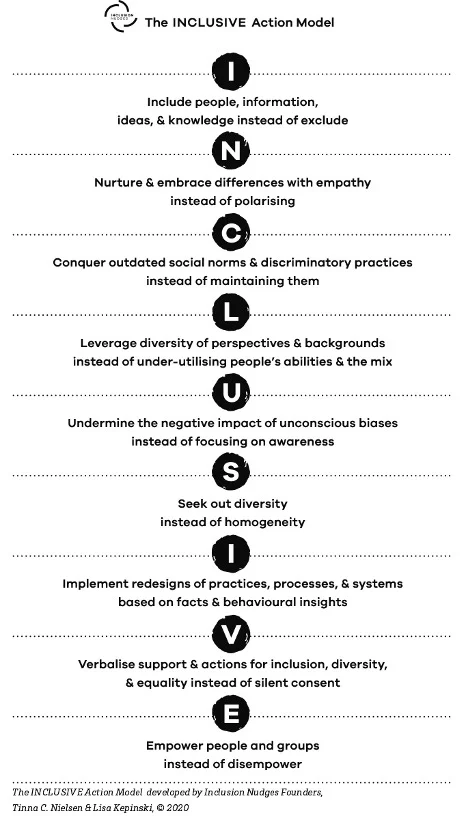
These revelations collectively underscore that many workplaces prior to the pandemic were operating on outdated norms that no longer align with current realities or employee expectations. This presented a valuable opportunity for organisations to critically assess, design, and experiment with new solutions.
The Policy Revolution: Redefining Where and How Work Happens
The most significant policy shift ignited by the pandemic revolves around work location. The question of where work is performed has moved from a fringe benefit to a central pillar of employer attractiveness and employee satisfaction. Data consistently indicates a strong desire among various demographics to retain some form of remote or hybrid work. For instance, a 2021 study by the Future Forum Pulse Report highlighted that the desire for flexible work is particularly strong among women, working parents, and employees of colour, groups who reported gains in employee experience scores while working remotely.
The economic and social ramifications of this shift are profound. Barclays Investment Bank projected that increased flexible working could lead to greater employee diversity, improved work-life balance, and larger talent pools, as geographical limitations become less critical. This democratisation of opportunity, potentially allowing companies to tap into talent markets beyond urban centers, holds immense promise for DEI.
However, the transition is not without its complexities. While a significant portion of the workforce (estimates from McKinsey suggested up to two-thirds of workers) expected more than just one day a week of remote work and were willing to quit if flexibility wasn’t the norm, many organisations initially struggled to articulate a clear strategy. Pre-pandemic, remote work policies were often ad hoc, leading to biases where senior males were more likely to secure remote arrangements, while working mothers faced stigma, and junior staff feared career repercussions for even asking. Research conducted by Lisa and Veronika Hucke in 2019 exemplified this, revealing a stark disparity in remote work access. The pandemic, by normalising remote work for almost everyone, has created a critical window to rectify these historical inequities.
The Peril of Isolation: Why Inclusive Policy Creation Matters
While the imperative for new policies is clear, how these policies are created is arguably as important as their content. A top-down approach, designed in isolation, risks being unfit for purpose, leading to low acceptance and exacerbating inequalities. The Future Forum Pulse Report revealed a striking disconnect: 66% of executives reported designing post-pandemic workforce policies with little to no direct input from their employees. This lack of engagement leads to a significant perception gap, with 66% of executives believing they are "very transparent," while only 42% of workers agree. Such an approach is inherently flawed, missing the opportunity to harness the collective intelligence and diverse perspectives of the workforce.
Excluding employees from the policy-making process can perpetuate existing biases and overlook the nuanced needs of different groups. For instance, policies drafted without input from employees with disabilities might inadvertently create new barriers to inclusion in hybrid models. Similarly, blanket return-to-office mandates, without considering the lived experiences of caregivers or those in diverse geographic locations, can disproportionately impact specific demographic groups, undermining DEI efforts rather than supporting them.
Implications for Diversity, Equity, and Inclusion (DEI)
The shifts in process and policy have a dual impact on DEI. On one hand, they present unprecedented opportunities:
- Expanded Talent Pools: Remote work removes geographical barriers, allowing organisations to recruit from a much wider and more diverse talent pool, including individuals with disabilities, caregivers, and those in different socioeconomic regions.
- Increased Flexibility for Diverse Needs: Flexible work arrangements can be particularly beneficial for women, who often shoulder a disproportionate share of caregiving responsibilities, and for individuals with chronic health conditions or disabilities who benefit from adaptable schedules and environments.
- Reduced Bias in Office Politics: For some, remote work can mitigate certain forms of unconscious bias or exclusionary social dynamics often present in physical office environments.
- Focus on Output, Not Presence: A shift to results-oriented work, rather than "presenteeism," can create a more equitable evaluation system, potentially reducing biases related to visible effort versus actual impact.
On the other hand, new policies, if not carefully designed and implemented, can introduce new challenges or exacerbate existing inequalities:
- Proximity Bias: In hybrid models, there’s a risk of proximity bias, where managers subconsciously favour employees who are physically present in the office, potentially leading to unequal access to mentorship, promotion opportunities, and informal networking for remote workers.
- Digital Divide: Unequal access to reliable internet, suitable home office setups, or digital literacy can create a new form of exclusion for certain employees.
- Inclusion of Frontline Workers: Many policy discussions around remote work disproportionately focus on knowledge workers, potentially overlooking the needs and experiences of frontline and essential workers who cannot work remotely, creating a two-tiered system.
- Erosion of Informal Networks: The casual interactions that often build strong professional relationships and provide informal mentorship can be harder to replicate in a purely remote or poorly structured hybrid environment, potentially impacting employees from underrepresented groups who rely on these networks.
Therefore, the collective pandemic-era call to action is clear: policies must be rigorously assessed for their fitness for current and future states. This necessitates using comprehensive data and input from all levels of the organisation to co-create solutions that integrate behavioural insights and are implemented with agile experimentation.
The Path Forward: Co-Creation, Agility, and Behavioural Insights
Moving beyond the ad hoc responses of the early pandemic, organisations are now tasked with intentionally designing sustainable, equitable, and effective work models. This requires a strategic approach built on:
- Data-Driven Assessment: Regularly collecting and analysing data on employee preferences, productivity, well-being, and DEI outcomes across different working models. This data should be disaggregated by various demographic factors to identify specific needs and potential disparities.
- Inclusive Co-Creation: Actively involving employees from all levels and functions in the design of new policies. This can be achieved through surveys, focus groups, employee resource groups (ERGs), and cross-functional task forces. Engaging employees fosters a sense of ownership, increases acceptance, and ensures policies are truly fit for purpose.
- Integration of Behavioural Insights: Designing policies that account for human psychology and unconscious biases. This includes using "inclusion nudges" – subtle changes in design that guide behaviour towards more inclusive outcomes. Examples include making flexible working the default, transparently communicating promotion criteria for hybrid teams, or designing meeting protocols that ensure remote participants have equal voice.
- Agile Experimentation and Iteration: Recognizing that the future of work is still evolving, organisations should adopt an agile mindset. This involves piloting new policies, collecting feedback, and iterating based on real-world results, rather than implementing rigid, one-size-fits-all solutions. This continuous improvement loop is crucial for adapting to changing circumstances and employee needs.
Conclusion: Navigating the New Frontier of Work
The tumultuous period of the pandemic has irrevocably altered the landscape of work, pushing organisations into a new frontier where traditional processes and policies are no longer sufficient. The urgency to redefine where and how work happens presents a monumental opportunity – and a significant challenge – for advancing Diversity, Equity, and Inclusion.
Organisations that embrace this moment as a chance to fundamentally re-think their social contract with employees, moving away from outdated norms towards inclusive, data-driven, and co-created policies, will be best positioned to attract and retain top talent, foster innovation, and build resilient, equitable workplaces for the future. Failing to do so risks not only a decline in employee satisfaction and productivity but also a regression in hard-won DEI gains. The ongoing journey demands thoughtful leadership, continuous engagement, and a commitment to building a workplace that serves the needs of all its people in this highly ambiguous and fast-changing era.