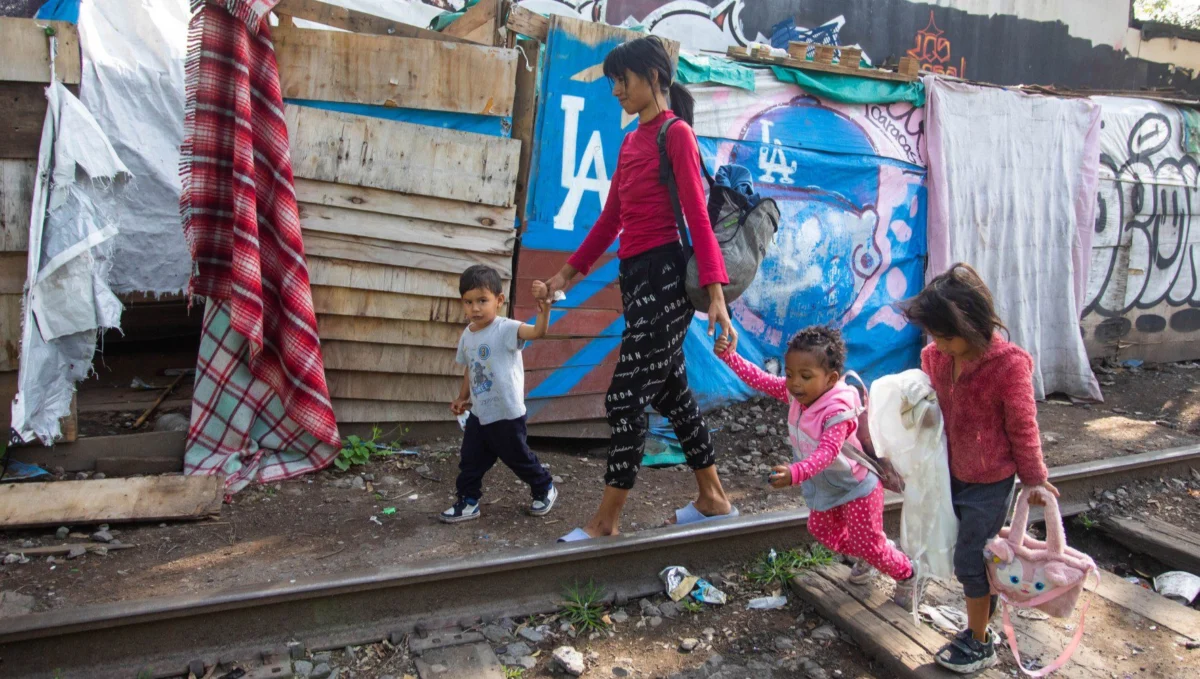
Protecting the safety and rights of refugees is not merely a charitable act; it is a profound legal and moral obligation deeply embedded in international agreements, national laws, and fundamental humanitarian principles. As the global landscape continues to grapple with unprecedented displacement, understanding the legal framework that underpins refugee protection is more critical than ever. This in-depth analysis explores the historical evolution, current status, and persistent challenges surrounding these vital obligations, particularly as they pertain to the United States.
The Genesis of International Refugee Law
The concept of offering sanctuary to those fleeing persecution has ancient roots, but the modern international legal framework for refugee protection was forged in the crucible of 20th-century global conflict. The devastation of World War II and the Holocaust served as a stark catalyst, compelling nations to establish a universal accord that would prevent such atrocities from recurring and ensure a standardized approach to aiding those displaced by war and persecution.
The cornerstone of this framework is the 1951 Convention Relating to the Status of Refugees, supplemented by its 1967 Protocol. This landmark agreement, adopted under the auspices of the United Nations, provided the first universally accepted definition of a "refugee." A refugee, as defined by the Convention, is a person who, "owing to a well-founded fear of being persecuted for reasons of race, religion, nationality, membership of a particular social group, or political opinion, is outside the country of his nationality, and is unable or, owing to such fear, is unwilling to avail himself of the protection of that country."
Crucially, the Convention enshrines the principle of non-refoulement, a prohibition against returning refugees to territories where their lives or freedom would be at risk. It also affirms the right of refugees to seek asylum, access to legal systems, education, employment, and essential social services, emphasizing the imperative of non-discrimination in their treatment. The 1967 Protocol expanded the Convention’s scope, removing the original geographical limitations that had initially confined its application primarily to individuals displaced by events in Europe.
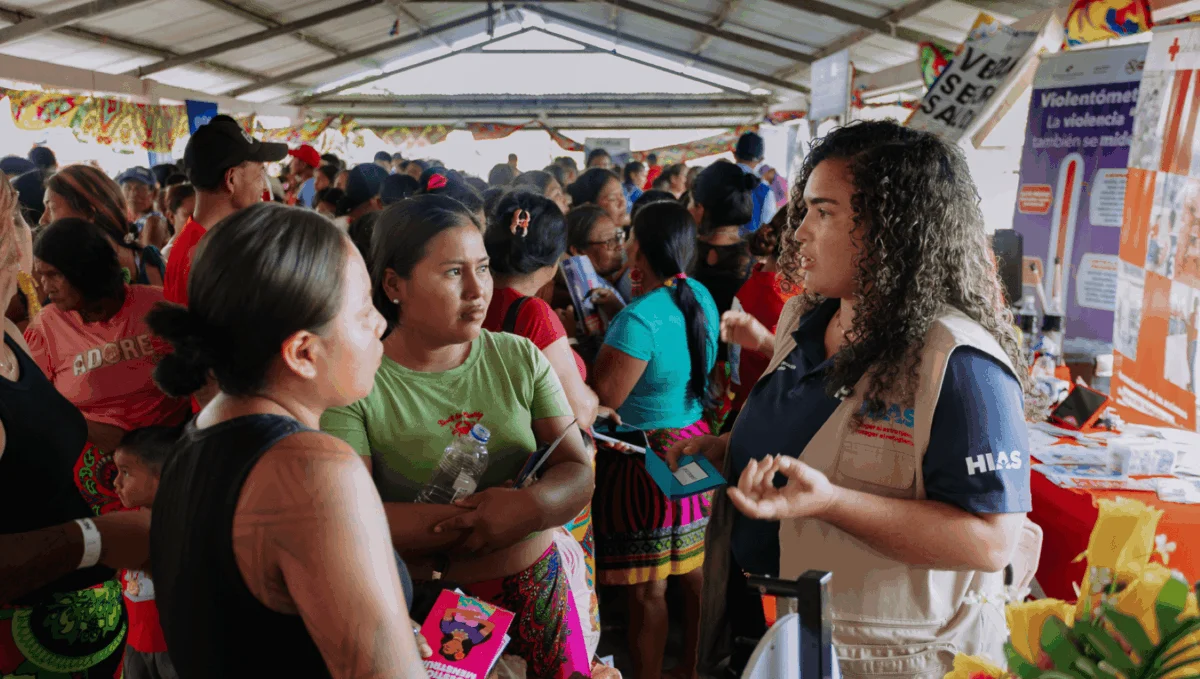
Today, the United Nations High Commissioner for Refugees (UNHCR) serves as the principal international body tasked with coordinating global efforts in refugee protection and assistance. Organizations like HIAS (formerly the Hebrew Immigrant Aid Society) work in close collaboration with UNHCR, advocating for refugee rights and providing essential services to displaced populations across various regions, ensuring a more coordinated and impactful response to humanitarian crises.
U.S. Refugee Legal Obligations: A Historical Commitment Under Strain
Within the United States, the legal architecture for refugee protection has evolved significantly over decades, reflecting both domestic legislative action and adherence to international commitments. The Immigration and Nationality Act (INA) of 1965 serves as the foundational statute governing U.S. immigration policy, including provisions for asylum and refugee status. This act, in conjunction with the Refugee Act of 1980, brought U.S. domestic law into alignment with the principles of the 1951 Refugee Convention.
The Refugee Act of 1980 was a pivotal piece of legislation. It formally established the U.S. Refugee Admissions Program (USRAP), creating a structured and systematic process for admitting refugees into the country. The Act also codified procedures for individuals to apply for asylum while physically present in the United States, allowing them to present evidence of a well-founded fear of persecution based on protected grounds. Furthermore, it provided a pathway for resettled refugees in the U.S. to eventually attain legal permanent residency and U.S. citizenship, affirming a commitment to long-term integration and support.
USRAP operates on the principle of identifying and resettling refugees abroad who have been recognized as such by UNHCR or other designated authorities. These individuals undergo extensive security and health screenings before being admitted to the U.S. HIAS, as one of the nation’s nine authorized resettlement agencies, plays a vital role in this process, partnering with the federal government to facilitate the reception and integration of refugees into American communities.
Under these legal frameworks, resettled refugees in the U.S. are granted the right to work, access public education, and apply for permanent residency after one year of resettlement. They also possess the right to petition for their immediate family members to join them in the U.S., a provision known as family reunification. These rights underscore a historical commitment by the United States to uphold humanitarian principles and offer refuge to those fleeing persecution.

The Trump Administration’s Assault on Refugee Rights and Asylum Access
The landscape of refugee protection in the United States has been significantly altered, particularly during the Trump administration. From its inception, the administration implemented policies that aggressively challenged and weakened established protections for refugees and asylum seekers. These actions, often pursued without explicit consideration of international legal obligations or escalating global humanitarian needs, led to widespread concern among human rights organizations and international bodies.
One of the earliest and most impactful actions was the temporary suspension of USRAP shortly after the administration took office in 2017. This move left thousands of refugees in precarious situations, their resettlement journeys abruptly halted. Subsequently, the administration set historically low refugee admission ceilings and initiated reviews of previously approved refugee cases, causing considerable anxiety for individuals already resettled and seeking to rebuild their lives in the U.S. These policies were seen by many as a departure from the nation’s long-standing commitment to providing refuge.
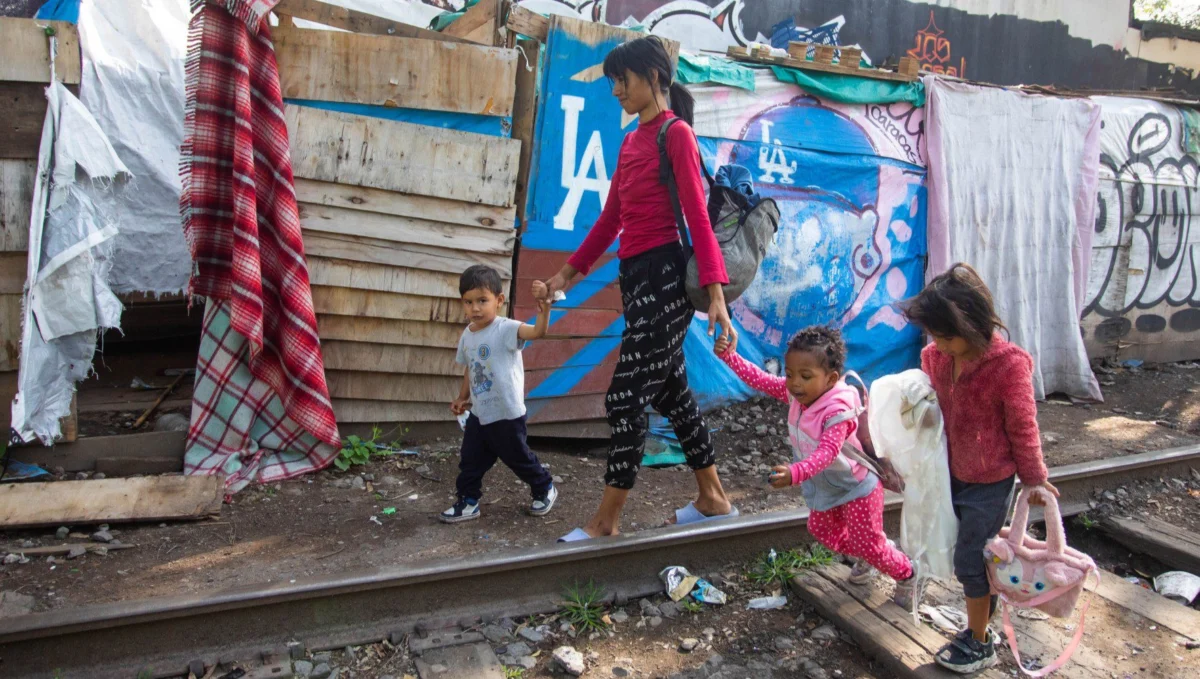
Beyond the direct assault on refugee resettlement, the administration significantly curtailed access to asylum at the U.S.-Mexico border. Policies such as the "Remain in Mexico" program (officially known as the Migrant Protection Protocols) and various "asylum bans" effectively prevented individuals fleeing violence and persecution from seeking protection in the United States. These measures created immense logistical and humanitarian challenges, forcing asylum seekers to wait in dangerous conditions in Mexico or to abandon their claims altogether. The administration also implemented stricter criteria and expedited removal processes, making it more difficult for individuals to have their asylum claims fairly adjudicated.
Furthermore, the Trump administration pursued a robust mass deportation program. This included increased enforcement actions, high-profile raids, and the removal of individuals from their homes and workplaces. The implementation of "third-country deportations," sending individuals to countries where they faced significant danger, drew particular criticism for its disregard of the principle of non-refoulement. These well-funded operations often resulted in forceful and, in some instances, unlawful removals, contributing to an atmosphere of fear and instability within immigrant communities.
In response to these challenges, HIAS and other organizations expanded their legal and social services to assist asylum seekers and refugees. This included providing direct legal representation, social support, and advocacy to counter the administration’s policies. HIAS also engaged in significant legal challenges, filing lawsuits aimed at protecting refugee rights and ensuring fair processes for asylum seekers. These legal battles, while often protracted, resulted in some positive outcomes, helping to reunite families and facilitate the resettlement of vulnerable individuals.
The Supreme Court and the Future of Asylum at the Border
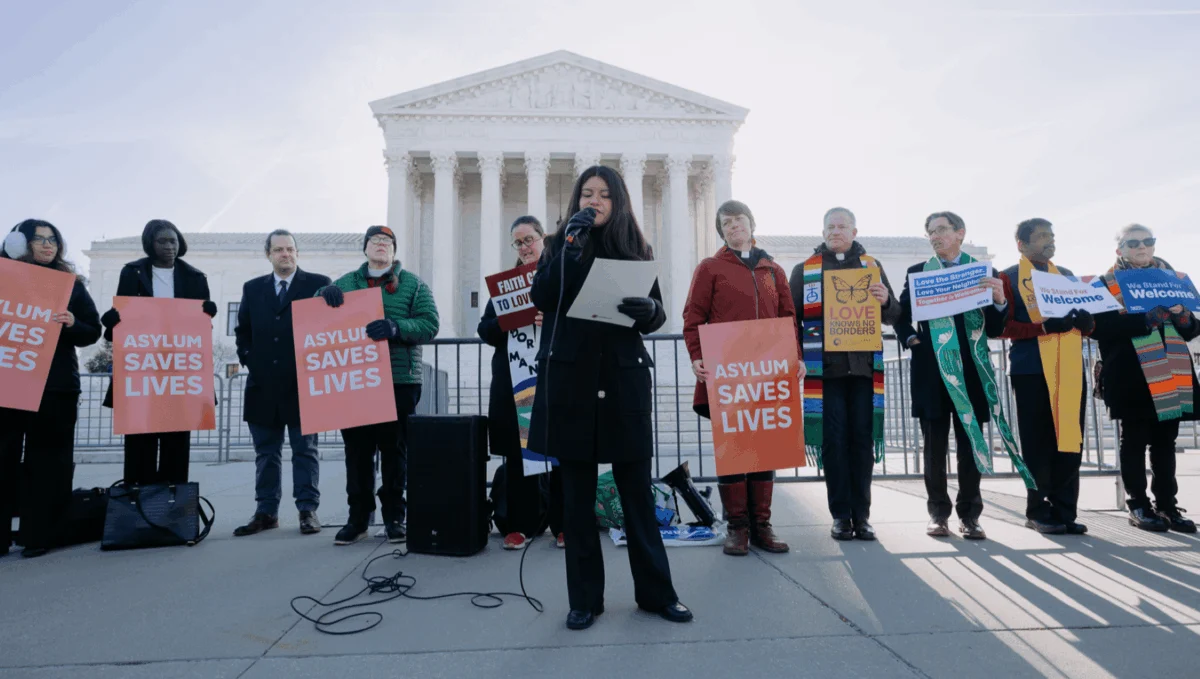
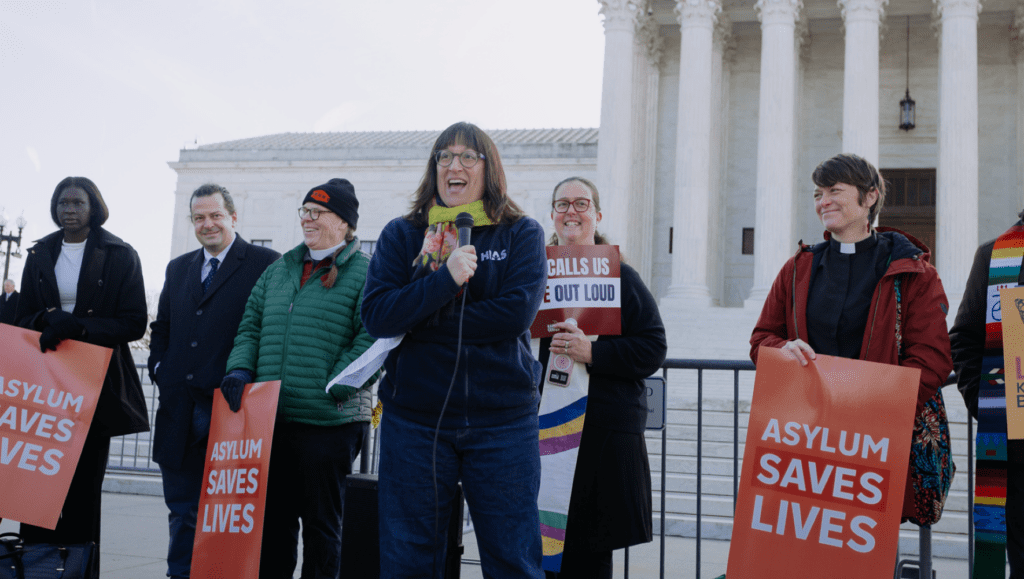
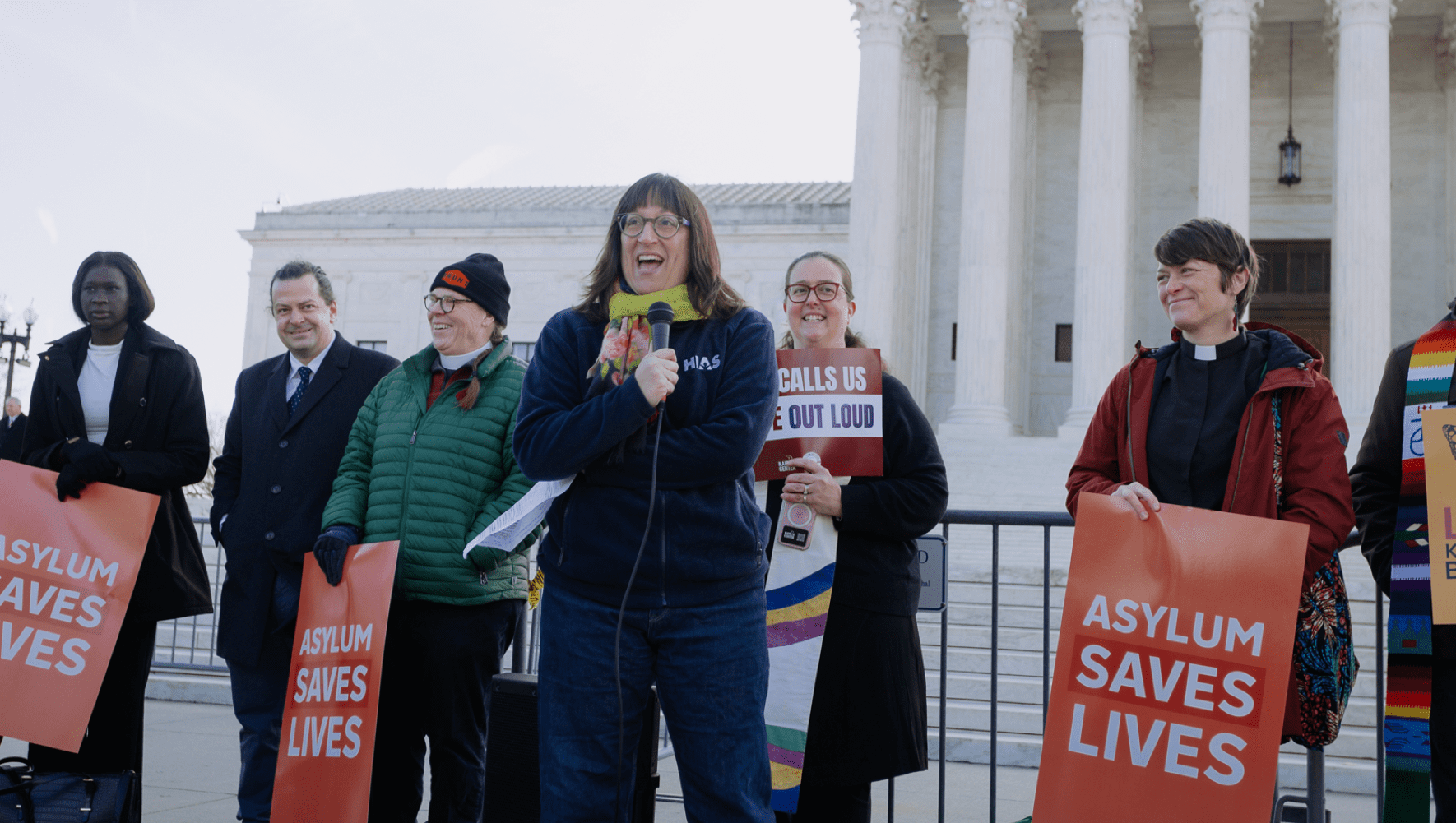
The ongoing legal battles over asylum at the U.S.-Mexico border underscore the fragility of these protections. The Supreme Court case, Mullin v. Al Otro Lado, heard on March 24, 2026, represents a critical juncture in determining the future of asylum access for individuals arriving at the U.S.-Mexico border. HIAS, along with other organizations, filed an amicus brief in this case, emphasizing the legal and moral imperative to uphold the right to seek asylum. The Court’s decision in this matter will have profound implications for thousands of individuals fleeing violence and persecution, potentially shaping the landscape of U.S. asylum policy for years to come. The image of HIAS’s VP for U.S. Policy and Advocacy, Naomi Steinberg, speaking at a rally outside the Supreme Court during the hearing, captured the urgency and significance of this legal challenge.
Broader Impact and Implications
The erosion of refugee protections and asylum access has far-reaching consequences, not only for the individuals directly affected but also for the broader principles of international humanitarian law and the moral standing of nations. When legal pathways to safety are obstructed, individuals are often forced into more dangerous journeys, making them vulnerable to exploitation, trafficking, and further violence. The dismantling of robust refugee resettlement programs also impacts the communities that would have welcomed these individuals, depriving them of the economic and cultural contributions that refugees often bring.
The weakening of these protections can embolden other nations to adopt similar restrictive policies, creating a domino effect that further destabilizes the global refugee system. It undermines the very foundations of international cooperation and shared responsibility that are essential for addressing large-scale humanitarian crises.
The ongoing efforts by organizations like HIAS, through direct service, advocacy, and legal challenges, are crucial in pushing back against these restrictive trends. By highlighting the legal obligations, providing essential support, and mobilizing public opinion, these organizations strive to ensure that the principles of refugee protection are upheld and that vulnerable populations can find safety and dignity. The fight to defend these rights is not just about legal interpretations; it is about reaffirming a commitment to humanity and ensuring that those fleeing persecution are not abandoned. The updated article on May 18, 2026, reflects the continued evolution of this critical struggle, emphasizing that the legal and moral imperative to protect refugees remains as strong as ever.