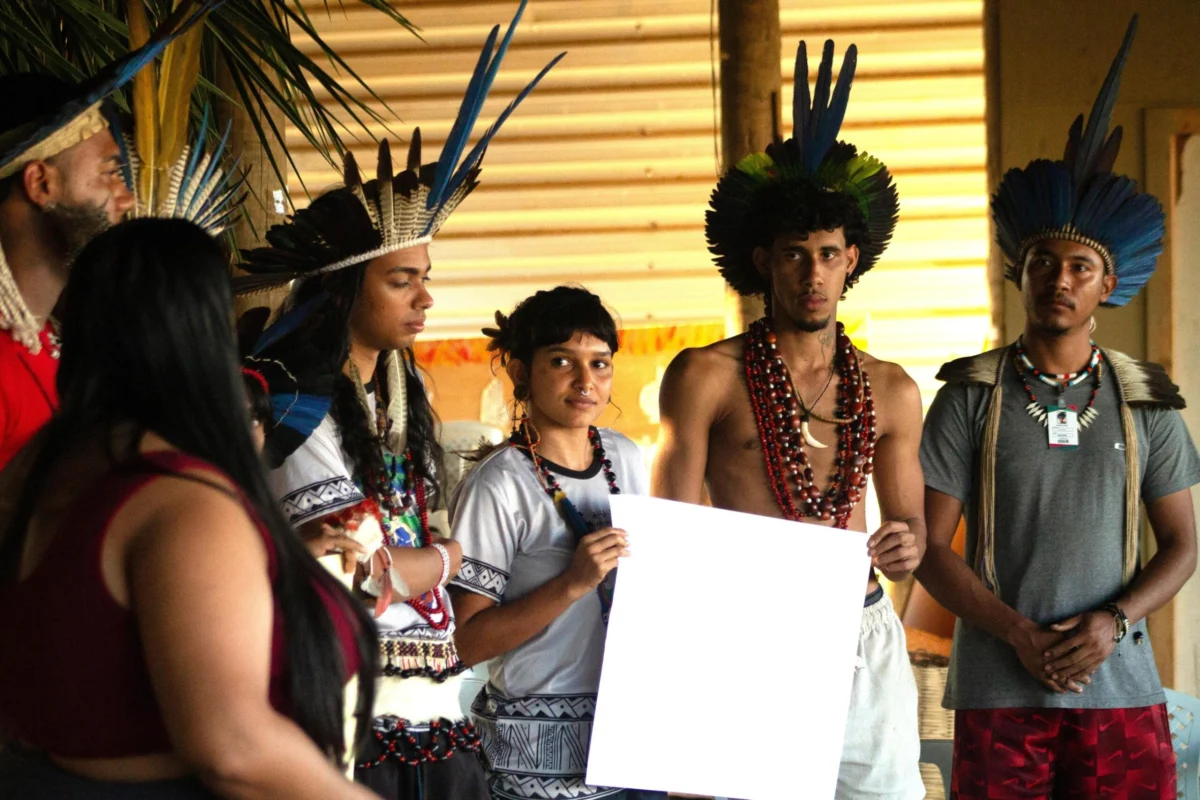
The Payayá Territory, nestled within the municipality of Utinga and serving as a vital gateway to Brazil’s Chapada Diamantina region, became the crucible of ancestral communication and fierce resistance for Indigenous Peoples from July 10-12, 2026. This seminal event, the 1st Meeting of Indigenous Youth Communicators of Bahia, convened a diverse assembly of leaders, revered Elders, dynamic youth from numerous ethnic groups, and supportive partner organizations. Their collective mission was unequivocal: to fortify the defense of their ancestral lands and cultural heritage through the strategic deployment of communication technologies and the enduring power of traditional knowledge. Spearheaded by the Indigenous Youth Council of Bahia (COJIBA), this groundbreaking gathering masterfully fused the innovative potential of new media with the profound wisdom of the Elders, solidifying communication as an indispensable instrument in their ongoing struggles and the preservation of their distinct cultural identities.
Genesis and Context: A Need for Empowered Voices
The impetus for the 1st Meeting of Indigenous Youth Communicators of Bahia can be traced to a growing recognition within Indigenous communities across Bahia of the critical need to control their own narratives. In an era marked by escalating environmental degradation, land grabbing, and the persistent threat of cultural assimilation, Indigenous Peoples have increasingly found themselves at the forefront of defending their territories and rights. Traditional communication channels, while deeply significant, often struggle to reach broader audiences or counter the often-misleading narratives disseminated by external entities.
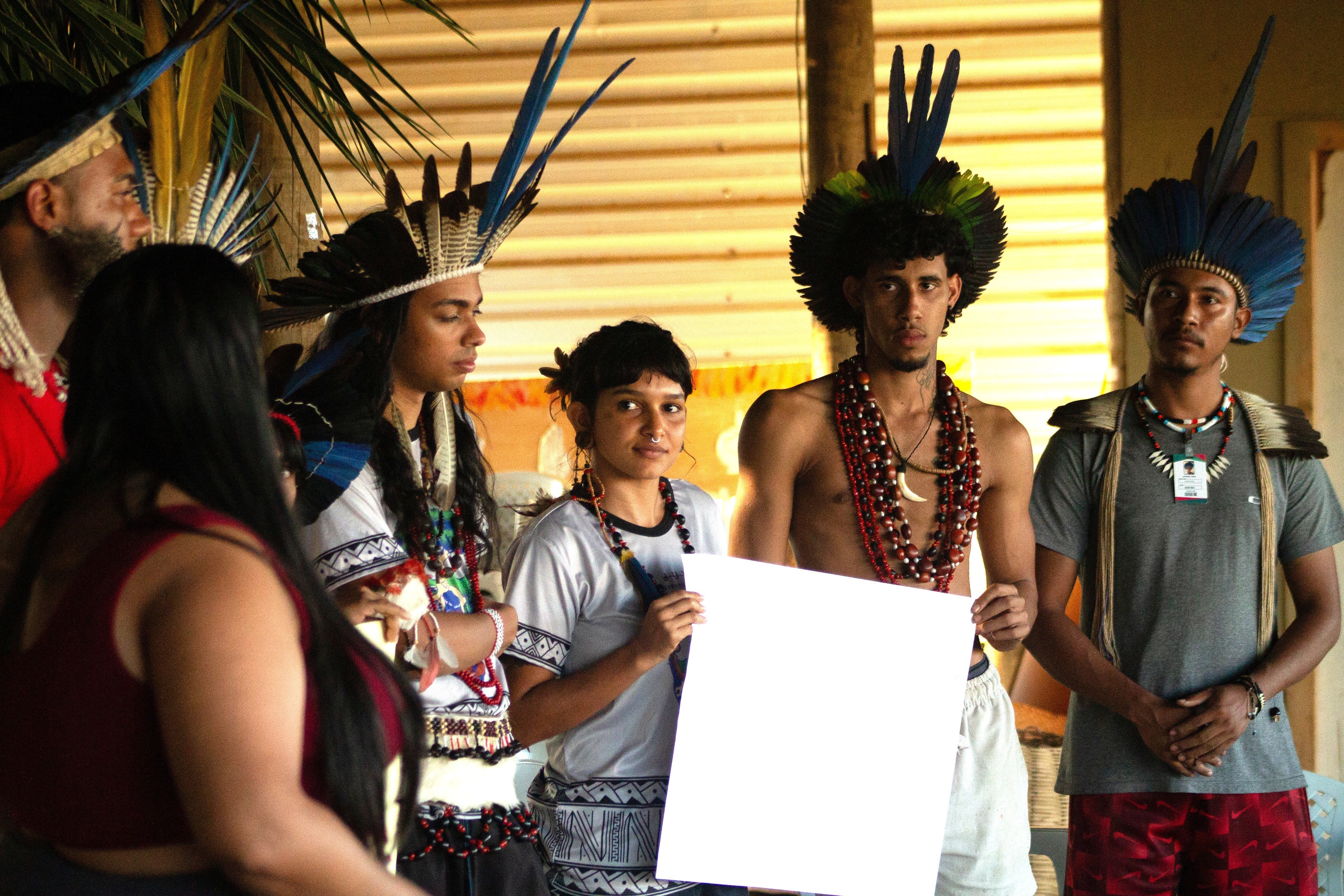
Bahia, a state rich in Indigenous history and cultural diversity, is home to numerous ethnic groups, including the Pataxó, Tupinambá, Kiriri, Kaimbé, Tumbalalá, Pankará, Wassu Caxi, and the host Payayá. Many of these communities face significant challenges, from the impacts of large-scale agricultural projects and mining operations to the encroachment of urban development. The lack of consistent and accurate representation in mainstream media often perpetuates stereotypes and hinders efforts to secure land rights and protect sacred sites. Recognizing this critical gap, COJIBA, an organization dedicated to empowering Indigenous youth and fostering inter-tribal solidarity, identified a pressing need to equip young Indigenous individuals with the skills and networks necessary to become effective communicators and advocates for their peoples. The 2026 meeting was envisioned as a direct response to this need, aiming to cultivate a new generation of Indigenous storytellers capable of leveraging modern media to amplify their voices and safeguard their heritage.
A Rhythmic Beginning: Embracing Heritage and Hospitality
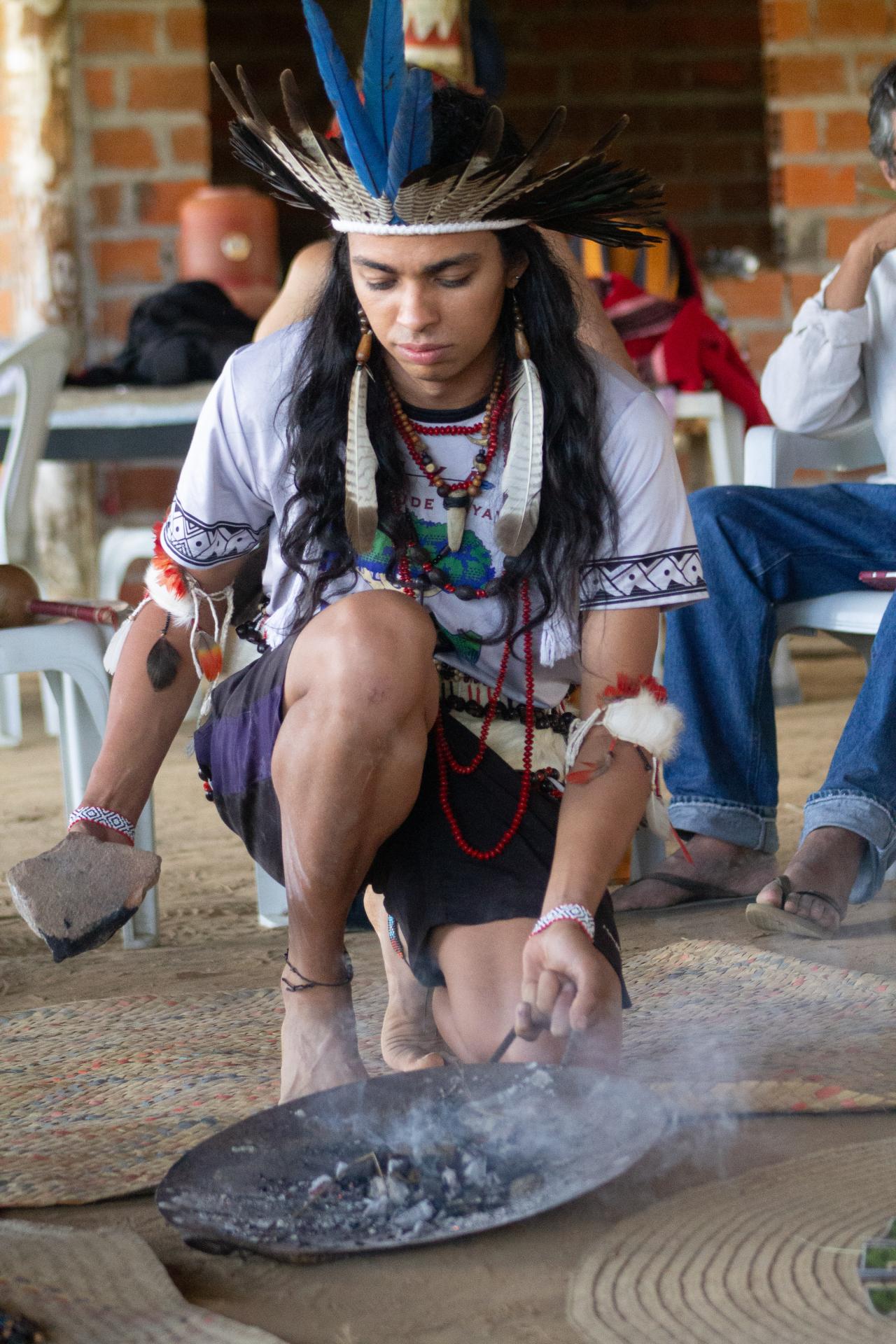
The convergence of Indigenous delegates within the Payayá Territory commenced with a series of profound traditional arrival rituals. These ceremonies served as a vital conduit, seamlessly connecting participants to the deep spirituality and the very soil of the Payayá ancestral lands. This profound connection to place was further enhanced by the extraordinary hospitality extended by the host community. Attendees were warmly welcomed with an array of rich, authentic traditional meals that showcased the culinary heritage of the region. The menu featured delicacies such as banana moqueca, a savory and hearty plantain stew, and cuscuz com licuri, a delightful steamed cornmeal dish infused with the unique flavor of the licuri palm nut, complemented by an abundance of vibrant local fruits. These shared culinary experiences were not merely moments of sustenance and leisure; they fostered a sense of unity and mutual respect, laying a strong foundation for the intensive work that lay ahead.
Experiential Learning: Walking Through History and Ecology
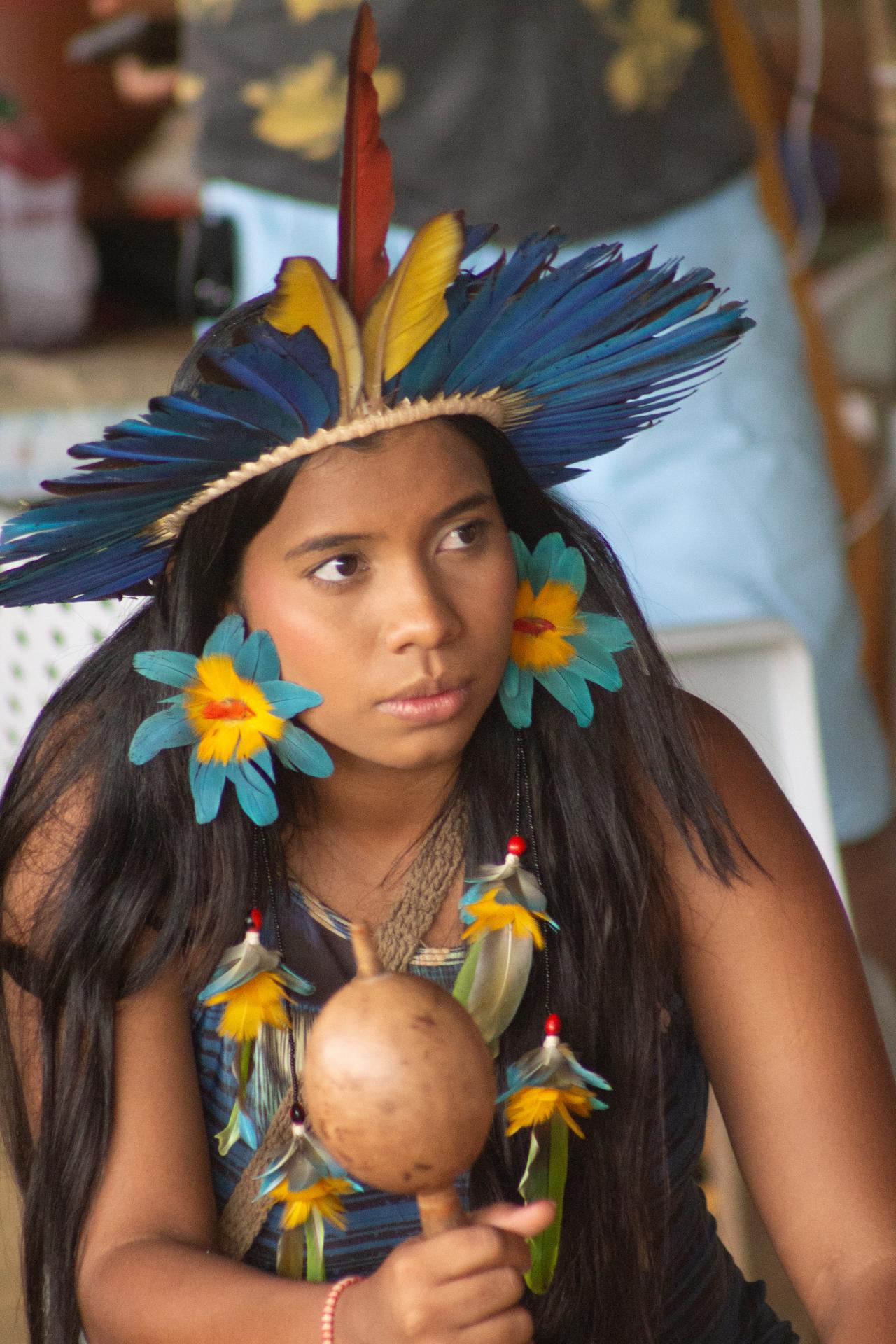
Integral to the immersive experience were guided excursions through the Payayá Territory. These walks transcended mere sightseeing, functioning as dynamic, practical lessons that provided deep historical and environmental contextualization. Each natural site visited was accompanied by an in-depth explanation of its profound ecological significance and its sacred importance to the Payayá people. These excursions offered participants a tangible connection to the land they were committed to protecting, illustrating firsthand the intricate relationship between Indigenous cultures and their natural environments. The Elder guides shared ancestral knowledge passed down through generations, detailing the medicinal properties of plants, the migratory patterns of animals, and the spiritual narratives woven into the landscape. This experiential learning underscored the vital importance of territorial defense not just as a political or social issue, but as a fundamental spiritual and ecological imperative.
The Voice of the Elders: Bridging Generations, Strengthening Narratives
A cornerstone of the event was the presence and wisdom of Chief Juvenal Payayá, a distinguished leader whose insights resonated deeply with all in attendance. Chief Juvenal Payayá shared invaluable ancestral stories, emphasizing the critical importance of meticulously recording and disseminating these memories. He underscored the power of having these narratives told and shared through the hands and voices of Indigenous people themselves, thus reclaiming agency over their own history and identity. His words provided a powerful reminder of the enduring legacy of Indigenous knowledge and the necessity of its transmission to younger generations.
"The Meeting of Youth Communicators here in the Payayá Territory, I believe, is a significant milestone for the entire Indigenous movement," Chief Juvenal Payayá articulated, his voice carrying the weight of experience and foresight. "It is here that the old ways meet the new tools. It is here that we empower our youth to speak our truths to a world that too often misunderstands or ignores us. This gathering is not just about learning to use a camera or a microphone; it is about learning to wield our voices with strength, with accuracy, and with the full power of our ancestors behind us." This sentiment encapsulated the overarching spirit of the meeting: a harmonious blend of tradition and innovation aimed at amplifying Indigenous voices on a global scale.
A Curriculum of Empowerment: Dialogue and Digital Dexterity
Over the three days of intense immersion, the program was meticulously structured to foster both intellectual engagement and practical skill development. A significant portion of the agenda was dedicated to dialogue circles, where participants engaged in profound discussions about diverse Indigenous cosmovisions – their unique ways of understanding the universe, their place within it, and their relationship with the natural and spiritual worlds. These circles provided a vital platform for inter-ethnic understanding and the sharing of collective wisdom.
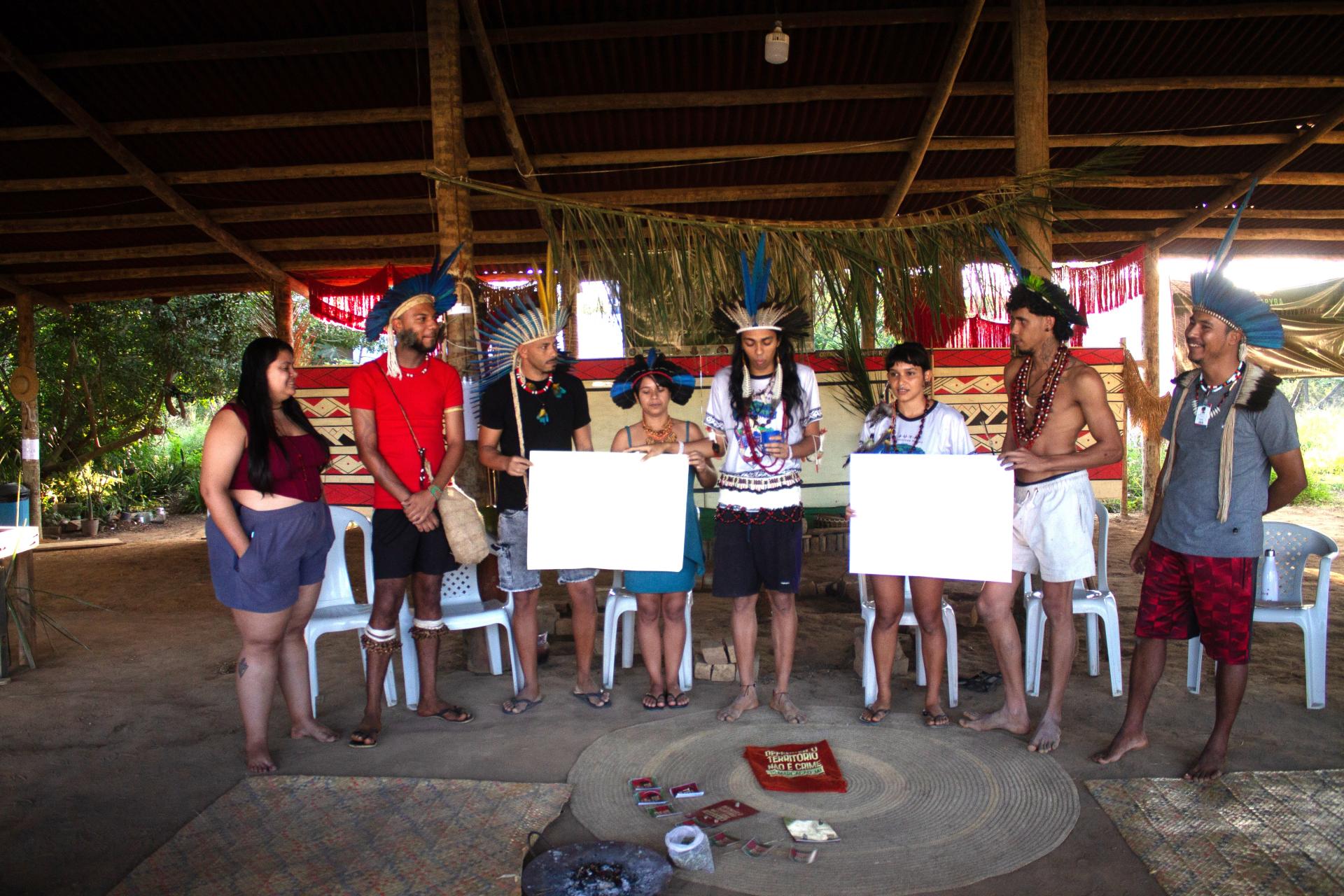
Concurrently, a series of hands-on workshops equipped the young communicators with essential contemporary media skills. These practical sessions focused on the strategic production of digital content, advanced photography techniques for impactful storytelling, and the fundamental principles of journalistic coverage. Participants learned about framing compelling narratives, capturing evocative imagery, and crafting clear, concise, and persuasive written content. The workshops emphasized ethical considerations in reporting, particularly concerning Indigenous communities, and the importance of obtaining informed consent and respecting cultural protocols. The integration of these technical skills with the rich tapestry of Indigenous knowledge aimed to create communicators who were not only proficient in their craft but also deeply rooted in their cultural identity and understanding of the issues facing their peoples.
Navigating Peril: The Political Imperative and Safety Protocols
The discourse at the meeting extended far beyond the acquisition of technical proficiencies. A central and critical theme that emerged from the panel discussions was the profound political role and inherent responsibility that accompanies being an Indigenous communicator. In an era marked by escalating territorial disputes, resource exploitation, and human rights violations, the act of communication itself has become a form of resistance. The safety and security of these young communicators, who often operate in challenging and sometimes hostile environments, were a paramount concern.
Participants engaged in earnest discussions to devise robust strategies for both digital and physical protection. This included exploring methods to safeguard their online presence, counter misinformation campaigns, and protect themselves from potential threats and retaliation stemming from their reporting on human rights abuses within their communities. The urgency of these discussions was underscored by recent incidents across Brazil where Indigenous activists and communicators have faced harassment, intimidation, and even violence for documenting and denouncing illegal activities such as deforestation, illegal mining, and land invasions. The meeting acknowledged that empowering Indigenous communicators also necessitates providing them with the tools and knowledge to navigate these risks safely and effectively. The establishment of a secure communication network and mutual support system was identified as a crucial outcome of this critical dialogue.
Looking Ahead: A Network of Resilience and Amplified Voices
The 1st Meeting of Indigenous Youth Communicators of Bahia, by masterfully unifying cutting-edge technology with the timeless wisdom of tradition, marked a pivotal moment. COJIBA and the engaged young participants took a decisive stride forward, ensuring that the narratives surrounding the Indigenous Peoples of Bahia will increasingly be told from their own perspectives, with their own voices, and according to their own understandings. This initiative is a crucial step in dismantling colonial narratives and asserting Indigenous self-determination in the realm of information and representation.
The conclusion of this seminal meeting was not merely the graduation of more skilled communicators; it signified the formation of a strengthened, interconnected network of support and mutual protection. This network is now poised and prepared to amplify the voices, the struggles, and the enduring resistance of the Indigenous villages of Bahia to the wider national and international stage. The impact of this gathering is expected to resonate for years to come, fostering greater awareness, solidarity, and tangible support for Indigenous rights and territorial integrity across Brazil. The commitment to "tell our own stories" has been invigorated, promising a future where Indigenous perspectives are not only heard but are central to the global conversation about justice, sustainability, and human rights. The seeds sown in the Payayá Territory are expected to yield a harvest of empowered voices, capable of shaping a more equitable and informed future for all.