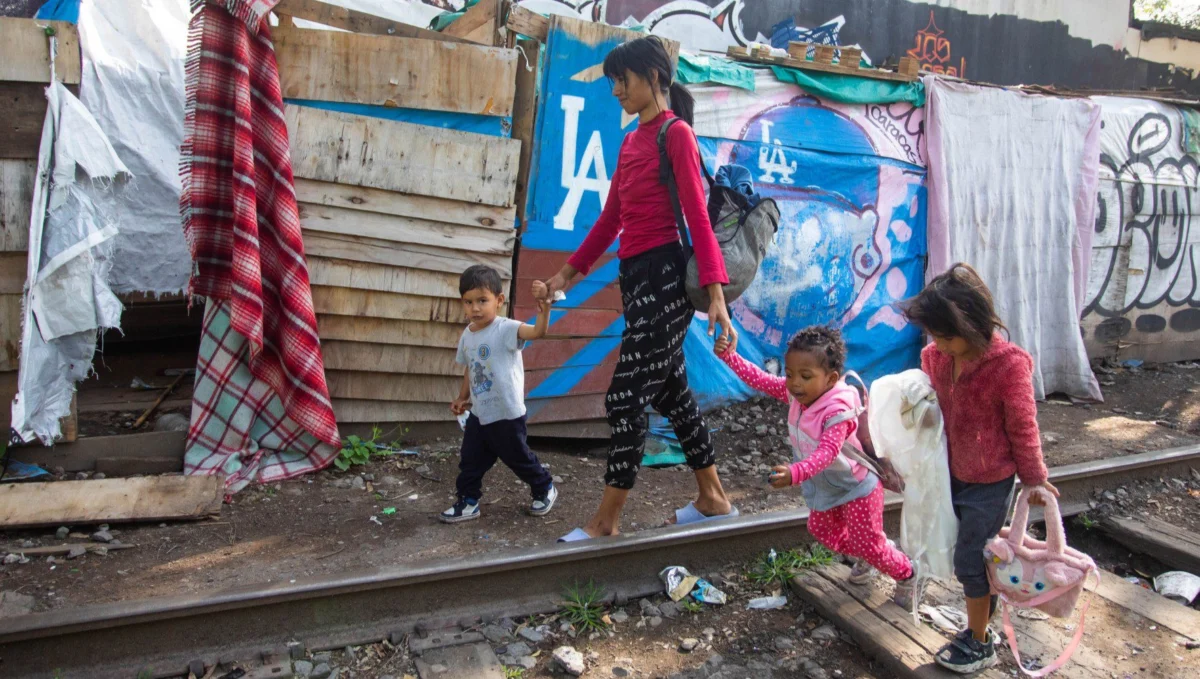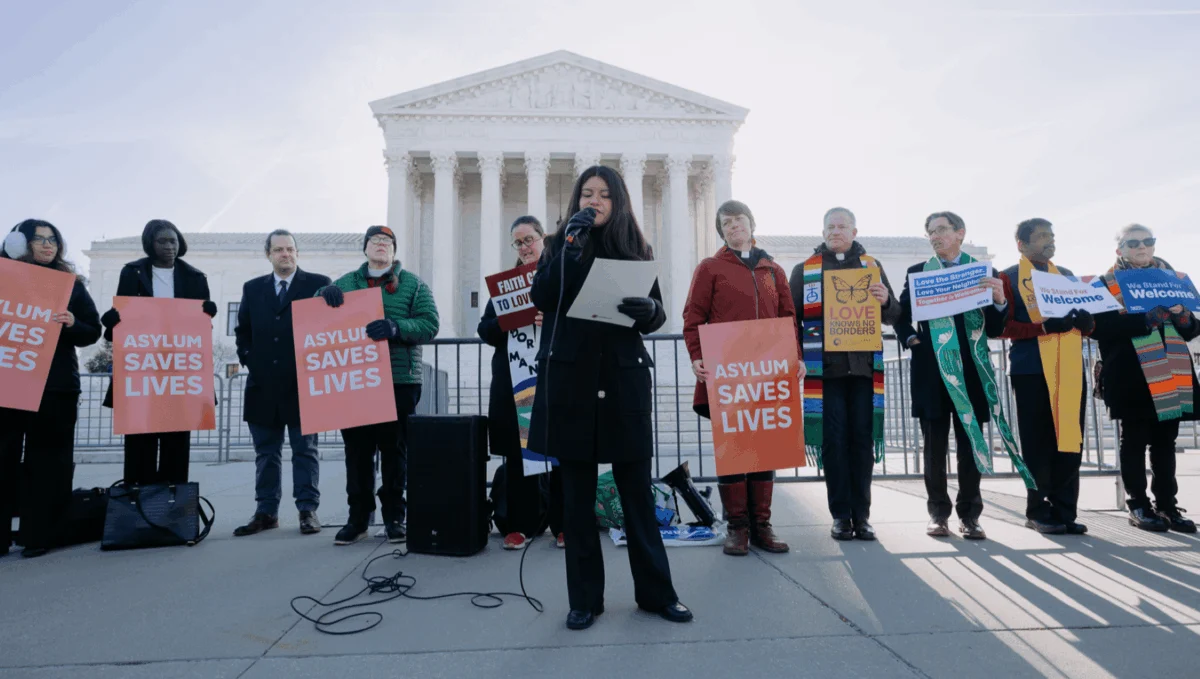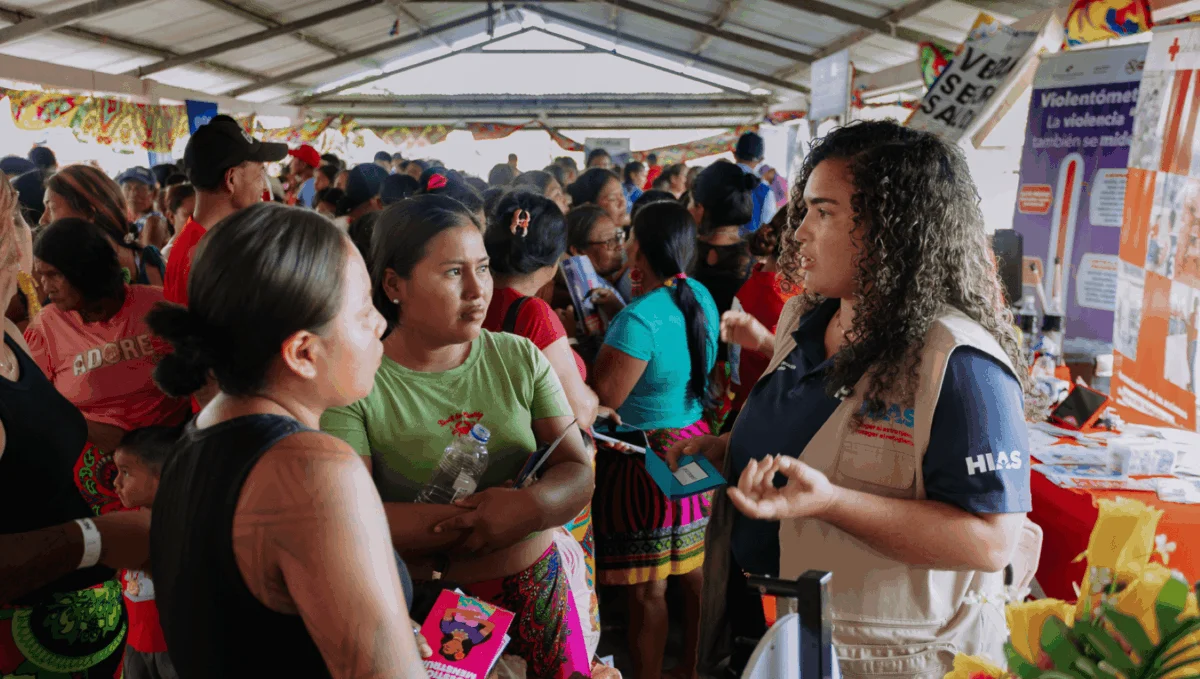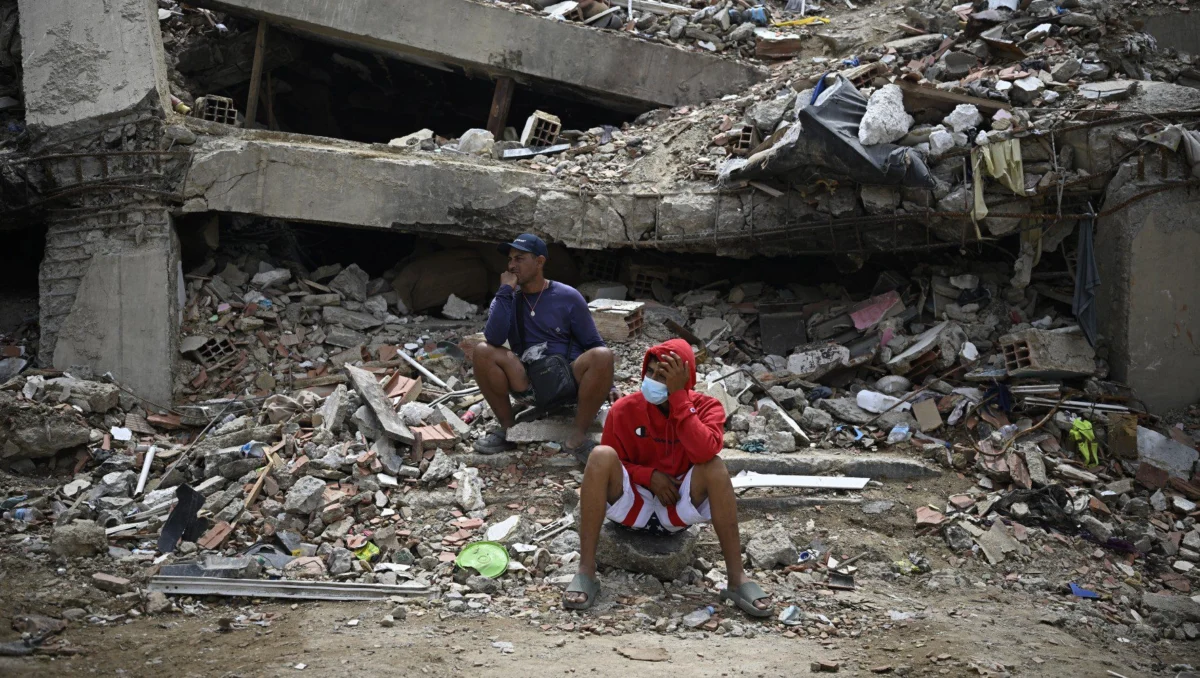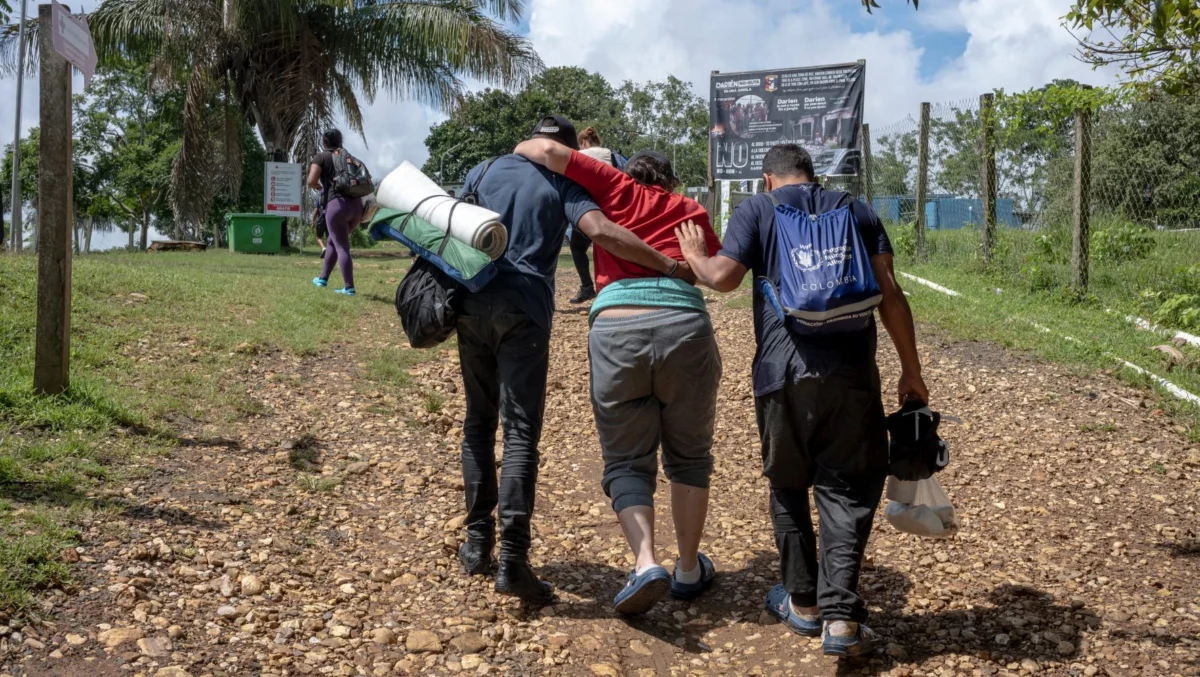
Seventy-five years ago, a landmark agreement, the 1951 Refugee Convention, was established with the solemn purpose of preventing a recurrence of the atrocities witnessed during World War II by creating safe pathways for individuals fleeing persecution and violence. This foundational document, a testament to international solidarity, was intended to offer a shield of protection and a beacon of hope. However, as the world observes World Refugee Day in 2026, the rights and well-being of refugees and displaced persons are facing unprecedented challenges, subjected to a relentless barrage of attacks that threaten to erode the very principles of the Convention.
In this critical juncture, a recommitment to supporting refugees, asylum seekers, and all individuals displaced by conflict and persecution is not merely an act of compassion but a moral imperative. To illuminate the strength and resilience of those navigating these formidable circumstances, HIAS is highlighting the inspiring journeys of five individuals who are not only surviving but actively rebuilding their lives against overwhelming odds. Their stories, spanning entrepreneurship, education, and advocacy, serve as powerful testaments to the enduring human spirit’s capacity to find hope, courage, and resilience even in the face of profound adversity.
Fon: A Father’s Journey to Reunification and Safety
Fon’s arduous journey to the United States is a stark illustration of the lengths to which individuals will go in pursuit of safety. Before reaching American soil, he traversed thirteen countries, a path fraught with peril, including the notoriously dangerous Darién Gap. His mobility significantly impaired, Fon relied on a wheelchair and crutches, a physical challenge compounded by the profound psychological toll of his experiences. The trauma of what he endured, the grief for what he lost, and the pervasive fear of what the future might hold were constant companions.
"The pain in my country was scarier than the Darién Gap," Fon recounted. "On my way to the U.S. I was conscious I could die on the journey. I didn’t come to the U.S. looking for a new life. I came looking for safety."
Fon arrived in the United States in 2023 and, after seeking protection, was granted asylum the following year. However, the granting of asylum was merely the initial step in a complex process. His wife and children remained in Cameroon. His wife, an activist dedicated to advocating for the rights of people with disabilities, had become a target due to her work and was forced into hiding. The legal team at HIAS U.S. immediately began working with Fon, initiating the process to petition for his wife and children to join him in the United States, a crucial step toward family reunification.
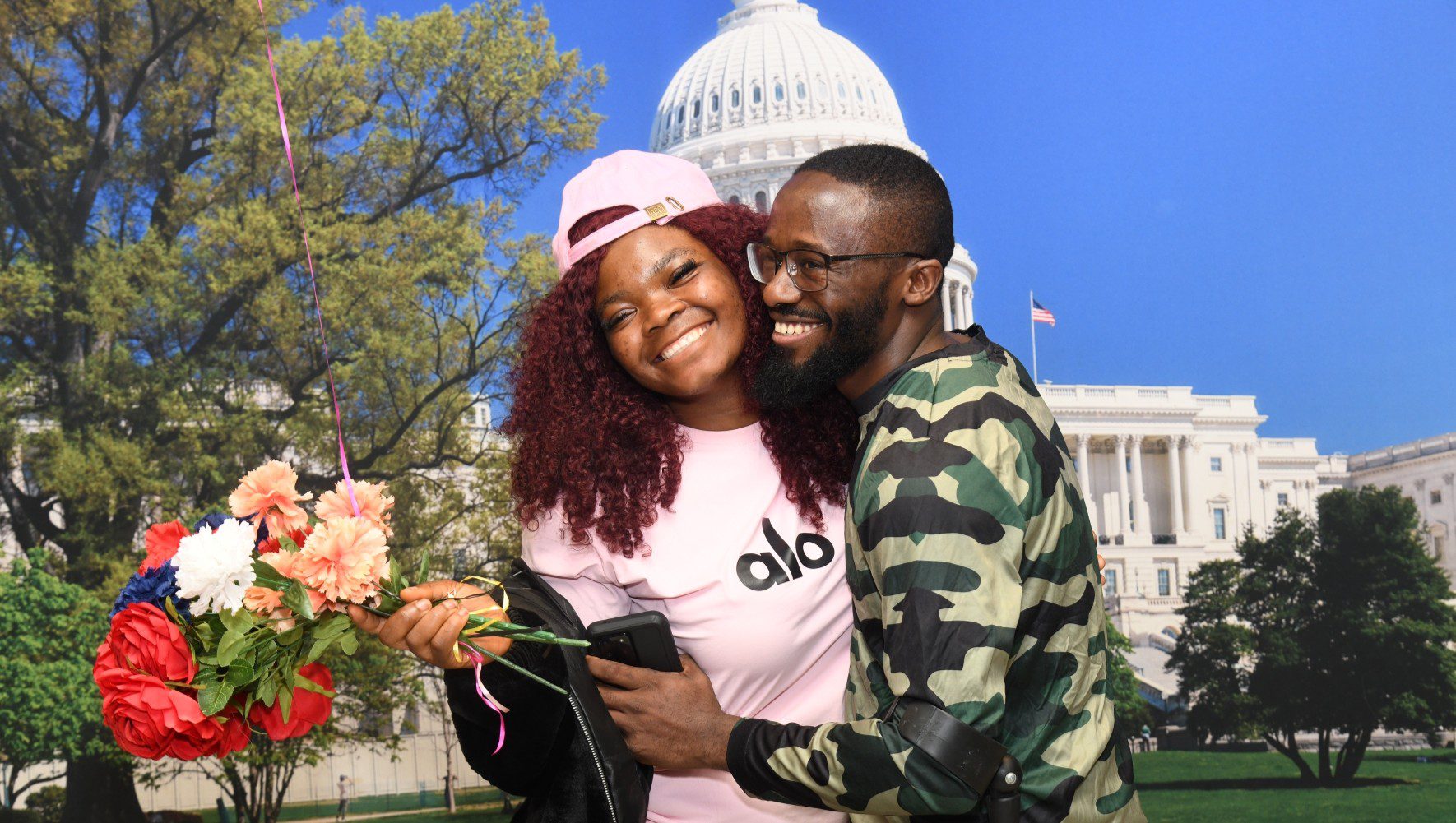
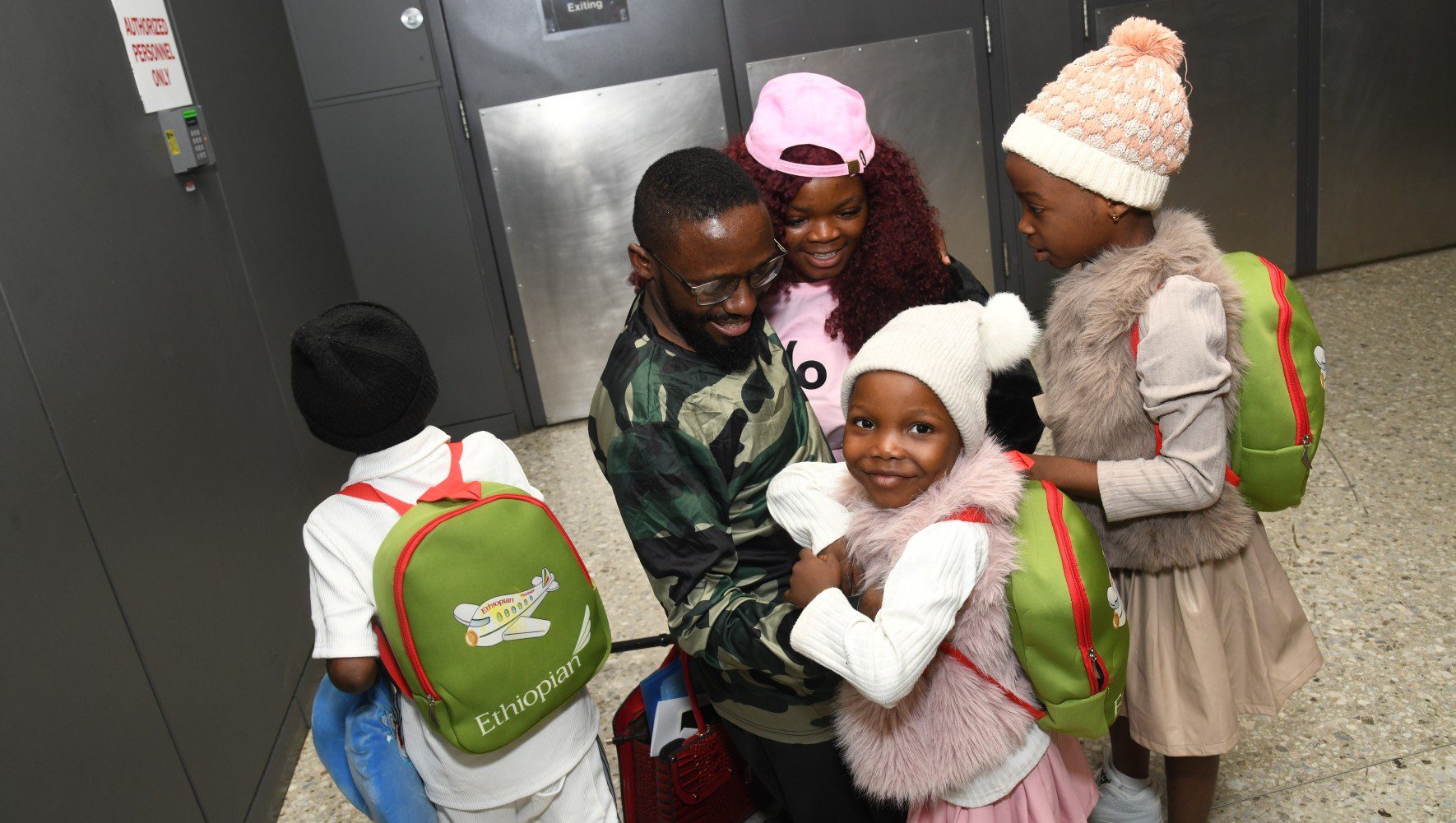
Simultaneously, Fon was connected with HIAS’s social services team. The organization provided comprehensive support to address the immense financial and emotional strain he was experiencing as he endeavored to rebuild his life. This support included assistance with meeting basic needs, rectifying his documentation, obtaining a state-issued identification card, enrolling in health insurance, and applying for financial aid to repair his wheelchair. Furthermore, HIAS offered vital emotional support, equipping Fon with coping mechanisms to manage fear, anxiety, and distress. In December 2025, after years of separation and agonizing uncertainty, Fon’s family was finally reunited in the U.S.
"Getting [my family] here clears all my pain," Fon expressed. "Facing immigration challenges while having HIAS support me is a shoulder I won’t forget."
Linah: Empowering Mental Well-being and Educational Aspirations in Kenya
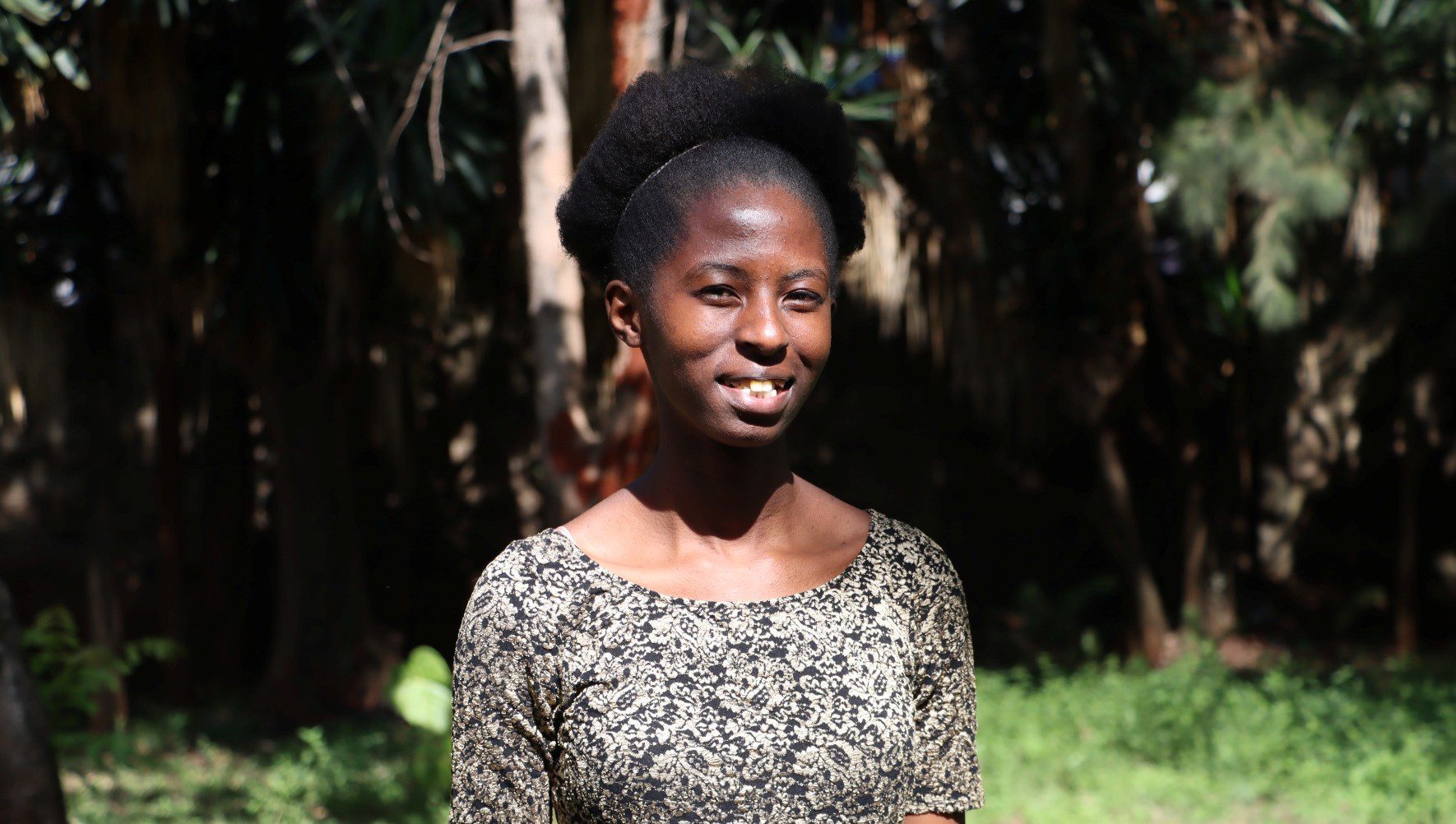
Linah, a bright young woman born in Kenya to Ugandan refugee parents, harbors aspirations of becoming an electrical engineer. Her educational path, however, was significantly disrupted last year due to financial constraints, leading to a temporary halt in her studies. Compounding her challenges, Linah faced repeated rejections for internship and work opportunities solely because of her refugee status. The cumulative effect of these setbacks led to overwhelming stress, profound isolation, and a pervasive sense of self-doubt.
"I felt like I would never become someone substantial," Linah admitted.
Seeking solace and support, Linah enrolled in HIAS Kenya’s Self-Help Plus program, a structured group stress-management course designed to enhance the mental health of refugees. Within this supportive environment, Linah found herself among peers facing similar struggles, a realization that profoundly lessened her sense of isolation. "What made the program successful for me is that I connected with other people," she shared. "It made me feel like I truly belong and that I am not alone."
Through the program, Linah acquired valuable IT skills, which ultimately led to a part-time job, providing a crucial lifeline for her educational pursuits. She remains determined to complete her diploma and pursue a career in engineering. Her current confidence is bolstered by a network of support that includes community leaders, county initiatives, and HIAS Kenya’s targeted mental health interventions.
"There’s a calming effect and a sense of belonging that comes with these sessions," Linah stated. "Mental health is often overlooked, but through programs like Self-Help Plus, we finally have a place to speak openly."
Naide: Pursuing Higher Education and a Brighter Future in Colombia
A decade ago, when Naide arrived in Colombia, the prospect of attending college seemed like a distant dream. Her educational aspirations were significantly bolstered by the DAFI scholarship, a program jointly provided by HIAS Colombia and UNHCR. Beyond financial assistance, the scholarship included the provision of a computer and other essential study materials. HIAS also offered Naide crucial mental health support to help her navigate stress and cultivate self-esteem.
"HIAS helps me every day to highlight the good things so I can trust myself and feel good about myself," Naide affirmed.
Currently pursuing a degree in agro-industrial engineering, Naide harbors ambitions for postgraduate studies. Her primary goal is to provide for her parents and family. "I would tell my mom and dad that I’m going to make them proud of me because I’m learning like they’ve always wanted," she declared. "I’m going to be the first professional [in my family] and I hope that after that my nephew or my children, if I have any, will follow my example."
As an integral part of the DAFI program, students are encouraged to engage in volunteer work, contributing to their communities. Naide dedicates her time to mentoring younger children, inspiring them to pursue higher education. This volunteer work has also been instrumental in helping her overcome her fear of public speaking and significantly boosting her self-confidence. Ultimately, Naide aims to equip children with the necessary tools to pursue their dreams.
"One can never lose hope; one always has to fight for something," Naide emphasized.
Anna: Finding Dignity and Support in Ukraine
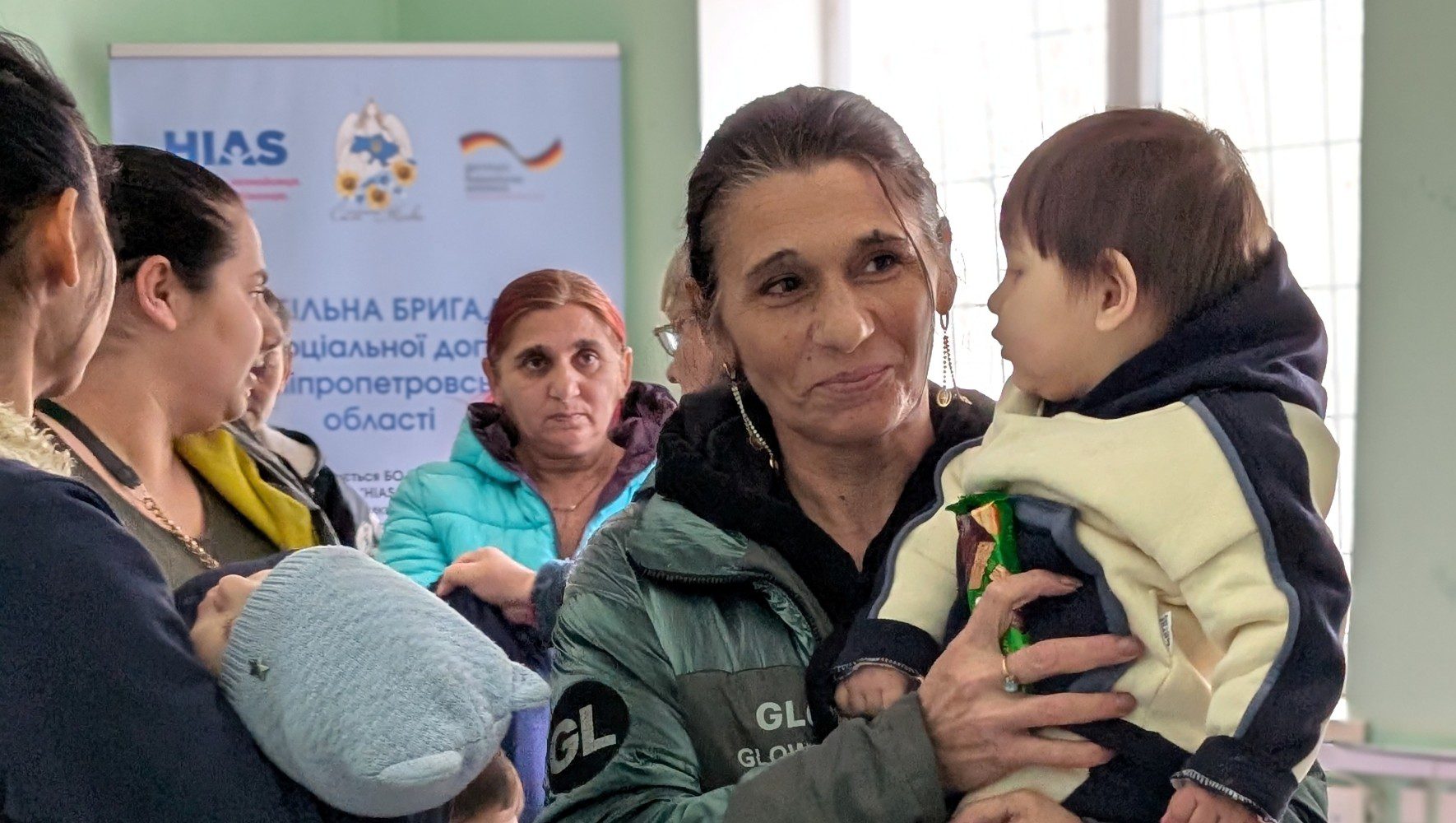
Anna*, a 40-year-old mother of three from the Roma community in Ukraine, has navigated a life marked by numerous obstacles. Her educational opportunities were limited, and she is unable to read or write. Prior to the war, she relied on seasonal work with small farmers, but many of these employment avenues vanished as businesses relocated. The lack of formal education has further compounded her difficulties in securing stable work, leaving her family struggling to afford basic necessities.
HIAS’s partner organization, Power of a Woman (PoW), has provided Anna with essential supplies and access to vital training programs focused on preventing and responding to violence. The dignity kit she received was more than a gesture of care; it significantly improved her access to hygiene products and enhanced her living conditions. Through PoW’s awareness sessions, Anna has gained knowledge about various forms of violence and learned crucial steps for responding to such situations, both for herself and for others.
"I felt cared for. We are usually ignored, and no one ever asks if we need support," Anna shared. "We felt that we are not alone, that someone truly cares about us."
*Name changed for safety.
Aziel: Cultivating Entrepreneurship and a Shared Future in Ecuador
When Aziel first arrived in Ecuador, her intention was to stay only temporarily, seeking a safe place to earn a living until conditions in her home country improved. She moved from place to place in search of work, holding onto the hope of eventually returning home and resuming her former life. "In my home country, I had many opportunities, and many things had to be put on hold," Aziel recalled.
Across Ecuador, HIAS actively collaborates with displaced individuals and host community members who face significant economic insecurity, limited employment prospects, and elevated risks of exploitation and abuse, with women being particularly vulnerable. Through an agribusiness initiative supported by UNHCR since 2017, HIAS Ecuador assists program participants in fostering emotional stability, strengthening community bonds, and establishing sustainable livelihoods in border regions and marginalized urban areas.
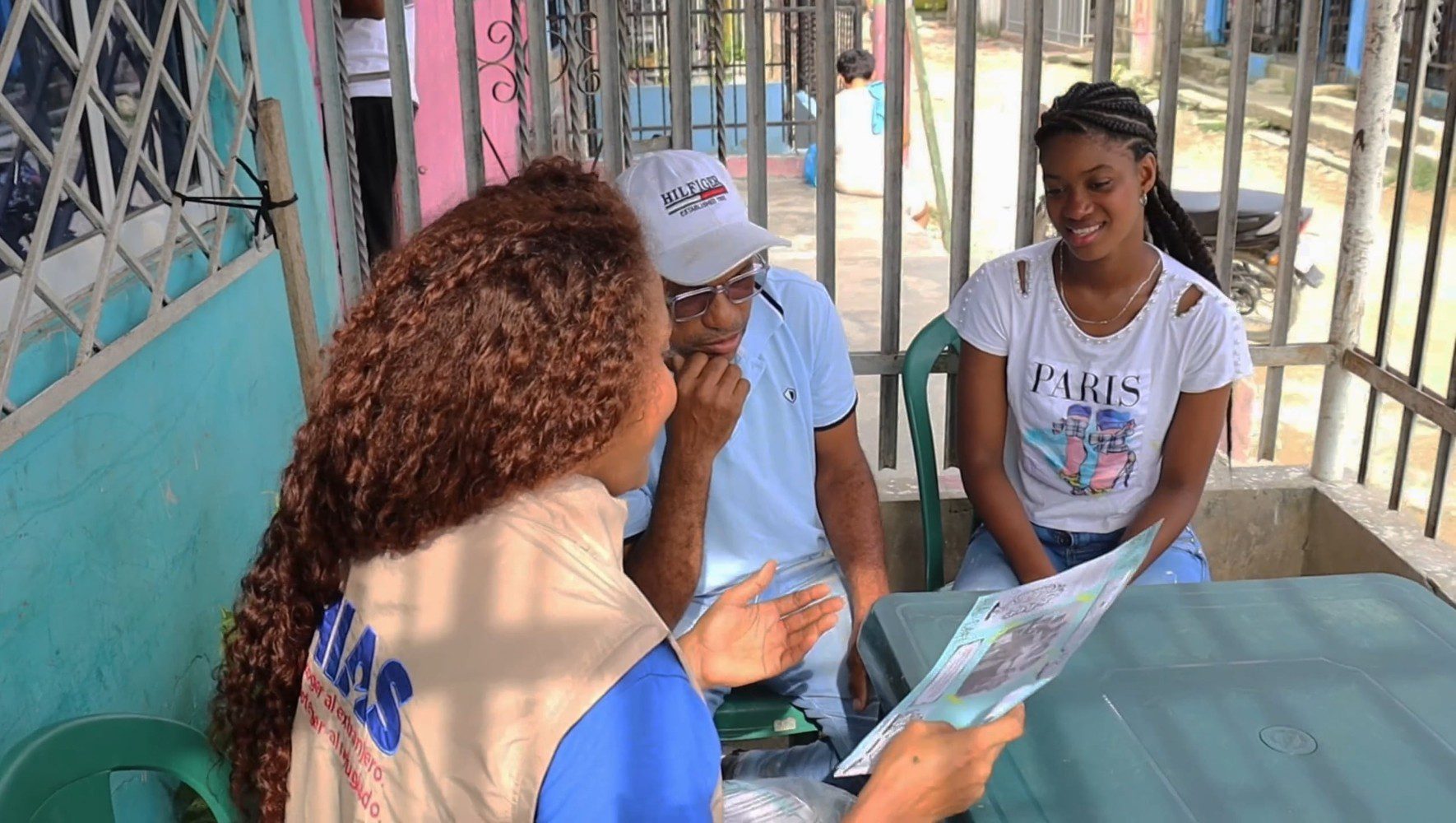
While struggling to make ends meet, Aziel learned about HIAS’s agribusiness initiative, which integrates entrepreneurship training with crucial mental health support for displaced individuals like herself. "At the time, I looked for other ways to generate income and even thought about going somewhere else, thinking that changing locations would help," Aziel stated. "But I was able to experience that being in one place allows for emotional and physical stability, and this has also helped me to achieve financial stability."
In 2022, HIAS Ecuador awarded scholarships to participants of the program, including Aziel, who is a founding member of INTIVA, a collective agribusiness specializing in herbal infusions and dehydrated fruits. INTIVA unites five women from diverse nationalities, exemplifying how displaced individuals and host community members can forge shared economic futures.
Over the past few years, HIAS Ecuador has been instrumental in guiding Aziel and other INTIVA members in managing their finances, planning for business expansion, and ensuring the long-term sustainability of their enterprise. "Beyond our shared ambition with my colleagues to start a business, HIAS presented an idea that incorporated all of us to feel encouraged to take the first steps," Aziel explained. "We have been given the chance to turn our efforts into a reality."
Today, Aziel and INTIVA are not only experiencing business growth but are also building stability, confidence, and a shared future in Ecuador.
The Enduring Significance of the Refugee Convention and the Path Forward
The stories of Fon, Linah, Naide, Anna, and Aziel underscore the critical role of organizations like HIAS in providing essential services that extend beyond immediate humanitarian aid. These narratives highlight the multifaceted needs of displaced persons, encompassing legal assistance, psychological support, educational opportunities, and economic empowerment.
The 1951 Refugee Convention, despite the contemporary pressures it faces, remains a cornerstone of international refugee protection. Its principles of non-refoulement and the right to seek asylum are fundamental to ensuring the safety and dignity of those forced to flee their homes. However, the escalating challenges to these principles necessitate a renewed global commitment to upholding and strengthening the Convention’s framework.
The increasing number of displaced persons worldwide, a figure that has reached record highs in recent years, places immense strain on existing resources and international cooperation. According to the UNHCR, by the end of 2025, over 120 million people were forcibly displaced worldwide, a stark indicator of the escalating global crises driving displacement. This surge demands innovative solutions, increased funding for humanitarian organizations, and a more robust international response to address the root causes of conflict and persecution.
Official responses from international bodies and national governments are crucial in navigating this complex landscape. While many nations continue to provide vital support, there are also instances of restrictive policies and reduced humanitarian aid, creating significant obstacles for refugees and asylum seekers. The implications of these divergent approaches are profound, impacting not only the lives of those directly affected but also the stability and humanitarian values of the international community.
The broader impact of these challenges is a growing sense of vulnerability and uncertainty for millions. The erosion of refugee rights can lead to increased marginalization, exploitation, and humanitarian crises. Conversely, upholding these rights and investing in the resilience and integration of displaced populations fosters more inclusive and stable societies. The success stories highlighted, where individuals are empowered to rebuild their lives and contribute to their new communities, offer a compelling vision of what is possible when support and opportunity are provided.
As World Refugee Day 2026 concludes, the imperative remains clear: to reaffirm the principles of the Refugee Convention, to amplify the voices of those seeking protection, and to redouble efforts to ensure that every displaced person has the opportunity to find safety, rebuild their lives, and contribute to a more just and compassionate world. The enduring strength and resilience demonstrated by individuals like Fon, Linah, Naide, Anna, and Aziel serve as a powerful reminder of the human capacity to overcome adversity and a call to action for continued global solidarity.