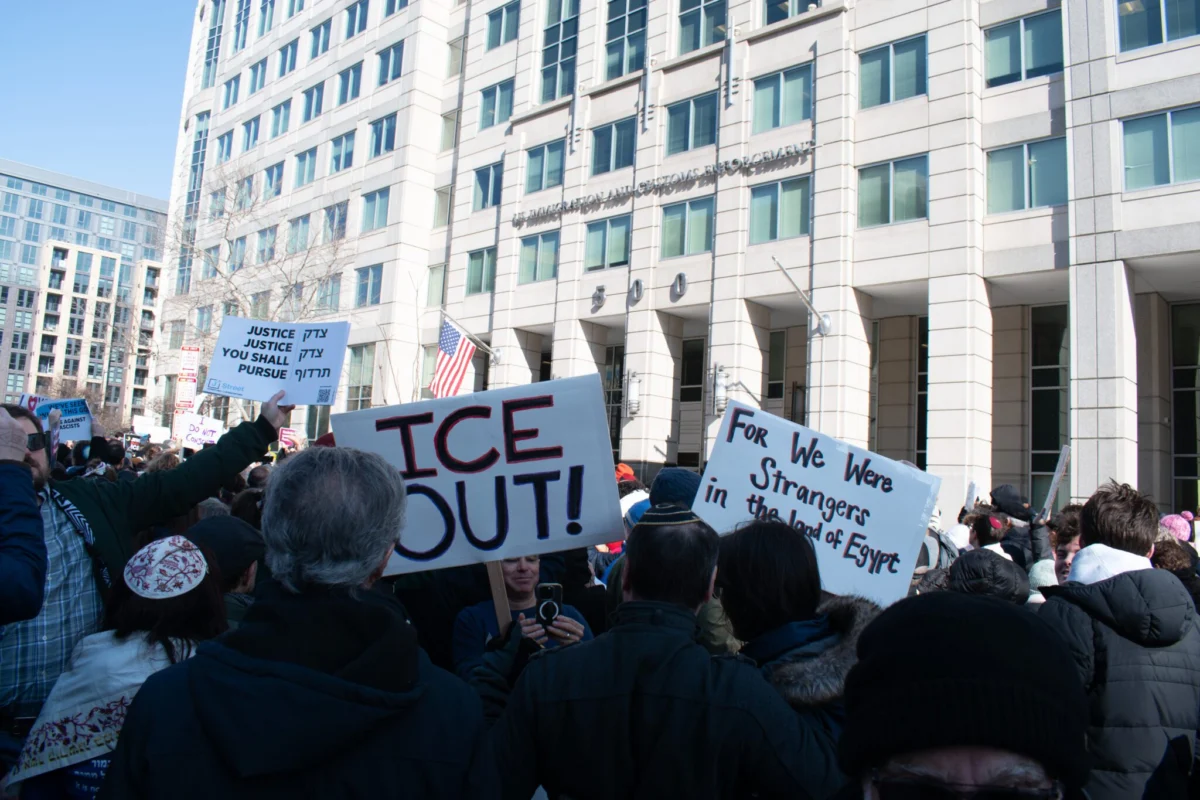
As the Jewish community approaches the High Holidays and the dawn of the year 5787, a profound sense of introspection has emerged regarding the global commitment to human rights, particularly concerning the treatment of refugees and asylum seekers. Sarah Bassin, Rabbi-in-Residence at HIAS, has issued a rallying cry for a renewed sense of "spiritual chutzpah" to address what she describes as a period of global backsliding. Her reflections arrive at a critical juncture for international humanitarian policy, marked by the resurgence of xenophobic rhetoric, the erosion of democratic norms, and a systemic retreat from the post-World War II consensus on human dignity.
The Context of the High Holidays and Humanitarian Advocacy
The High Holidays, encompassing Rosh Hashanah and Yom Kippur, traditionally serve as a period of moral audit. For organizations like HIAS—the world’s oldest refugee agency—this period is not merely liturgical but foundational to their mission. The organization has spent more than 120 years advocating for the displaced, grounding its modern mission in the historical Jewish experience of exile and the subsequent ethical imperative to protect the "stranger."
The current atmosphere, however, is markedly different from previous decades. Data from the United Nations High Commissioner for Refugees (UNHCR) indicates that global displacement figures have reached record highs, with over 120 million people forcibly displaced worldwide as of mid-2026. This demographic pressure has coincided with a political environment in the United States and elsewhere that has prioritized border securitization and the curtailment of asylum pathways over historical commitments to humanitarian protection.
A Chronology of Retreat and Resistance
To understand the current crisis, one must look at the recent trajectory of immigration policy. Over the last several years, the U.S. immigration system has faced what advocates describe as a "perfect storm" of legal volatility.
- 2023–2024: The implementation of stringent asylum restrictions and the expansion of mass detention protocols began to fundamentally alter the landscape for those arriving at the southern border.
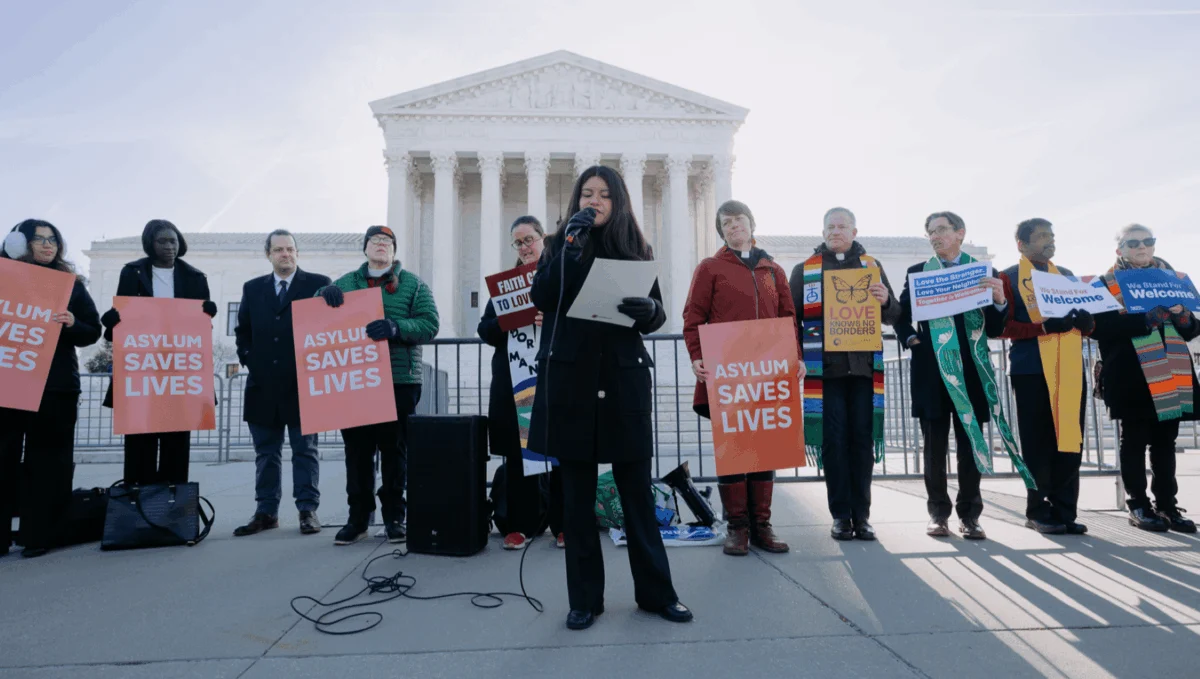
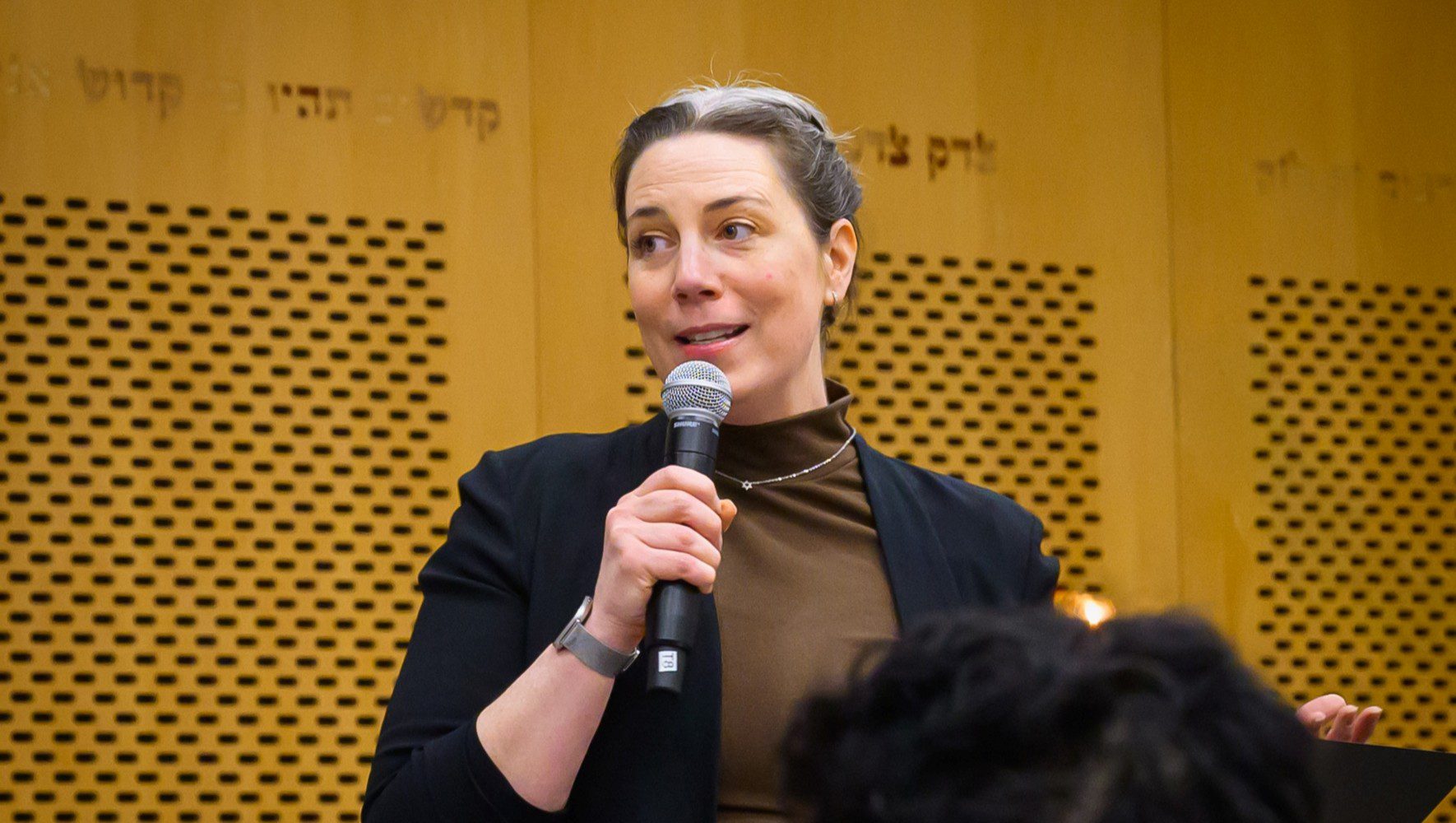
- March 2026: HIAS hosted its eighth annual Refugee Shabbat. The event, held at Temple Israel of Hollywood, served as a symbolic focal point for the organization’s efforts to mobilize congregations across the United States. Rabbi Sarah Bassin’s address at this event emphasized that the "culture of welcome" was under an unprecedented assault.
- Mid-2026: Legal and policy analysts observed a shift from a system that prioritized due process and individual assessment to one increasingly characterized by expedited removal, arbitrary detention, and the systemic stripping of legal statuses previously afforded to vulnerable populations.
The Theological Evolution of Tikkun Olam
Central to the discourse surrounding these challenges is the concept of tikkun olam, or "repairing the world." Historically, this phrase emerged from the Aleinu prayer, which, in its original context, reflected a sense of divine sovereignty where the perfection of the world was left to the Almighty.
However, modern Jewish thought has shifted this responsibility toward human agency. As theologian Elliot Dorff notes, the sixteenth-century teachings of Isaac Luria redefined tikkun olam as a collaborative process where human beings, through their adherence to ethical commandments, participate in the mending of a broken world. In the contemporary era, this has evolved into a social justice mandate. Critics of this evolution often argue that it conflates religious tradition with modern political activism. Conversely, proponents—including Rabbi Bassin—argue that tradition is not a static artifact but a living framework that must adapt to the crises of the day. By invoking the principle of lo bashamayim hee ("the law is not in heaven"), advocates argue that the responsibility for justice is an earthly, human obligation that remains binding even when societal progress stalls.
Supporting Data and Humanitarian Implications
The implications of current U.S. policy are far-reaching, extending beyond the geopolitical sphere into the lives of individual families. According to reports from non-governmental organizations operating along the border, the recent shift toward more restrictive measures has resulted in:
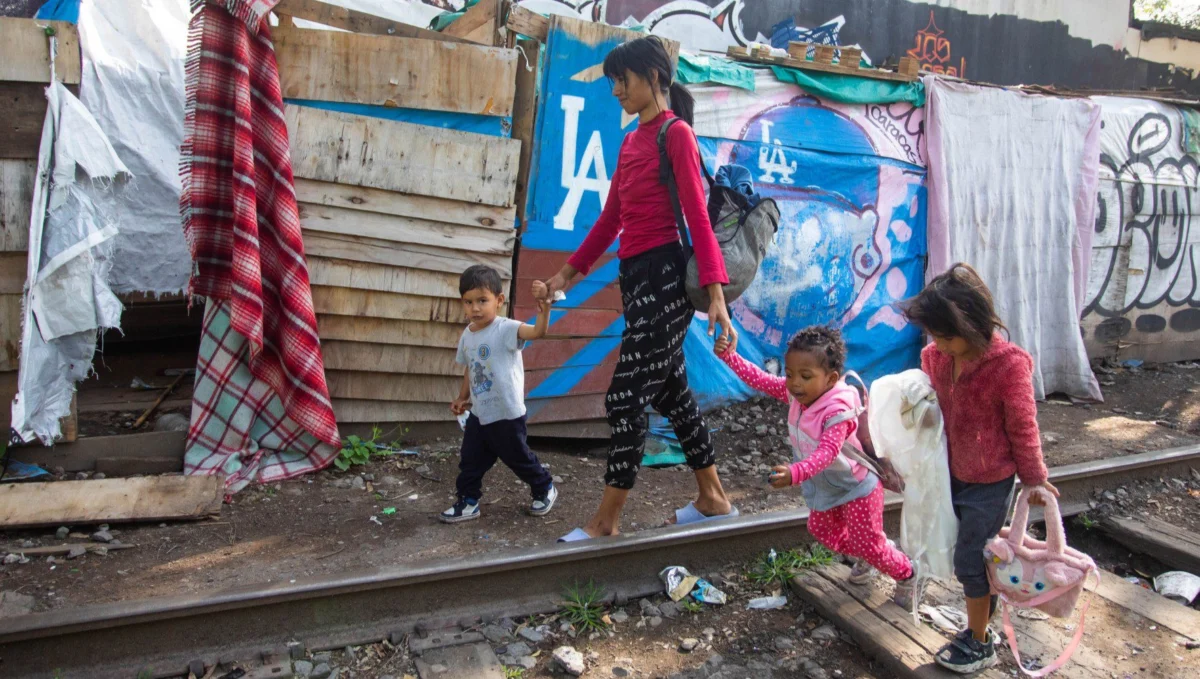
- Increased Vulnerability: Asylum seekers, particularly women and children, face heightened risks of exploitation and violence while waiting in border regions with limited access to legal counsel.
- Erosion of Due Process: The reduction in immigration court capacity and the tightening of eligibility criteria have created a backlog that currently numbers in the millions of pending cases, effectively trapping thousands in legal limbo for years.
- Social Instability: The normalization of anti-immigrant rhetoric has, according to several civil rights monitoring groups, contributed to a measurable rise in hate crimes and xenophobic sentiment in urban centers across the country.
Official Responses and the Stance of HIAS
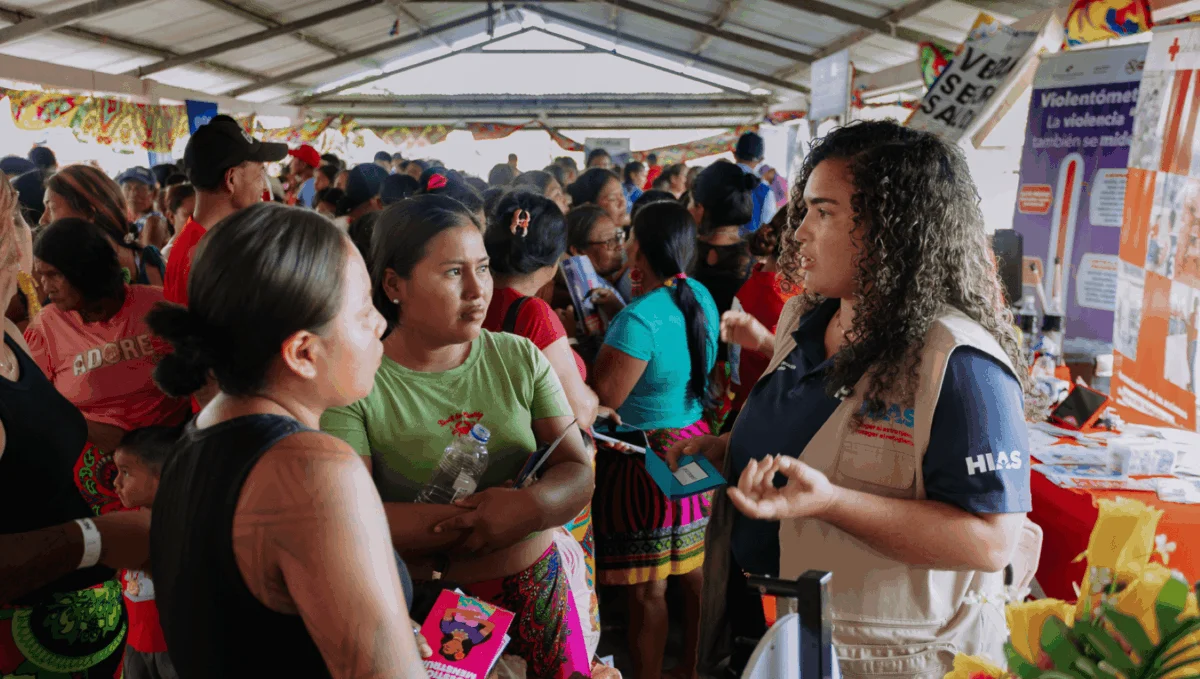
HIAS maintains that its mission is non-partisan and rooted in the principle that the protection of refugees is an essential humanitarian imperative. In response to the growing legal chaos, the organization has shifted its strategic focus toward three main pillars: legal representation, community-based integration, and advocacy for systemic reform.
"As the world’s oldest refugee agency, HIAS will always stand for refugees—no matter who is president," the organization stated in a recent policy briefing. This declaration is intended to insulate their mission from the fluctuations of election cycles and political administrations. By emphasizing that the right to seek asylum is a protected legal status under both domestic and international law, the organization seeks to provide a counterbalance to the executive actions that have curtailed these rights.
Analysis of the Current Crisis
The current challenge is not merely technical; it is systemic. The "legal chaos" referenced by advocates refers to the layering of executive orders, court injunctions, and administrative rule changes that have made navigating the U.S. immigration system nearly impossible for those without professional legal assistance.
The long-term implications are equally concerning. Analysts warn that the erosion of faith in the U.S. as a safe harbor for the oppressed will have multi-generational consequences. If the promise of the American "welcome" is perceived as a hollow or temporary gesture, the United States risks losing its influence as a global leader in human rights advocacy. Rebuilding this trust, according to policy experts, will require a fundamental recalibration of both domestic policy and public discourse—a task that is likely to take decades.
Looking Toward 5787
As the Jewish community enters the new year, the discourse within organizations like HIAS suggests a pivot toward a more resilient form of advocacy. The prevailing sentiment is that the obligation to pursue justice—often cited in the biblical injunction tzedek, tzedek tirdof (justice, justice you shall pursue)—is not contingent upon the current political climate or the likelihood of immediate success.
Instead, the call to action for the year 5787 is focused on the endurance of the humanitarian spirit. This involves:
- Capacity Building: Training and mobilizing local communities to assist in the resettlement and legal defense of refugees.
- Civic Engagement: Utilizing the High Holiday period to educate the public on the realities of the immigration system and the legal rights of asylum seekers.
- Spiritual Fortitude: Cultivating a mindset that rejects the "spiritual stagnation" of indifference.
In the final analysis, the work ahead is described by leaders like Rabbi Bassin not as a struggle for short-term political victory, but as a commitment to a moral standard that transcends the political fray. By mining their traditions for "spiritual chutzpah," those advocating for refugees are attempting to build a vision for the future that does not depend on an optimistic outlook, but rather on an unwavering commitment to the inherent dignity of every human being, regardless of their status or origin. As the world faces a period of uncertainty, the message from organizations like HIAS remains clear: the obligation to assist the stranger remains the ultimate test of a society’s commitment to its own values.