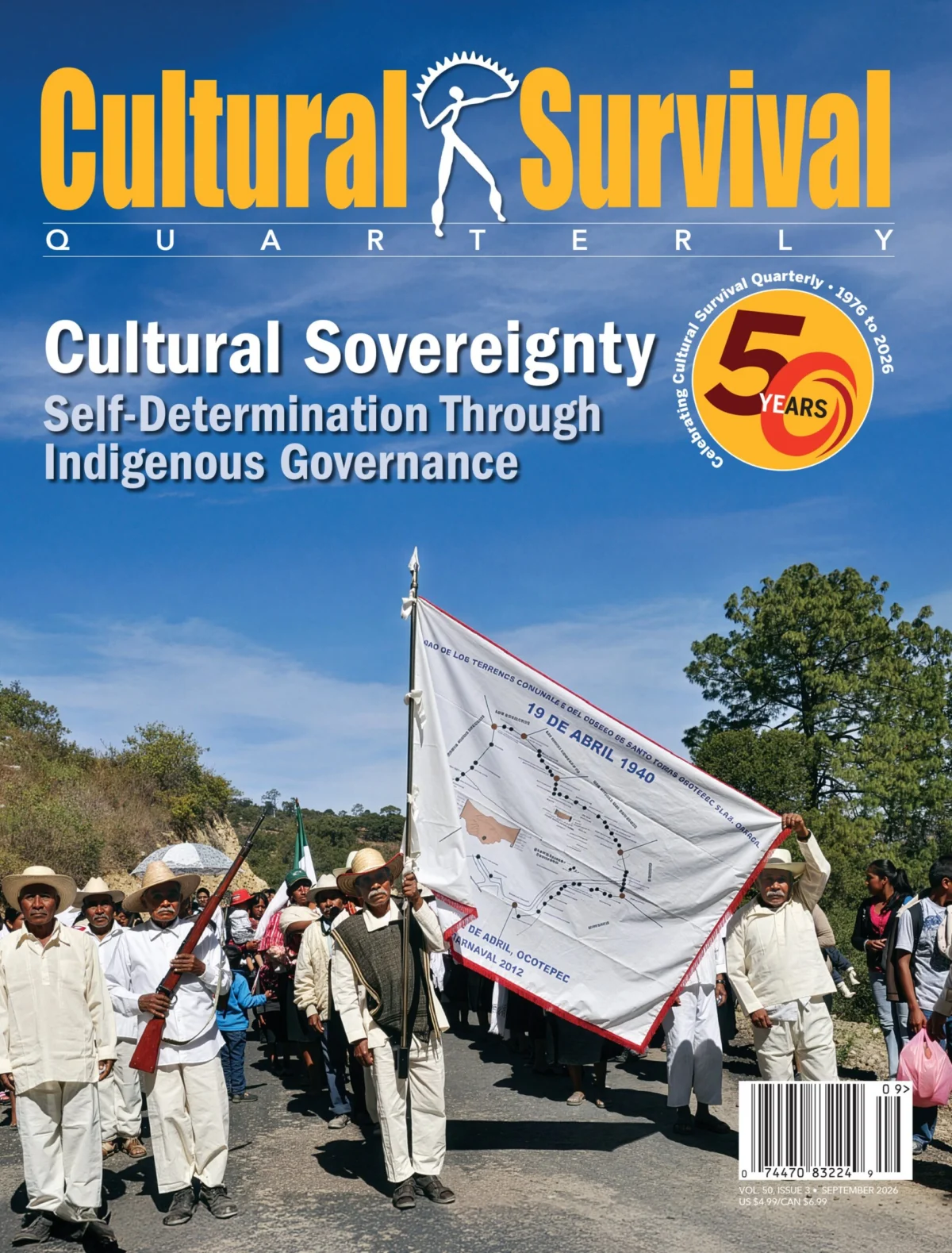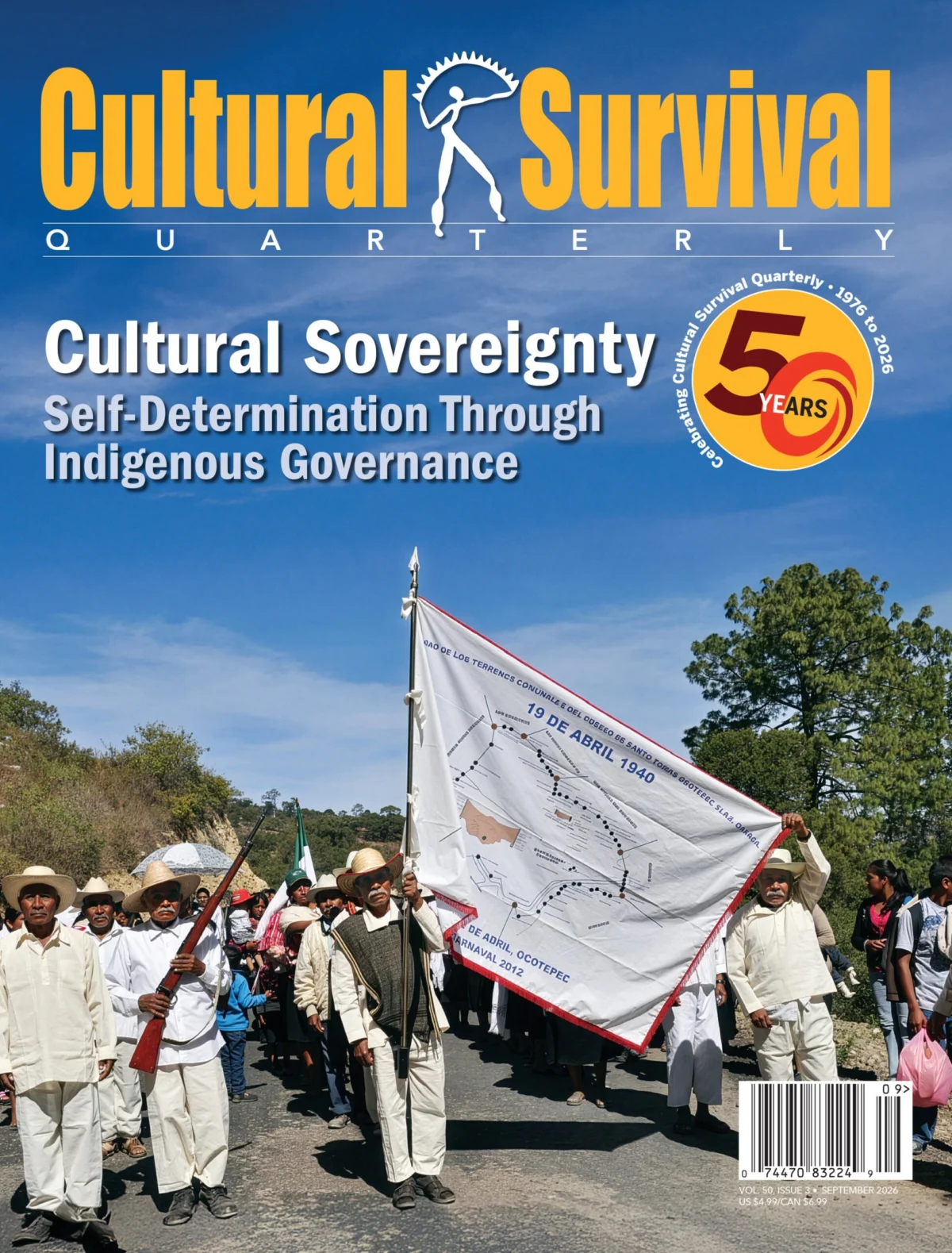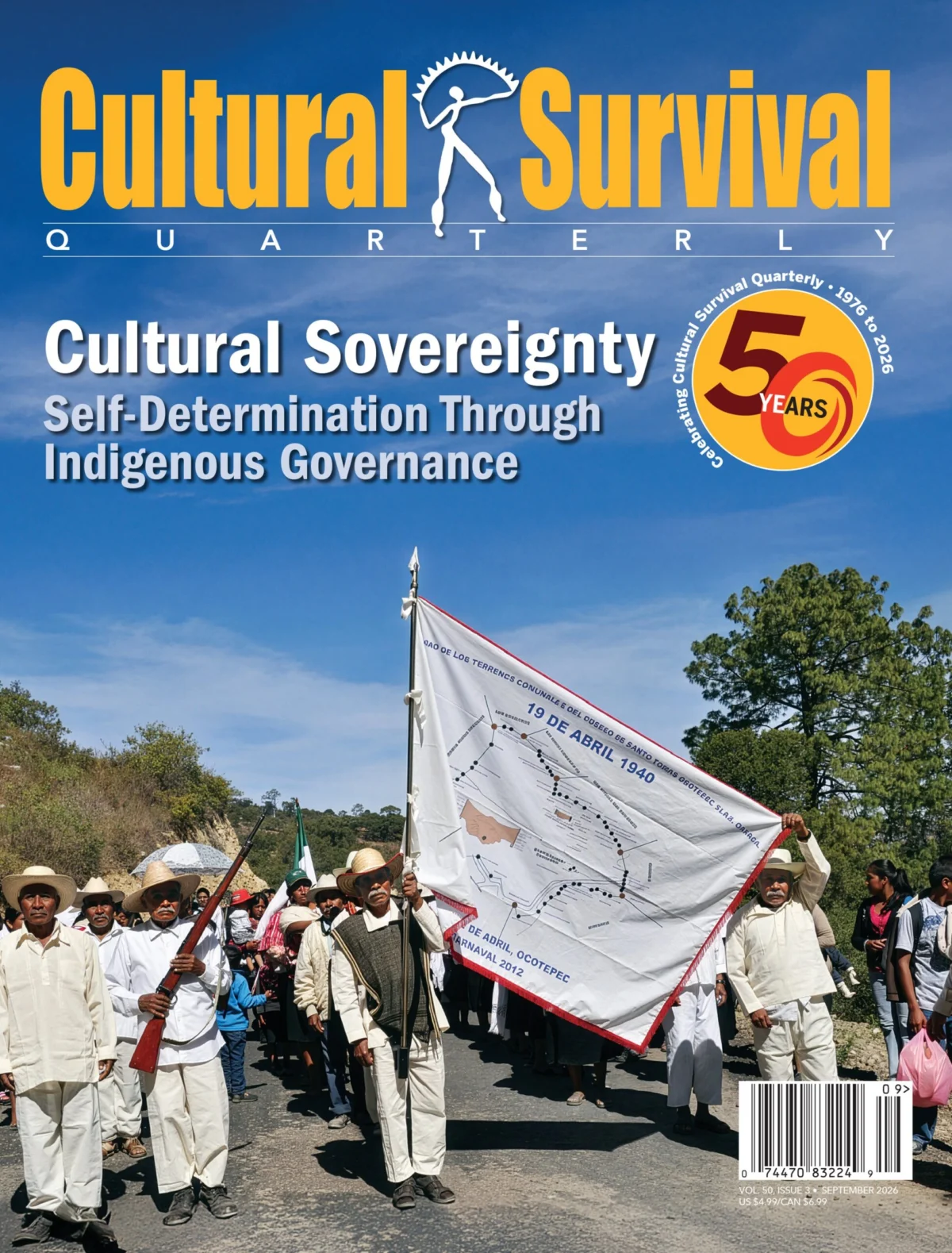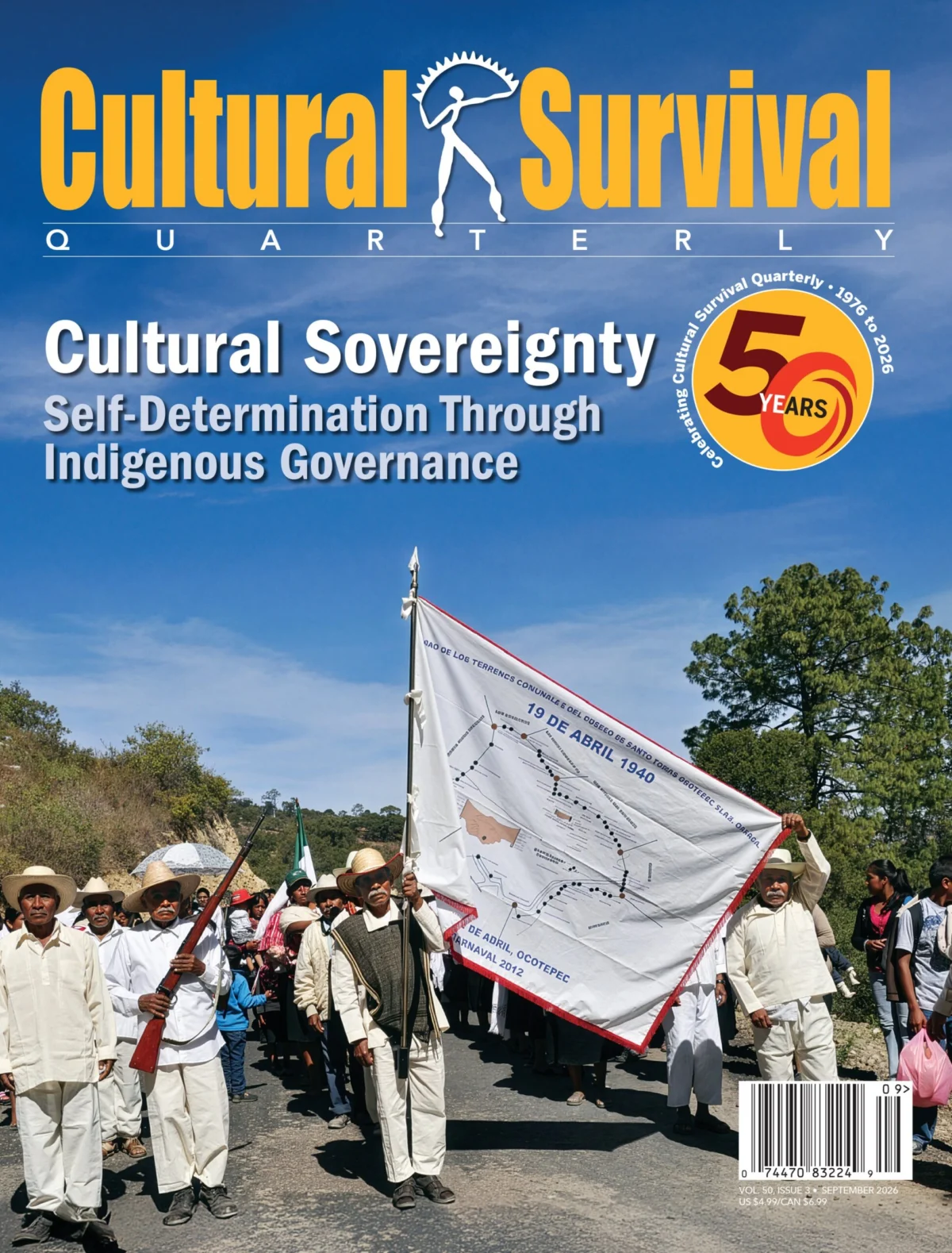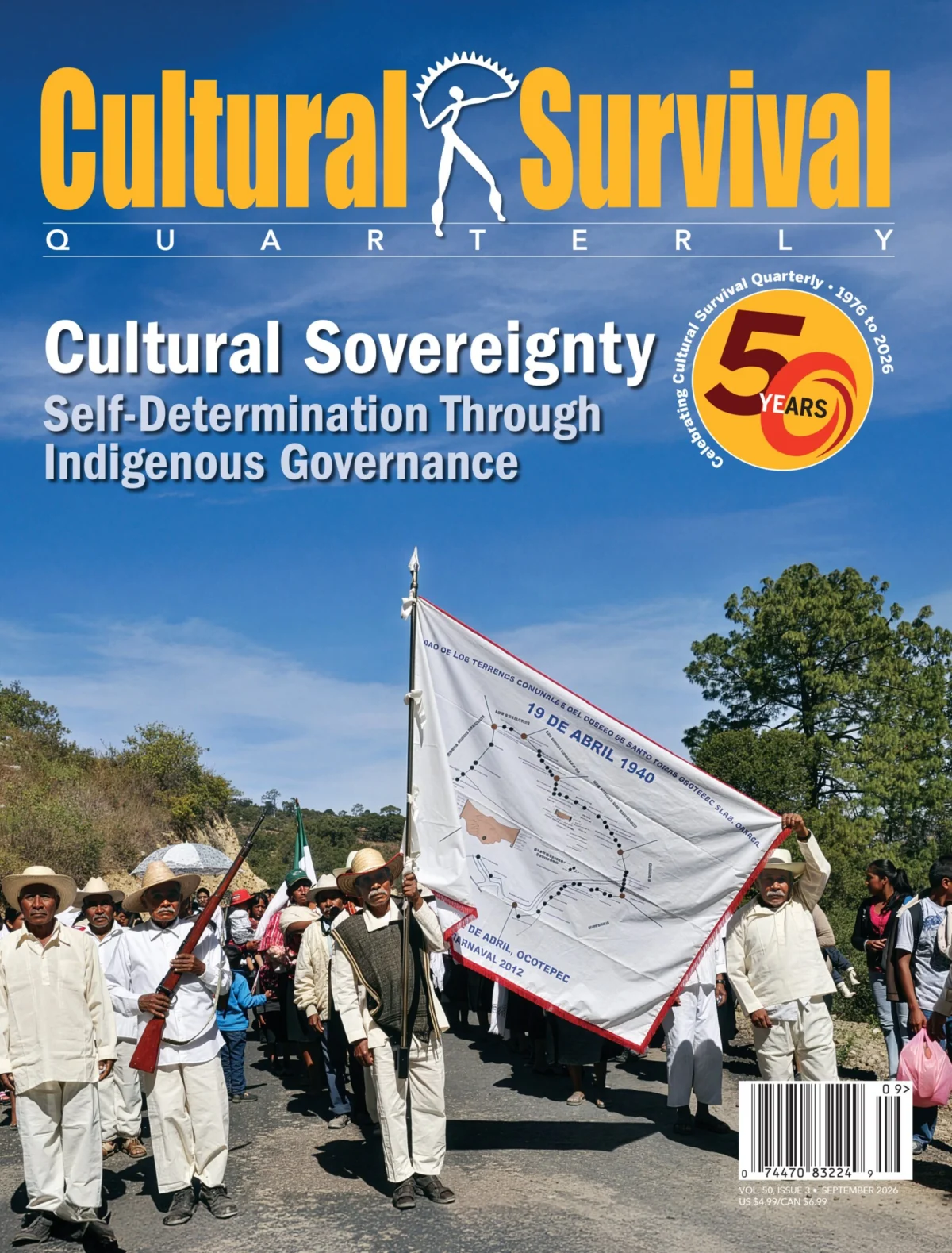
In the picturesque town of Santiago Atitlán along the southern shore of Lake Atitlán, Guatemala, governance is defined by a dual reality that often confounds casual visitors. Alongside the municipal mayor who occupies the official government building and answers to the statutory laws of the Guatemalan state, there operates a second, unballoted leader: the Cabecera del Pueblo, or Head of the Town. Selected from among the principales—esteemed individuals who have dedicated decades to community service—this ancestral authority is chosen through a collaborative process involving the town assembly and the cofradÃa (religious brotherhood) system. While the state-sanctioned mayor manages formal municipal infrastructure, the Cabecera del Pueblo upholds customary laws, preserves local norms, and leads monumental civic and spiritual ceremonies.
This living institution embodies an extraordinary historical resilience. The community’s traditional governance has survived over three centuries of Spanish colonialism, the turbulence of the 200-year-old republic, the authoritarian Liberal dictatorships of the late 19th and early 20th centuries, decades of military rule from 1954 to 1985, and the devastating state-sponsored genocide against the Maya population between 1978 and 1986. Today, Santiago Atitlán stands as a vibrant case study in a global web of Indigenous self-determination, offering profound insights into how ancestral structures persist, adapt, and challenge modern nation-states.
The Architecture of Ancestral Authority: The Cargo System
At the heart of Santiago Atitlán’s municipal resilience is the sistema de cargos (cargo system), a multifaceted framework of self-governance, political training, and community-centered power. Unlike modern representative democracies where political ascent often correlates with wealth accumulation, campaign financing, or partisan popularity, the cargo system operates on a logic of upward mobility through public service.
Members ascend a rigorous ladder of unpaid responsibilities, viewing civic duty as both an obligation and a profound honor. Leadership roles typically last for one year before mandatory rotation, ensuring that authority circulates continuously, preventing political entrenchment, and mitigating the risk of corruption. Those who successfully navigate these responsibilities earn the enduring trust, respect, and prestige of their people.
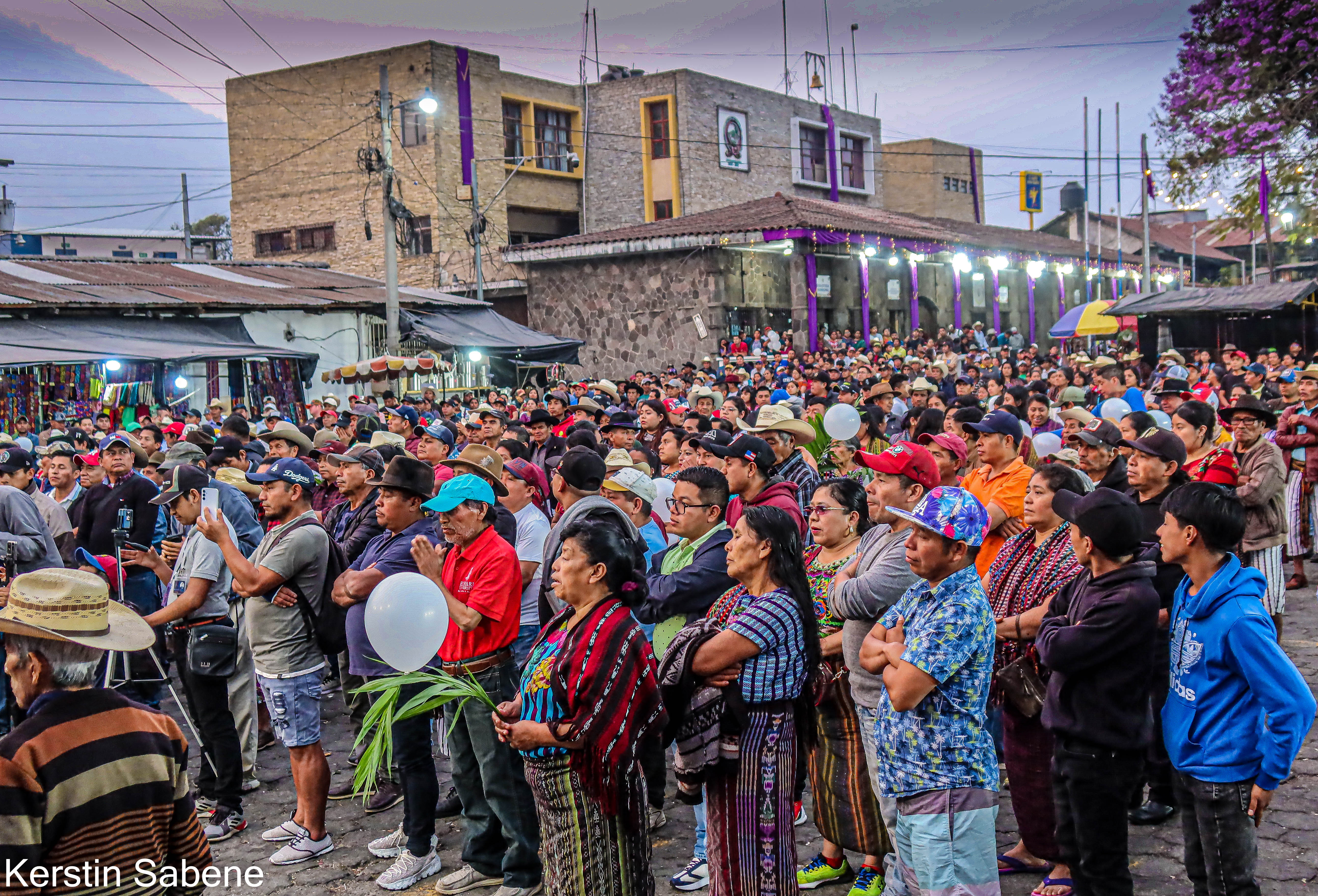
The developmental trajectory within this system is methodical. Young men typically begin their public service as alguaciles (known locally as Aj Ch’ami’ in Tz’utujil), acting as messengers and aides who summon community meetings and assist senior authorities. Over time, individuals may transition into the cofradÃas, taking on the stewardship of patron saints and organizing major religious and civic festivals where spiritual and community life intertwine.
Those who complete this arduous journey eventually attain the status of principales and Elders, acquiring the moral authority required to offer counsel, mediate disputes, and guide the municipality. From this pool of seasoned leaders emerges the alcalde indÃgena, or Cabecera del Pueblo. In essence, this framework functions as an organic school of exemplary living; political representation is forged through practical acts of humility, from sweeping the town square and carrying sacred artifacts to listening deeply to the wisdom of community Elders.
A Chronology of Resistance and Revitalization
While the foundational roots of these hierarchical systems stretch back to the pre-Hispanic era, the contemporary models observed today were forged during the colonial period. Following the Spanish conquest, surviving Maya communities strategically reorganized their civic and religious hierarchies to preserve their autonomy beneath the colonial apparatus, producing a hybrid model of governance that persists into the 21st century.
However, this continuity has extracted a devastating human toll. During the height of the Guatemalan internal armed conflict (1960–1996)—particularly through the violent campaigns of the 1980s and 1990s—several Indigenous mayors and traditional authorities in Santiago Atitlán were targeted, persecuted, and assassinated by state forces and paramilitary groups in an effort to fracture community cohesion.
Despite these severe disruptions, the post-conflict era has witnessed a remarkable revitalization. Over recent decades, communities across the Guatemalan central highlands and the Altiplano have actively reactivated their traditional mayoralties. Prominent examples include the renowned "48 Cantones" of Totonicapán department, an ancestral authority structure that has frequently mobilized to defend constitutional order and democratic governance at the national level.
Global Parallels: A Universal Grammar of Self-Governance
The survival strategies observed in Santiago Atitlán are not isolated anomalies; they reflect a global grammar of Indigenous self-governance. Between March and May 2026, focus groups and consultations conducted by Cultural Survival with Indigenous leaders worldwide revealed striking structural parallels across vastly different continents, landscapes, and political climates.
Mesoamerica
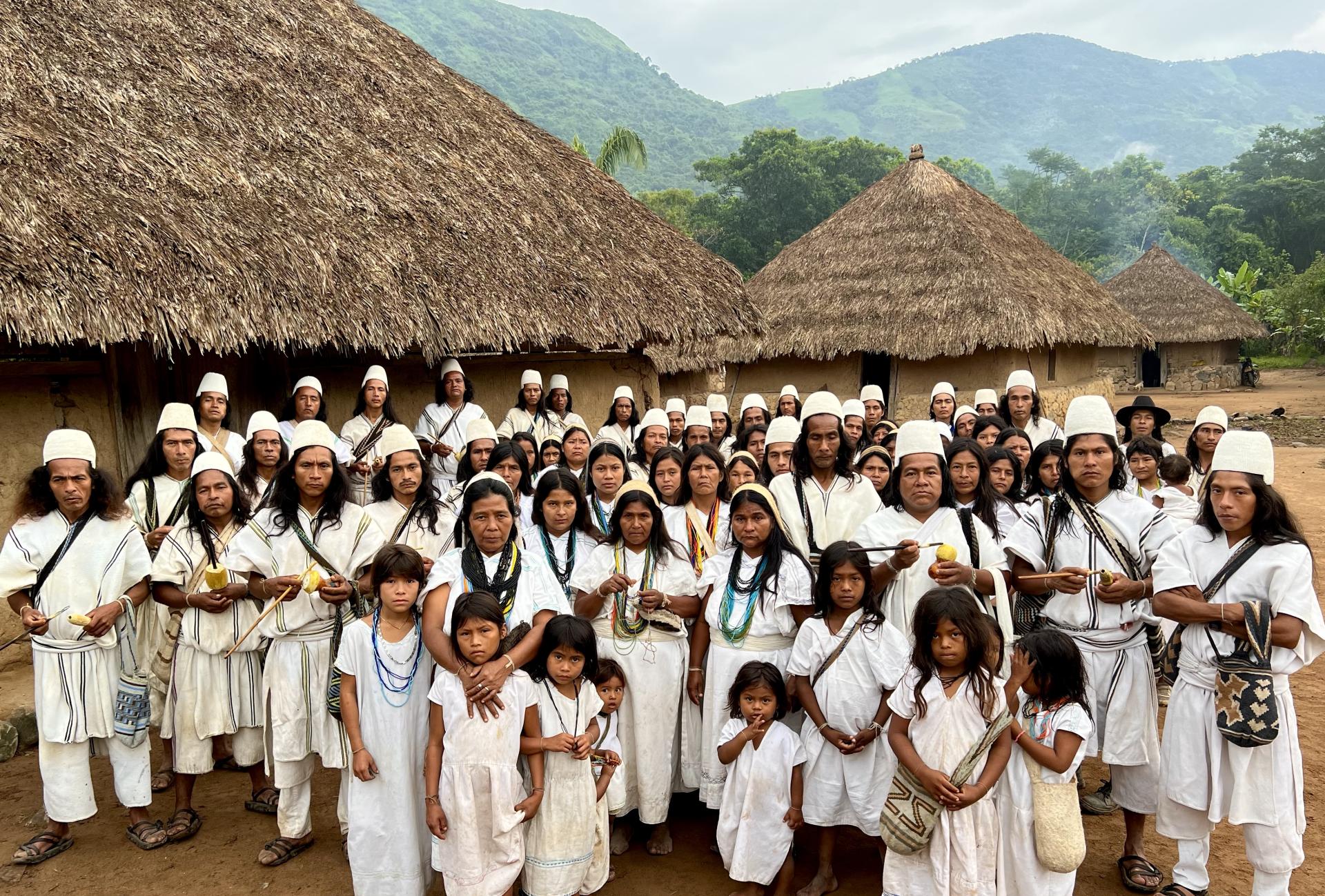
In Panama, the Guna Yala territory exemplifies collective autonomy. Comprising 52 distinct communities, each village elects its own sagla (leader), and representatives convene at a general congress for major decision-making. Crucially, the Guna resolved one of self-governance’s most persistent vulnerabilities—financial dependence on central governments—by generating sustainable revenue through self-managed ecotourism.
Meanwhile, in Mexico, rural communities maintain traditional cabildos (councils) and comisariados de bienes comunales (communal land commissions). These rotational, short-term, and largely unpaid positions serve as an institutional bulwark against corruption, preventing external economic interests from capturing local governance. Mexican communities also preserve mayordomÃas—counterparts to Guatemalan cofradÃas—which maintain traditional neighborhood boundaries that endure in cultural memory despite being absent from official state maps.
South America
Across South America, Indigenous organizing has achieved formal recognition within modern legal frameworks. In the Colombian Amazon, Indigenous organizations successfully pressed the state to establish autonomous Indigenous territorial entities, granting communities administrative control over their ancestral reserves. In Ecuador, decades of grassroots organizing have reinforced the principle that sustainable autonomy "springs from the heart of the communities," requiring the active preservation of native languages, active territorial defense, and the intergenerational transmission of cultural pride. In Chile, the Mapuche people assert the administrative autonomy of individual lofs (grassroots communities), actively reconstructing traditional governance structures despite a persistent lack of constitutional recognition from the state.
Brazil’s Indigenous struggles highlight a critical prerequisite for autonomy: territorial security. Consultations emphasized that without legally demarcated land, self-governance functions under extreme vulnerability to illegal mining, land dispossession, and violence. Conversely, groups living on protected lands—such as the Xingu territory and over 100 uncontacted peoples maintaining voluntary isolation—exercise some of the highest degrees of self-determination on the planet.
Africa and Asia
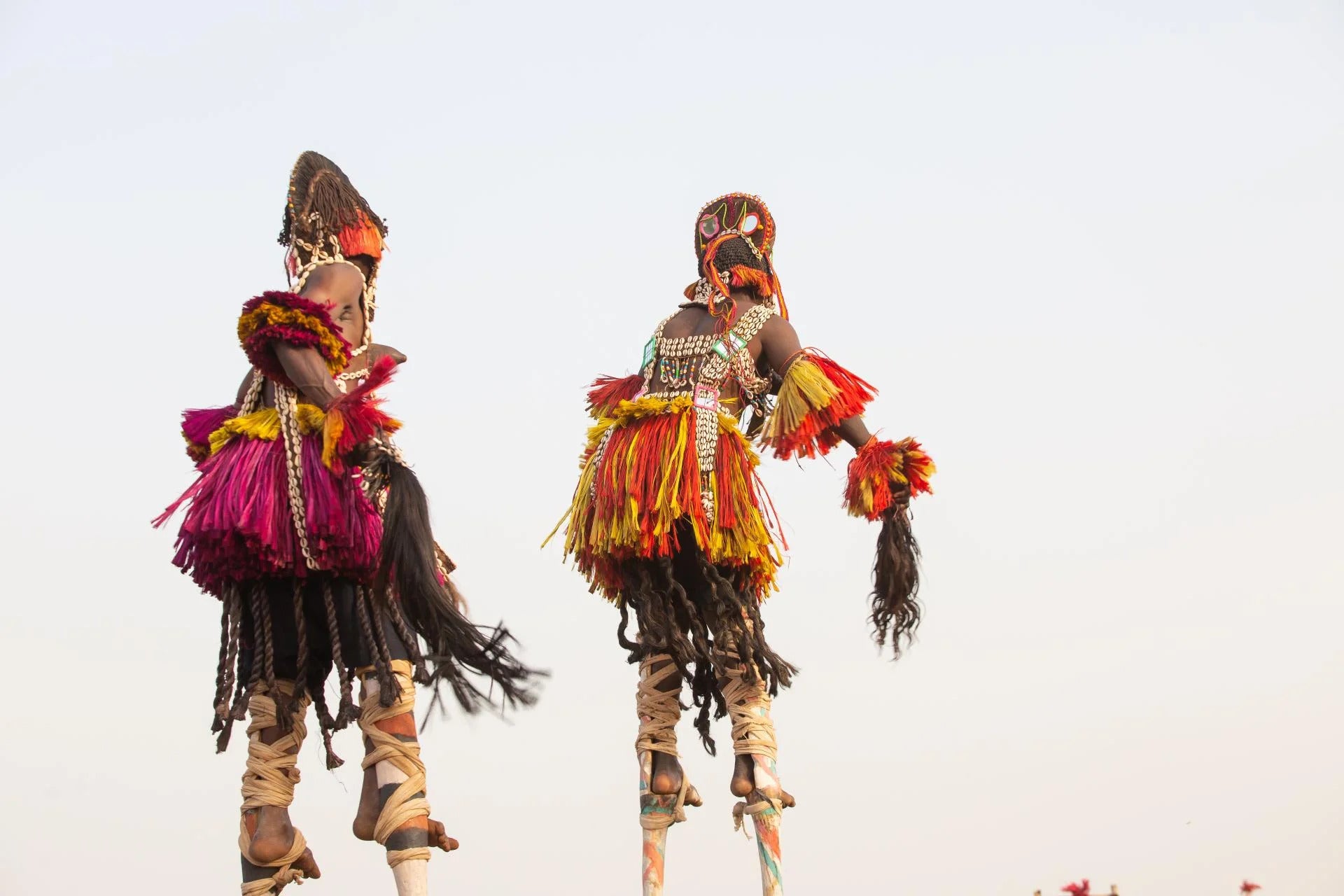
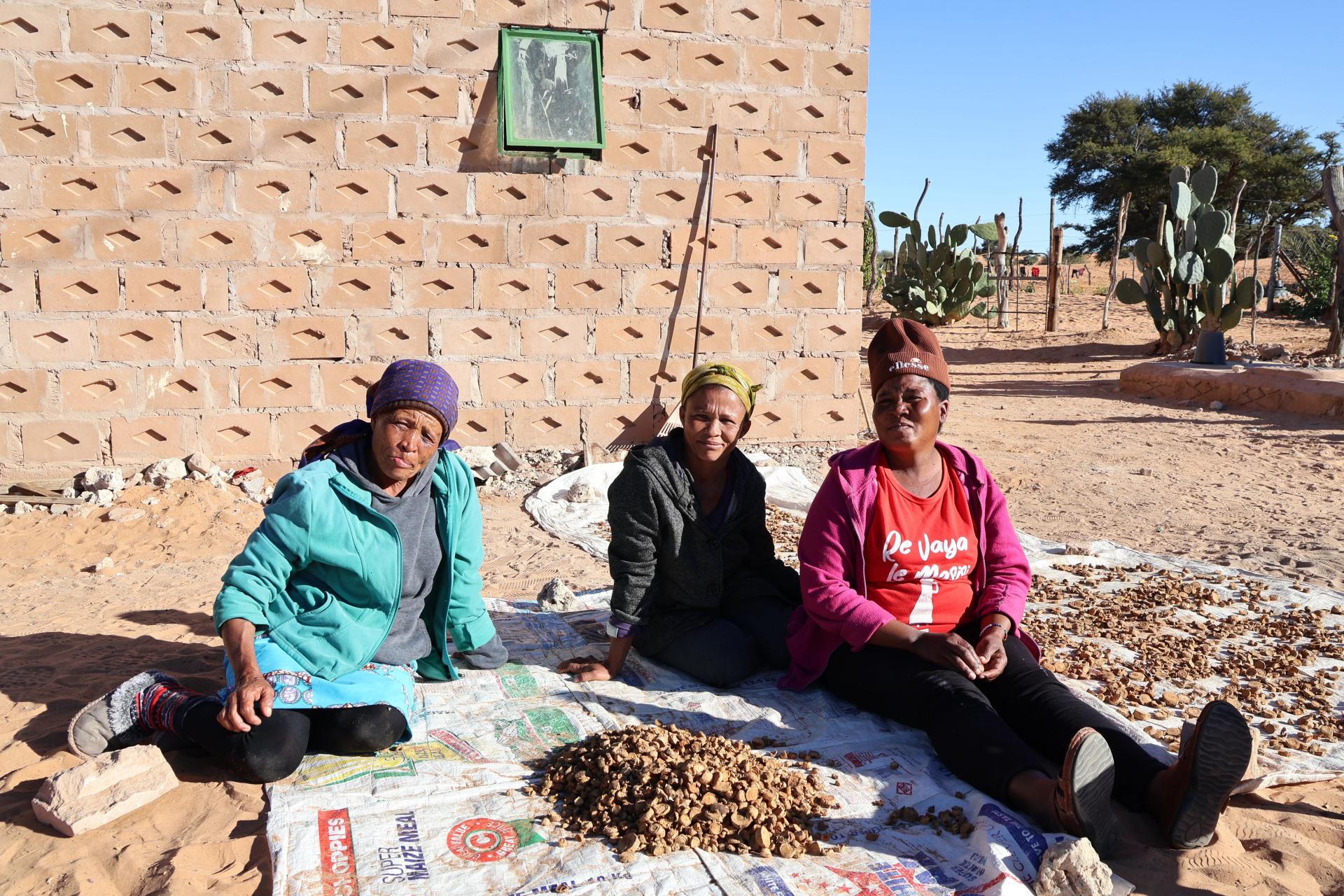
Across the Atlantic in Mali, traditional administrative architecture mirrors Mesoamerican structures: family heads and village authorities answer to a supreme mediator known as the hogon, whose decisions resolve community disputes. Major deliberations take place within the togu na (House of the Word). Similarly, among the Kel Tamasheq of northern Mali, women exercise supreme leadership roles as the spiritual custodians of community cosmology. In southern Africa, a sharp dichotomy exists between groups like the Nama in Namibia—who possess state-recognized traditional councils—and the San, whose authorities often lack official recognition, directly impeding their ability to secure collective land rights.
In Asia, home to the majority of the world’s Indigenous population, traditional administrative models remain vital despite state apathy. In Nepal, where the 2015 Constitution promised autonomous zones that have been slow to materialize, Indigenous groups continue to self-govern through localized models. The Tharu elect a barghar in each village to manage community affairs and resolve local disputes, while the Thakali administer justice through the democratic mukhiya system. Nepali Indigenous leaders echo a central global consensus: self-determination is inextricably tied to land tenure, and displacement invariably erodes a community’s capacity for self-government.
North America
In the United States and Canada, Indigenous governance often navigates the complexities of imposed colonial frameworks, such as federally mandated tribal councils. However, many First Nations and Native American tribes actively supplement these systems with traditional councils, matriarchal leadership structures, and ceremonial institutions like the "big house." These efforts reflect a broad intellectual and political movement to decolonize local governance and restore women to their historical positions of authority within matrilineal societies.
Empirical Findings and International Recognition
International bodies and academic institutions are increasingly validating what Indigenous communities have practiced for centuries. Comprehensive reports by United Nations agencies indicate that Indigenous-led governance models frequently manage local public services, ecological conservation, and social welfare programs far more efficiently than centralized state bureaucracies. Empirical data consistently shows that where Indigenous Nations exercise genuine self-government, regional socioeconomic indicators—including educational attainment, public health, and employment—demonstrate measurable improvements.
The United Nations Declaration on the Rights of Indigenous Peoples (UNDRIP), which approaches its 20th anniversary in 2027, explicitly enshrines the rights of Indigenous populations to self-determination and to maintain their distinct political, legal, and economic institutions. In her landmark 2018 report on Indigenous self-government, former UN Special Rapporteur Victoria Tauli-Corpuz emphasized that these complex administrative systems predated the emergence of modern nation-states. She noted that while colonial powers and post-colonial states historically dismissed and systematically targeted these institutions, they have endured because they directly address the daily administrative, spiritual, and communal needs of their populations.
Broader Implications and Future Outlook
The persistence of the dual mayoralties in Santiago Atitlán and the broader global network of ancestral governance carry profound implications for contemporary political science and human rights advocacy. These systems challenge the Westphalian monopoly on state sovereignty, demonstrating that political legitimacy can be derived not from coercive state authority or electoral majorities, but from ethical responsibility, community service, and environmental stewardship.
As external pressures—including climate change, transnational extractive industries, and economic migration—continue to threaten Indigenous territories, the primary challenge identified by researchers and leaders alike is not proving the efficacy of Indigenous self-governance. Rather, it centers on compelling modern nation-states to dismantle legal obstacles, cease the criminalization of traditional authorities, and respect the inherent autonomy of Indigenous Nations.
On the shores of Lake Atitlán, the cycle continues uninterrupted. With the quiet, deliberate acceptance of civic duty by a young Tzâ’utujil man stepping into his first leadership role, a millennia-old tradition reaffirms its vitality, proving that authority earned through service, collective deliberation, and sacred stewardship remains one of humanity’s most enduring political achievements.