Since January 2025, the landscape of humanitarian protection in the United States has undergone a seismic shift, fundamentally altering the nation’s historical commitment to the international right to seek asylum. The current administration has implemented a series of executive orders and policy directives that have effectively dismantled traditional pathways for those fleeing persecution, replacing them with a framework prioritized toward deterrence, rapid expulsion, and militarized border enforcement. As the U.S. approaches the latter half of 2026, the cumulative effect of these changes has not only led to a historic backlog in immigration courts but has also ignited a profound legal and ethical debate regarding America’s adherence to the 1951 Refugee Convention.
The Legal Foundation and the 1980 Refugee Act
To understand the gravity of the current situation, it is necessary to examine the legal bedrock upon which the U.S. asylum system was built. The Refugee Act of 1980 was enacted to align American law with the United Nations 1951 Refugee Convention and its 1967 Protocol. This legislation established that any individual physically present in the United States—regardless of their method of entry—possesses the legal right to apply for asylum if they possess a "well-founded fear of persecution" based on race, religion, nationality, membership in a particular social group, or political opinion.
For over four decades, this framework served as the procedural mechanism for processing protection claims. It required that applicants provide credible evidence of their circumstances, which would then be adjudicated by U.S. Citizenship and Immigration Services (USCIS) or within the executive branch’s immigration court system. Under the current administration, however, the administrative mechanisms that facilitated these screenings have been largely bypassed in favor of expedited, summary procedures.
Chronology of Policy Reversal: 2025–2026
The transformation of border policy began in earnest on January 20, 2025. In the initial weeks of his second term, President Trump signed a series of executive mandates that fundamentally altered the operational directives at the U.S.-Mexico border.
- January 2025: The administration effectively terminated the use of humanitarian parole, a discretionary tool previously used to manage lawful migration flows. Simultaneously, access to asylum at official ports of entry was curtailed, forcing individuals into unregulated territory.
- Spring 2025: The deployment of federal military personnel to border regions signaled a shift from civil-led border management to a militarized enforcement posture.
- Late 2025: The Department of Homeland Security significantly increased the detention capacity of the agency, moving toward a model of near-universal detention for those encountered between ports of entry.
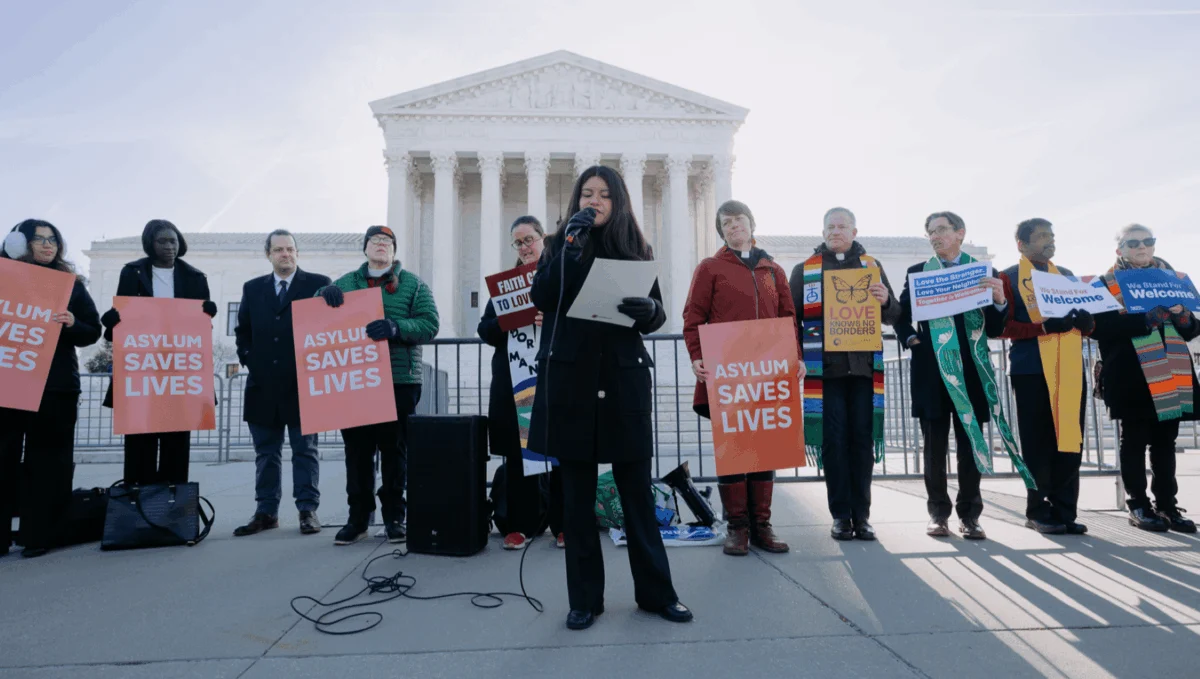
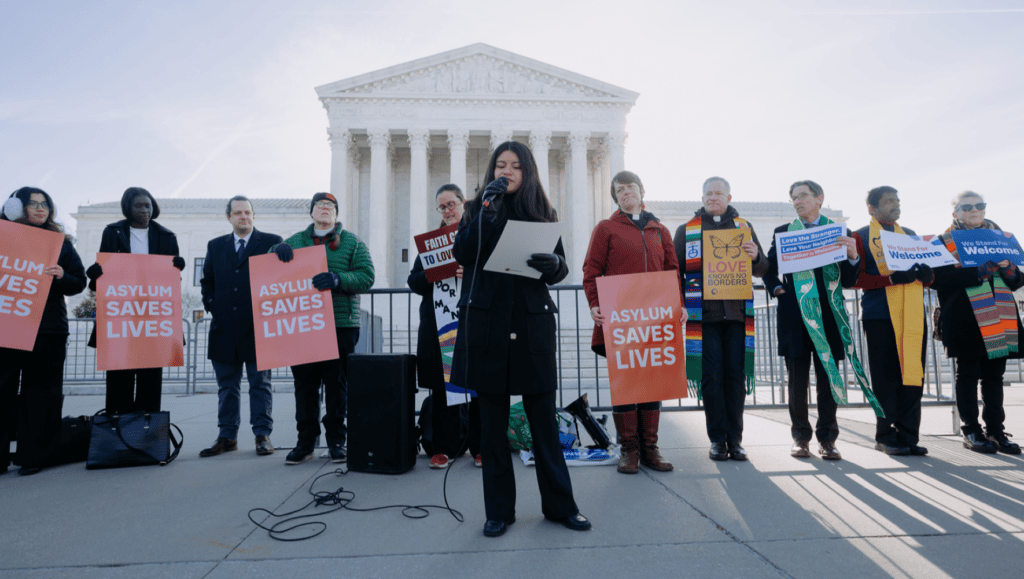
- March 2026: The Supreme Court heard oral arguments in Mullin v. Al Otro Lado, a landmark case challenging the legality of "turnback" policies that deny individuals the opportunity to present asylum claims.
- June 2026: The Supreme Court issued a ruling in favor of the administration, essentially codifying the government’s authority to deny entry and asylum processing at the border under current national security justifications.
Data and the Administrative Backlog
The implications of these policies are reflected in the stark increase in judicial and administrative pressure. By the close of 2025, Department of Justice records indicated that the backlog of pending asylum cases had reached an unprecedented 2.4 million. This accumulation represents a failure of institutional throughput; as the administration has pivoted toward "expedited removal"—a process that allows for deportation after a brief "credible fear" screening—the due process rights of applicants have been compressed into shorter, less substantive windows of time.
Fact-based analysis of these trends suggests that the current system is operating under a strategy of "administrative attrition." By limiting the number of asylum officers and directing enforcement resources toward immediate removal, the administration has successfully decreased the rate at which asylum claims are finalized on their merits, while simultaneously increasing the volume of individuals held in transit zones or expelled back to Mexico.
The Human Cost and Regional Implications
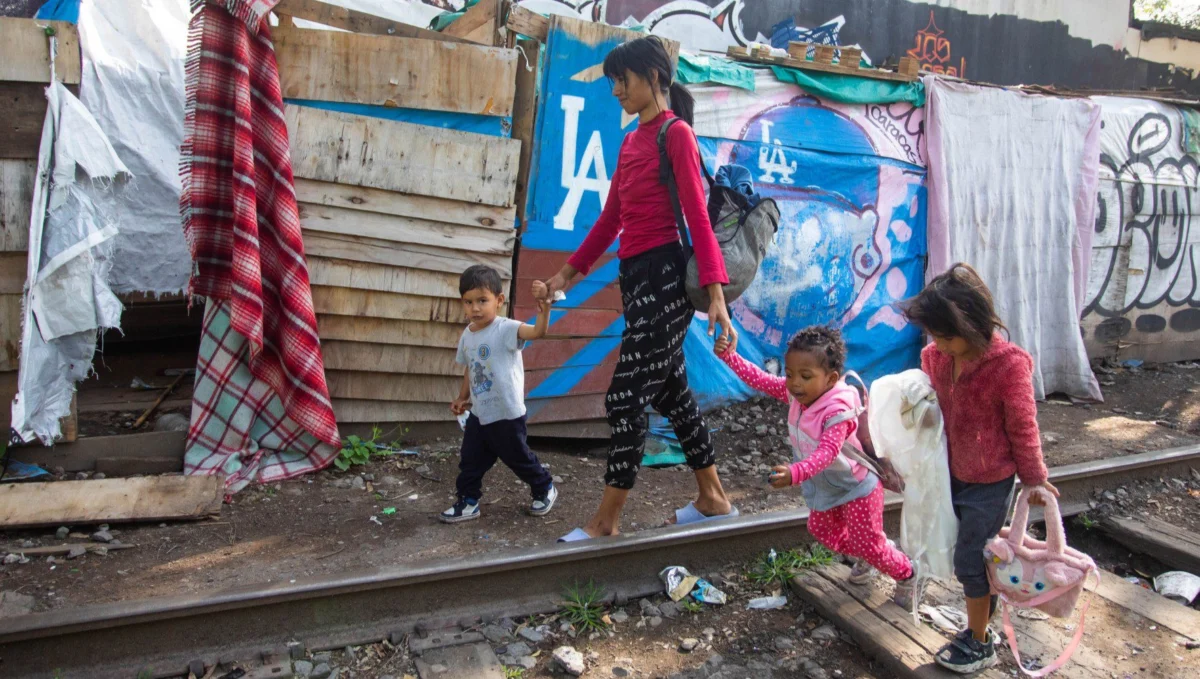
The redirection of asylum seekers to Mexican border cities has created a secondary humanitarian crisis. Without access to U.S. legal counsel or the protections of the U.S. court system, individuals waiting in these areas are increasingly susceptible to violence perpetrated by organized crime syndicates. Reports from human rights organizations and legal observers indicate that the "Remain in Mexico" policy—even when not formally implemented in every sector—creates a de facto barrier that effectively leaves thousands in a state of legal limbo.
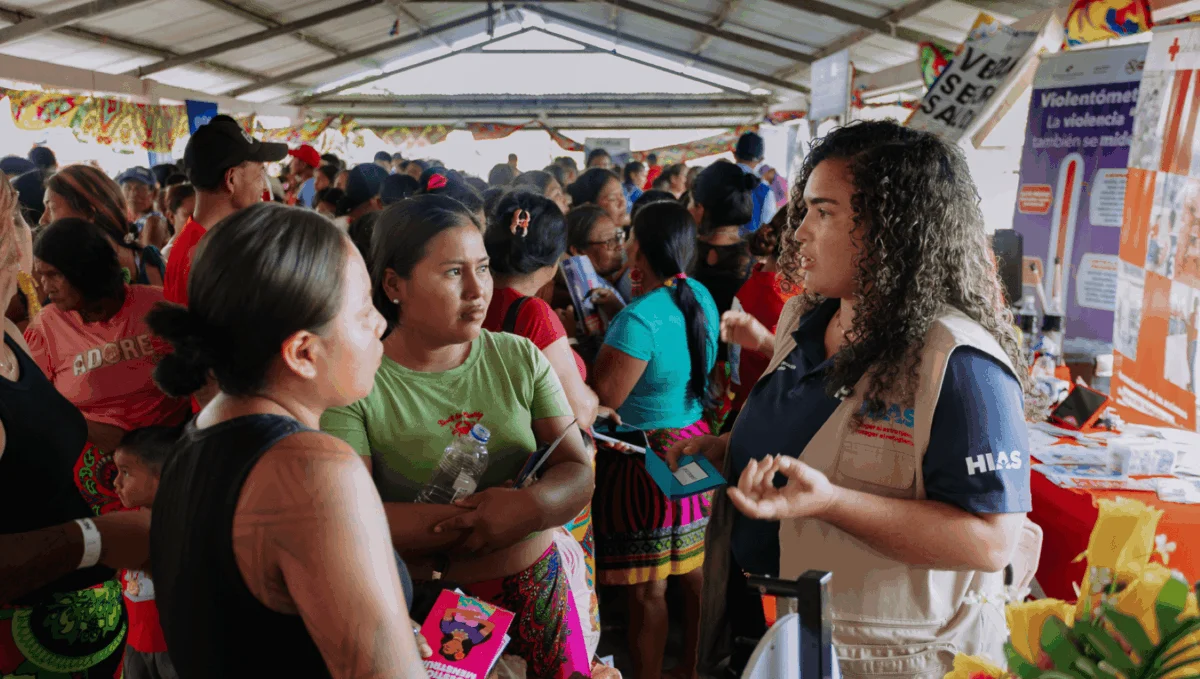
The historical precedent of the M.S. St. Louis—a ship carrying 900 Jewish refugees fleeing the Holocaust that was turned away from U.S. shores in 1939—has been frequently cited by legal advocacy groups such as HIAS to illustrate the potential long-term consequences of these policies. The argument presented in the Mullin amicus brief draws a direct line between the rejection of vulnerable populations at the border today and the moral failures of the past, emphasizing that the denial of access to asylum is not merely a policy preference but a departure from the humanitarian principles adopted in the post-WWII era.
Official Responses and Legal Challenges
The administration maintains that these policies are necessary to ensure national security and maintain order at the border. In various executive statements, officials have described the flow of migrants as an "invasion," arguing that existing immigration statutes allow for broad executive discretion during periods of national emergency.
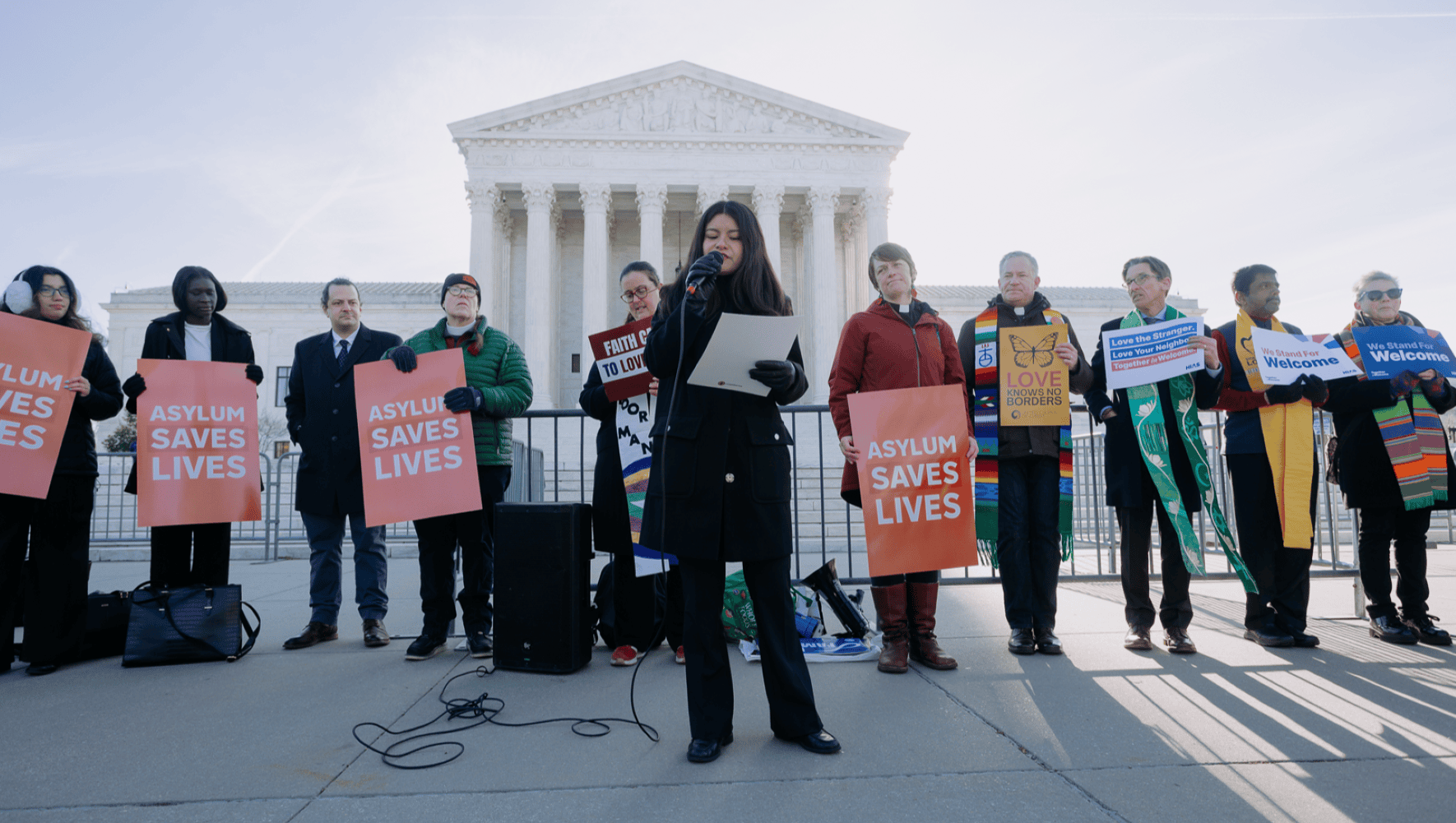
Conversely, advocacy groups and legal organizations have continued to mount challenges. The most recent focus has been an interim final rule from USCIS that would permit the agency to bypass initial interviews with asylum officers entirely, sending applicants directly to immigration court. Critics argue that this rule effectively removes the "credible fear" filter that protects against the refoulement—the illegal return of refugees to countries where they face persecution—which is prohibited under international law.
Broader Implications for U.S. Immigration Policy
The sustained focus on border security at the expense of asylum processing has effectively stalled the prospect of comprehensive immigration reform. Without a legislative update to the 1980 Refugee Act or a modernized system that balances border enforcement with robust, efficient asylum adjudication, the U.S. remains stuck in a cycle of litigation and crisis management.
The systemic reliance on military patrols and mass detention represents a significant departure from the trend of the late 20th century, which saw the development of a more formalized, rights-based approach to immigration. As the current administration continues to prioritize deterrence-based strategies, the primary implication is a permanent narrowing of the "safe harbor" concept. The ability of the U.S. to influence international standards for refugee protection is also diminishing; as the world’s oldest democracy adopts more restrictive entry policies, it provides a precedent that other nations may cite when limiting their own obligations to displaced persons.
Conclusion: The Path Forward
The future of the U.S. asylum system remains uncertain as the legal battles of 2026 draw to a close. While the judiciary has, to date, provided the administration with significant leeway, the underlying issues—such as the court backlog and the lack of a standardized, humane intake process—remain unresolved.
For policymakers, the challenge lies in reconciling the administrative necessity of border control with the legal and moral imperatives of the Refugee Act. Whether the U.S. will move toward a system that emphasizes fair adjudication and international cooperation, or continue to prioritize isolationist enforcement, will likely remain the defining question of the current decade’s immigration policy. As it stands, the current system is characterized by a marked reduction in the accessibility of protection, leaving millions of applicants in a state of prolonged uncertainty and raising fundamental questions about the role of the United States in the global protection of those fleeing persecution.