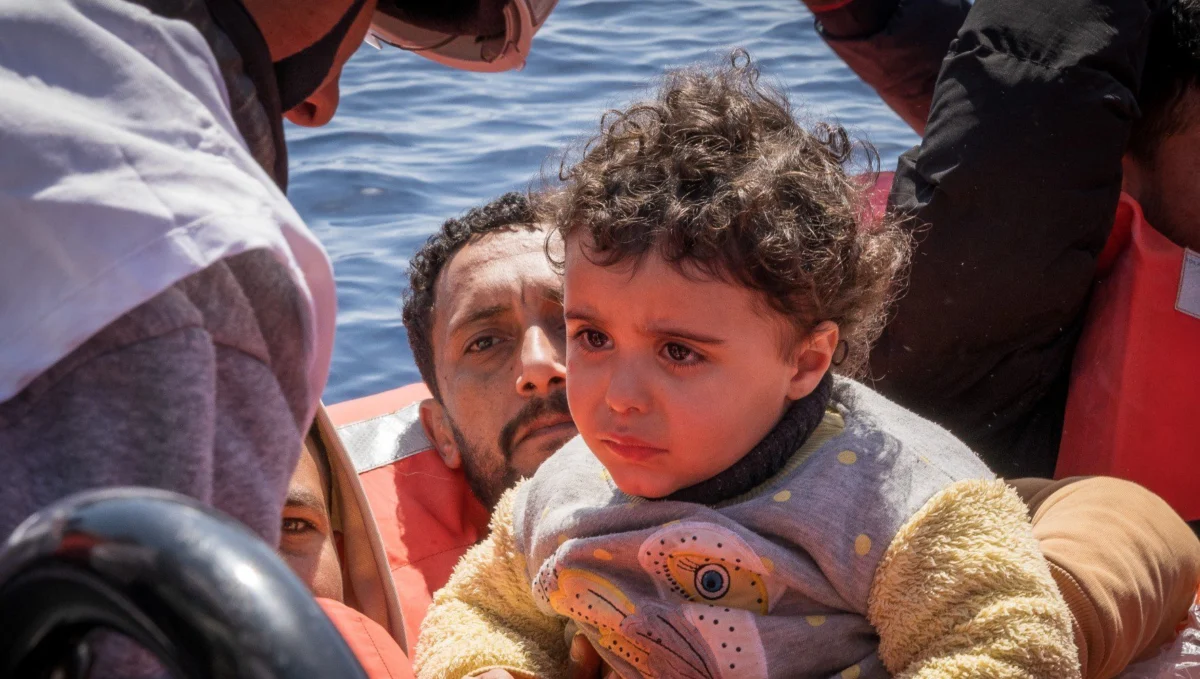
Nearly six years after the catastrophic fire that decimated Europe’s largest refugee camp, Moria, on the Greek island of Lesvos, a landmark legal victory has brought a measure of justice and compensation to three young Afghan refugees. The blaze, which occurred in September 2020, engulfed the notoriously overcrowded and unsafe Moria Reception and Identification Center, displacing over 12,000 individuals and exposing the dire humanitarian conditions that had long been criticized. The European Court of Human Rights had previously convicted Greece for the inadequate sanitation and safety risks within Moria, a situation widely described as a "living hell" by humanitarian workers.
In the immediate aftermath of the fire, a tragic series of events unfolded for a group of six unaccompanied minors from Afghanistan who were residing in Moria while their asylum claims were being processed. These young men, some as young as 15 at the time, were arrested and subsequently, in a profound miscarriage of justice, falsely accused, wrongfully imprisoned, and convicted as adults for arson. Two of the individuals were 17 years old, and one was a mere 15. They were incarcerated in adult detention facilities for an agonizing three and a half years, their pleas of innocence and their status as minors largely ignored by the Greek authorities.
One of the affected refugees, identified as Ali, recounted the devastating impact of this prolonged ordeal. "I spent five years in uncertainty in Greece, and three and a half of those years were spent in prison," Ali stated. "Because of this, my whole life was disrupted, and I lost five years of my life." This sentiment underscores the profound personal cost of the wrongful conviction, a period that not only deprived them of their freedom but also inflicted deep psychological scars and disrupted their formative years.
Despite their consistent assertions of innocence and verifiable proof of their minority status at the time of their arrest, the Greek judicial system proceeded to try them as adults. They were handed down ten-year prison sentences for arson, a charge that would later be proven entirely unfounded. This decision to prosecute minors as adults in a serious criminal case raises significant questions about the adherence to international child protection standards and due process within the Greek legal framework at the time.
A turning point in their arduous journey came in March 2024, when a Greek court granted their appeal. This crucial ruling acknowledged that the refugees were indeed minors when they were arrested, leading to their release from adult detention facilities and the transfer of their case to juvenile court. The legal battle continued, culminating in April 2025 with a definitive ruling by the court that dismissed the criminal charges entirely. The young men were unequivocally exonerated, with the court concluding that they had not committed the alleged crime.
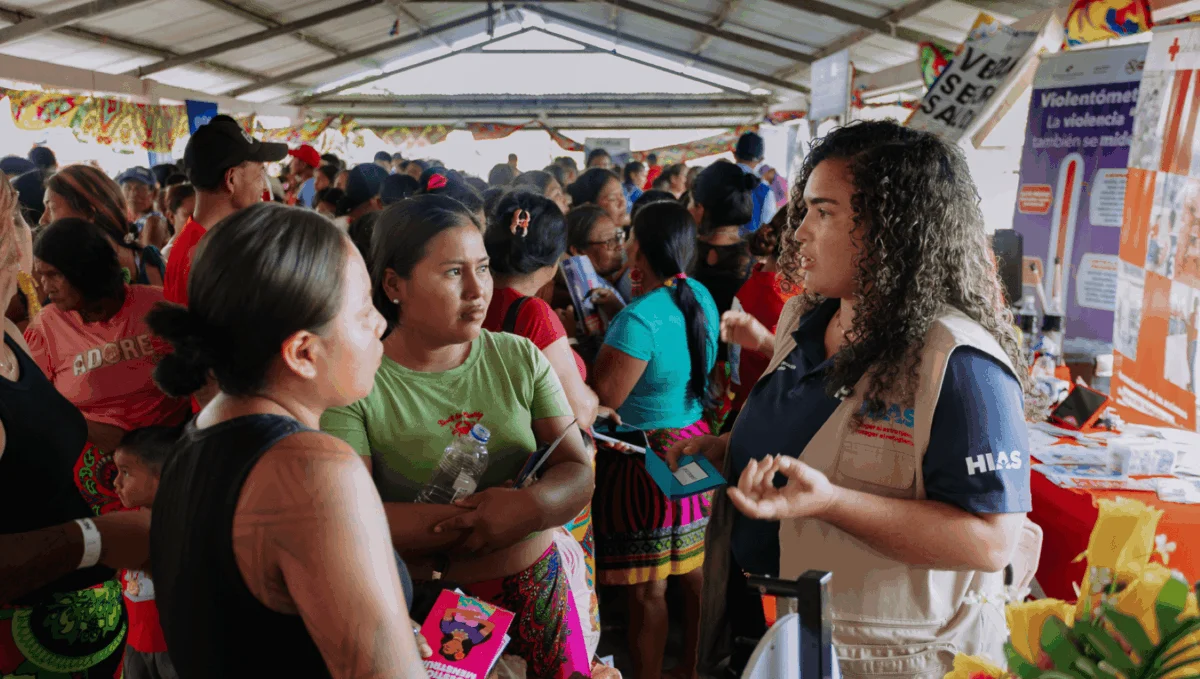
Vasia Katsiki, a Staff Attorney at HIAS Greece, which provided crucial legal support to the refugees, expressed dismay at the systemic failures that led to such a prolonged period of injustice. "The domestic criminal justice system has significantly failed in its duty to properly administer justice, leaving three innocent minors to bear the catastrophic stigma of guilt for five years and violating many fundamental principles of our penal system," Katsiki stated. "For half a decade, the system treated these youth as convicted criminals before ultimately clearing their names." This statement highlights the profound ethical and legal ramifications of the case, pointing to a systemic breakdown that allowed innocent individuals to suffer immensely.
Following their exoneration, three of the refugees were referred to HIAS Greece to pursue legal recourse and seek compensation for the profound miscarriage of justice they endured. HIAS Greece initiated proceedings to claim damages for their wrongful conviction and detention, as well as for the significant material losses and severe moral damages they suffered. The legal team meticulously documented the extensive harm inflicted upon the young men, focusing on the long-term psychosocial consequences.
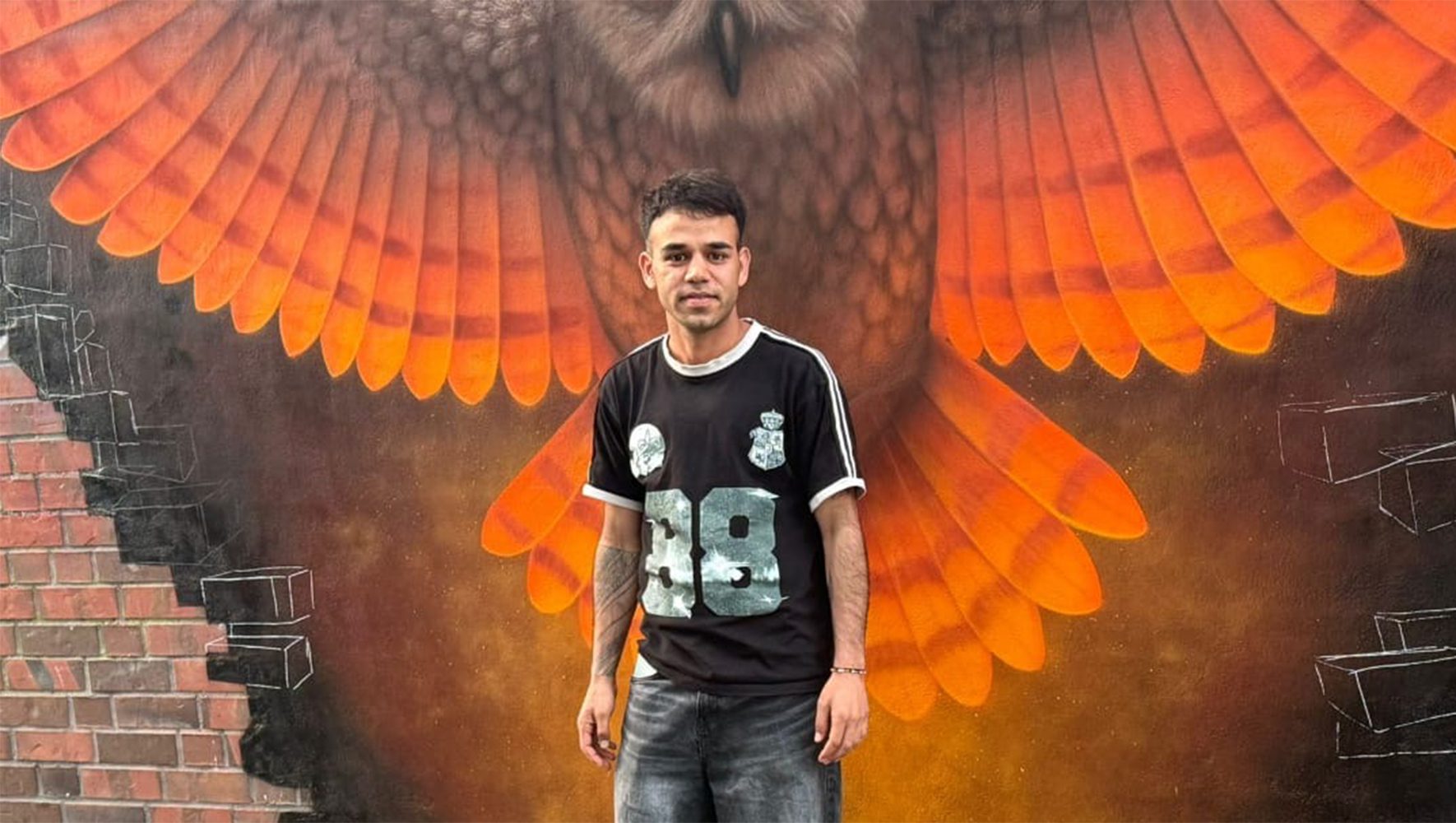
"We focused on the harm that they endured as a result of this prolonged judicial ordeal, including serious negative psychosocial consequences to their personalities and to their lives," explained Katsiki. The documented consequences included a profound alteration in self-identity, severe damage to their reputations, the development of post-traumatic stress disorder, pervasive anxiety and depression, debilitating sleep disturbances, social isolation, significant strain on personal relationships, detrimental impacts on their financial stability and future employment prospects, traumatic experiences while in custody, and persistent difficulties in adjusting to life post-incarceration. These multifaceted damages paint a stark picture of the lasting trauma experienced by the young refugees.
The legal pursuit for compensation represented a critical step in acknowledging the gravity of the injustices faced. In March 2026, the Greek court delivered a verdict that finally brought a semblance of closure to the protracted ordeal for Ali and Hassan, another of the young men who had been falsely accused. The court ruled in favor of HIAS Greece and their clients, awarding significant financial compensation.
Hassan, reflecting on the outcome, described his overwhelming relief: "After the result, I was so happy that I cannot even describe it – like a bird finally set free from its cage. I am truly grateful to HIAS. When no one was helping us, your organization supported us. You stood by us during a very difficult time. I will never forget your kindness." His words convey the profound impact of external support during a period of extreme vulnerability and despair.
The court awarded 44,555 euros to the two young men who were 17 at the time of their arrest, and 50,090 euros to the then 15-year-old. These sums, representing close to the maximum damages awardable in such cases, were intended to provide some redress for the years of lost freedom and the profound suffering endured.
However, as Ali poignantly noted, "The court process was good, but the compensation cannot bring my life back or make up for everything I lost." This statement underscores the inherent limitations of financial compensation in fully rectifying the profound and irreversible damage caused by such egregious violations of human rights. While the monetary award provides a tangible acknowledgment of the wrongs committed, it cannot erase the years of lost youth, the psychological trauma, or the indelible impact on their life trajectories.
Despite the lingering shadows of their past, the three young men are now actively engaged in rebuilding their lives. Hassan is pursuing a career as a mechanic, driven by a desire to achieve stability and to support others facing similar challenges. Ali, who is engaged, is looking forward to starting a family and cherishing a peaceful future. Crucially, all three men were granted refugee status during their long ordeal, providing them with the legal standing to finally begin anew in Europe.
Ali expressed his deep gratitude for the unwavering support he received: "I want to sincerely thank every single person who helped me during these difficult times. I am deeply grateful to HIAS, to everyone who supported me, and especially to the lawyer who stood by me and helped me. In the future, I would be happy if I could also help people who are in need and show others that, by supporting one another, we can overcome difficulties together and make things better." His aspiration to give back to the community and to advocate for those in similar situations speaks to the resilience of the human spirit and the transformative power of solidarity.
The case of these three Afghan refugees serves as a stark reminder of the vulnerabilities faced by asylum seekers in overburdened refugee camps and the critical need for robust legal protections and adherence to international human rights standards. The wrongful imprisonment and conviction of minors highlights systemic failures within the justice system and underscores the imperative for continuous scrutiny and reform. The victory, while hard-won, represents a significant step towards accountability and justice for those who have been unjustly treated, offering a beacon of hope for other refugees navigating complex and often perilous legal landscapes. The compensation awarded, though insufficient to fully mend the past, signifies a crucial acknowledgment of the profound harm inflicted and provides a foundation for the survivors to forge a more secure and hopeful future.